Veneered Designs (Junior Cert Wood Technology): Revision Notes
📚Revision Notes
Veneered Designs
Veneered designs are key in wood technology, providing beauty and functionality. These designs enhance wood interiors and products by adding detailed patterns and textures, often turning simple surfaces into art.
Definitions
- Veneering: The skill of covering a surface with thin wood layers to make decorative designs.
- Marquetry: An art form using veneers to make images and designs on furniture surfaces.
- Parquetry: A decorative method mainly used on floors, featuring small, geometric veneer pieces.
Overview of Veneered Design Processes
- Generally, veneers are applied to a base to create specific patterns or effects.
Note
-
Design Transfer Methods:
-
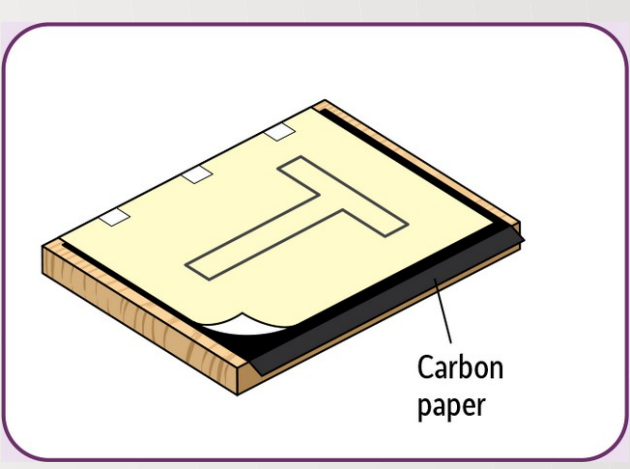
Carbon Paper: This method transfers designs to veneers before cutting. The carbon paper makes a template, which you then cut from the veneer.
-
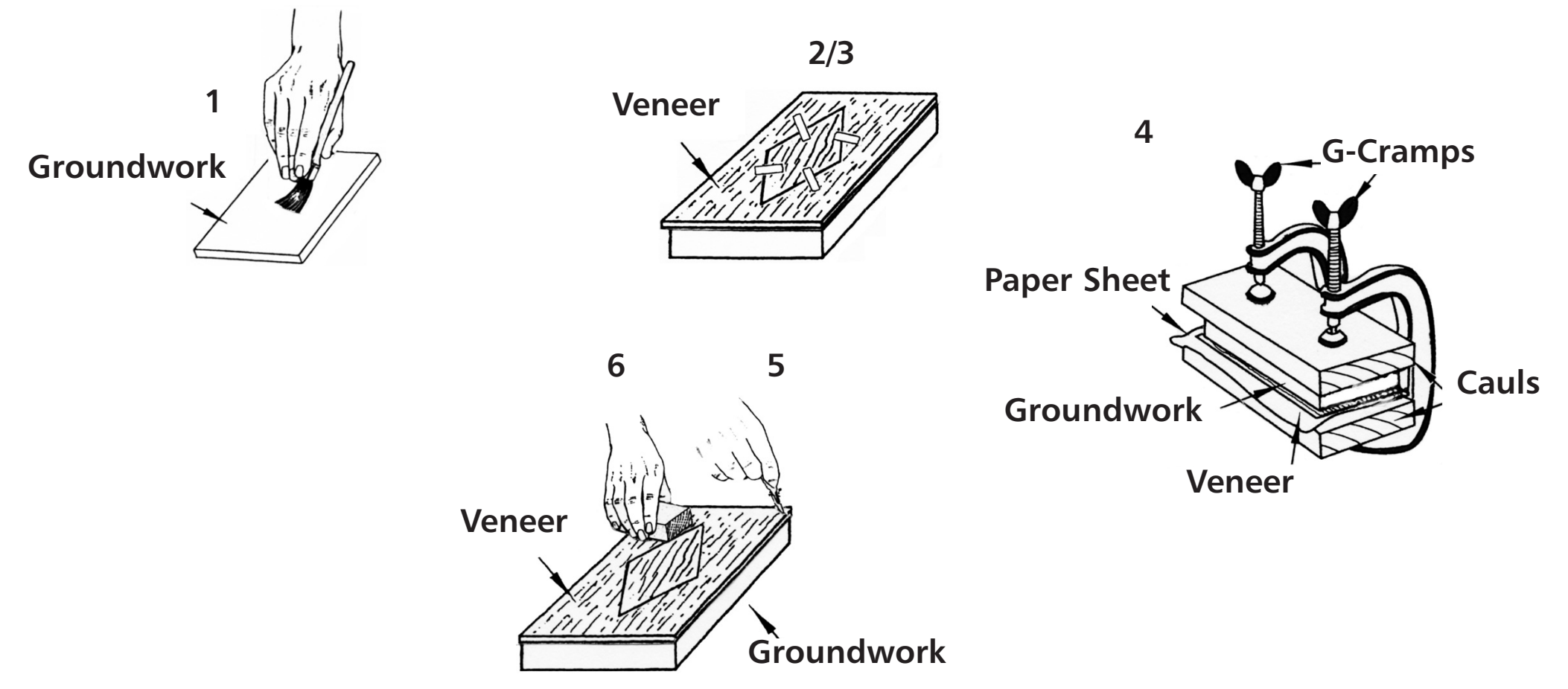
Templates: You lay pre-made templates over the veneer to trace and copy designs.
-
Common Veneered Designs
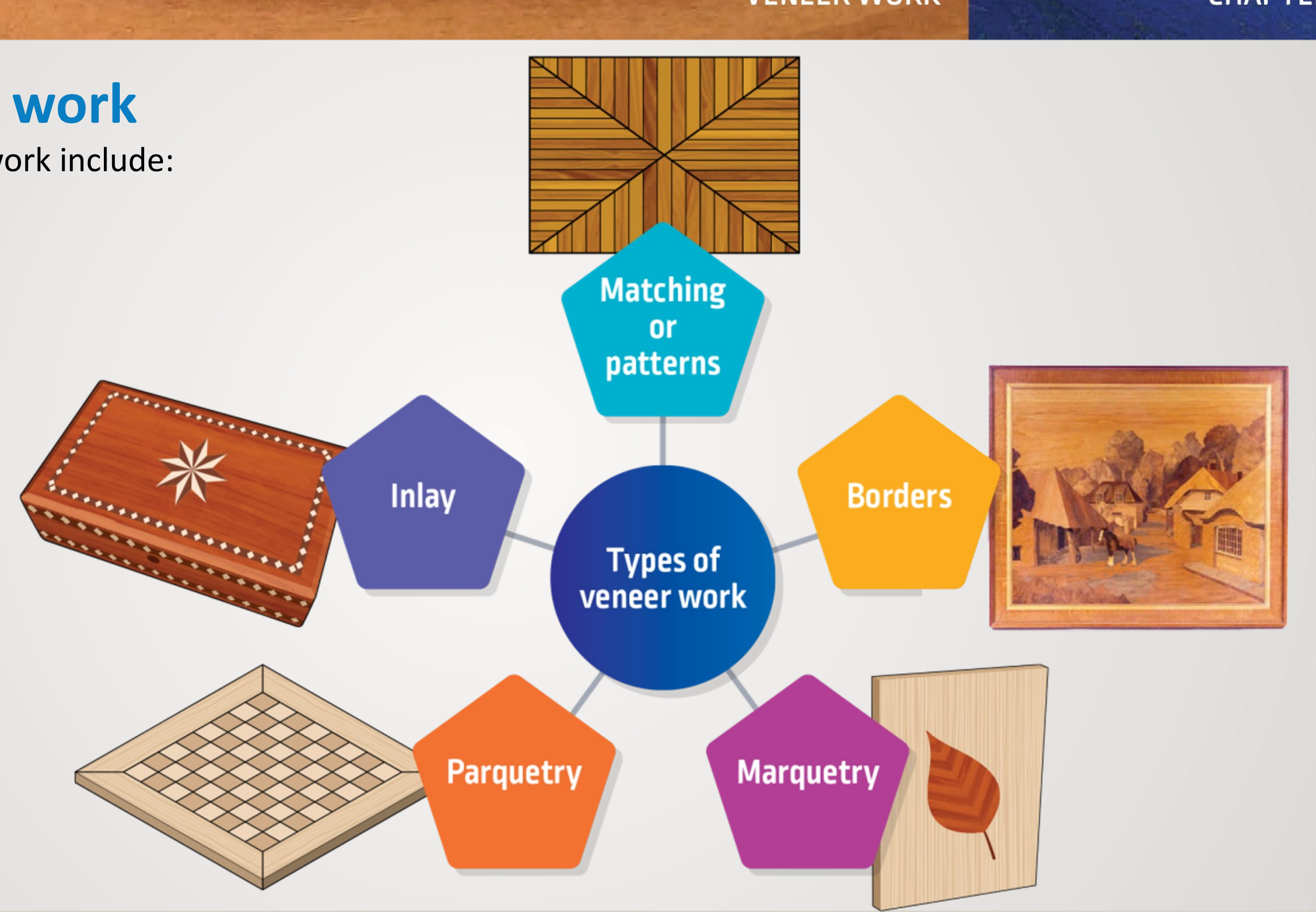
- Matching or Patterns: Veneer grains are aligned to make patterns like book-matching or slip-matching to enhance symmetry and visual interest.
- Borders: Veneer strips or inlays form a framed look on furniture or panelling.
Note
-
Visual Appeal:
- Furniture: Complex veneer patterns beautify tables and cabinets by intensifying contrasts and textures.
- Interior Panelling: Accent walls or ceilings use detailed veneered designs for unique style.
Best Practices in Veneered Design
- Techniques: Use edge treatments and finishes for smoothness and proper adhesion. Picking the right glue and applying the proper pressure is crucial to keep veneer intact.
- Visual Effects: Glossy finishes and contrasting veneer cuts increase visual interest by adding depth and shine.
Important
- Challenges:
- Grain Direction: Wrong alignment can cause imbalance or weaken adhesion, affecting both appearance and durability.
Introduction to Marquetry and Parquetry
- Marquetry: Uses veneers from different timbers to create artistic images and designs, often seen in art pieces needing detail.
- Parquetry: Focuses on geometric patterns for floors, like chessboards, using different woods for visual interest.
Note
Summary
- Key stages include design transfer methods, using carbon paper and templates for precision.
- Common designs include patterns and borders, often in furniture and interiors.
- Best practices emphasise techniques to achieve effects and solve issues like grain direction.
- Marquetry and parquetry involve artistic and geometric designs for use in decorative arts and flooring.