Veneers (Junior Cert Wood Technology): Revision Notes
📚Revision Notes
Veneer Basics
- A veneer is a thin piece of wood or other material glued onto surfaces like doors and furniture to make them look nicer. It's used because it gives a shiny and smooth finish.
Overview of Veneer Materials
Types of Veneering Materials
- Traditional Wood Veneers: Made from woods like oak, walnut, and cedar. They have a natural, warm look, great for furniture and cabinets.
- Non-wood Veneers:
- Resin: Strong and water-resistant, ideal for decoration and outdoor use.
- Metal: Provides a shiny, modern appearance, suitable for modern furniture.
- Plastic: Versatile, available in many colours for different designs.
- Bone and Tortoise Shell: Have special textures and a luxury feel, often used in fancy designs.
Note
These diverse materials in veneering offer numerous options, enhancing the appeal and value of woodworking projects.
Benefits of Using Veneers
- Aesthetic Enhancement: Makes surfaces look better using techniques like book matching, which creates continuous or mirror-like patterns.
- Decorative Value: Adds a stylish layer to wooden items, enhancing their beauty.
Patterns and Designs in Veneering
Common Patterns
- Book-matched: Creates symmetry by mirroring the grain.
- Quartered: Shows a unique grain with angular cuts.
- Sunburst: Spreads out from a centre point, like sun rays.
- Herringbone: Displays a zigzag, similar to fish bones.
- Diamond: Features a diamond shape with diagonal patterns.
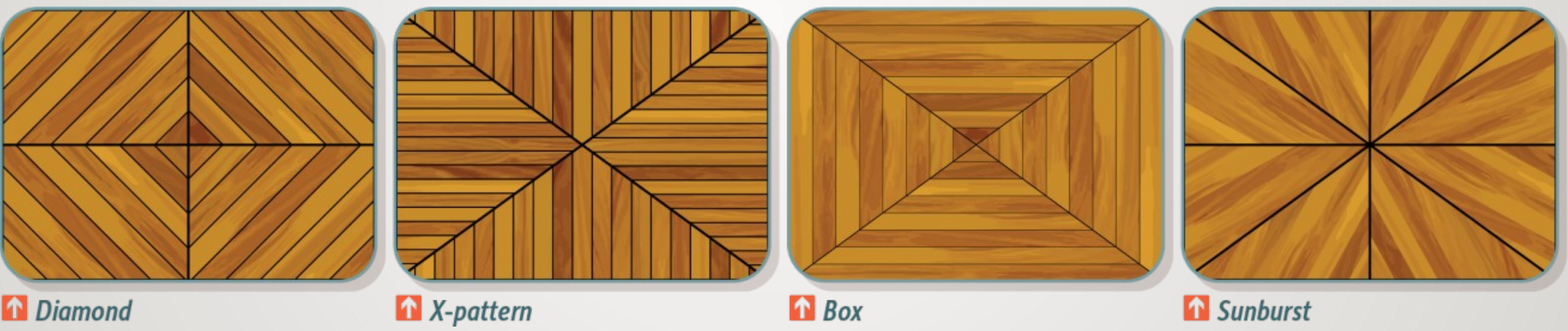
These patterns make surfaces more visually appealing by adding charm and elegance.
Note
Summary
- Veneers, whether wood or other materials, are used to enhance and decorate surfaces in woodworking projects.
- Different materials and patterns provide many beautiful options, making veneers a great choice in both traditional and modern woodworking. They mainly add to the look and function of wood products.