Jack B. Yeats (Leaving Cert Art): Revision Notes
📚Revision Notes
Jack B. Yeats
Introduction
Jack Butler Yeats (1871-1957) stands as one of Ireland's most significant artists, renowned for his expressive and evocative portrayals of Irish life. An experimental painter who developed a deeply individual style, Yeats captured the essence of Irish culture through his art, moving from detailed watercolours to bold, emotionally charged oil paintings that reflected the changing political landscape of 20th-century Ireland.
Note
Yeats represents a pivotal figure in Irish art history, bridging the gap between traditional Irish cultural expression and modern artistic techniques. His work provides both artistic and historical value as a visual record of Ireland's journey to independence.

Artistic family background
Jack B. Yeats was born into a remarkable artistic family that played a central role in Irish cultural life. His father, John Butler Yeats, was a portrait painter, whilst his sisters Susan and Elizabeth were prominent figures in the Irish Arts and Crafts Movement. Most famously, his brother was W.B. Yeats, the internationally acclaimed poet and winner of the 1923 Nobel Prize for Literature.
The Yeats family were integral to the Celtic Revival movement in the early 20th century, working to revive and celebrate Irish culture through both literary and visual artistic forms. This movement sought to reconnect Ireland with its cultural heritage and establish a distinct national identity separate from British influence.
Note
The Celtic Revival Movement
This cultural movement emerged in the late 19th and early 20th centuries as Ireland sought to establish its own cultural identity. It encompassed literature, visual arts, music, and language revival, with the Yeats family playing a central role across multiple artistic disciplines.
Early career and development (1900s-1910s)
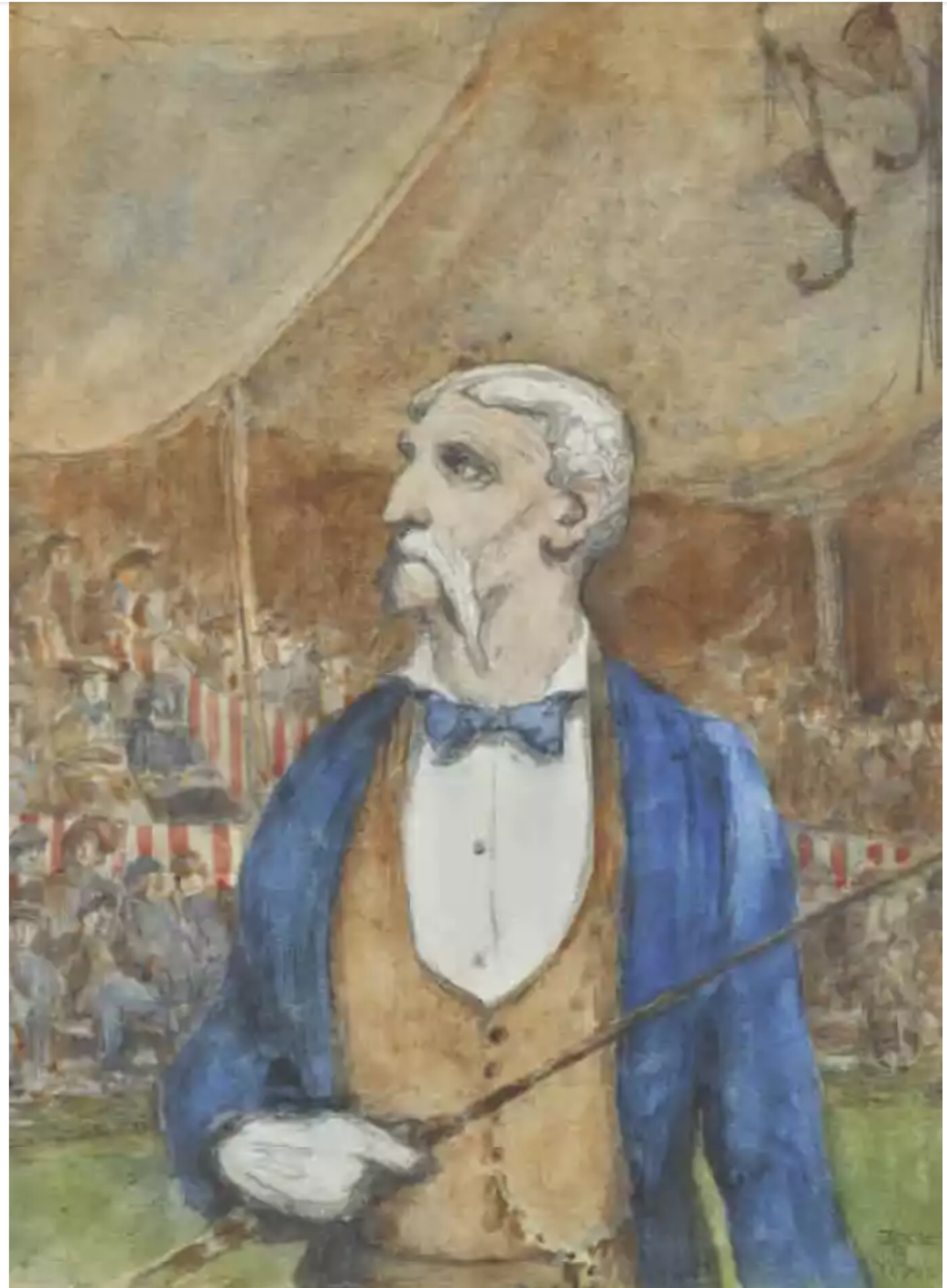
In his early career, Yeats worked primarily in watercolour and showed particular interest in scenes of everyday Irish life. His technique during this period was more literal and tightly executed, employing soft, muted colours that reflected the subdued nature of his subject matter.
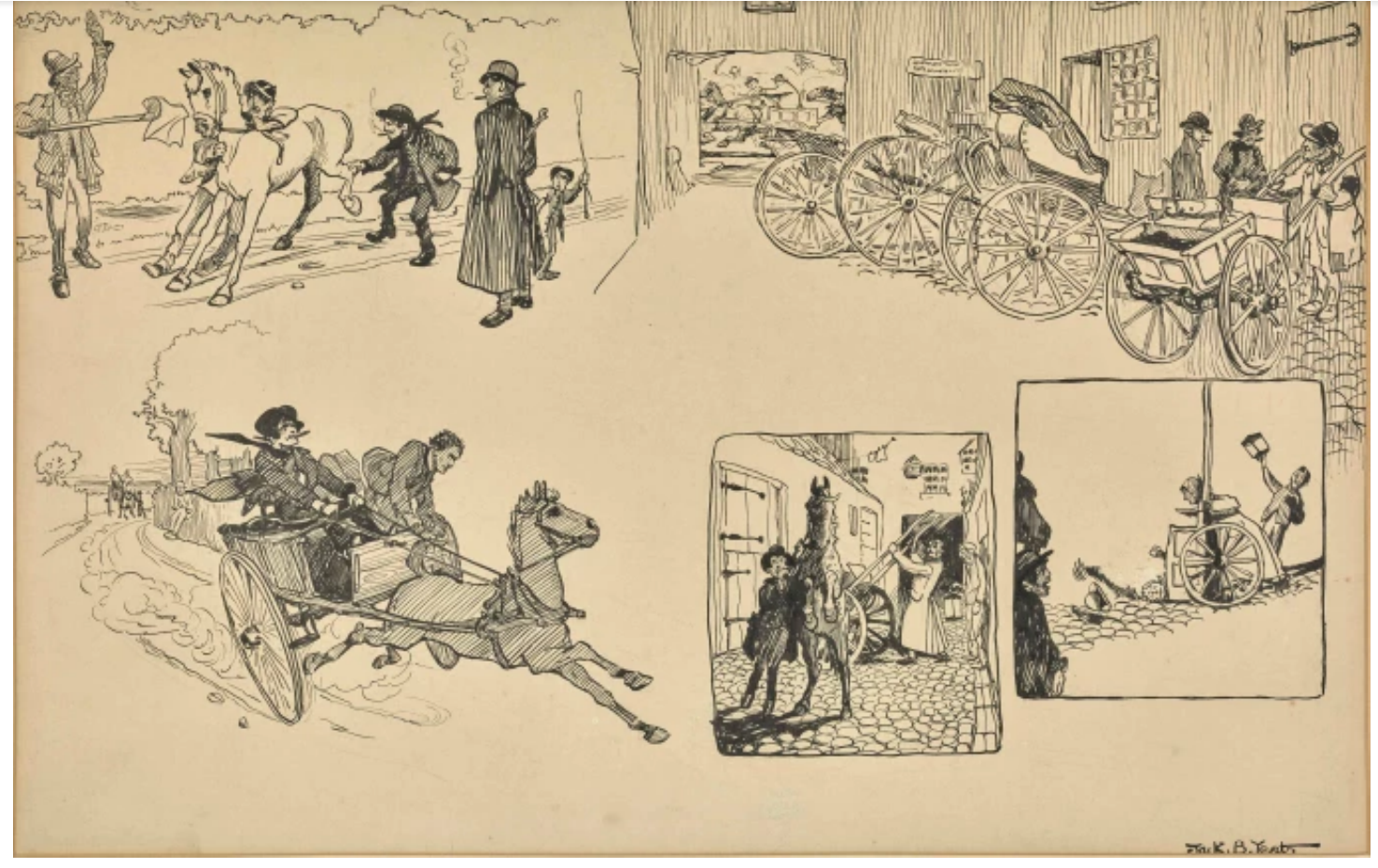
A significant turning point came around 1910 when Yeats began to use oil paint. This transition proved decisive for his artistic development and would define the body of work for which he is most celebrated. The move to oils allowed him to employ a more striking artistic technique that became increasingly expressionistic, bold and colourful.
Important
The 1910 Transition to Oils
This shift from watercolour to oil paint marked the beginning of Yeats's most significant artistic period. Oil paints allowed for greater texture, richer colours, and the development of his signature impasto technique that would define his mature works.
Transition period - political themes (1910s-1920s)
The collection of works from this period reveals how Yeats's art evolved alongside Ireland's turbulent political situation. His paintings began to address more serious themes, particularly those relating to death, nationalism, and the Irish struggle for independence.
Example
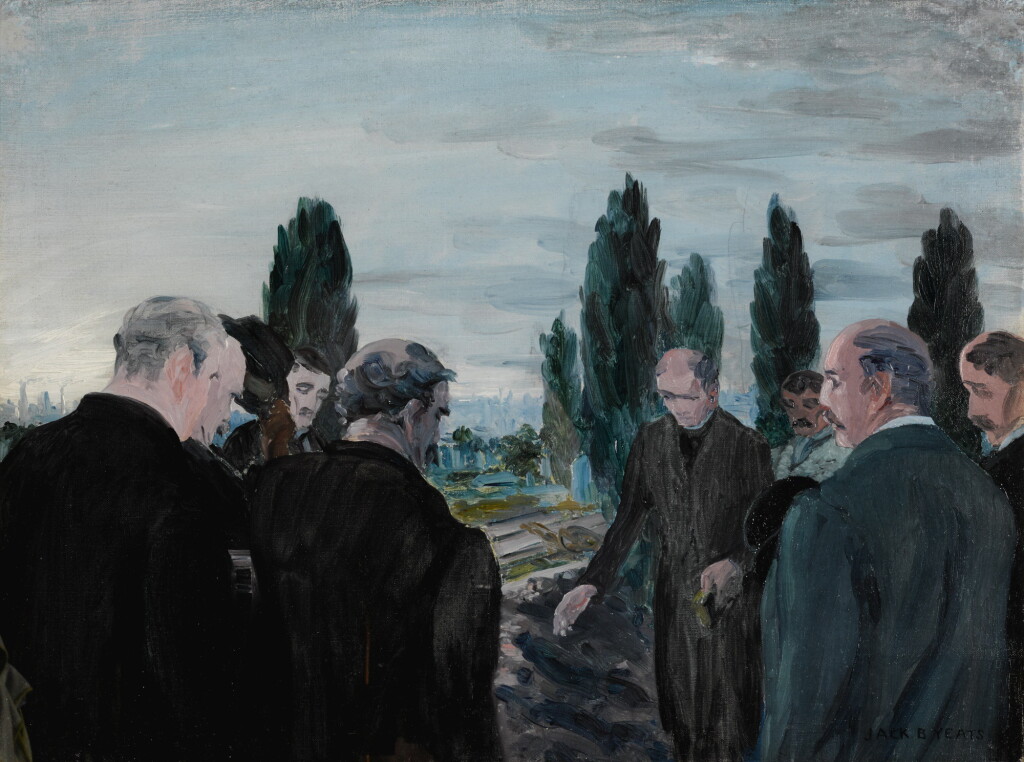
Artwork Analysis: "Early Morning, Glasnevin"
This painting depicts a group of men gathered around a grave at dawn in Glasnevin cemetery. The location suggests this may reference a victim of the ongoing troubles, as Glasnevin is where nationalist leader Michael Collins was buried after being killed in the Irish Civil War in 1922. When this work was painted, Dublin was described as a city of funerals, reflecting the devastating impact of political violence.
Example
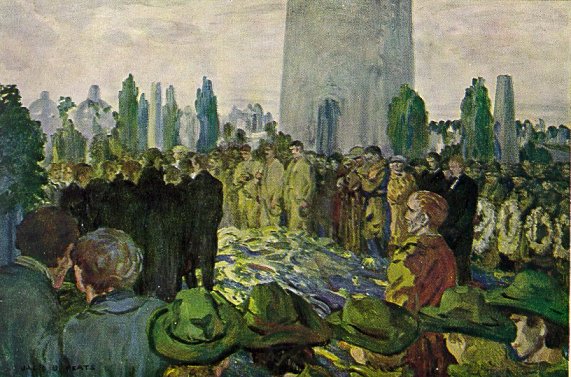
Artwork Analysis: "The Funeral of Harry Boland" (1923)
This painting shows Yeats directly engaging with contemporary political events, depicting graveside crowds at the burial of Harry Boland, a former colleague of Michael Collins who was killed in 1922 during the Civil War. When Yeats exhibited this painting, it was titled simply as "The Funeral," perhaps as a way of avoiding accusations that the work was partisan.
Mature expressionist period (1920s-1940s)
During the mid-1920s, a profound change occurred in Yeats's technique. His handling became much freer, his forms were defined by brushstrokes rather than line, and his colours grew richer and more luminous. His earlier realism gradually gave way to a moody, intimate and highly personal form of expression.
Example
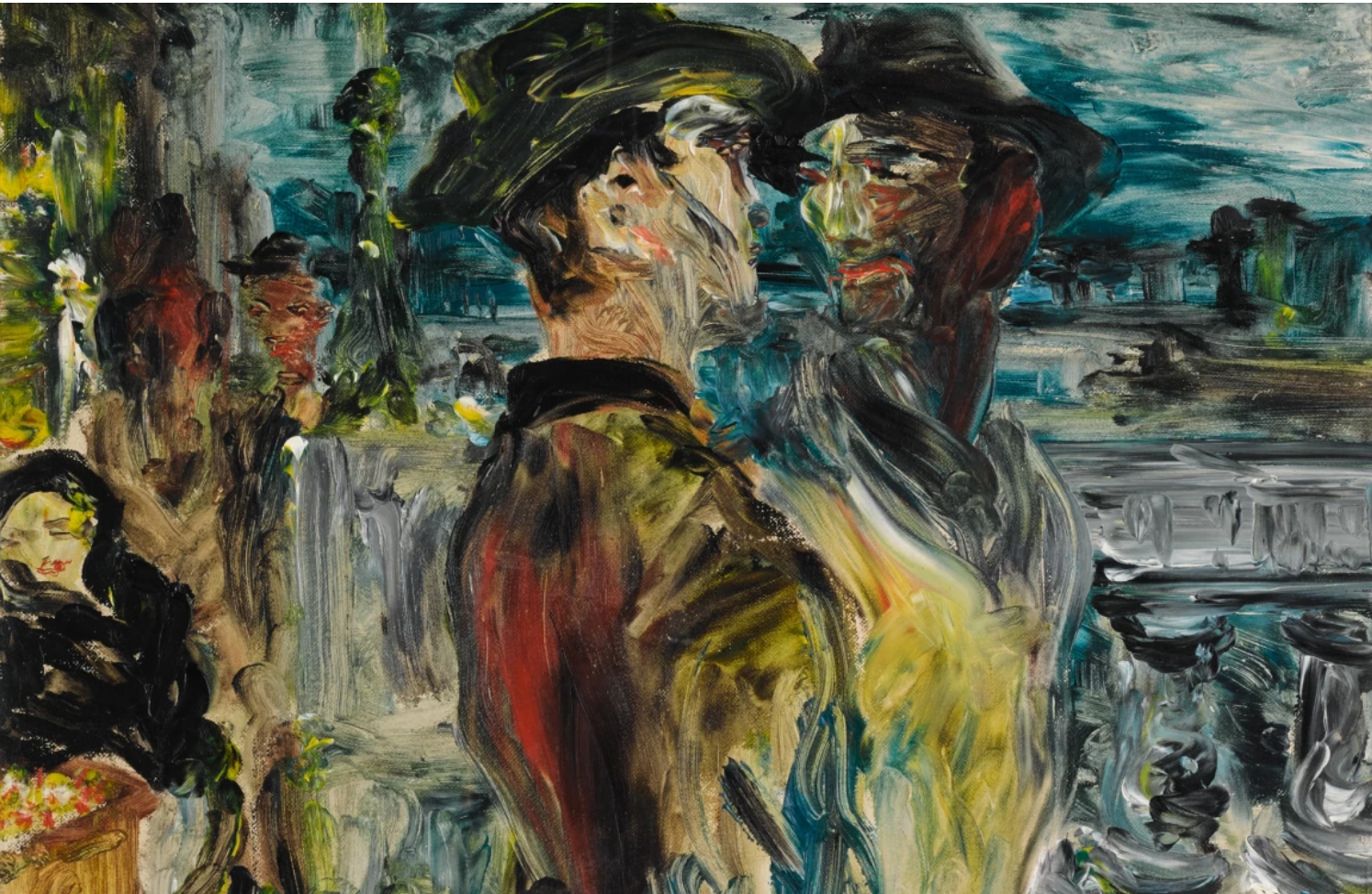
Artwork Analysis: "Young Men"
This work demonstrates Yeats's stylistic evolution clearly. The figures are more loosely rendered and the colour palette is less literal than his earlier works. There is an increasing sense of plasticity in the paint handling - the setting references O'Connell Bridge, locating the drama in Dublin while the work conveys an optimistic, positive representation of Irish manhood.
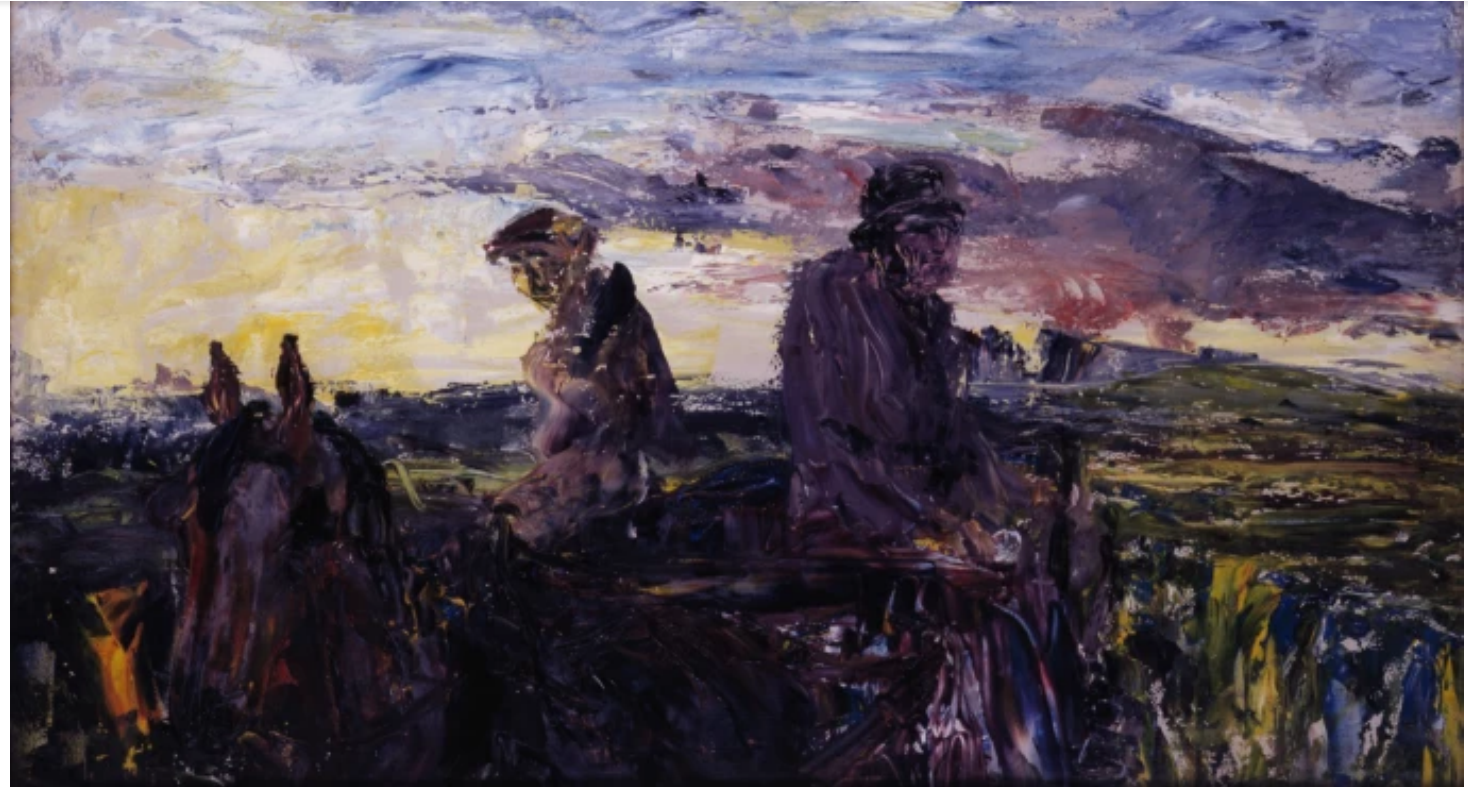
The painting "A Farewell to Mayo" (1929) shows Yeats's work from this period becoming increasingly stylised. The painting employs warm reds and yellows to reflect emotional content, notably representing the warmth and pleasure of human connection during times of departure and loss.
Advanced technique and emotional expression (1940s-1950s)
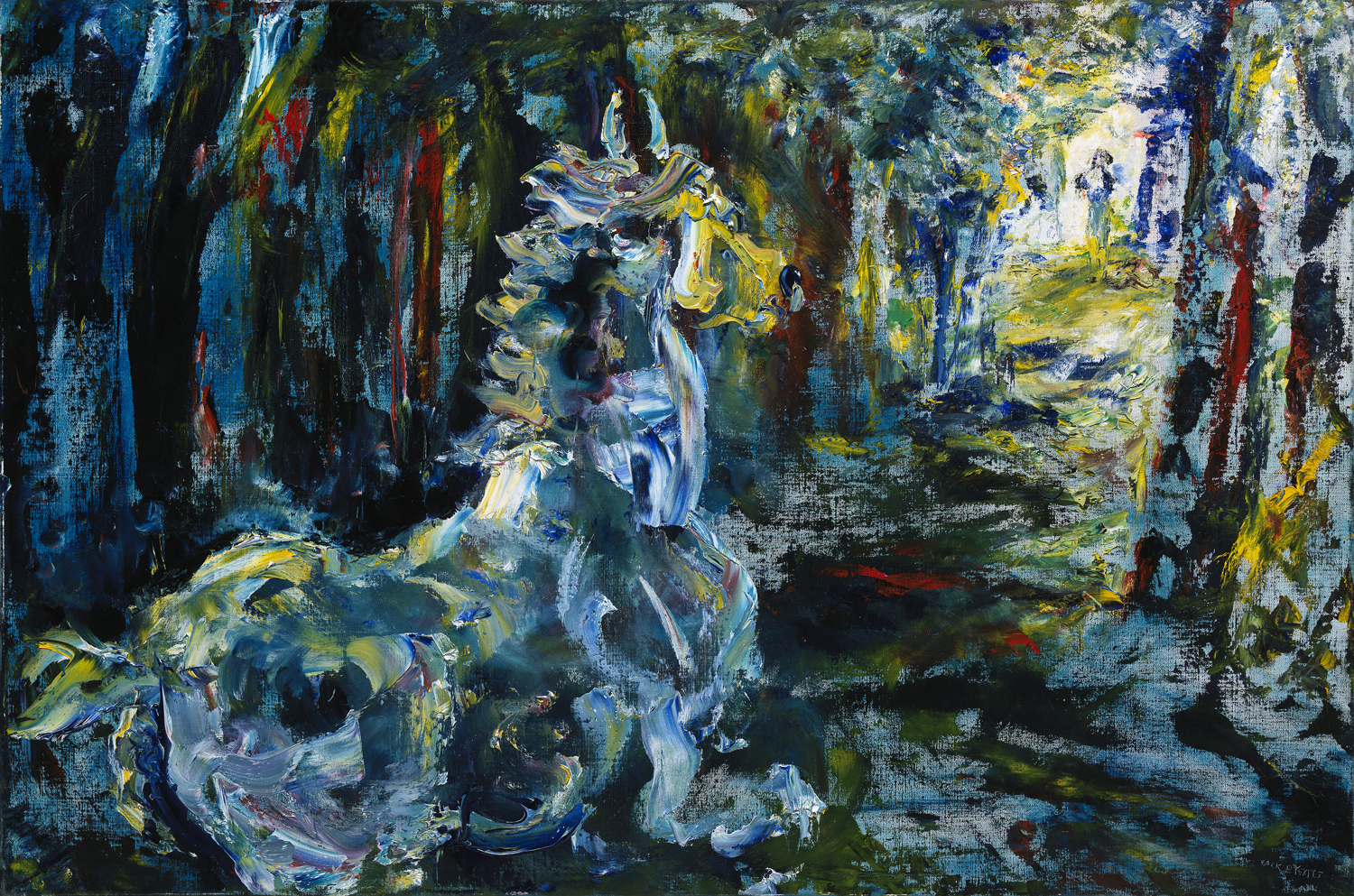
By the 1940s, the increasing stylistic freedom evident in earlier works had advanced significantly. Works such as "The Poetic Morning" (1945) and "The Tide Receding" (1946) demonstrate energetic rendering with heavy use of impasto - a technique where paint is applied so thickly that brushstrokes become sculptural.
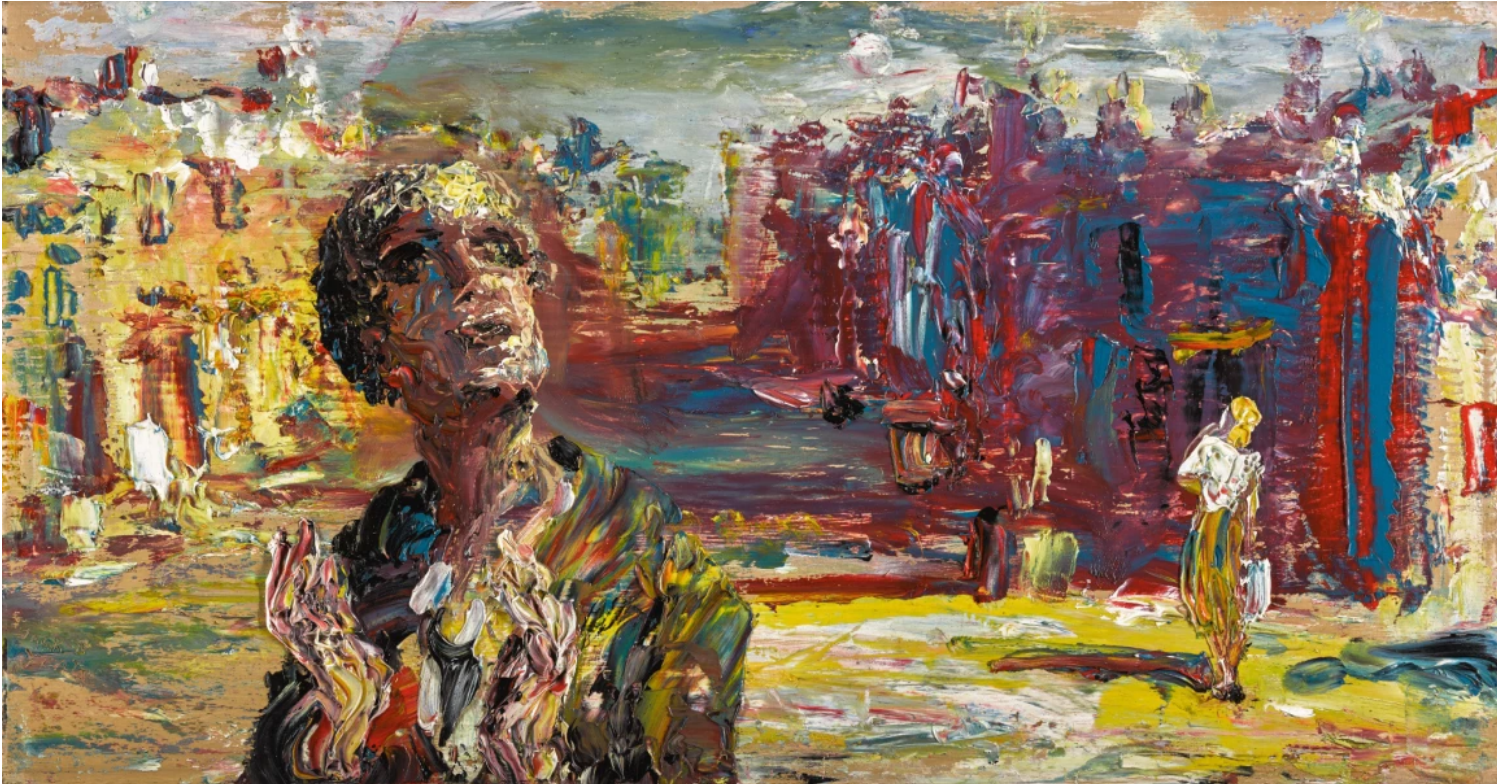
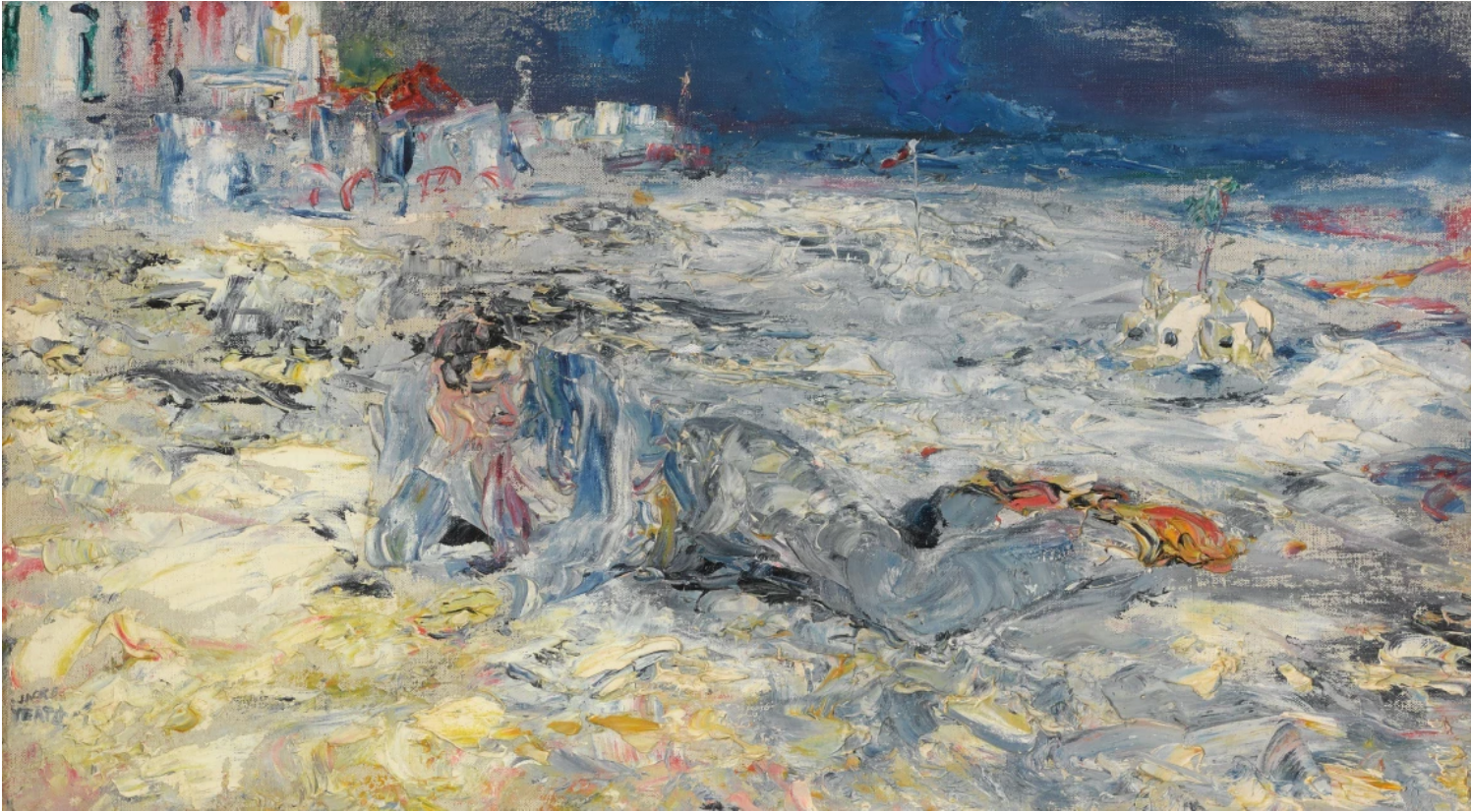
These paintings locate central figures within landscapes that increasingly formed the backdrop against which human drama would unfold in Yeats's work. In "The Poetic Morning", the conical peak visible in the background resembles Croagh Patrick in north Mayo, while in "The Tide Receding", the coastal setting may reference Sligo, harking back to Yeats's childhood experiences which had a profound influence on his career.
Example
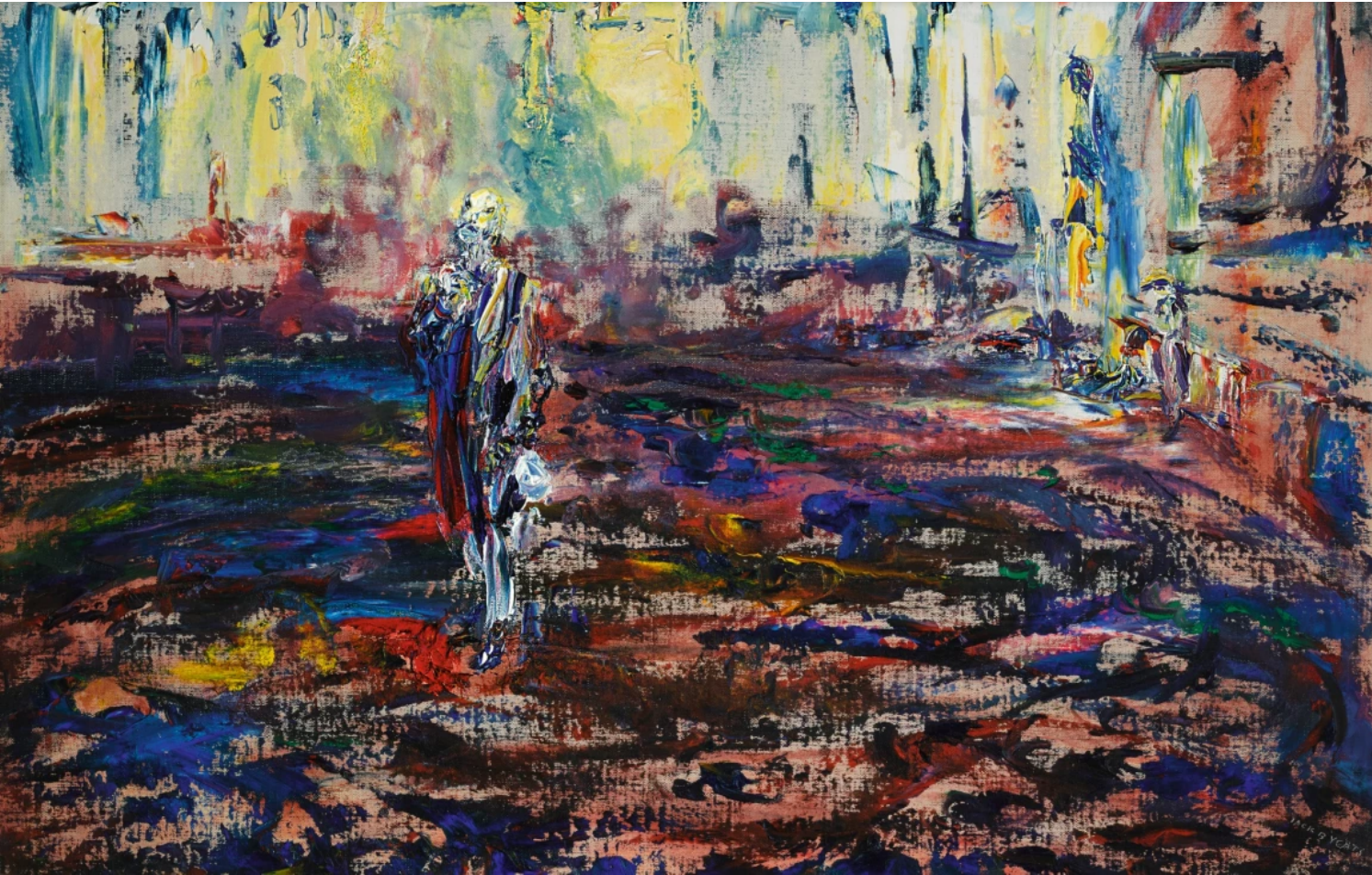
Artwork Analysis: "The Showground Revisited"
This painting exemplifies Yeats's fully developed and liberated painting technique. The figure is rendered in thick impasto whilst the arena setting remains ambiguous. The overall composition remains unclear, yet the theme reflects a favourite subject of Yeats - the travelling fair, which featured early in his career in watercolour works such as "The Old Ring Master" from 1909.
Key themes and artistic philosophy
Yeats's work consistently explored themes of Irish identity, mortality, and human experience. His paintings often featured:
- Funeral scenes and commemorations of political figures
- Landscapes of western Ireland, particularly Mayo and Sligo
- Everyday Irish life including markets, fairs, and social gatherings
- Political events and their human impact
- Coastal scenes reflecting his connection to the west of Ireland
The artist himself reflected on his purpose, stating: "Painting is the freest of the arts... the painter must himself be free and his country must be free". This philosophy linked his artistic freedom directly to Irish political independence, showing how personal and national liberation were intertwined in his work.
Important
Yeats's Artistic Philosophy
Yeats believed that artistic expression and political freedom were fundamentally connected. This philosophy shaped both his subject matter and his increasingly liberated painting technique, making his work both a personal artistic journey and a reflexion of Ireland's struggle for independence.
Technical development
Yeats's artistic evolution can be understood through three distinct phases:
- Early period (1900-1910): Watercolours and pen-and-ink drawings with precise detail and muted colours
- Transitional period (1910-1925): Introduction of oils with increasing boldness and political themes
- Mature period (1925-1957): Heavy impasto technique, expressive brushwork, and increasingly subjective interpretation
His later works show that paintings had become increasingly subjective and existential, with the subject matter sometimes becoming secondary to the rich impasto and dynamic brushwork that characterised his fully developed style.
Legacy and significance
By his later years, Yeats had developed a painting style that was uniquely his own. His work provides a visual chronicle of Ireland's transition from colonial rule to independence, whilst simultaneously exploring universal themes of human experience, mortality, and the search for meaning.
His technique influenced subsequent generations of Irish artists, and his integration of nationalist sentiment with modernist painting techniques established him as a key figure in both Irish art and the broader European expressionist movement.
Note
Yeats's significance extends beyond Irish art history. His unique combination of political engagement, technical innovation, and emotional expression places him within the broader context of European modernism, while maintaining a distinctly Irish character that influenced generations of artists.
Summary
Key Points to Remember:
- Jack B. Yeats was brother to poet W.B. Yeats and part of the Celtic Revival movement
- His artistic development moved from detailed watercolours (pre-1910) to expressive oil paintings with heavy impasto technique
- Key themes included Irish nationalism, political events (especially Civil War), funeral scenes, and everyday Irish life
- His mature style featured thick brushwork, emotional colour use, and increasingly subjective interpretation of subjects
- He believed that artistic freedom and national independence were linked: "the painter must himself be free and his country must be free"