Jean-Michel Basquiat (Leaving Cert Art): Revision Notes
📚Revision Notes
Jean-Michel Basquiat
Introduction
Jean-Michel Basquiat was a groundbreaking American artist who became one of the most important figures in contemporary art during the 1980s. Rising from the streets of New York City to international fame, Basquiat created powerful works that addressed themes of identity, racism, social inequality, and Black heritage through a distinctive visual language that combined street art aesthetics with fine art techniques.

Basic biographical information
Name: Jean-Michel Basquiat Nationality: American Born: December 22, 1960 in Brooklyn, New York Died: August 12, 1988 in New York City (aged 27) Art movements: Neo-Expressionism, Street and Graffiti Art, East Village Art
Basquiat's career was remarkably brief but intensely productive, spanning roughly eight years from 1980 to 1988. Despite his short life, he created over 1,000 paintings and 2,000 drawings, leaving behind a substantial body of work that continues to influence artists today.
Note
Basquiat's brief but prolific career makes him one of art history's most concentrated creative forces. His output averaged over 125 paintings per year during his active period, demonstrating an extraordinary creative drive that was tragically cut short.
Early life and background
Jean-Michel Basquiat was born in Brooklyn to a middle-class family with a mixed cultural heritage. His mother, Matilde Andrades, was of Puerto Rican descent, while his father, Gérard Basquiat, was Haitian. This multicultural background would later become a significant influence in his artwork, as he explored themes of African diaspora, colonialism, and cultural identity.
As a child, Basquiat showed early artistic talent and was encouraged by his mother, who took him to art museums in Manhattan. He was particularly drawn to the works in the Brooklyn Museum and became fascinated with anatomy after being given a copy of Grey's Anatomy during his recovery from a car accident at age eight.
Basquiat's formal education was disrupted by family problems and his rebellious nature. He eventually dropped out of high school and left home to pursue art, initially sleeping on friends' floors and supporting himself through various means while developing his artistic voice on the streets of New York City.
The SAMO© collaboration and street art origins
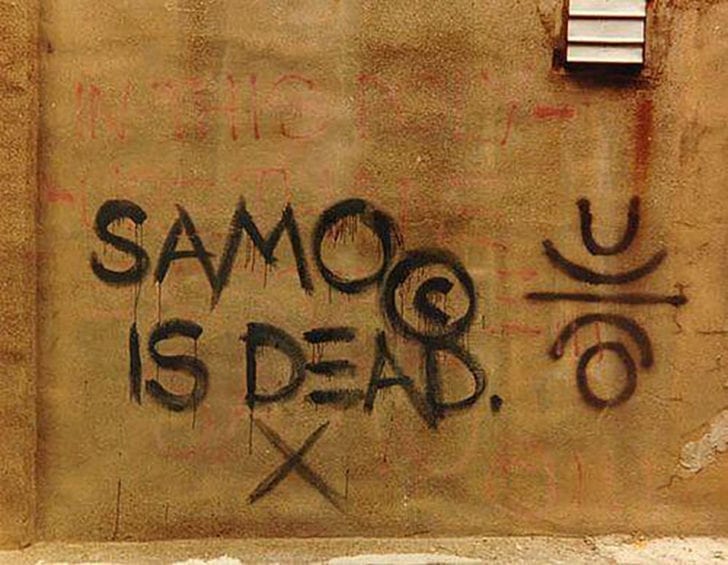
Before achieving gallery success, Basquiat gained recognition through his involvement in New York's graffiti and street art scene. In the late 1970s, he collaborated with friend Al Diaz under the pseudonym SAMO© (pronounced "same-oh"), creating cryptic, poetic graffiti messages throughout Manhattan.
Note
The Significance of SAMO©
SAMO© stood for "Same Old Shit" and was a deliberate critique of the art establishment and consumer culture. The © symbol was ironically added to mock the commercialisation of art and culture, foreshadowing themes that would continue throughout Basquiat's career.
The SAMO© works were distinctive because they weren't typical graffiti tags but rather philosophical and satirical statements that critiqued the art world, capitalism, and social issues. These messages appeared on walls throughout SoHo and the East Village, building intrigue about the mysterious creators behind them.
The collaboration ended in 1979 when Basquiat and Diaz had a falling out, marked by the appearance of "SAMO© IS DEAD" graffiti around the city. This marked Basquiat's transition from anonymous street artist to identifiable fine artist seeking gallery representation.
Artistic style and movements
Neo-expressionism
Basquiat is primarily associated with Neo-Expressionism, a movement that emerged in the late 1970s and 1980s as a reaction against the conceptual and minimal art that had dominated the previous decades. Neo-Expressionist artists returned to figurative representation and emotional expression, often using bold colours, gestural brushwork, and raw, energetic compositions.
Note
Key Characteristics of Neo-Expressionism in Basquiat's Work
- Emotional intensity conveyed through bold, aggressive brushstrokes
- Figurative elements particularly focusing on the human form and face
- Mixed media approach incorporating text, symbols, and found materials
- Large-scale canvases that created immersive viewing experiences
- Primitive or childlike aesthetic that rejected polished academic techniques
Street art influences
Throughout his career, Basquiat maintained strong connections to street art and graffiti culture. His paintings often incorporated:
- Text and words integrated into the visual composition
- Crown symbols that became his signature motif
- Rough, spontaneous mark-making that echoed graffiti aesthetics
- Social and political commentary addressing urban life and inequality
- Appropriated imagery from popular culture and mass media

Important
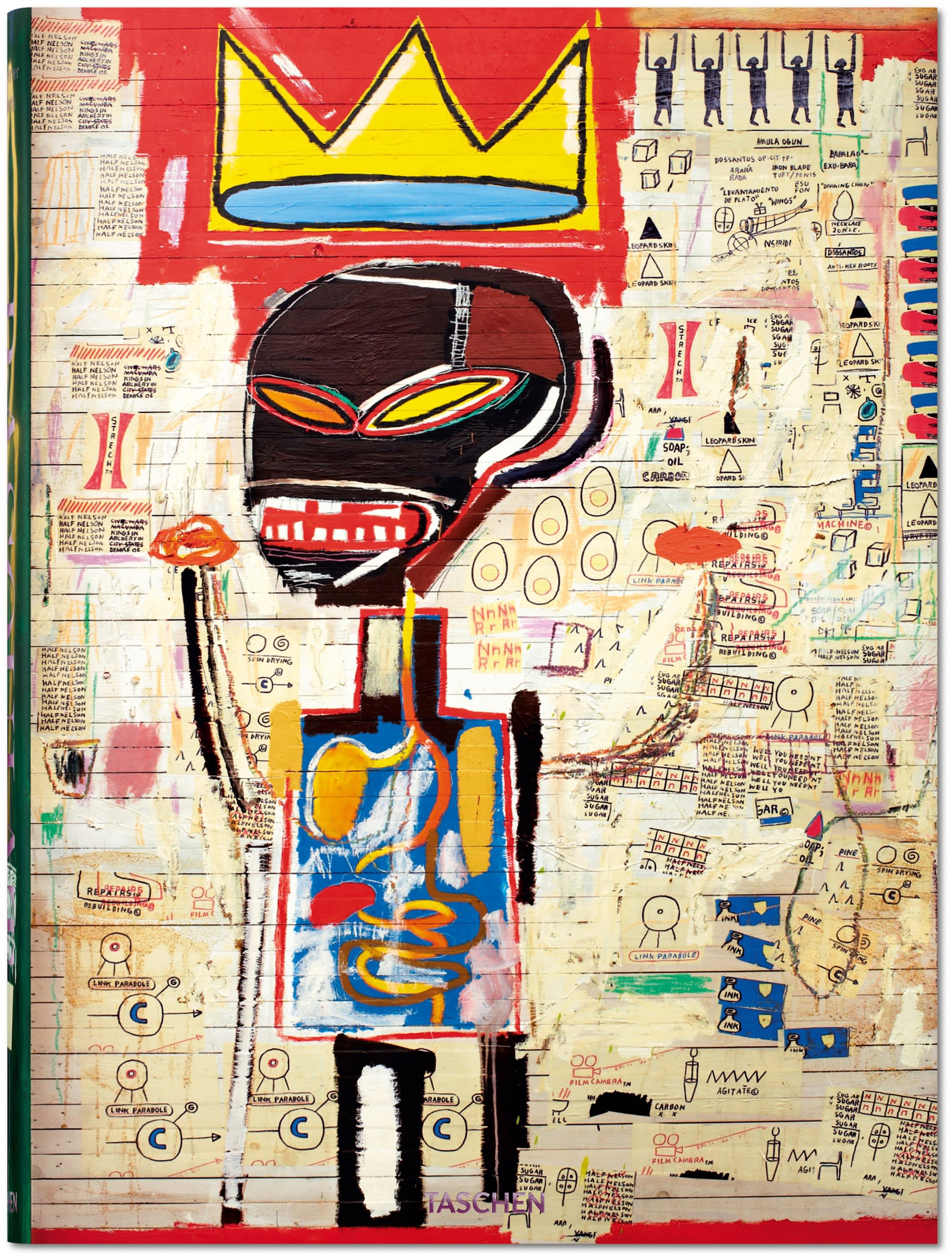
The crown symbol became one of Basquiat's most recognisable motifs, appearing in numerous works as a symbol of power, divinity, and the artist's own aspirations for recognition and respect. Understanding this symbol is crucial for interpreting his work.
Major works and themes
Skull paintings
Basquiat created numerous works featuring skulls, which became one of his most powerful and recognisable subjects. These paintings explored themes of mortality, violence, and the African diaspora experience.

Note
Characteristics of Basquiat's Skull Paintings
- Bold, expressive brushwork that created raw emotional impact
- Bright, contrasting colours that made the works visually striking
- African art influences referencing traditional masks and tribal art
- Text and symbolic elements that added layers of meaning
- Memento mori themes reflecting on death and the fragility of life
Identity and heritage themes
Many of Basquiat's works directly addressed his African-American and Caribbean heritage, often incorporating:
- Historical references to slavery, colonialism, and civil rights
- African cultural symbols and artistic traditions
- Caribbean influences reflecting his father's Haitian background
- Jazz and blues references celebrating African-American musical culture
- Social commentary on racism and inequality in contemporary America
The griot tradition
Basquiat often referenced the griot tradition from West African culture. Griots were traditional storytellers, historians, and musicians who preserved and transmitted cultural knowledge through oral traditions. Basquiat saw himself as a modern griot, using his art to tell stories about Black history, identity, and experience.
Collaborations with Andy Warhol
One of the most significant relationships in Basquiat's career was his collaboration and friendship with Pop Art icon Andy Warhol. The two artists worked together on numerous paintings between 1984 and 1986, creating works that combined their distinctive styles.
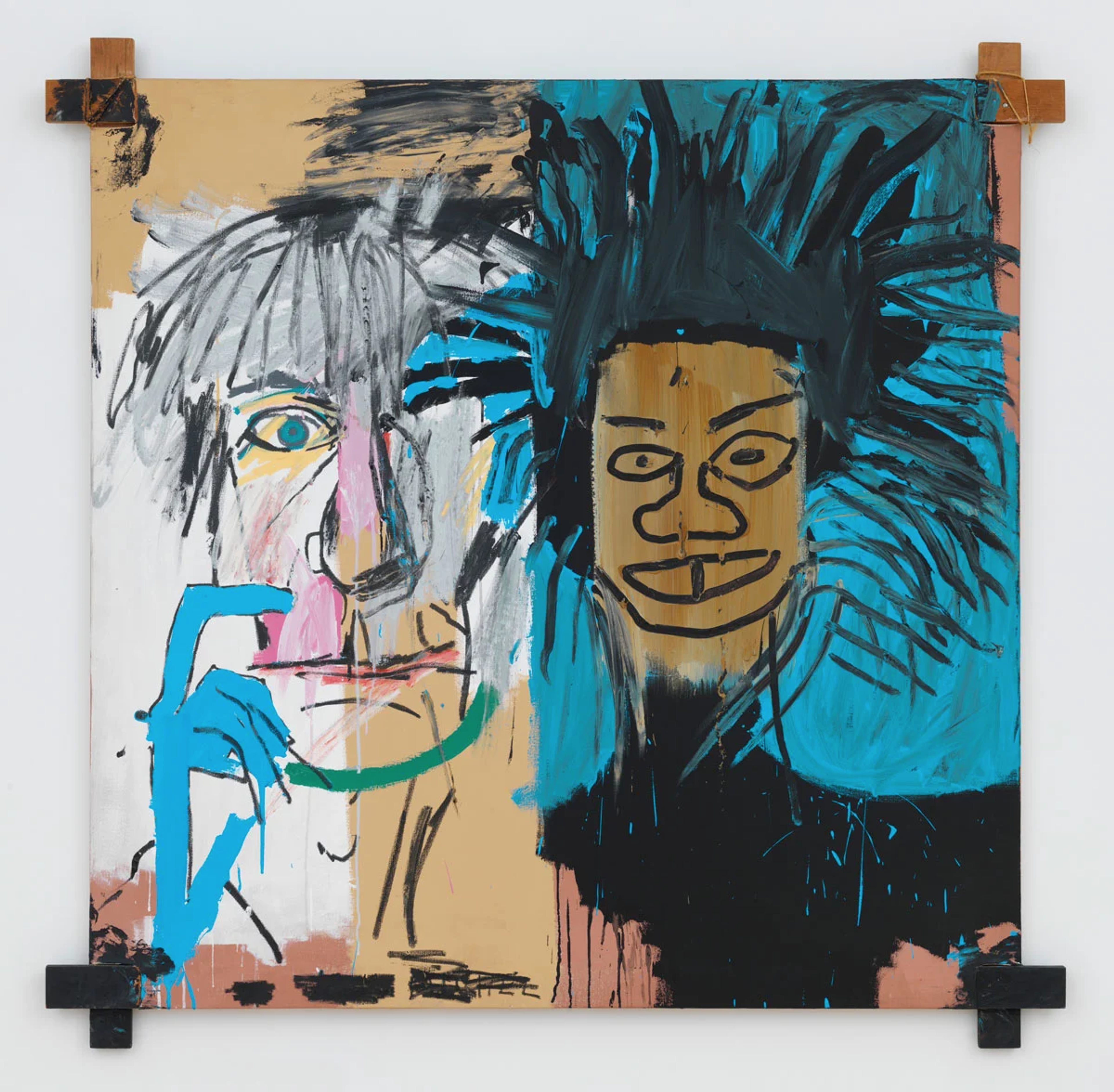
These collaborations typically featured:
- Warhol's screenprinted elements combined with Basquiat's expressive painting
- Corporate logos and consumer imagery critiqued through artistic intervention
- Contrasting techniques that highlighted each artist's unique approach
- Mutual influence that affected both artists' individual practices
Note
The relationship was complex, with some critics suggesting Warhol exploited Basquiat's talent and street credibility, while others saw it as a genuine artistic partnership that benefited both artists. This collaboration represents a unique moment where street art met established Pop Art traditions.
Death and immediate aftermath
Basquiat's life was cut tragically short when he died of a heroin overdose on August 12, 1988, at the age of 27. His death came at a time when his career was experiencing both tremendous success and increasing pressure from the art market and media attention.
Important
Understanding the Circumstances of Basquiat's Death
The circumstances of his death highlighted several critical issues:
- Drug addiction that had increasingly affected his life and work
- Art market pressures that may have contributed to his personal struggles
- Racial dynamics in the art world that positioned him as an exotic outsider
- The myth of the tortured artist that romanticised his struggles
These factors are essential for understanding both his work and his place in art history.
Legacy and continuing influence
Despite his brief career, Basquiat's influence on contemporary art has been enormous and continues to grow decades after his death.
Posthumous recognition
Following his death, Basquiat's reputation and market value increased dramatically:
- Major museum exhibitions worldwide have celebrated his work
- Record-breaking auction prices have made his paintings among the most valuable by any American artist
- Scholarly attention has produced numerous books and academic studies
- Popular culture presence including films, documentaries, and music references
Influence on contemporary artists
Basquiat's work continues to inspire new generations of artists, particularly:
- Street artists and graffiti writers who see him as bridging street and gallery art
- Artists of colour who find inspiration in his unapologetic exploration of racial identity
- Neo-expressionist painters who follow his example of emotional, figurative work
- Mixed-media artists who appreciate his innovative use of diverse materials and techniques
Cultural impact
Beyond the art world, Basquiat has become an icon of:
- Creative authenticity and artistic integrity
- Social justice through art and cultural commentary
- Cross-cultural dialogue about race, identity, and inequality
- The power of art to address serious social and political issues
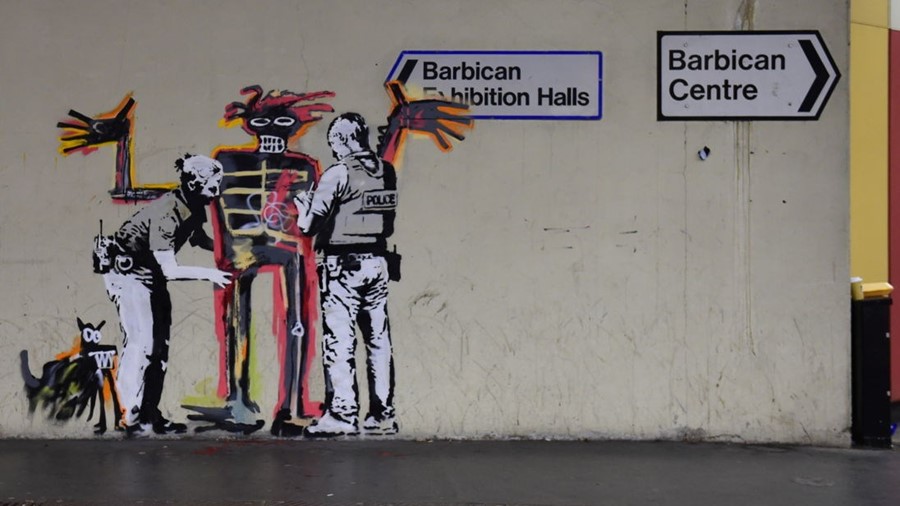
Modern street artists continue to create tributes to Basquiat, demonstrating his lasting influence on urban art culture and his status as an inspirational figure for artists working outside traditional art institutions.
Key characteristics for exam preparation
When analysing Basquiat's work for examinations, focus on these key elements:
Example
Analysing Visual Characteristics
When examining a Basquiat work, look for:
- Bold, expressive brushwork and gestural mark-making
- Integration of text and symbols within pictorial compositions
- Use of crown motifs as signature elements
- Raw, primitive aesthetic that rejected polished techniques
- Mixed media approach incorporating various materials
Example
Identifying Thematic Content
Key themes to recognise include:
- African-American identity and heritage
- Social commentary on racism and inequality
- Death and mortality themes
- Critique of art world commercialisation
- Celebration of Black cultural traditions
Note
Historical Context for Analysis
Always consider these contextual factors:
- 1980s New York art scene and economic boom
- Neo-Expressionist movement reaction against conceptual art
- Rise of street art and graffiti culture
- Civil rights era legacy and ongoing racial tensions
- Art market speculation and celebrity culture
Summary
Key Points to Remember
-
Jean-Michel Basquiat (1960-1988) was a pioneering Neo-Expressionist artist who rose from New York street art to international fame in just eight years
-
His signature crown motif symbolised power, divinity, and his aspirations for artistic recognition and respect in a predominantly white art world
-
SAMO© graffiti collaboration with Al Diaz established his reputation before he transitioned to gallery-based fine art practice
-
Major themes included African-American identity, social inequality, and mortality - often expressed through powerful skull imagery and cultural references
-
His legacy continues to influence contemporary artists particularly in street art, Neo-Expressionism, and socially engaged art practices, with his work achieving record auction prices and widespread cultural recognition