New Media Art (Leaving Cert Art): Revision Notes
📚Revision Notes
New Media Art
What is new media art?
New media art refers to artworks that are created using electronic and digital technologies. This broad category encompasses any artistic work that incorporates modern technological tools as its primary medium or method of creation.
Note
Definition: Any artwork created or generated using electronic media technology is considered new media art, including computer graphics, virtual art, digital art, computer animation, sound art, interactive art, video games, internet art, 3D printing, and cyborg art.
Key characteristics of new media art include:
- Use of computer-based technologies for creation or presentation
- Often interactive elements that engage the viewer
- Integration of science and performance aspects
- Focus on contemporary themes like identity, politics, and social issues
- Emphasis on technological innovation as part of the artistic process
Examples of new media art forms include:
- Computer graphics and digital imaging
- Virtual reality and augmented reality experiences
- Interactive installations that respond to viewers
- Video art and computer animation
- Internet art and web-based projects
- 3D printing and digital sculpture
- Sound art using electronic media
- Video games as artistic expression
Historical development
The origins of new media art can be traced back to 19th-century technologies such as early moving picture devices like the praxinoscope and phenakistiscope. These early optical toys laid the groundwork for later developments in kinetic art - artworks that incorporate movement.
Early pioneers (1900s-1960s)
Between the 1900s and 1960s, artists began experimenting with light-based technologies and moving images. The Futurist movement emerged as an early example of art embracing technology, with artists exploring film, lighting, and projection techniques.
A significant milestone was Robert Rauschenberg's work "Broadcast" (1959), recognised as one of the first examples of interactive art. This piece combined traditional painting with interactive radio elements.
1970s developments
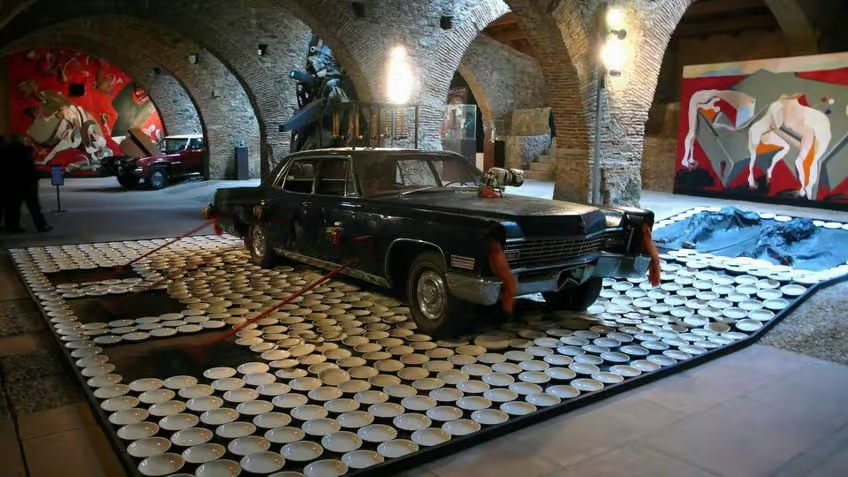
The 1970s saw major breakthroughs with artists like Wolf Vostell creating works such as "Automobile Rush" (1973), which challenged traditional art forms by incorporating industrial objects and technology.
During this period, video art began to flourish, with artists experimenting with television technology and electronic media. The emergence of computer graphics in the 1980s and real-time technologies in the 1990s further expanded possibilities for artistic expression.
Contemporary expansion
The rise of the Internet in the 1990s created unprecedented opportunities for new media artists to reach global audiences and collaborate across distances. This period marked a significant explosion in new media artworks and digital art practices.
Key themes in new media art
New media art addresses several recurring themes that reflect our contemporary relationship with technology:
Collaboration and interactivity
Many new media works emphasise collaboration between artists, technologists, and audiences. Computer art, appropriation, telepresence, and open source practices are common approaches.
Identity and representation
Artists explore questions of identity in the digital age, examining how technology shapes our sense of self and community.
Surveillance and control
Many works address concerns about surveillance, corporate control, and the impact of technology on privacy and freedom.
Non-linearity
Important
Non-linearity is a crucial concept in new media art. Unlike traditional linear narratives found in books or films, non-linear artworks allow for multiple pathways and audience interaction. This approach transforms the viewer from a passive observer into an active participant, fundamentally changing the art experience.
Databases as art
Creating visual representations of databases has become a significant subject within new media art. Artists like Martin Wattenberg and Lisa Strausfeld have pioneered this field, transforming data into aesthetic experiences.
Database aesthetics appeals to new media artists for two main reasons:
- Formal innovation - offering fresh approaches to storytelling
- Strategic disruption - challenging traditional forms of authority and control
This approach allows artists to make invisible information systems visible and interrogate how data shapes our understanding of the world.
Afrofuturism
Afrofuturism represents an important movement within new media art that deconstructs the African diaspora experience using science fiction, technology, and fantasy themes.
Sun Ra, considered a pioneer of Afrofuturism, believed that combining music with technology could help humanity overcome social problems. His band, the Sun Ra Arkestra, incorporated synthesisers and electronic instruments, making them among the first musicians to use such technology in performance.
Note
Afrofuturist aesthetics and themes have experienced a renaissance in the 21st century, supported by artists and educational institutions such as Black Space in Durham, North Carolina.
Feminism in new media art
Feminist perspectives play a significant role in new media art, with female artists investigating the relationship between science, technology, and gender.
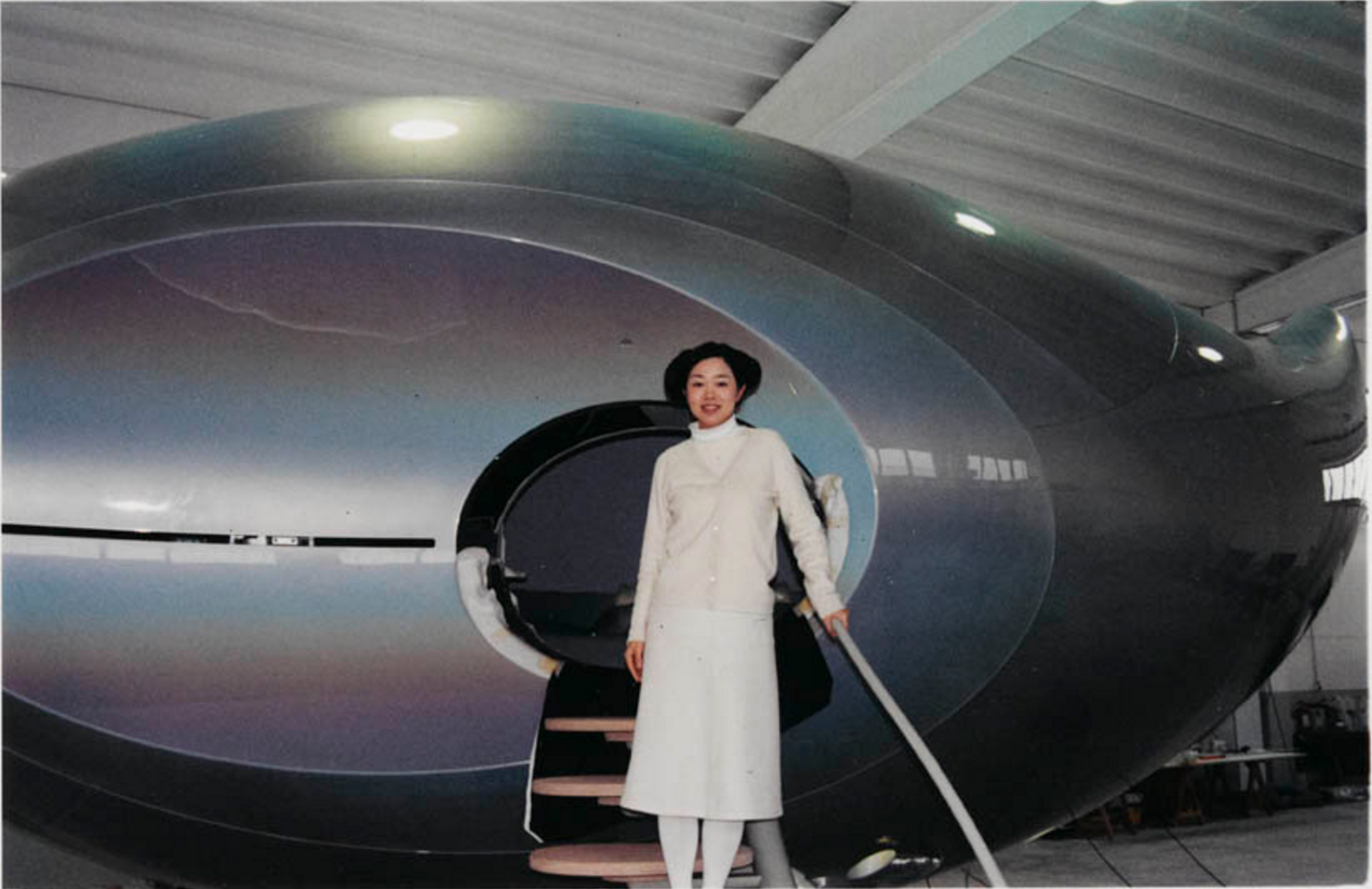
Mariko Mori's multimedia installation project "Wave UFO" (1999-2003) explored neuroscience and consciousness research. Her work emphasised the importance of making scientific professions more holistic and incorporating perspectives from humanities and philosophy.
Lynn Hersman Leeson, an American artist and filmmaker, addresses issues of technology, identity, and women's contributions to technology in her works. Her film "Conceiving Ada" (1999) follows a new media artist who develops a method to communicate with Ada Lovelace, the woman who wrote the first computer programme in the 1840s.
Preservation challenges
Important
Digital preservation presents unique challenges for new media art. As the technologies used to create and display these works become outdated, preserving artworks beyond their contemporary production period becomes increasingly difficult.
Unlike traditional media, digital files can be copied without information loss, but format obsolescence remains a constant threat to the longevity of digital artworks.
Current preservation methods include:
- Migration to newer digital formats
- Digital archiving of materials
- Emulation software to preserve works dependent on older systems
The challenge of archiving digital works became particularly pressing in the mid-1990s. Galleries and museums must adapt their practices to handle the unique requirements of collecting, documenting, and preserving new media artworks.
Education and new media
Students pursuing new media programmes learn to work with cutting-edge creative and communication technologies. Education focuses on:
- Understanding what makes various technologies "new"
- Developing technical skills in creating digital experiences
- Learning storytelling techniques for interactive media
- Gaining analytical and critical thinking abilities
- Understanding historical precedents and contemporary practices
Note
Students typically work across multiple mediums, creating projects that combine traditional art skills with technological innovation. This interdisciplinary approach is essential for understanding how technology can enhance artistic expression.
Notable new media artists
Vera Frenkel (1938 – Present)
Canadian multimedia artist who examines themes of forced exile, migration, and diaspora. Her works address global migration through performance, film, and interactive installation art.
Notable works:
- "Window View with Paths" (1972)
- "Untitled" (1994)
Frenkel creates works about global migration and explores the representation of history and memory, often addressing the misuse of political authority.
Jeffrey Shaw (1944 – Present)
Australian visual artist recognised for innovative applications of digital media technologies in interactive art, expanded cinema, and virtual reality.
Example
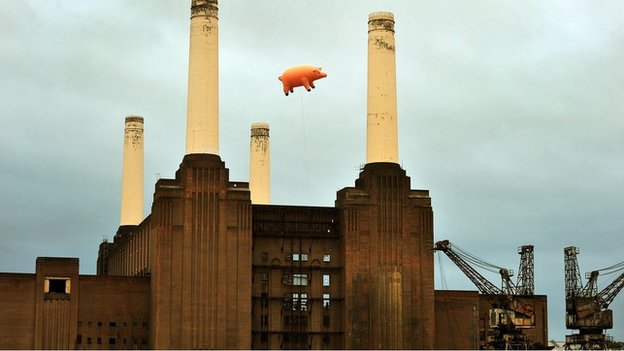
Notable Achievement: Pink Floyd Collaboration
Shaw co-created "Algie the inflatable pig" for Pink Floyd's "Animals" album, demonstrating how new media artists often work across different creative industries to push artistic boundaries.
Notable works:
- "Zooming Sydney" (2017)
- "Latent Embeddings" (2020)
Shaw has set standards for innovative digital media applications across multiple fields.
Maurice Benayoun (1957 – Present)
French avant-garde artist living in Hong Kong and Paris. His work incorporates computer graphics, video, Internet technology, and 3D printing.
Notable works:
- "Quarxs" (1991)
- "Tunnel under the Atlantic" (1995)
Benayoun's work examines how developing technology causes mutations in modern society. He earned the prestigious Aggregation d'Arts Plastiques degree in 1982, which led to university teaching opportunities.
Alexei Shulgin (1963 – Present)
Russian multimedia artist and web curator who founded the Immediate Photography Group in Helsinki and Moscow in 1988.
Notable works:
- "Form Art" (2007)
- "Screenshot of Alexei Shulgin" (2017)
After 1990, Shulgin shifted focus to Internet art, forming Moscow-WWW-Art-Lab with artists from Slovenia and London. He utilises code as art and has performed live worldwide with his software programmes.
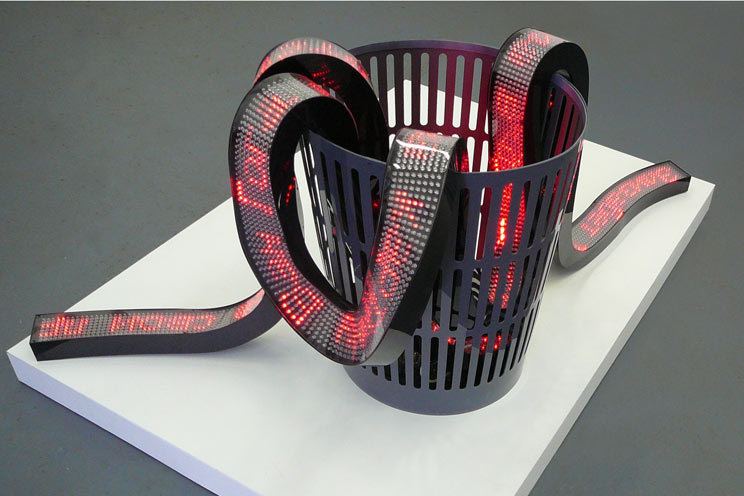
Petra Cortright (1986 – Present)
American multidisciplinary artist noted for participation in the "Net-Art" movement and as a "post-Internet artist".
Notable works:
- "ERNEST HEMINGWAY_exotic houseplants+FEMME NIKITA" (2019)
- "Panstwowyrządziadzoruubezpieczen.pl_PORTP BELLO_pretty women" (2021)
Cortright creates "domestic landscapes" using digital tools in innovative ways. Her work addresses the digital world through new approaches, often referencing female painters like Agnes Martin and Joan Mitchell.
Digital technology's impact
New media art demonstrates how digital technology is fundamentally reshaping artistic practices and our understanding of creativity. Artists increasingly push the boundaries of what is possible, with technology enabling the creation of sophisticated artworks that would be impossible using traditional methods alone.
Technology evolution continues to drive new artistic possibilities, from early computer graphics to contemporary virtual reality and artificial intelligence applications in art.
Summary
Key Points to Remember:
- New media art encompasses any artwork created using electronic or digital technology
- It has historical roots dating back to 19th-century moving picture technologies
- Key themes include collaboration, identity, surveillance, and non-linearity
- Preservation challenges are unique due to technology obsolescence
- Notable artists like Shaw, Benayoun, and Cortright continue pushing creative boundaries with emerging technologies
- The field represents a fundamental shift in how we understand and create art in the digital age