Key Skills (Leaving Cert Art): Revision Notes
📚Revision Notes
Creating
Creating is one of the most exciting and rewarding aspects of Visual Studies. It's where you get to express your ideas, experiment with materials, and develop your own unique artistic voice. This process involves much more than simply making art - it requires planning, research, experimentation, and reflexion.
Understanding the creative process
The creative process provides a structured approach to developing your artwork from initial concept to finished piece. Rather than jumping straight into making, following this process helps ensure your work is well-planned, meaningful, and technically accomplished.
Important
The creative process is not linear - you may find yourself moving back and forth between stages as your ideas develop. This flexibility is a strength, not a weakness!
The eight key stages
Think This is where everything begins. Take time to consider what interests you and what you want to explore through your art. Sometimes a simple observation or personal experience can spark an entire body of work. Allow your mind to wander and ask questions about the world around you.
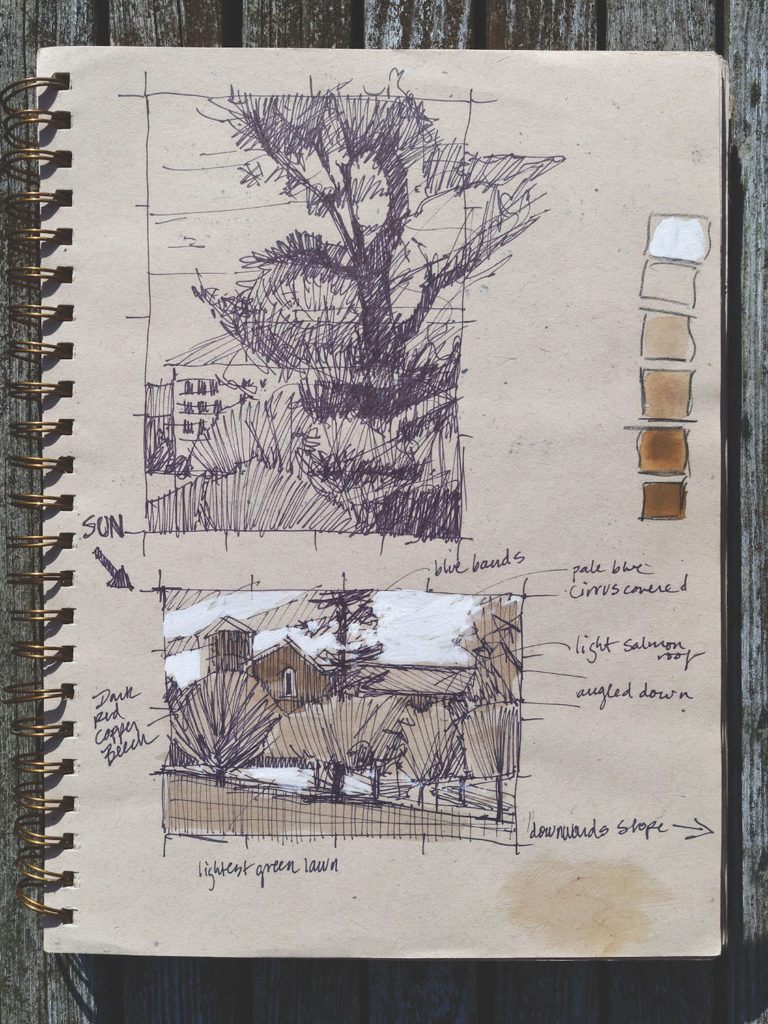
Explore Use primary sources to develop your observation and insight. This means working directly from real objects, environments, or experiences rather than relying solely on photographs. Sketch, take notes, and really engage with your subject matter. This hands-on exploration often leads to unexpected discoveries.
Note
Primary sources are direct, first-hand experiences and observations. They include drawing from life, studying real objects, or working in actual environments. This approach leads to more authentic and personal artwork than working from photographs or other secondary sources.
Media exploration and experimentation A sketchbook becomes your laboratory for testing materials and techniques. This is where you can take risks, make mistakes, and discover new possibilities. Try different combinations of media - you might be surprised by what works well together.
Develop Build upon your initial explorations by examining the work of other artists, both past and present. Study how they've approached similar themes or used particular techniques. Consider what artistic elements and design principles might enhance your own work, and begin developing your ideas further.
Refine Make thoughtful decisions about which directions show the most promise. Look critically at your exploratory work and identify the strongest elements. This stage requires honest self-evaluation - which pieces work best and why? What could be improved or developed further?
Realise Create your final artwork based on all your preparation and development. This is where your planning pays off, as you'll have a clear vision and the technical skills needed to execute your ideas effectively. Work from your sketches and studies, but remain open to new discoveries during the making process.
Curate Present your finished work thoughtfully, considering how it will be displayed and experienced by others. Think about the relationship between your artwork and its surroundings, and how presentation affects the viewer's understanding of your work.
Evaluate Reflect on your creative journey. What worked well? What would you do differently next time? This critical reflexion helps you grow as an artist and informs your future projects.
The create strand approach
The Create Strand emphasises the importance of working from direct experience and developing strong making skills. This approach encourages you to engage with the world around you rather than relying on second-hand sources.
Key focus areas
Working from primary sources Primary sources are your direct observations and experiences. This might include drawing from life, studying natural forms, or exploring your local environment. Working this way develops your observational skills and leads to more authentic, personal artwork.
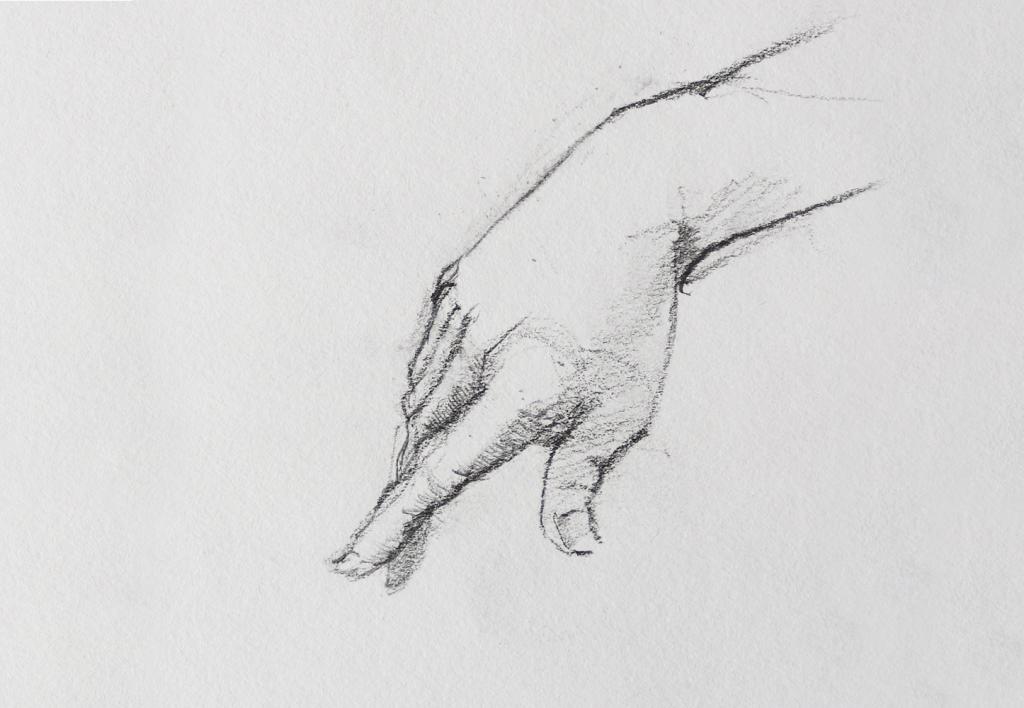
Applying appropriate skills and techniques As you develop as an artist, you'll build up a repertoire of skills and techniques. The key is learning when and how to apply these effectively. Consider what techniques best serve your artistic intentions rather than using them simply because you can.
Creating realised work Your final pieces should demonstrate not just technical skill, but also personal vision and understanding. They should feel complete and purposeful, showing clear evidence of your creative development process.
Contextual understanding Understanding how your work relates to art history and contemporary practice enriches your creative process. This doesn't mean copying other artists, but rather learning from their approaches and innovations.
Note
Contextual understanding involves researching and learning from other artists' work, but the goal is to inform your own creative decisions, not to imitate. Use this research to expand your visual vocabulary and technical possibilities.
Exploring different approaches to creating
Visual Studies embraces a wide range of artistic approaches and techniques. The diversity of possible methods means you can find approaches that suit your interests and strengths.
Observational drawing and studies
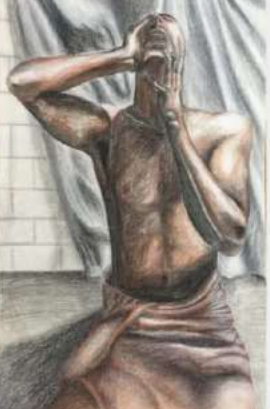
Drawing remains fundamental to visual studies, serving both as a way of seeing and as a means of recording ideas. Whether working in pencil, charcoal, or other drawing media, this direct engagement with your subject builds essential skills.
Mixed media experimentation
Combining different materials and techniques can lead to exciting discoveries. Contemporary artists often work across traditional boundaries, mixing painting, drawing, collage, and digital elements to create rich, layered works.
Expressive and experimental approaches
Sometimes the most powerful art emerges from taking risks and embracing uncertainty. Experimental approaches can lead to breakthrough moments where you discover new ways of working or seeing.
Contemporary and street art influences
Modern visual culture encompasses everything from traditional fine art to street art and digital media. Understanding these diverse influences can inform and enrich your own creative practice.
Learning from student examples
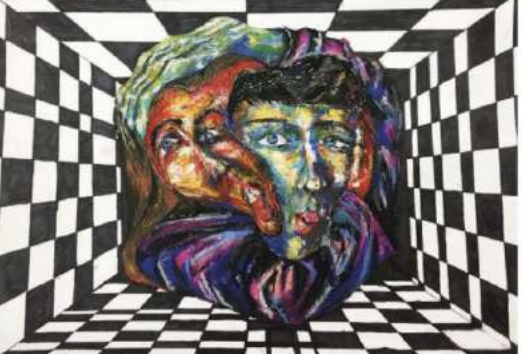
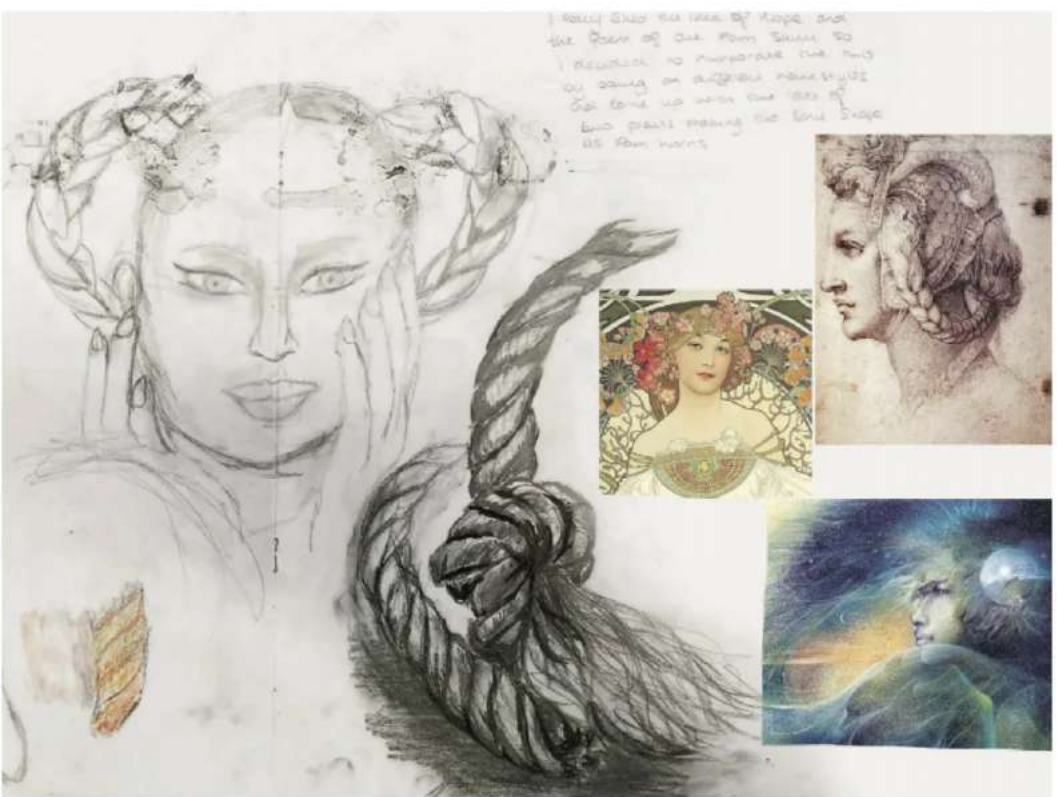
Examining how other students have approached their creative projects provides valuable insights into different working methods and outcomes. Each artist brings their own perspective and interests to their work, resulting in unique solutions to similar challenges.
Example
Student Approach Analysis:
When studying student work examples, consider:
- How did they develop their initial concept?
- What primary sources did they use?
- How did they experiment with materials and techniques?
- What makes their final piece successful?
Drawing inspiration from various sources
Successful student work often demonstrates the ability to draw inspiration from multiple sources - combining personal experience with research into art history, contemporary culture, and other relevant contexts.
Developing personal style and voice
While learning from others is important, developing your own artistic voice is equally crucial. This emerges through consistent practice, experimentation, and honest reflexion on what truly interests and motivates you as an artist.
Practical tips for successful creating
Keep an active sketchbook
Your sketchbook should be a constant companion, capturing ideas, observations, and experiments. Don't worry about making every page perfect - it's a working document that supports your creative development.
Note
Think of your sketchbook as a visual diary. Include not just drawings, but also written thoughts, material samples, colour studies, and even things you find interesting. This comprehensive approach will enrich your creative process.
Embrace the experimental mindset
Some of your best discoveries will come from happy accidents and unexpected results. Stay open to possibilities and don't be afraid to deviate from your original plan if something interesting emerges.
Document your process
Keep records of your creative journey through photographs, written reflections, and saved experimental pieces. This documentation becomes valuable for understanding your own development and for presenting your work to others.
Important
Documentation is not just about the final piece - photograph your work-in-progress, save "failed" experiments, and write brief notes about what you learned. This record of your creative journey is invaluable for assessment and personal growth.
Seek feedback and engage in dialogue
Share your work-in-progress with teachers, peers, and others. Fresh perspectives can help you see your work in new ways and identify areas for development.
Summary
Key Points to Remember:
- Follow the creative process systematically - each stage builds upon the previous one and contributes to stronger final outcomes
- Work from primary sources whenever possible - direct observation and experience lead to more authentic and personal artwork
- Experiment fearlessly in your sketchbook - this is where risks are worth taking and mistakes become learning opportunities
- Develop both technical skills and personal vision - successful creating requires both craft knowledge and individual expression
- Document and reflect on your creative journey - understanding your own process helps you grow as an artist and improves future projects