Climate Injustice (Leaving Cert CASD): Revision Notes
📚Revision Notes
Personal Behaviour & Collective Action
Understanding the two approaches to environmental action
When tackling environmental challenges like climate change, pollution, and biodiversity loss, we can take action at two main levels. Personal behaviours involve the individual lifestyle choices we make every day, such as recycling, changing our diet, or choosing how to travel. Collective and systemic actions, on the other hand, focus on policies, laws, and social movements that target the underlying causes of environmental problems.
Both approaches play important roles in addressing climate injustice, but they work in different ways and have varying levels of impact and accessibility.
Personal behaviours and individual action
What personal environmental actions look like
Individual environmental action takes many forms in our daily lives. People can focus on waste reduction through activities like recycling, reusing items, and composting organic materials. Dietary changes such as eating less meat and purchasing locally-produced food can significantly reduce environmental impact. Transport choices like walking, cycling, or using public transport instead of private cars help cut emissions.
Energy conservation at home involves simple actions like switching off lights and improving home insulation. Finally, consumer choices such as avoiding fast fashion and supporting ethical brands can influence market demand for sustainable products.
Impact and effectiveness of personal action
Personal environmental behaviours serve several important functions. They help individuals reduce their own carbon footprint - the total amount of greenhouse gases their lifestyle produces. These actions also raise awareness about environmental issues and can inspire others to make similar changes. When many people change their purchasing habits, this creates consumer demand for more sustainable products.
Note
However, personal actions have significant limitations. The overall environmental impact of individual behaviour change remains small when compared to large-scale systemic issues. For example, one person reducing their flights has minimal impact compared to the aviation industry's total global emissions.
The challenge of privilege and accessibility
A critical issue with relying on personal action is that not everyone has equal ability to make environmental choices. Wealth creates barriers - electric cars, solar panels, and organic food may be unaffordable for many people. Location matters too, as rural areas often lack public transport, environmentally-friendly shops, or recycling facilities.
Social position also affects environmental choices. People in insecure jobs or living in poverty may need to prioritise basic survival over sustainability concerns.
Important
This shows how climate injustice intersects with economic inequality, highlighting that environmental action is not equally accessible to all members of society.
Collective and systemic action
Types of collective environmental action
Collective action operates at much larger scales than individual behaviour. Government policies include measures like carbon taxes, investment in renewable energy, and bans on single-use plastics. International agreements such as the Paris Climate Accord and COP conferences bring countries together to coordinate global responses.
Corporate regulation involves holding fossil fuel companies and other major polluters accountable for their environmental impact. Social movements and activism, including groups like Fridays for Future and Extinction Rebellion, build public pressure for systemic change.
Why collective action has greater impact
Collective and systemic approaches tackle the root causes of environmental problems, including fossil fuel dependence, overproduction, and inequality. This type of action can lead to large-scale transformation - for instance, closing coal plants has a far bigger impact than individual cycling to work.
Note
Collective action also promotes fairness by ensuring that responsibility for environmental action doesn't fall only on individuals. It recognises that climate change is largely caused by systemic factors beyond personal control.
How individual and collective action work together
The role of individuals
Individuals play several important roles beyond just reducing their personal environmental impact. They can join campaigns, sign petitions, and vote for politicians who support environmental policies. People also act as role models in their communities, demonstrating that lifestyle changes are possible and worthwhile.
Why collective action is essential
Collective action is necessary for addressing systemic drivers of climate change like capitalism, extractivism, and wealth inequality. It ensures that industries and governments are held accountable for environmental damage rather than placing all responsibility on individual consumers.
The interdependence between approaches
Personal and collective action work best when they support each other. Personal environmental actions raise awareness and build public support for systemic change. Meanwhile, systemic change makes sustainable behaviours easier and more accessible for everyone by improving infrastructure and reducing costs.
Case study: reducing plastic waste
Example
Case Study: Reducing Plastic Waste
Personal approaches to plastic reduction
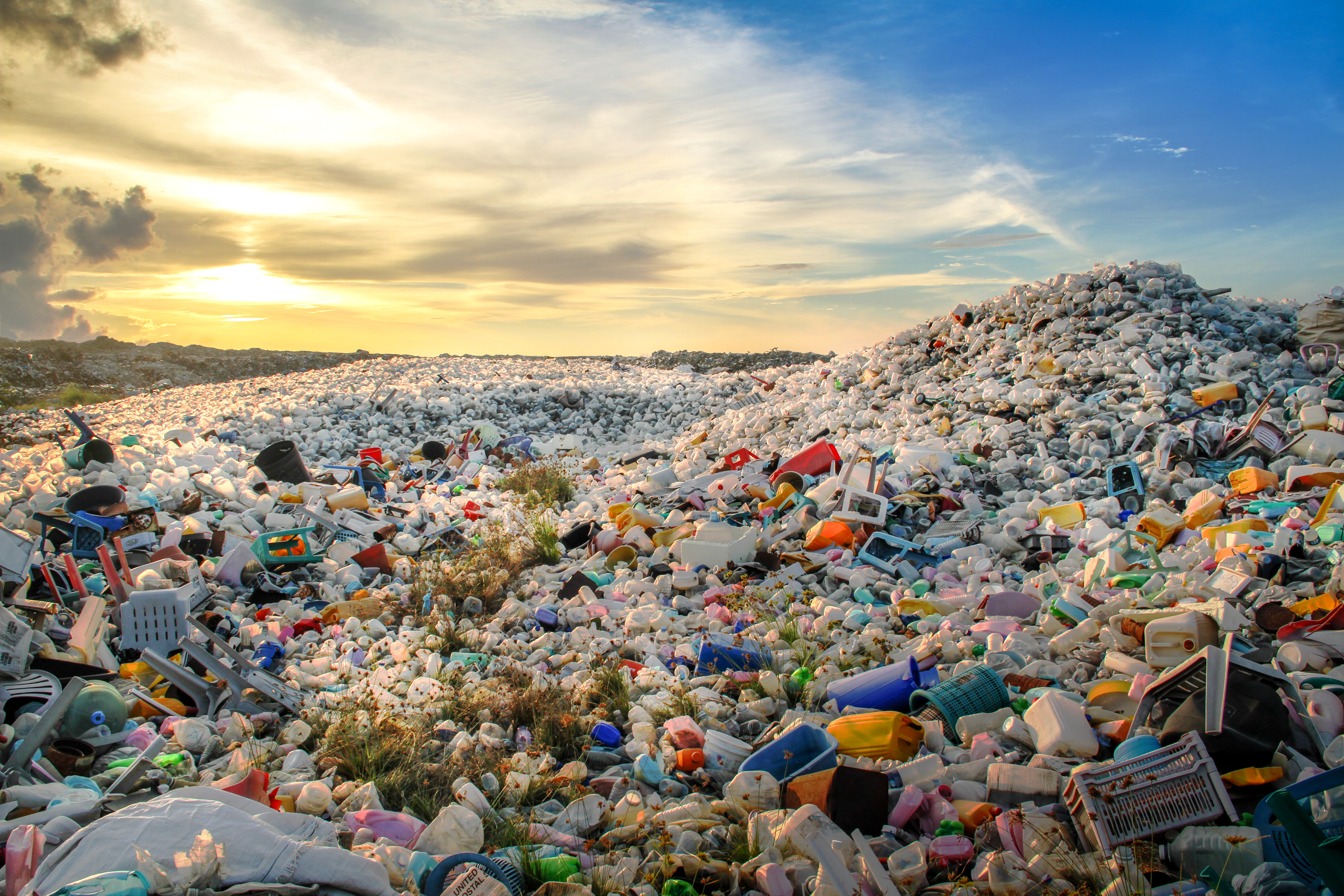
Many individuals have attempted to reduce their plastic use by carrying reusable bags, bottles, and coffee cups, and by avoiding single-use plastics such as straws and cutlery. These personal efforts help reduce local litter and raise awareness about the plastic pollution problem.
However, individual action alone cannot solve the global plastic crisis. Only a small percentage of plastic actually gets recycled, and most plastic waste comes from large-scale producers rather than individual consumers.
Collective and systemic responses
Governments have taken more comprehensive action through policies like plastic bag bans in countries including Kenya, the EU, and India. Corporate responsibility campaigns have pressured multinational corporations such as Coca-Cola and Nestlé to reduce plastic packaging.
At the international level, the UN began negotiations in 2022 for a legally binding Global Plastics Treaty to address plastic pollution worldwide. These systemic approaches have achieved significant results - cutting millions of tonnes of plastic waste and shifting responsibility from consumers to producers.
Understanding the key difference
The plastic waste case study clearly illustrates the contrast between approaches. Personal action creates awareness and achieves small-scale reduction, whilst systemic action tackles root causes including mass production, corporate practices, and lack of recycling infrastructure. International cooperation recognises that plastics represent a global problem requiring collective solutions.
Summary
Key Points to Remember:
-
Personal behaviours are important but have limitations - individual actions help raise awareness and reduce personal impact, but cannot solve systemic environmental problems alone
-
Collective and systemic change is essential - addressing root causes of climate injustice requires policies, regulations, and structural transformation
-
Not everyone has equal access to environmental choices due to wealth, location, and social circumstances
-
The most effective approach combines both levels - individual responsibility alongside structural transformation
-
Use concrete examples in exams, showing how privilege affects environmental action and emphasising that systemic change has greater impact whilst personal action remains valuable for awareness and cultural change