Climate Action Investigation (Leaving Cert CASD): Revision Notes
📚Revision Notes
Climate Action Investigation
Understanding the investigation process
When examining environmental initiatives in your local area, you're essentially conducting research to determine how successful these projects have been. Schools and communities serve as excellent locations for sustainability projects, making them perfect subjects for study and evaluation.
Important
The core of any climate action investigation revolves around answering four fundamental questions:
-
What specific action was implemented?
-
What were the intended goals?
-
How much positive change did it actually create?
-
What aspects could be enhanced going forwards?
Understanding the investigation process is crucial for conducting meaningful research into local environmental initiatives. This systematic approach ensures you gather comprehensive evidence and make balanced assessments.
Types of local environmental initiatives
Energy conservation projects
Many schools focus on reducing their power consumption through various means. This might involve switching to LED lighting systems, improving building insulation, or installing solar panel arrays. The primary aim is typically to lower the school's carbon footprint while also reducing operational costs.
Waste reduction programmes
These initiatives often centre around recycling schemes, composting projects, or campaigns to eliminate single-use plastics. The goal is usually to decrease the amount of waste sent to landfills while raising environmental awareness among participants.
Educational gardens and growing spaces
Schools may create vegetable gardens or small allotments where students can grow food locally alongside staff members. These projects aim to enhance sustainability understanding, provide educational opportunities about biodiversity, and supply fresh produce for school meals.
Sustainable transport schemes
Many institutions promote alternatives to car travel through "Walk to School" weeks, cycling programmes, or carpooling arrangements. The objectives typically include reducing emissions while encouraging healthier lifestyle choices.
Community climate campaigns
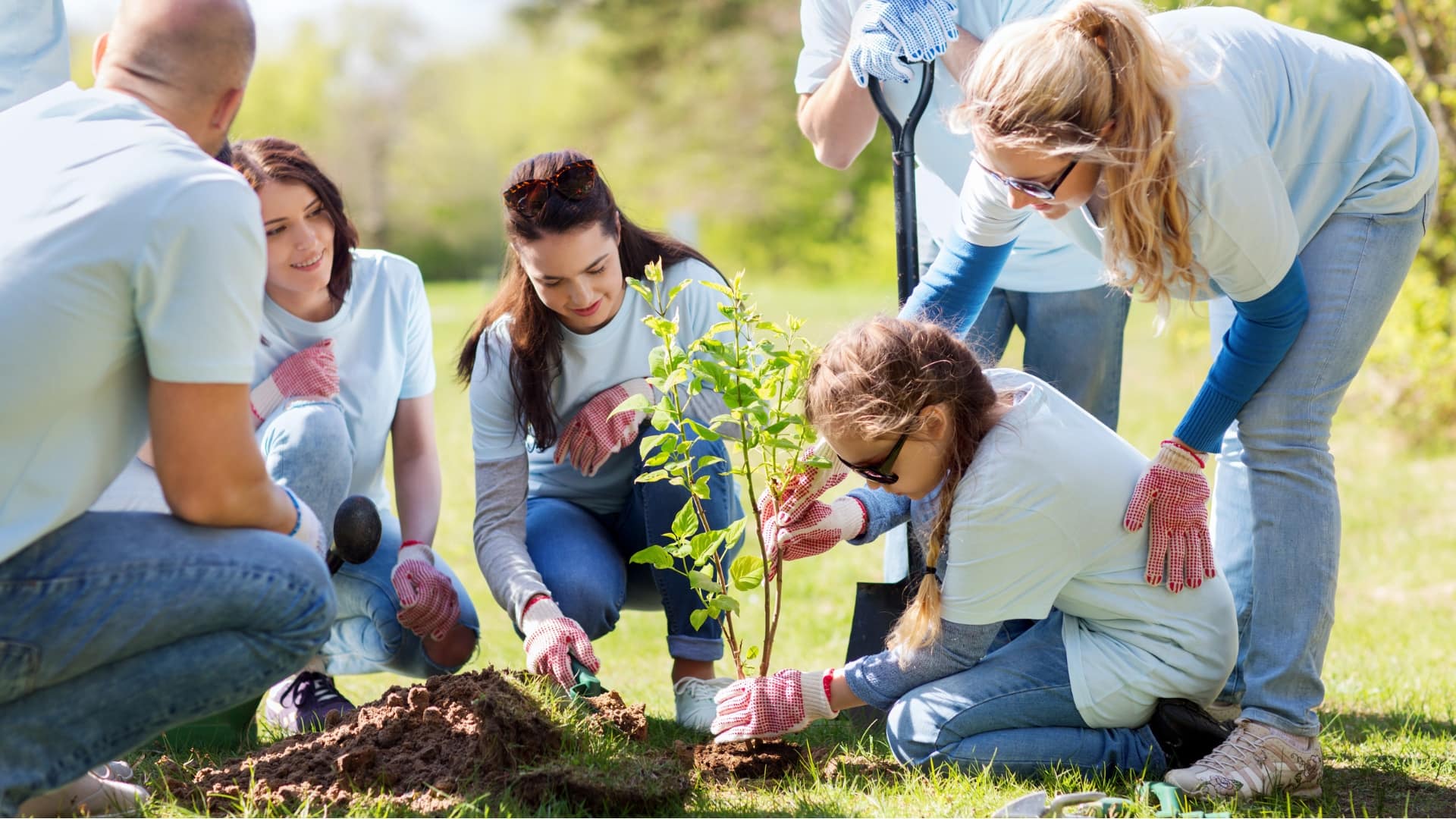
These broader initiatives might involve student-led climate protests, litter collection events, or tree-planting activities. Their purpose is generally to increase public awareness, protect local ecosystems, and influence community behaviour.
Note
When selecting initiatives to investigate, consider projects that have been running long enough to show measurable results but are recent enough that evidence sources are still accessible.
Gathering evidence for your investigation
A thorough assessment requires multiple types of evidence to ensure your findings are balanced and trustworthy. You should collect information from various sources rather than relying on just one perspective.
Important
Using diverse evidence sources is essential for credible investigation. Single-source research leads to biassed conclusions and unreliable findings.
Media coverage provides valuable insights through local newspaper reports or school newsletter articles that document the initiative both before and after implementation. These sources often capture the official narrative and community reception.
Digital engagement can be assessed through social media platforms where organisations share updates, photographs, and campaigns. The level of public engagement, support, or criticism visible in posts and comments reveals community attitudes.
Personal accounts from those directly involved offer crucial perspectives. Conducting interviews with teachers, students, local residents, or project organisers provides firsthand experiences and detailed insights.
Direct observation involves visiting the actual location to witness outcomes personally. This might mean examining the school garden, observing solar panels in operation, or checking recycling facilities to assess their current state.
Historical comparison helps establish context by comparing the current initiative with previous similar projects, whether they were successful or unsuccessful, to understand what factors contribute to effectiveness.
Framework for assessing effectiveness
When evaluating any climate action, you need to examine five key dimensions:
Participation levels reveal how many people actively engaged with the initiative and whether the broader school or community supported it. High participation often indicates good planning and community buy-in.
Measurable impact focuses on concrete, quantifiable results such as energy savings, waste reduction, or increased biodiversity. These tangible outcomes demonstrate whether the project achieved its stated objectives.
Awareness changes examine whether the initiative successfully altered people's attitudes or behaviours regarding environmental issues. This often requires surveys or interviews to assess learning and mindset shifts.
Sustainability considers whether the project continues operating or was merely a temporary effort. Ongoing initiatives suggest better planning and long-term viability.
Scalability evaluates whether the action could be replicated elsewhere or expanded in scope, indicating its potential for broader environmental impact.
Note
This five-dimensional framework ensures comprehensive evaluation by examining both quantitative results and qualitative changes in community engagement and awareness.
Case study: School garden project
Project background
In 2021, a secondary school in County Galway launched an educational garden initiative with three clear objectives: reducing the school's environmental impact through local food production, enhancing student understanding of sustainability and biodiversity, and providing fresh produce for the school canteen.
Example
Worked Example: Evidence Collection Process
Step 1: Media Analysis
-
Local newspaper coverage in the Connacht Tribune described the garden launch as "a model for sustainable learning"
-
School newsletters documented planning stages and initial implementation
Step 2: Digital Engagement Assessment
-
School's Green Schools Committee regularly posted progress updates on Instagram
-
High engagement from students and parents demonstrated community support
Step 3: Personal Account Gathering
-
Teacher interviews: "Students really enjoy the hands-on learning, and it connects science lessons to real life"
-
Student feedback: "I now understand how food production affects climate change and why local food is important"
Step 4: Direct Observation
-
Measured harvested produce quantities
-
Recorded increased wildlife observations, particularly more pollinators like bees and butterflies
Step 5: Historical Comparison
-
Previous composting system had failed due to lack of student engagement
-
Garden succeeded partly because it was more visible and directly connected to learning activities
Effectiveness assessment
The project demonstrated strong success across multiple criteria:
Participation: Over 150 students engaged in gardening activities across different year groups, showing broad involvement.
Impact: By year's end, the garden produced 120 kilogrammes of vegetables including lettuce, carrots, and potatoes, reducing the school's need for imported produce.
Awareness: Surveys revealed that 70% of participating students gained new knowledge about food sustainability and climate change connections.
Sustainability: The garden continues operating with a rotation system allowing different classes to maintain it throughout the year.
Scalability: The school now considers expanding into a small orchard, suggesting potential for growth.
Successes and limitations
The project achieved several notable successes: increased student knowledge and enthusiasm for sustainability topics, enhanced biodiversity on school grounds, and tangible reduction in food miles through local production replacing imported items.
However, certain limitations emerged: seasonal dependence meant winter months produced minimal food, some students showed less engagement and preferred indoor activities, and the garden required ongoing funding for tools and seeds that strained the school budget.
Important
Critical Learning Point: Even successful initiatives have limitations. Acknowledging these limitations doesn't diminish success but helps identify areas for improvement and realistic expectations for similar projects.
Overall conclusion
The school garden project proved effective in reducing environmental impact on a small scale while successfully raising student awareness. Although direct emission reductions were limited, the long-term educational value and behaviour change potential make it a successful model for school-based climate action.
Assessment guidance
When writing about climate action investigations in exams, always include four essential elements: describe the specific action taken, identify at least 2-3 types of evidence sources used, evaluate both successes and limitations of the effectiveness, and suggest potential improvements for future implementation.
Important
Exam Success Strategy:
-
Climate action investigations require multiple types of evidence to be credible and balanced
-
Effectiveness must be measured through both quantifiable results and social impact like awareness changes
-
Always structure answers by clearly identifying the action, using at least two evidence types, discussing both successes and limitations, and suggesting improvements
Remember that judging the effectiveness of climate or sustainability actions requires examining both measurable results (such as waste reduced or emissions decreased) and social impact (including awareness raising and behaviour change). Using multiple evidence sources ensures your investigation remains balanced and credible.
Summary
Key Points to Remember:
-
Climate action investigations require multiple types of evidence to be credible and balanced
-
Effectiveness must be measured through both quantifiable results and social impact like awareness changes
-
Schools and communities provide excellent case studies because their initiatives are visible and measurable
-
The five key assessment criteria are participation, impact, awareness, sustainability, and scalability
-
Always consider both successes and limitations when evaluating any environmental initiative