Government Intervention in the Market (Leaving Cert Economics): Revision Notes
📚Revision Notes
Government Intervention in the Market
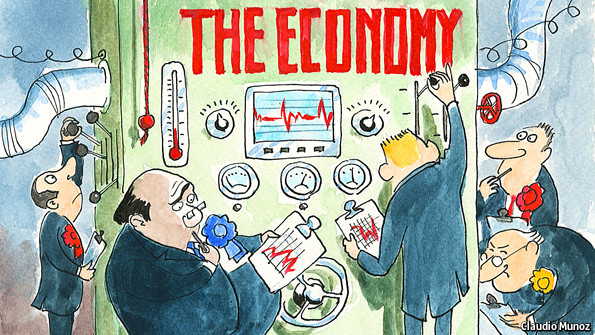
The role of government in a mixed economy
Modern economies operate as mixed economies, which means they combine the free market forces of demand and supply with strategic government intervention. The government steps in when markets fail to deliver optimal outcomes for society, helping to reduce inequality and maintain long-term economic stability.
Economic roles of government
The government plays four crucial economic roles in Ireland's mixed economy:
1. Provider of public goods
Public goods are special types of goods that have two key characteristics: they are non-rival (one person's use doesn't reduce availability for others) and non-excludable (it's impossible to prevent people from using them). Examples include street lighting, national defence, and public parks.
Important
Private firms would not provide public goods because they cannot charge individual users effectively. The government fills this gap by funding public goods through taxation, ensuring everyone benefits from essential services.
2. Redistribution of income
The government works to reduce income inequality through various policies. It uses progressive taxation systems and welfare payments to transfer resources from higher-income to lower-income groups. In Ireland, examples include Jobseeker's Allowance and Child Benefit payments.
This redistribution helps create a more equitable society and provides a safety net for vulnerable groups.
3. Regulator of markets
Government regulation ensures markets operate fairly and competitively. Regulatory bodies monitor business practices, prevent abuse of market power, and protect consumer interests. The Competition and Consumer Protection Commission (CCPC) exemplifies this role by investigating anti-competitive practices and misleading advertising.
4. Stabiliser of the economy
Governments use fiscal policy (taxation and government spending) and coordinate with monetary policy (managed by the European Central Bank for Ireland) to control inflation, reduce unemployment, and promote economic growth. During economic downturns, governments can increase spending or cut taxes to stimulate demand.
Methods of government intervention
Taxation
Taxation serves dual purposes: raising government revenue and influencing economic behaviour.
Indirect taxes like VAT and excise duties directly affect market prices and consumer demand. When the government imposes these taxes, supply curves shift leftward, leading to higher prices and lower quantities consumed.
Note
Pigovian taxes specifically target activities that create negative externalities (harmful side effects). These taxes make polluting or harmful activities more expensive, encouraging people to choose alternatives.
Example
Irish Case Study: Sugar Tax (2018)
The government introduced a sugar tax to reduce consumption of sugary drinks and combat rising obesity rates.
Impact:
- Increased prices of high-sugar beverages
- Led to reduced consumption
- Encouraged manufacturers to reformulate products with less sugar
- Demonstrated how taxation can influence consumer behaviour and public health
Example
Irish Case Study: Carbon Tax (increased 2023)
Ireland increased carbon tax rates to make fossil fuels more expensive and encourage environmental responsibility.
Results:
- Higher costs for fossil fuel use
- Encourages businesses and consumers to switch to renewable energy
- Reduces greenhouse gas emissions
- Generates revenue for climate action initiatives
Subsidies
Subsidies are government payments to producers or consumers that encourage desirable economic activities. They effectively shift supply curves rightward, leading to lower prices and higher quantities.
Examples include:
- Grants for solar panels or electric cars, promoting renewable energy adoption
- Farming subsidies under the Common Agricultural Policy (CAP), supporting rural communities and food security
Price controls
Maximum prices (price ceilings) set upper limits on what can be charged for goods or services. While they keep products affordable, they can create shortages when the ceiling is below the market equilibrium price.
Example
Irish Example: Rent Pressure Zones
Government-designated areas where annual rent increases are limited to help maintain housing affordability.
Outcomes:
- Helps protect tenants from excessive rent increases
- Maintains affordability in high-demand areas
- However, has led to reduced rental supply in some areas
- Demonstrates the trade-offs involved in price controls
Minimum prices (price floors) ensure producers receive adequate compensation but can create surpluses when set above market equilibrium.
Example
Irish Example: Minimum Unit Pricing on Alcohol (2022)
Ireland introduced minimum unit pricing to set a floor price per unit of alcohol.

Purpose and Impact:
- Targets harmful consumption patterns
- Ensures alcohol cannot be sold below a certain price threshold
- Aims to reduce alcohol-related health issues
- Particularly affects cheap, high-strength alcoholic products
Direct provision
When markets completely fail to provide essential goods or services, the government steps in to supply them directly. This ensures universal access to crucial services regardless of ability to pay.
Examples include public hospitals, social housing, and state education systems.
Legislation
Government laws create the framework within which markets operate. Legislation ensures fair trading practices and protects consumers from exploitation.
Examples include bans on plastic straws and EU rules limiting single-use plastics, demonstrating how legislation can drive environmental improvements.
Regulation in the Irish economy
Key regulatory bodies
Ireland has several specialised agencies that monitor different sectors:
CCPC (Competition and Consumer Protection Commission) monitors anti-competitive practices, investigates mergers that might reduce competition, and tackles misleading advertising. It ensures markets remain competitive and consumers are protected from unfair practices.
ComReg regulates telecommunications and broadband services, ensuring fair pricing and quality standards while promoting competition among service providers.
Central Bank of Ireland supervises financial institutions, maintaining stability in the banking sector and protecting consumers' deposits and investments.
Environmental Protection Agency (EPA) regulates environmental standards, monitoring air and water quality while ensuring businesses comply with environmental laws.
Effectiveness of regulation
Note
Strengths of regulation:
- Protects consumers from scams, unfair pricing, and dangerous products
- Ensures financial stability, particularly important after the 2008 banking crisis when stricter oversight was implemented
- Promotes fair competition by preventing monopolies and market abuse
- Protects the environment through emissions controls and waste management rules
Note
Weaknesses of regulation:
- Over-regulation can increase business costs and reduce competitiveness, potentially deterring investment
- Enforcement can be slow and expensive, meaning violations sometimes persist before action is taken
- Companies sometimes exploit loopholes, such as tech firms shifting profits abroad to avoid regulation in their main markets
Example
Irish Case Study: Banking Regulation After 2008
Following the financial crisis, Ireland implemented comprehensive banking reforms.
Changes implemented:
- Stricter rules on capital requirements
- Enhanced lending practices oversight
- Improved risk management protocols
Results:
- Stabilised the financial sector
- Restored confidence in Irish banking
- However, initially restricted lending during economic recovery
- Demonstrates the balance between stability and economic growth
Example
Irish Case Study: Telecom Regulation by ComReg
ComReg's regulation of Ireland's telecommunications sector shows mixed results.
Achievements:
- Successfully expanded broadband access across Ireland
- Promoted competition among service providers
- Improved consumer protection measures
Ongoing challenges:
- Rural areas still lag behind EU standards
- Connectivity speeds remain below some European countries
- Shows the complexity of balancing investment incentives with consumer protection
Why intervention is needed
Government intervention addresses several key economic challenges:
Market failures occur when free markets don't allocate resources efficiently. This includes situations involving externalities (like pollution), public goods (like lighthouses), and information gaps (like complex financial products).
Important
Fair distribution of resources ensures everyone has access to basic necessities. Pure market outcomes can create extreme inequality, which undermines social cohesion and economic stability.
Economic stabilisation during crises prevents severe recessions. Ireland's COVID-19 wage subsidy schemes exemplify how government intervention can maintain employment and business continuity during external shocks.
Consumer and environmental protection safeguards long-term welfare. Markets often prioritise short-term profits over sustainability or consumer safety, requiring government oversight.
Summary
Key Points to Remember:
- Government intervention combines market forces with targeted policies to improve economic outcomes
- The main tools include taxation, subsidies, price controls, direct provision, and legislation
- Regulation ensures fairness and stability but can create additional costs for businesses
- Irish examples like carbon taxes, rent controls, and regulatory bodies (CCPC, EPA) demonstrate both the strengths and challenges of intervention
- Effective intervention balances economic efficiency with social equity and environmental sustainability
Summary
Exam Strategy Tips:
- Always define key terms clearly (market failure, regulation, subsidies, taxation)
- Link to Irish examples throughout your answers: sugar tax, carbon tax, rent controls, CCPC, EPA
- In evaluation questions, show both benefits and drawbacks:
- Benefits might include consumer protection and reduced pollution
- Drawbacks could include higher prices and administrative burdens
- Use diagrams where appropriate:
- Tax diagrams show supply curves shifting left, resulting in higher prices and lower quantities
- Subsidy diagrams show supply curves shifting right, creating lower prices and higher quantities
- Examiners reward real policy references like Budget 2023 measures and EU environmental policies