Descriptive Essay (Leaving Cert English): Revision Notes
📚Revision Notes
Descriptive Essay
Note
Always jot down a quick plan before writing your essay. This will help you maintain a clear focus throughout, which can enhance your marks for both point and clarity.
Key Techniques:
- Adjectives: Create vivid images.
- Verbs: Show action and movement.
- Rule of Three: Group ideas or descriptions in threes.
- Similes: Use comparisons with "like" or "as."
- Metaphors: Direct comparisons without "like" or "as."
- Personification: Give human qualities to non-human things.
- Imagery: Use evocative and provocative language.
- Sound Effects: Use onomatopoeia to create auditory imagery.
Note
Remember: Show don't Tell!
Sensory Experience:
- Sights
- Imagery, Metaphor
- Sounds
- Onomatopoeia, Alliteration, Sibilance
- Smells
- Simile, Metaphor, Adjectives
- Tastes
- Simile, Metaphor, Adjectives
- Touch
- Personification, Anthropomorphisation, Adjectives
Structure of a Descriptive Essay:
Note
Descriptive Essay vs. Short Story? Descriptive essays focus on vividly describing a scene, person, or event, while a short story involves a narrative with characters, a plot, and a sequence of events. They share many characteristics of descriptive writing, which makes them a good pair to prepare together.
Introduction:
- Engaging Opening:
- Start with an observation, question, or anecdote.
- Example: "When I was young, I used to wonder: Does the moon ever get to rest?"
- Broader Implications:
- Comment on the significance of your opening statement. This should suggest a basic outline of what your descriptive essay will be about.
- Example: "Travelling was commonplace for me as a child. Where my father saw a means to pay the bills, I saw a blur of strange faces in different places. My one constant was the Moon. And even still, it managed to have a different mood in each new place I went to."

Body:
- Detailed Analysis: Delve into the broader implications of your introduction.
- Sensory Descriptions: Use vivid and varied descriptions to appeal to all five senses.
- Concrete Examples: Provide specific examples to support your descriptions. Example:
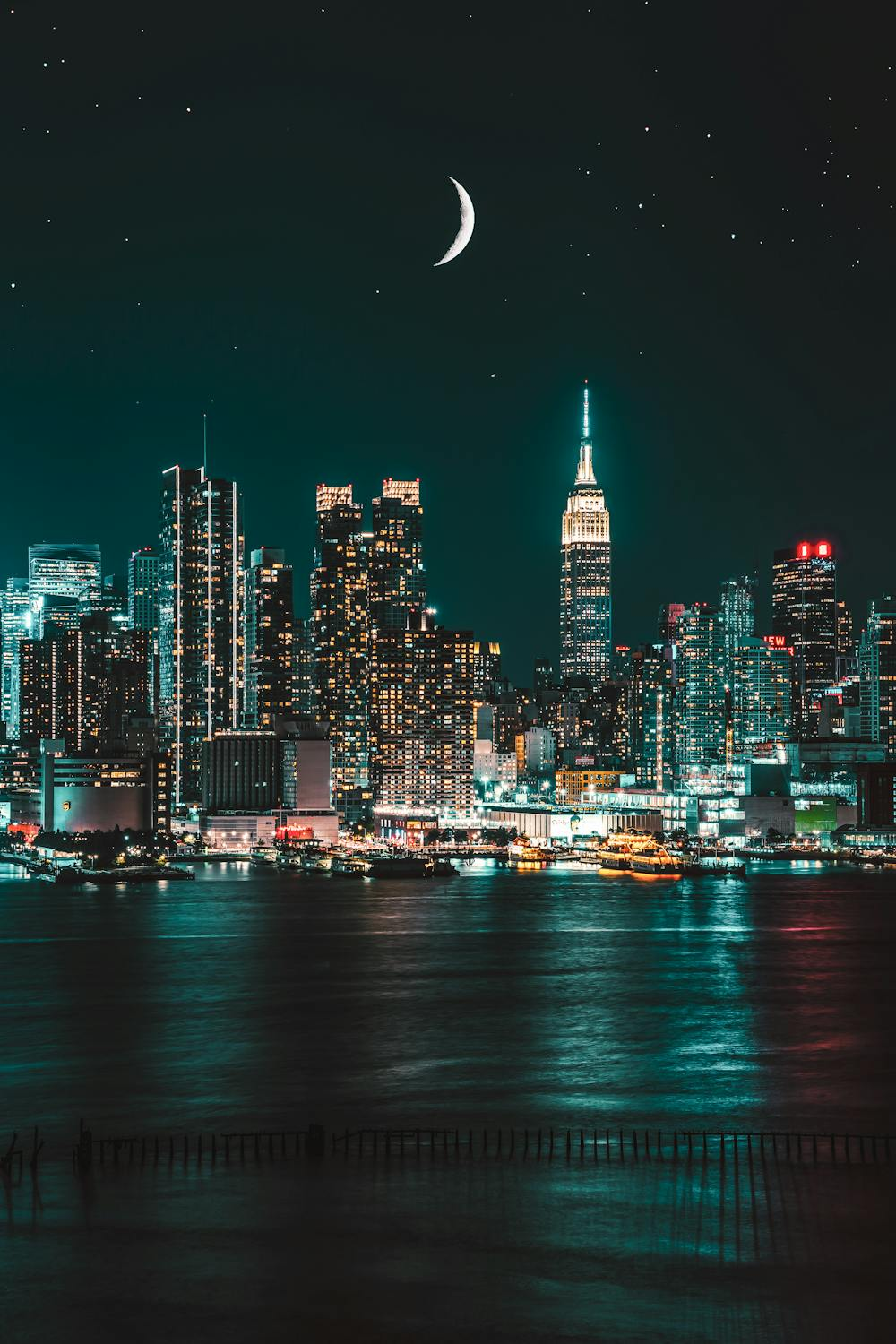
"The neon lights reflect off the wet pavements, creating a dazzling display of colours. Tokyo's blinding brightness washed out the humble, steady glow of the moon."
Conclusion:
- Powerful Closing:
- End with a concise, impactful sentence that ties back to your opening.
- Example: "The moon doesn't get to rest. But after many years of labour, my father and I finally did."
Additional Tips:
- Authenticity: Let your unique perspective and personality shine through.
- Varied Sentence Structure: Use a mix of simple and complex sentences.
- Precision and Clarity: Avoid vague descriptions; be specific to create vivid imagery.
Ideas for Descriptive Essays:
- Night Scene
- Morning Scene
- Urban Scene
- Rural Scene
- Seasons (Spring/Summer/Autumn/Winter)
- People