A Complete Guide to 'Sive' (Leaving Cert English): Revision Notes
📚Revision Notes
A Complete Guide to 'Sive'
Overview
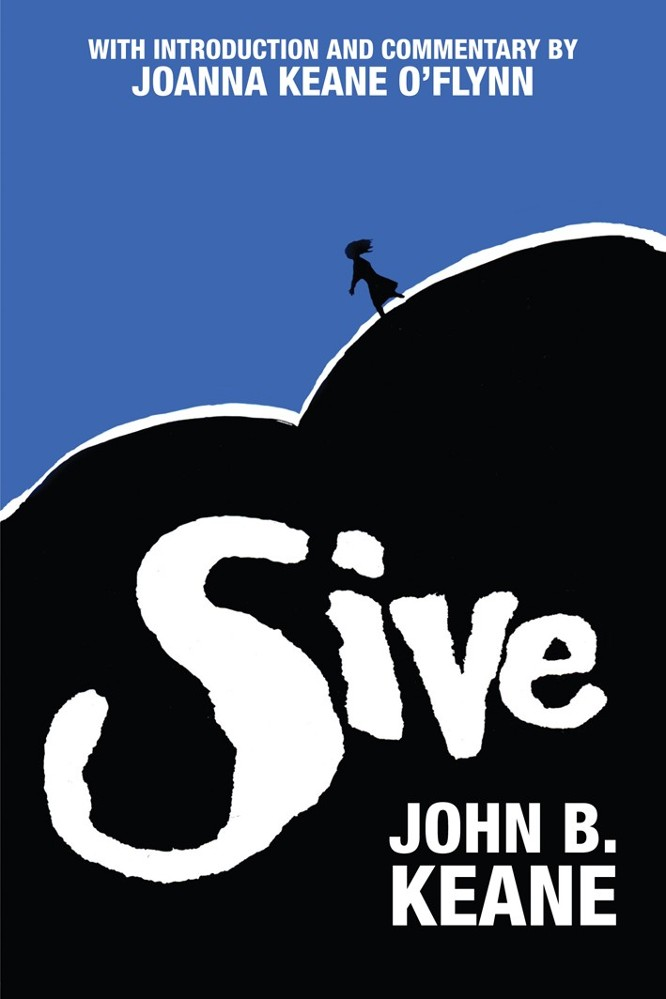
Sive is a powerful drama by John B. Keane, set in the rural Ireland of the 1950s. The play explores themes such as greed, the oppression of women, and the consequences of poverty. It presents a bleak view of a society where personal desires are often sacrificed for material gain. Central to the story is Sive, a young girl whose fate is manipulated by her family and a matchmaker, leading to tragic consequences.
Plot Summary
The play opens in a remote, impoverished farmhouse where constant tension exists between Nanna, an elderly widow, and her daughter-in-law, Mena. The plot revolves around the plan to marry off Sive, an illegitimate 18-year-old girl, to Sean Dota, a wealthy but elderly farmer. The match is orchestrated by the greedy Thomasheen Seán Rua, a local matchmaker, and is driven by Mena's desire for financial gain. Sive is in love with Liam Scuab, a local young man, but is powerless to resist the marriage arranged by her aunt and Thomasheen. As the wedding day approaches, Sive becomes increasingly isolated, leading to her tragic suicide.
Key Moments
1. Opening Scene
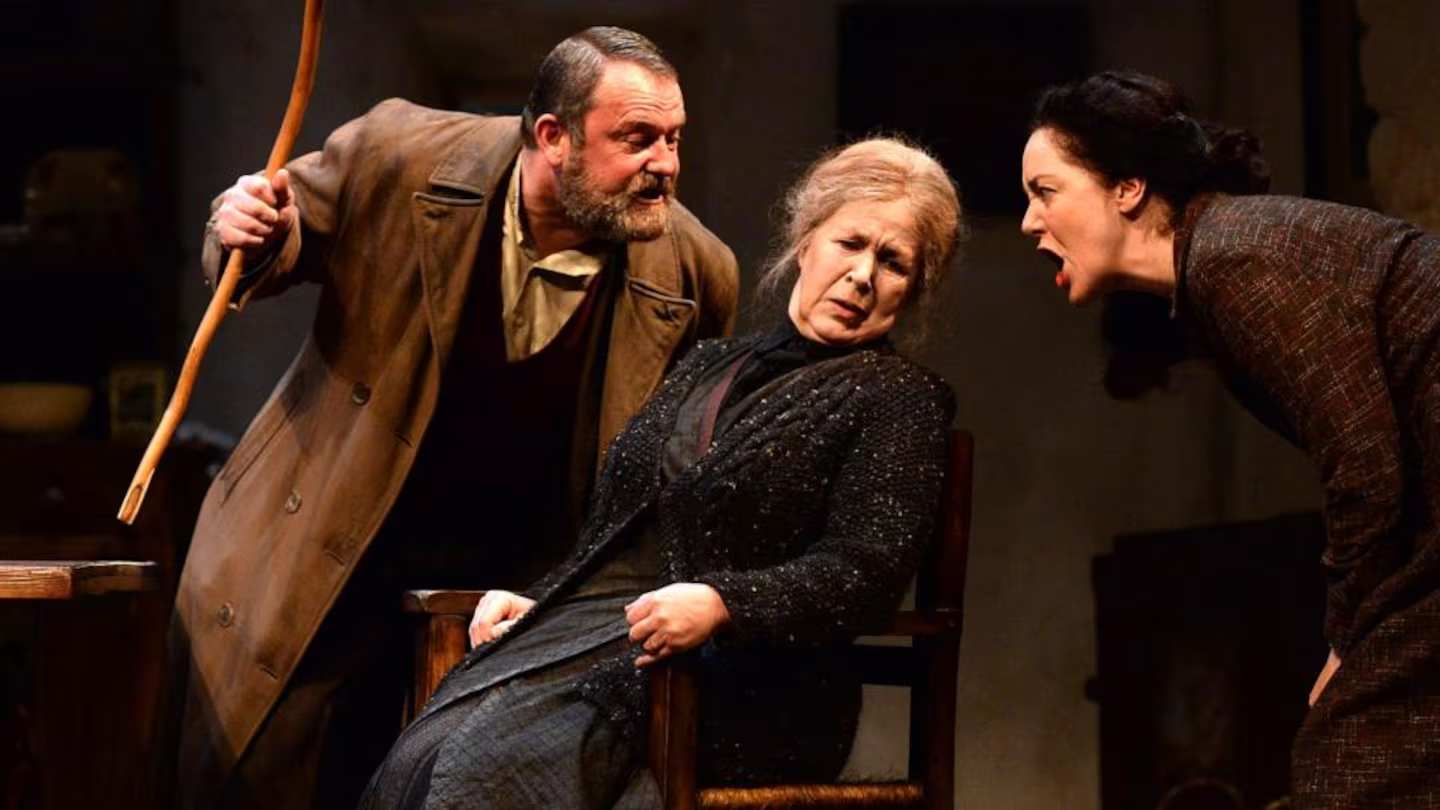
The play opens in the Glavin household, a scene of poverty and constant conflict. Nanna and Mena's bitter relationship is established, setting the tone for the play's exploration of family dynamics and the harsh realities of rural life. The tension between them underscores the toxic environment in which Sive lives.
2. Proposal of the Marriage
Thomasheen Seán Rua enters the household and proposes that Sive marry Sean Dota, an elderly man who offers a substantial dowry. Mena is immediately interested, driven by her greed, despite Mike's reluctance. This moment introduces the central conflict and highlights the theme of greed.
3. Sive's Isolation and Despair
After Sive is informed about the arranged marriage, she becomes increasingly despondent. Her aunt Mena reveals the truth about Sive's parentage in a cruel attempt to force her into the marriage. Mena tells Sive, "You are a bye-child, a common bye-child, a bastard." This moment deepens Sive's sense of isolation and hopelessness.
4. Liam's Plea
Liam Scuab, Sive's true love, begs Mike to stop the marriage, offering to stay away from Sive until she is of age. He passionately appeals, "Do not give her to that rotting old man with his gloating eyes and trembling hands." Despite his heartfelt plea, Mike feels trapped by the situation, highlighting the play's exploration of powerlessness and tradition.
5. Closing Scene
The play concludes tragically with the discovery of Sive's body. She has drowned herself to escape the fate imposed upon her. The final image is of Nanna weeping over Sive's body, a poignant reminder of the devastating effects of the greed and cruelty that have prevailed throughout the play.
Character Overview
1. Sive
"I will never marry such a man. I will not marry at all!"
Sive is an eighteen-year-old girl who is still attending school, representing the potential for a future beyond the limitations of her rural upbringing. However, she struggles to assert herself against the strong, manipulative forces around her. Despite her objections, she is ultimately unable to take decisive action to prevent her forced marriage, leading to her tragic end.
2. Mena Glavin
"Indignantly: And wasn't I young?"
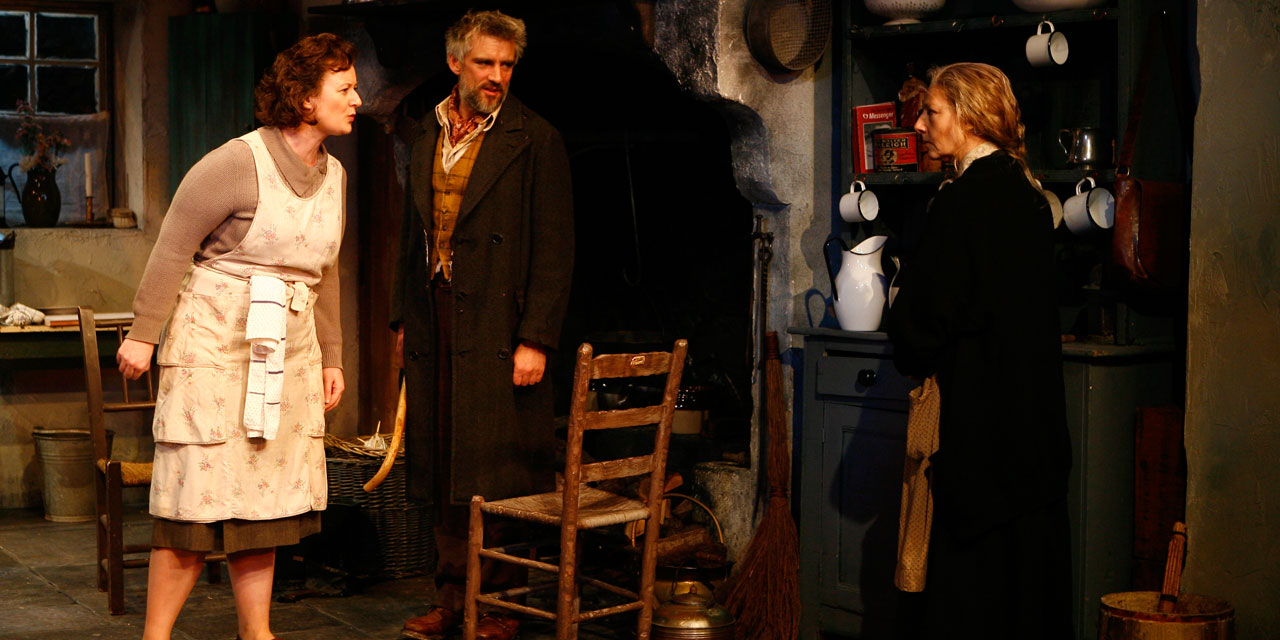
Mena is manipulative and self-centred, willing to sacrifice Sive's happiness for her own material gain. Although she resents her position within her husband's family, she uses what power she has to dominate those around her. Mena's actions are driven by the hardships she has endured, and there is an element of jealousy in her treatment of Sive, as she forces the girl into the same oppressive circumstances she once faced.
3. Thomasheen Seán Rua
"What I say is what business have the likes of us with love? It is enough to have to find the bite to eat."
Thomasheen is the local matchmaker, a man whose eloquence and manipulative nature are his tools for survival. He is driven by self-interest and has no empathy for Sive, seeing her merely as a means to his own ends. His cynical view of love and marriage reflects the play's broader commentary on the commodification of women in rural society.
4. Mike Glavin
"Will you look how old the world is and how the youth do be so foolish in it."
Mike is a man caught between his conscience and the pressure exerted by his wife and societal expectations. Although he sympathises with Sive and is uncomfortable with the arranged marriage, he lacks the strength to oppose it, ultimately allowing the tragedy to unfold.
5. Nanna Glavin
"That the heart might wither up in your breast..."
Nanna is Sive's grandmother, embodying the older traditions and values of rural Ireland. She is protective of Sive and constantly clashes with Mena, who she sees as a threat to the family's well-being. Nanna's deep sorrow at the end of the play, as she mourns Sive, underscores the cost of the rigid and oppressive societal norms that have led to her granddaughter's death.
6. Liam Scuab
"You will not command the lives and happiness of two people who love each other."
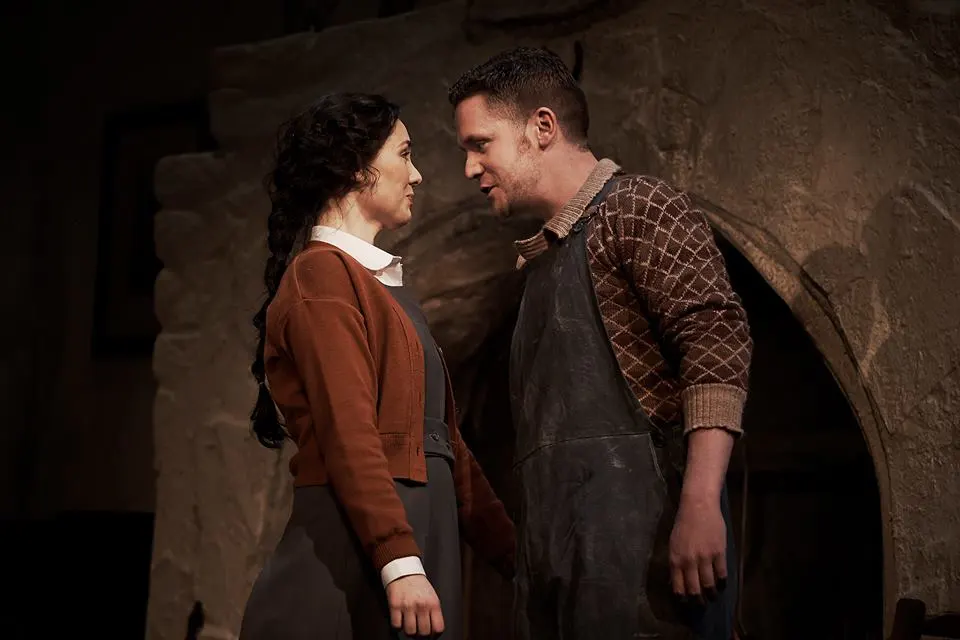
Liam is Sive's true love, a young man who is willing to defy societal expectations to be with her. He represents the new generation that seeks to break free from the constraints of the past. Despite his earnest efforts, Liam is powerless against the forces that control Sive's fate, highlighting the play's tragic inevitability.
Dramatic Techniques
| Technique | Example/Explanation |
|---|---|
| Symbolism | Sive's school uniform represents her innocence and youth, contrasting sharply with the adult decisions being forced upon her. |
| Irony | The irony of Thomasheen describing Sean Dota as "the sign of love" when arranging the marriage for financial gain rather than affection. "He have the mouth half-open when he do be talking about her. 'Tis the sign of love, women!" |
| Foreshadowing | Sive's early despair and the bleak atmosphere of the household foreshadow her tragic end. Nanna's early lamentations hint at the sorrow to come. |
| Contrast | The contrast between Liam's sincere love for Sive and the transactional nature of her arranged marriage with Sean Dota emphasises the play's critique of traditional marriage practices. |
| Language and Dialect | The use of regional dialect and colloquial language grounds the play in its rural Irish setting and enhances the realism. Thomasheen's persuasive yet deceptive speech, laced with local expressions, reflects his manipulative character. "'Tis only what I see in my travels, a-woman." |
General Vision and Viewpoint (GVV)
The general vision and viewpoint of Sive is overwhelmingly bleak, reflecting the oppressive nature of rural Irish society in the 1950s. The play opens with a scene of domestic tension, setting the tone for the rest of the narrative. From the outset, the play depicts a world filled with hardship, where personal desires and freedoms are sacrificed for material gain.
1. Poverty and Desperation:
The setting is marked by poverty, which drives the characters to make morally questionable decisions. Mena's ruthless pursuit of financial security at the expense of Sive's happiness illustrates the pervasive desperation: "Given for Sive but the two of us know that Mena will have £40 out of the £50 for herself."
2. Cynicism and Greed:
The play presents a cynical view of human relationships, particularly marriage, which is treated as a business transaction rather than a union based on love. Thomasheen Seán Rua's statement, "What I say is what business have the likes of us with love? It is enough to have to find the bite to eat," reflects this outlook.
3. Tragic Inevitability:
The play's ending, with Sive's suicide, underscores the tragic inevitability of her situation. The general vision is one where hope is crushed by the harsh realities of life, as seen in Nanna's despairing lament over Sive's body.
The GVV in Sive thus paints a pessimistic picture of life, where the greed and cynicism of the older generation destroy the innocence and potential of the young.
Theme or Issue
Sive explores several interconnected themes, with greed and the oppression of women standing out as central concerns.
1. Greed:
The most pervasive theme in the play is greed, driving the actions of Mena and Thomasheen. Mena's desire for financial security leads her to force Sive into a marriage with the elderly and repugnant Seán Dóta. Her callousness is evident when she dismisses Sive's objections, showing more concern for the dowry than her niece's well-being: "Sive and that 'oul corpse of a man, Sean Dota."
2. Oppression of Women:
The play vividly depicts the limited choices available to women in 1950s rural Ireland. Sive, an illegitimate child, is dehumanised and treated as a commodity. Mena reinforces this oppressive view by telling Sive, "You are a bye-child, a common bye-child, a bastard." This statement highlights the stigma and marginalisation Sive faces due to her illegitimacy, further exacerbated by her gender.
3. The Consequences of Forced Marriage:
Sive's forced marriage to Seán Dóta, a man she despises, serves as a critique of traditional marriage practices. The trauma of this arranged marriage ultimately drives Sive to suicide, symbolising the destructive consequences of denying women agency in their own lives.
These themes are woven throughout the play, creating a powerful commentary on the destructive effects of greed and the systemic oppression of women in a patriarchal society.
Literary Genre
Sive is a tragic drama that incorporates elements of melodrama, realism, and social commentary.
1. Tragic Elements:
The play follows the classic structure of a tragedy, where the protagonist, Sive, is doomed from the start. Her story ends in inevitable catastrophe, as her lack of power and control over her own life leads to her death. The use of foreshadowing, particularly in the bleak atmosphere and Sive's growing despair, underscores this tragic arc.
2. Melodrama:
There are strong melodramatic elements in the play, such as the exaggerated emotions and the moral polarisation of characters. For example, the cruel manipulation by Mena and Thomasheen creates a clear division between the innocent (Sive and Liam) and the corrupt (Mena and Thomasheen). The destruction of Liam's letter by Thomasheen is a melodramatic device that heightens the tension and leads to the tragic climax.
3. Realism:
Despite its melodramatic elements, Sive is grounded in social realism. The play provides a stark, realistic portrayal of life in rural Ireland, with detailed depictions of the characters' dialect, customs, and struggles. The dialogue is rich in regional dialect, as seen in Thomasheen's speech: "'Tis only what I see in my travels, a-woman."
4. Social Commentary:
The play is a critique of societal norms, particularly the rigid class structures and the commodification of women. The use of Pats Bocock and Carthalawn as a Greek chorus further enhances the play's social commentary, as their songs often reflect and critique the events unfolding in the main narrative.
In terms of genre, Sive effectively blends tragedy, melodrama, and realism to deliver a powerful critique of the society it portrays.
Cultural Context
The cultural context of Sive is rooted in the rural Irish setting of the 1950s, a time and place marked by poverty, rigid social norms, and the influence of the Catholic Church.
1. Poverty:
Economic hardship is a driving force in the play, influencing characters' decisions and actions. The Glavin household is depicted as poor and struggling, with Mena's desire for financial stability leading her to arrange Sive's marriage to the wealthy Sean Dota. This economic motivation is a reflexion of the wider poverty that plagued rural Ireland at the time.
2. Role of Women:
Women in Sive are portrayed as having limited power and autonomy, with their value often determined by their ability to marry well. The play highlights the gender inequalities of the time, as seen in Mena's manipulation of Sive and the oppressive expectations placed upon her. The cultural context of the 1950s offered few opportunities for women, which is starkly represented by Sive's tragic fate.
3. Social Class and Marriage:
Marriage in the play is shown as a transaction, where social class and financial gain are more important than love. This is evident in Thomasheen's view of marriage as a business deal, as he describes Sean Dota's wealth: "He have the grass of twenty cows. He have fat cattle besides and he have the holding of money." The importance placed on economic status reflects the rigid class structures of the time.
4. Influence of the Catholic Church:
The Catholic Church's influence is seen in the characters' concern for social propriety and religious approval. This is particularly evident in Mike's horror at Sive's suicide, fearing she cannot be buried in holy ground: "Mike is horrified that Sive's suicide will mean that she cannot be buried in holy ground." The church's moral authority shapes the characters' actions and societal values, reflecting its dominant role in mid-20th century Ireland.