Plot Summary (Leaving Cert English): Revision Notes
📚Revision Notes
Plot Summary
Detailed Summary of The Crucible
- The Crucible is a four-act play by Arthur Miller that dramatises the events surrounding the Salem witch trials of 1692 in Massachusetts.
- The play explores themes of hysteria, power, guilt, and integrity, using the historical events as a lens to comment on the "witch hunts" of the 1950s McCarthy era.
Act I: The Unseen Evil
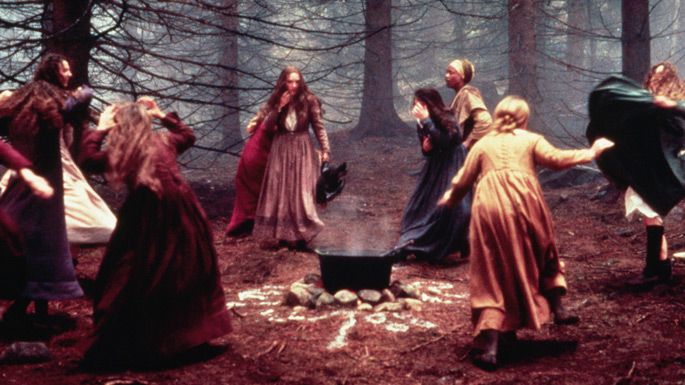
- The play begins in the Puritan town of Salem, Massachusetts, where Reverend Parris discovers his daughter, Betty, and his niece, Abigail Williams, along with other girls from the town, dancing in the forest.
- The local minister, Parris, is immediately concerned about the potential scandal this might cause, especially as rumours of witchcraft begin to spread. Betty falls into an unresponsive state, and the town is quickly engulfed in suspicion and fear.
-
As the community gathers at Parris's home, tensions rise. Ann Putnam, who has lost seven infants shortly after childbirth, is eager to believe that witchcraft is the cause of her misfortunes.
-
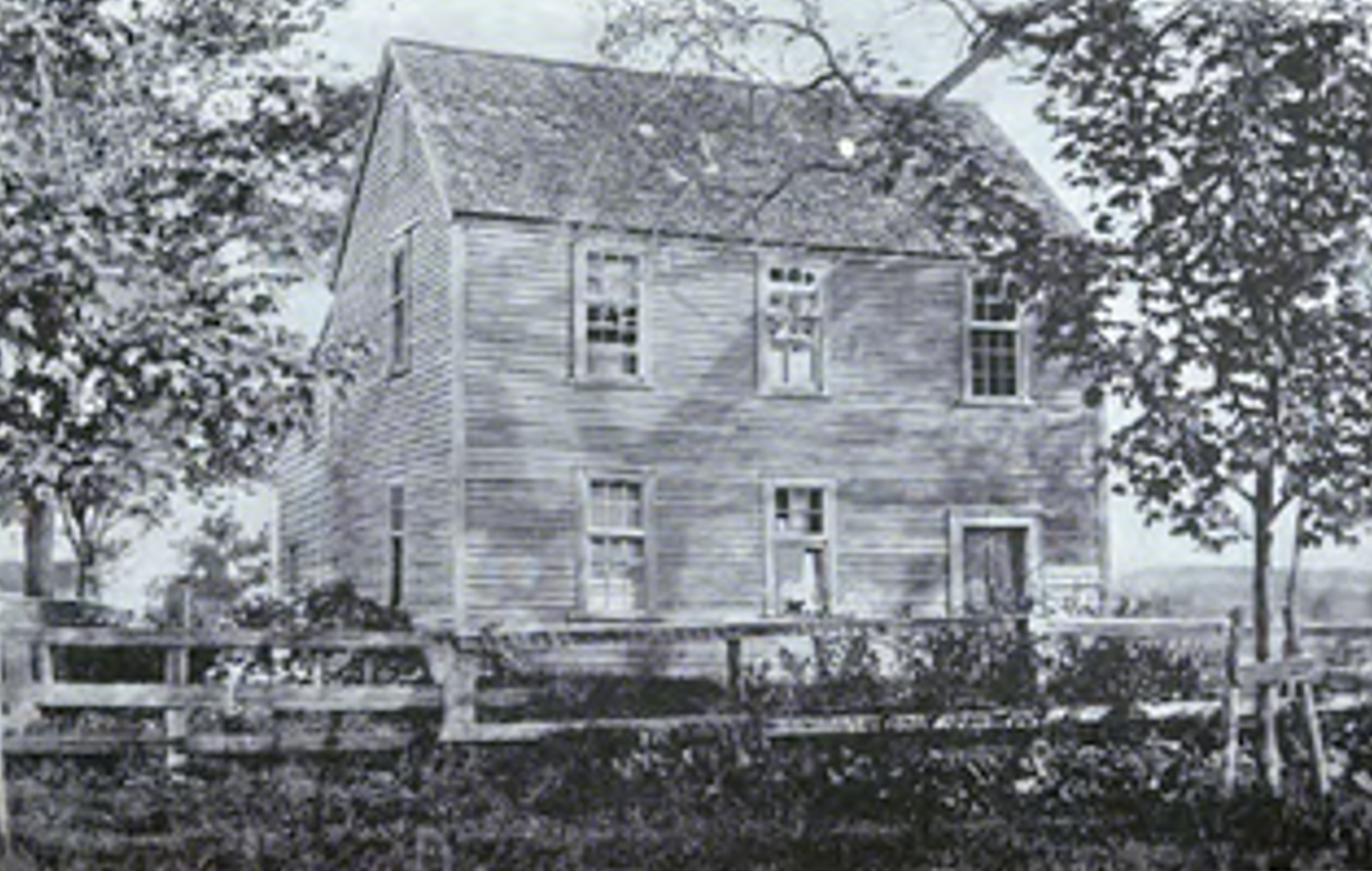
The town is rife with personal grievances, which soon find an outlet in accusations of witchcraft. Reverend Hale, an expert on witchcraft, is called in to investigate.
-
Under pressure, Tituba, Parris's slave, confesses to witchcraft, naming others in the town as witches to save herself. This confession sets off a chain reaction of accusations, with Abigail and the other girls joining in, thereby shifting blame away from themselves.
Act II: The Trials Begin
- Eight days later, the town is in turmoil as the witch trials begin, led by Deputy Governor Danforth and Judge Hathorne.
- John Proctor, a local farmer, is troubled by the growing hysteria. He knows the accusations are false because Abigail, who had an affair with him, revealed the truth to him in confidence.
- However, Proctor is hesitant to expose her, fearing the revelation of their affair will ruin his reputation and marriage. His wife, Elizabeth, urges him to come forwards.
- Tensions between John and Elizabeth Proctor are evident as she struggles with the knowledge of her husband's infidelity. Their servant, Mary Warren, who is now part of the court, returns home and gives Elizabeth a poppet (doll) she made during the trials.
- Later, Elizabeth is accused of witchcraft, based on the "evidence" of this poppet. Despite John's protests, Elizabeth is arrested, and John vows to expose Abigail's lies.
Act III: The Courtroom
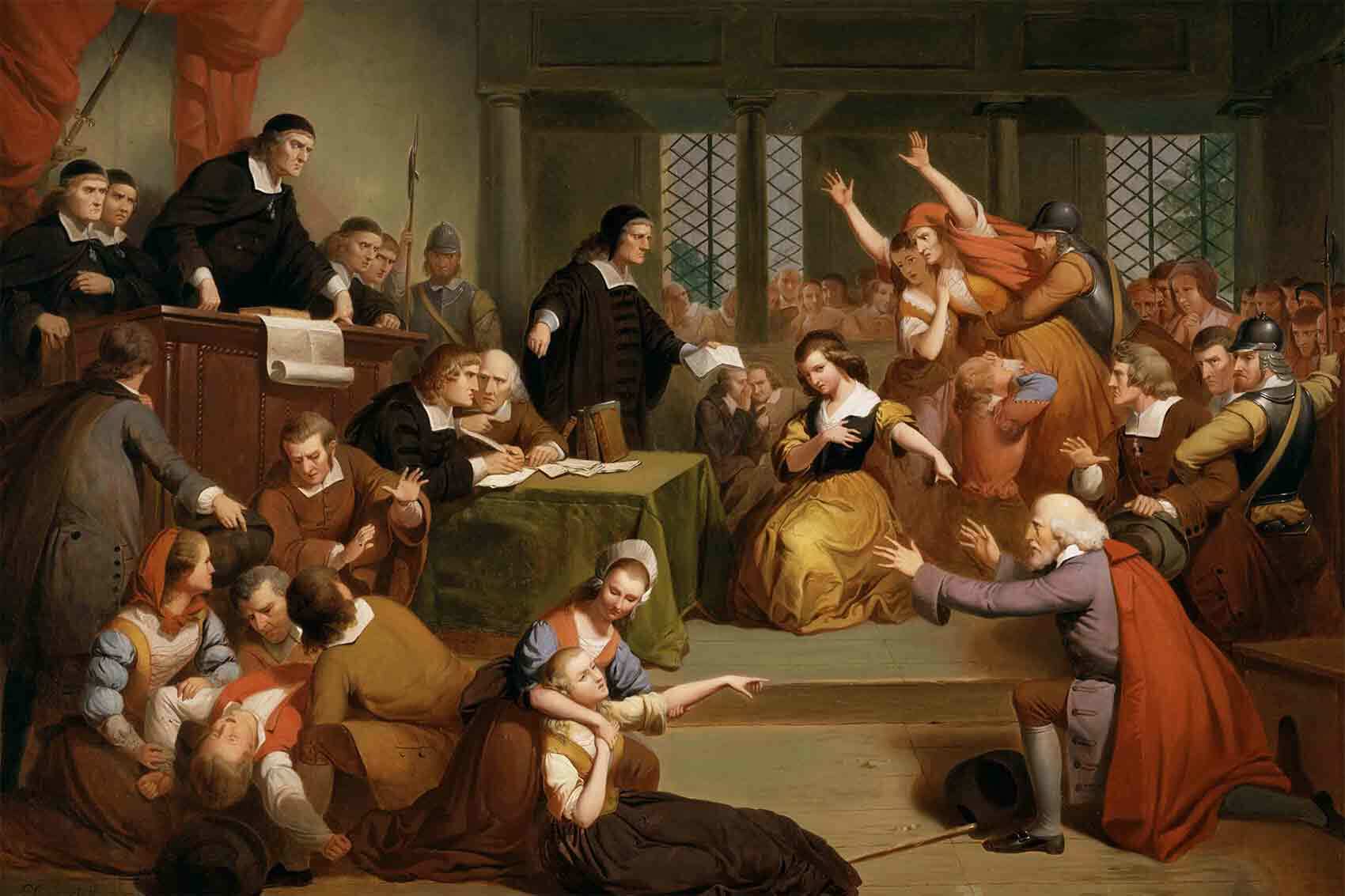
- The third act takes place in the Salem courthouse, where Proctor attempts to discredit Abigail and the other girls.
- He brings Mary Warren to testify that the accusations are a pretence. However, the court is deeply entrenched in the hysteria. When Proctor confesses his affair with Abigail, hoping to reveal her true motives, the court calls Elizabeth to verify his claim.
- In a tragic twist, Elizabeth lies to protect John's name, unaware that he has already confessed. Her lie inadvertently condemns them both.
- The courtroom descends into chaos as Abigail and the girls turn on Mary Warren, accusing her of witchcraft. In a moment of panic and betrayal, Mary renounces her testimony and accuses Proctor of being in league with the devil.
- Proctor is arrested, and Reverend Hale, who once supported the trials, denounces the court and quits the proceedings, seeing the injustice being carried out.
Act IV: The Final Sacrifice
-
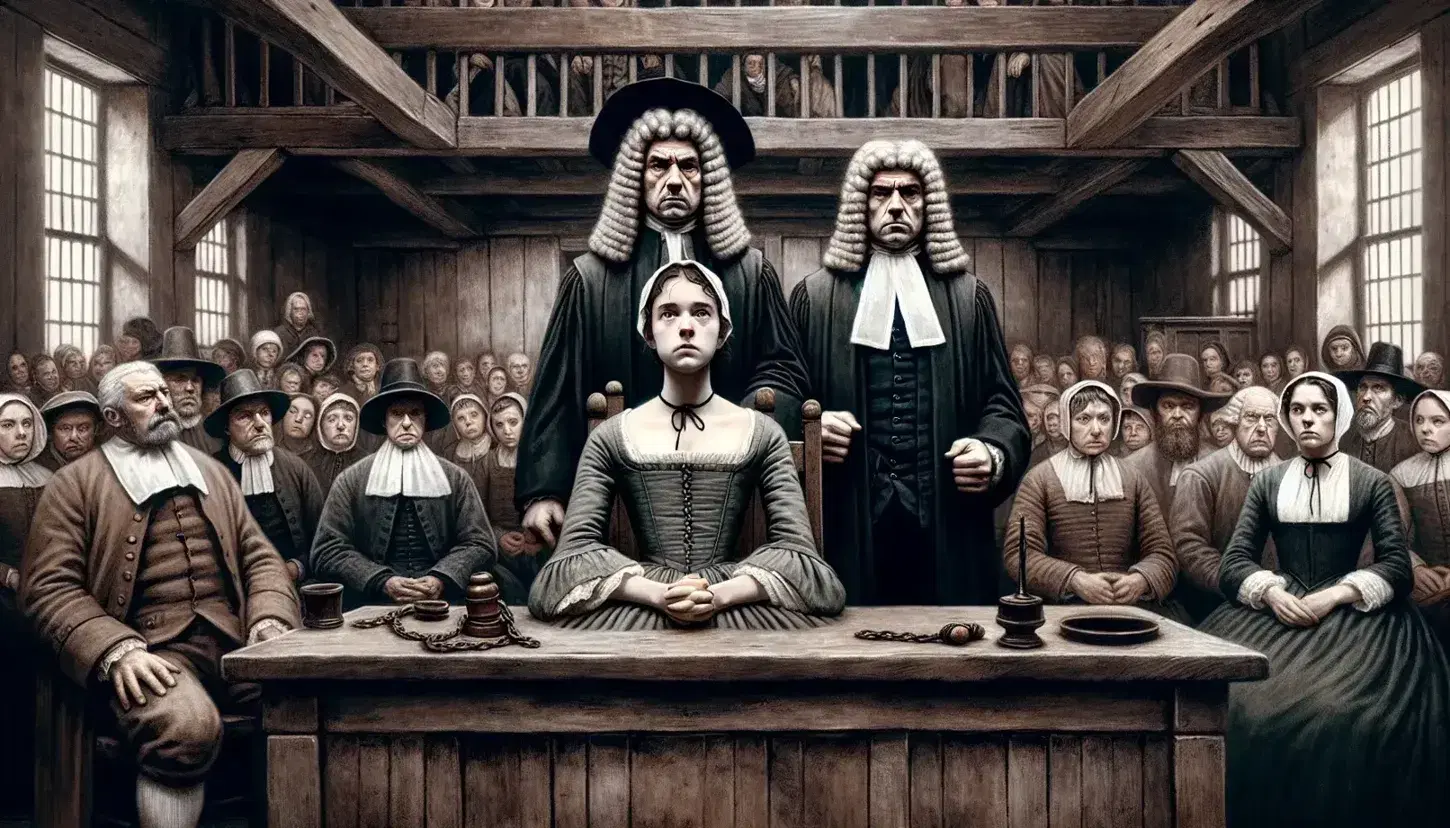
The final act takes place several months later in a Salem jail. The witch trials have caused widespread unrest, and several respected members of the community, including Rebecca Nurse and John Proctor, are set to hang.
-
Reverend Hale, now guilt-ridden, returns to try and save the condemned by urging them to confess to witchcraft, even if it means lying, as he believes life is more important than principle.
-
John Proctor struggles with the decision to confess and save his life or maintain his integrity and face execution. Torn between his guilt and the desire to protect his name for the sake of his children, Proctor initially agrees to confess.
-
However, when the court demands a public confession, Proctor refuses to allow his name to be used to justify the court's actions. He tears up his confession, choosing to die rather than live in shame.
-
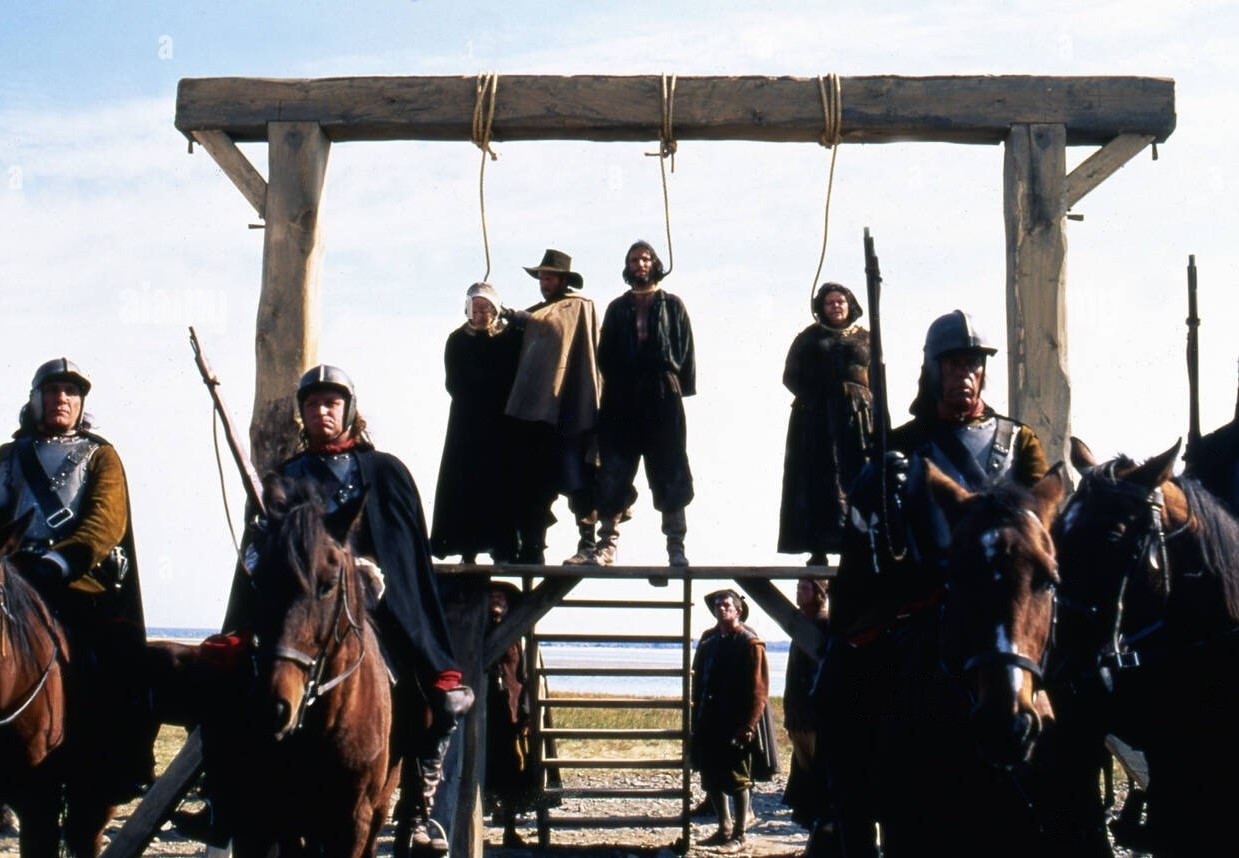
The play concludes with John Proctor being led to the gallows, finally at peace with himself. Elizabeth, though devastated, understands that Proctor has regained his "goodness" by choosing truth over survival.
-
The witch trials, fuelled by hysteria and the desire for power, ultimately result in the loss of innocent lives, leaving the town of Salem shattered and disillusioned.
-
The Crucible serves as a powerful allegory for the dangers of mass hysteria and the consequences of abandoning reason and justice in favour of fear and suspicion.