Themes (Leaving Cert English): Revision Notes
📚Revision Notes
Themes
Mary Shelley's Frankenstein explores timeless issues that remain relevant more than 200 years after its publication. The novel examines themes of scientific ambition, human relationships, and the consequences of playing God. Understanding these themes is essential for analysing the characters' motivations and the novel's broader messages about society and human nature.
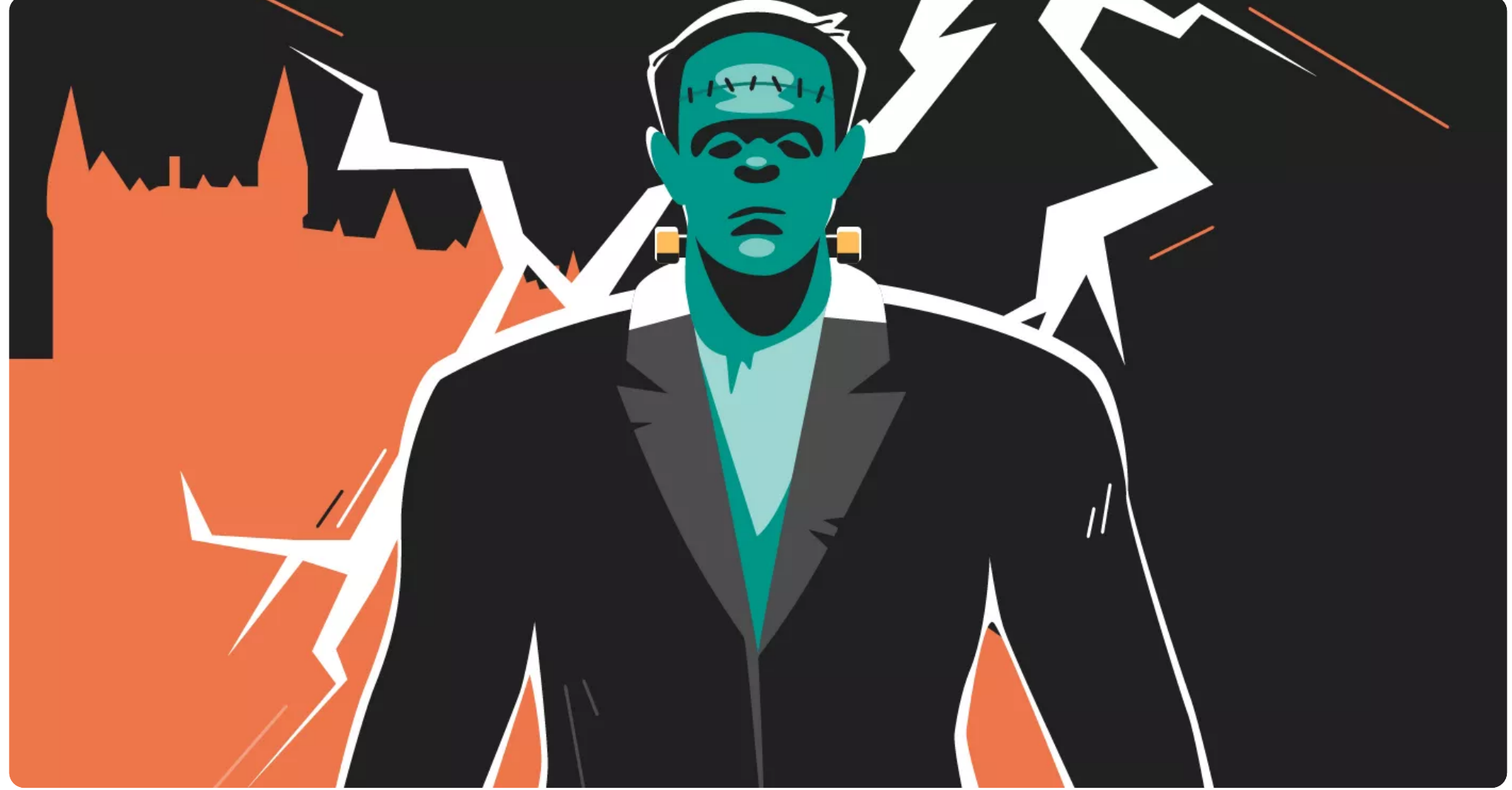
Overview of key themes
The major themes in Frankenstein work together to create a complex exploration of human nature and society. These themes include the tension between fate and free will, the power of nature, the importance of family bonds, the dangers of isolation, the destructive nature of revenge, the centrality of love, the ethics of scientific exploration, and the role of women in society.
Note
These seven core themes are interconnected throughout the novel, with each character's journey illustrating multiple themes simultaneously. For example, Victor's story encompasses scientific ambition, isolation, family relationships, and the consequences of defying natural laws.
Fate vs. free will
The struggle between fate and free will forms a central conflict throughout the novel. This theme examines whether our lives are predetermined by forces beyond our control or whether we can shape our own destiny through conscious choices.
In Frankenstein, this tension drives many of the characters' actions and decisions. Victor's obsession with creating life seems driven by an unstoppable force, yet he makes deliberate choices that lead to disaster. The Monster's violent actions appear to be his fate given his abandonment, yet he also makes conscious decisions to pursue revenge.
Throughout the story, characters often blame fate for their troubles rather than accepting responsibility for their actions. Victor frequently attributes his misfortunes to destiny, while the Monster argues that his creator's abandonment doomed him to become a murderer. However, both characters make specific choices that determine their paths.
Important
The novel suggests that while external forces may influence our lives, we ultimately bear responsibility for our decisions. This is a crucial message about personal accountability and the power of individual choice.
The Monster is the only character who actively tries to resist what seems to be his predetermined fate, demanding that Victor create a companion for him and threatening revenge if refused.
Nature
Nature plays a dual role in Frankenstein, serving as both a source of comfort and a powerful force that punishes those who violate its laws. Shelley presents nature as beautiful and majestic, yet also frightening and omnipotent.
This theme reflects the Romantic movement's response to the Industrial Revolution and scientific progress. Romantic writers viewed nature not just as a backdrop for human action, but as a character with its own agency and power. They believed that the natural world possessed healing properties and could restore balance to human life.
In the novel, both Victor and the Monster find peace and consolation in nature during their moments of despair. When Victor feels overwhelmed by his scientific pursuits or the consequences of his actions, he turns to the natural world for solace. The Monster, too, finds temporary relief from his loneliness when surrounded by natural beauty.
Note
The Romantic period emphasised the sublime power of nature - the idea that natural forces could inspire both awe and terror. This concept is central to understanding how Shelley uses natural imagery throughout the novel.
However, nature also serves as a judge of human behaviour. When Victor defies natural laws by creating life artificially, nature responds by punishing him. The Monster himself can be seen as nature's instrument of retribution against Victor's hubris.
Through the Monster's character, Shelley also explores the nature versus nurture debate. The creature enters the world innocent and capable of goodness, but his treatment by society transforms him into a vengeful being. This suggests that environment and upbringing play crucial roles in shaping character.
Family and affection
The theme of family relationships runs throughout the novel, highlighting how crucial these bonds are for human development and emotional well-being. Shelley uses contrasting examples to show both the positive power of loving family relationships and the destructive consequences of their absence.
Victor's upbringing exemplifies the benefits of a loving, supportive family. His parents, Alphonse and Caroline, provide him with care, education, and moral guidance. This stable foundation allows Victor to pursue his interests and develop his talents, though it cannot prevent him from making destructive choices later in life.
In stark contrast, the Monster enters the world completely alone, without any family connections or guidance. His desperate longing for acceptance and belonging drives much of his behaviour throughout the novel. The absence of parental love and guidance leaves him to learn about human nature through observation and harsh experience.
Important
The contrast between Victor's loving upbringing and the Monster's abandonment is crucial to understanding their different paths. This shows how parental responsibility extends beyond creation to include nurturing and guidance.
The theme extends beyond blood relations to include chosen family and community bonds. The De Lacey family, whom the Monster observes, represents an idealised version of family life that the creature desperately desires to join. Their rejection of him based on his appearance becomes a turning point in his development.
Shelley suggests that family bonds are not just important for individual happiness but are essential for creating moral, well-adjusted members of society. The Monster's violent behaviour stems largely from his exclusion from these fundamental human connections.
Loneliness and isolation
Loneliness and isolation affect nearly every character in Frankenstein, serving as both a cause and consequence of the novel's tragic events. This theme explores how human beings need connection and community to thrive, and what happens when these needs are not met.
The theme first appears through Robert Walton's letters, where he complains about having no friend to share his Arctic exploration. This sets up the pattern of isolated individuals seeking connection that runs throughout the novel.
Victor's isolation is largely self-imposed. His obsession with his scientific work leads him to withdraw from family and friends, creating the conditions for his eventual downfall. Even when he recognises the dangers of his isolation, he struggles to reconnect with others because of the secrets he carries.
The Monster's isolation, however, is forced upon him by a society that rejects him based on his appearance. Despite his intelligence and capacity for emotion, he is denied the human connections he desperately craves. This forced isolation becomes the primary motivation for his revenge against Victor.
Note
Shelley draws on the Romantic tradition that often used isolation as a way to explore characters' inner lives and emotional depths. However, she also shows the destructive potential of prolonged isolation, suggesting that human beings are fundamentally social creatures.
The theme connects to broader social issues of the time, including the alienation that many people felt as society became more industrialised and urbanised.
Revenge
The theme of revenge drives much of the novel's plot and demonstrates the destructive power of unchecked anger and desire for retribution. Shelley shows how revenge creates a vicious cycle that ultimately destroys both the avenger and their target.
The Monster's quest for revenge begins after his repeated rejections by human society and his creator's abandonment. Feeling that justice has been denied to him, he turns to vengeance as a way to make Victor understand his suffering. However, his methods of revenge - murdering Victor's loved ones - only create more pain and suffering.
Victor's response to the Monster's attacks follows the same destructive pattern. Instead of trying to understand his creation's motivations or find a peaceful solution, Victor becomes consumed with hunting down and destroying the Monster. This obsession costs him his remaining relationships and ultimately his life.
Important
Shelley does not glorify revenge or present it as justified. Instead, she shows how the desire for vengeance corrupts both characters and prevents them from finding more constructive solutions to their conflicts.
Shelley draws on a long literary tradition of revenge narratives, from ancient Greek tragedies to contemporary Gothic novels. The theme also reflects broader questions about justice and how societies should respond to wrongdoing. By showing the futility of personal revenge, Shelley suggests the need for more systematic and humane approaches to justice.
Love
Love serves as a powerful motivating force for all the characters in Frankenstein, though its absence or corruption often leads to tragedy. The novel explores various forms of love, including romantic love, family love, and the universal human need for acceptance and connection.
Victor's love for his family initially motivates his scientific pursuits, as he hopes to benefit humanity through his discoveries. However, his obsession with his work ultimately separates him from those he loves, creating the conditions for tragedy.
The Monster's desperate need for love and acceptance drives his behaviour throughout the novel. His request for a female companion stems from his desire to experience the love and companionship that he sees in human relationships. When this need is frustrated, it transforms into hatred and revenge.
Romantic love appears in the relationship between Victor and Elizabeth, though their connection is troubled by Victor's secrets and obsessions. Their love, which should be a source of joy and stability, becomes another casualty of Victor's scientific ambitions.
Note
Shelley also explores the concept of self-love and self-acceptance. The Monster's inability to find acceptance from others is complicated by his own struggle to accept his nature and appearance, while Victor's self-loathing prevents him from taking constructive action.
The theme suggests that love, in its various forms, is essential for human happiness and moral development. The absence of love creates the conditions for violence and revenge, while its presence offers the possibility of redemption and healing.
Exploration and science
The theme of scientific exploration reflects the novel's historical context during the Scientific Revolution and the Enlightenment. Shelley examines both the potential benefits and dangers of scientific advancement, particularly when it proceeds without ethical consideration.
Victor represents the archetypal scientist whose pursuit of knowledge becomes an obsession. His research into the creation of life reflects real scientific developments of Shelley's time, including experiments with electricity and galvanism. The novel suggests that scientific progress without moral restraint can lead to disastrous consequences.
The theme also explores the relationship between knowledge and responsibility. Victor gains the power to create life but fails to consider his obligations to his creation. He abandons the Monster immediately after bringing him to life, refusing to take responsibility for educating or caring for him.
Important
Shelley critiques the Enlightenment belief that scientific progress automatically leads to human improvement. Instead, she shows how scientific power can be misused when it is not accompanied by wisdom, compassion, and ethical consideration.
The novel anticipates modern debates about scientific ethics, including questions about genetic engineering, artificial intelligence, and other technologies that could fundamentally alter human nature or society.
Through Victor's story, Shelley warns against the dangers of scientific hubris - the belief that human beings can master nature without consequences. The novel suggests that some boundaries should not be crossed, regardless of the potential benefits.
Women in Frankenstein
The portrayal of women in Frankenstein reveals the limitations placed on female characters in both the novel's fictional world and the society of Shelley's time. This theme examines how women are often denied agency and voice in male-dominated narratives.
The female characters in the novel - Elizabeth, Caroline, and Justine - are primarily defined by their relationships to men and their roles as mothers, wives, and caregivers. They are described through the male narrator's perspective, which limits our understanding of their inner lives and independent thoughts.
Elizabeth, despite being Victor's childhood companion and eventual fiancée, is treated more as a possession than an equal partner. Victor makes decisions about their relationship without consulting her, and her own desires and ambitions remain largely unexplored.
Caroline Frankenstein's life is entirely determined by the men around her - first her father, then her husband. Her story illustrates the economic and social dependence that characterised many women's lives in the 18th and 19th centuries.
Note
Justine's fate demonstrates the vulnerability of women in a legal system controlled by men. She is accused of a crime she did not commit and executed largely because she lacks the power to defend herself effectively.
The character of Safie offers a partial exception to this pattern. She defies her father's wishes and chooses her own path, representing the possibility of female independence and self-determination.
However, the novel's overall emphasis on male characters and male concerns, combined with the absence of strong female voices, reflects the patriarchal society of Shelley's time. The theme raises questions about women's roles and rights that continue to be relevant today.
Summary
Key Points to Remember:
-
Fate vs. free will: Characters struggle between accepting destiny and taking responsibility for their choices, with consequences following regardless of their beliefs about control
-
Nature serves dual purposes: It provides healing and comfort to troubled characters while also punishing those who violate natural laws through scientific overreach
-
Family bonds are essential: The contrast between Victor's loving upbringing and the Monster's abandonment shows how family relationships shape character and moral development
-
Isolation breeds destruction: Both self-imposed and forced isolation lead to tragic consequences, demonstrating humanity's fundamental need for connection and community
-
Revenge creates cycles of violence: The pursuit of vengeance between Victor and the Monster ultimately destroys both characters and their loved ones, showing revenge's futility and destructive power