Characters: Edgar (Leaving Cert English): Revision Notes
📚Revision Notes
Edgar
Edgar, Legitimate Son of Gloucester
Edgar (AKA 'Poor Tom'), Gloucester's legitimate son, plays a crucial role in the play as a symbol of loyalty and justice. His journey from innocence to resilience highlights his importance in countering the play's treachery and chaos.
Note
To distinguish the two brothers, Edmund and Edgar, use this mnemonic device: the 'G' in Edgar stands for 'good', and the 'M' in Edmund stands for 'mean'!
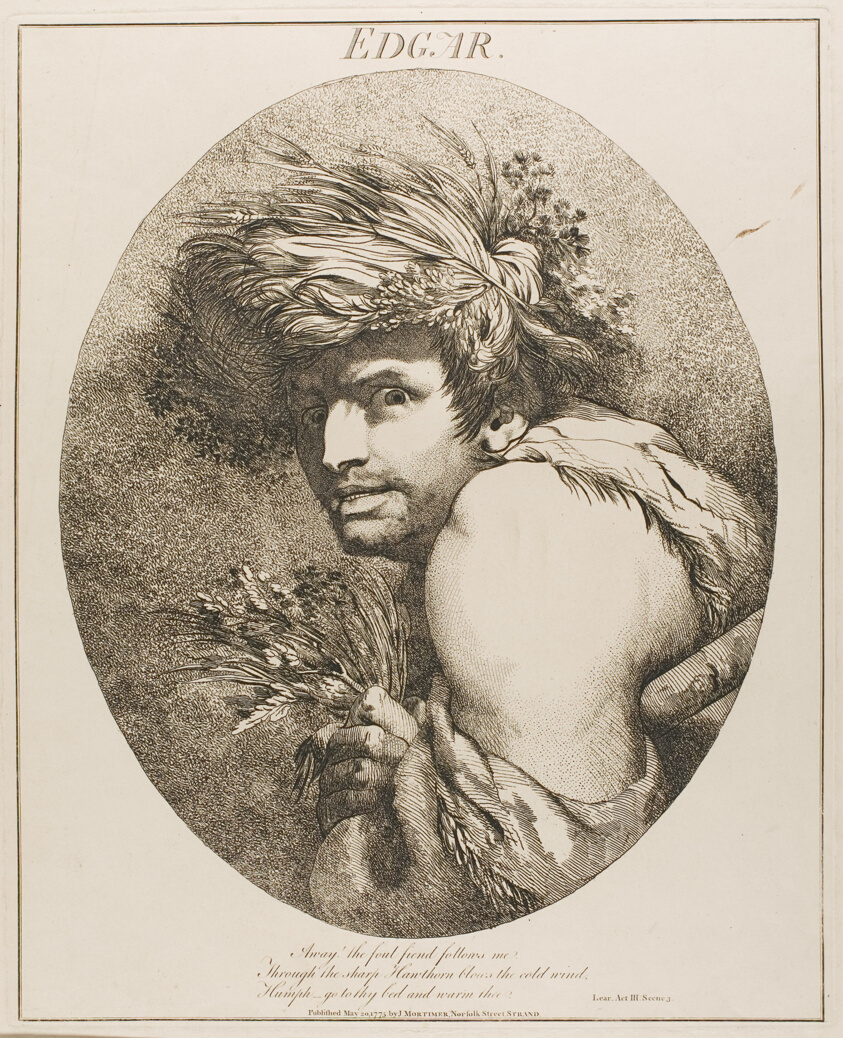
Background and Context
Edgar's father wrongfully disinherits him due to Edmund's deceit. He is forced to flee and adopt a disguise as Poor Tom to survive. His struggle against false accusations and betrayal form a key subplot that intersects with Lear's own trials.
Personality Traits
Edgar is honourable, steadfast, and resourceful. Despite being wrongfully treated, his integrity and loyalty to his father demonstrate his noble character.
Edgar to Kent and Albany: "The weight of this sad time we must obey, / Speak what we feel, not what we ought to say."
His ability to adapt and endure through hardship reveals his strength and resilience.
Internal Conflict
Edgar's internal conflict stems from his wrongful disinheritance and the need to protect himself while seeking justice. He grapples with his family's betrayal and the necessity of maintaining his disguise to survive.
Edgar to himself: "Edgar I nothing am."
His eventual return to restore order and justice is a significant aspect of his character arc.
Relationships
Edgar's relationships are marked by loyalty and forgiveness. Despite being betrayed by his father and attacked by his brother, he remains devoted and seeks to rectify wrongs. His relationship with Lear is one of empathy and mutual respect, particularly as both characters suffer from familial betrayal.
Edgar (as Poor Tom) about Lear's insanity: "My tears begin to take his part so much/ They'll mar my counterfeiting."
Tragic Flaw
Edgar's character does not exhibit a traditional tragic flaw. Instead, his challenges arise from external betrayals and misfortunes. His resilience and moral fortitude allow him to overcome these obstacles, ultimately restoring order and justice by the play's end.