Supports and Barriers to Participation (Leaving Cert Physical Education): Revision Notes
📚Revision Notes
Supports and Barriers to Physical Activity Participation for Selected Groups
Note
Participation in physical activity is vital for health and well-being, yet many groups face significant barriers. Both globally and locally, the situation is evolving, but it remains crucial to acknowledge the barriers that many groups face in accessing physical activity.
Groups Facing Barriers:
- Women
- People with Physical Disabilities
- People with Intellectual Disabilities
- Older Adults
- Different Ethnic Groups
- Different Socio-Economic Groups
1. Women
Note
Women face unique challenges and receive targeted supports to increase their participation in physical activity, addressing barriers like stereotyping, cultural expectations, and limited funding.
Discrimination and Prejudice in Sport for Women
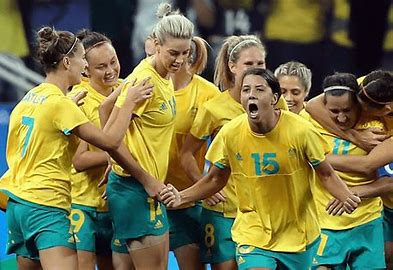
Discrimination in sport is often based on gender stereotypes that discourage women from participating equally. Women are underrepresented in media, funding, and opportunities in many sports. Gender bias is notably present in male-dominated sports, such as football and rugby.
Key Points:
- Discrimination affects access to facilities and opportunities.
- Initiatives are needed to combat biases and improve women's participation.
Practical Task:
Research an initiative that has worked to reduce gender discrimination in sport and analyse its effectiveness.
Gender Gap in Physical Activity
A 2016 WHO report showed that 32% of women worldwide did not meet the recommended level of 30 minutes of physical activity five times a week, compared to 23% of men. In Ireland, women also tend to be less physically active than men. However, recent supports, such as campaigns and policies, have helped reduce this gap.
In Ireland, the gender gap in participation decreased from 15.7% in 2007 to 3.4% in 2019, with women over the age of 55 participating more in sport than men.
Key Data:
- 40.8% of females in Ireland participated in regular sport/physical activity (2019).
- The gap is more prominent among younger women, reversing for older age groups.
Knowledge Check:
- Identify and explain the gender gap in sport in Ireland.
- What motivates women to exercise compared to men?
- How does age impact the gender gap in physical activity?
The Irish Sports Monitor
The Irish Sports Monitor (ISM) is a study on participation in sports in Ireland. It shows trends in gender differences, with men typically more engaged in competitive and team sports, while women prioritise personal fitness and wellness activities, like swimming and running.
From 2007 to 2019, the gender gap dropped significantly, largely due to initiatives aimed at encouraging female participation.
Note
Participation Trends:
- 2010: 27% primary school males, 13% females met physical activity guidelines.
- 2018: 29% males, 19% females met guidelines at primary level.
Inclusiveness in Sport
Inclusiveness ensures that all individuals, regardless of background, ability, gender, or socioeconomic status, feel welcomed in sports. This is key to creating an environment where everyone can participate without facing bias or discrimination based on gender.
Note
Stretch Yourself
- Investigate any initiatives or programmes aimed at promoting female inclusiveness in sports. Examples can include Ireland's "Women in Sport" initiatives or policies outlined by Sport Ireland. Use case studies to support your findings.
Barriers for Women in Sport
Barriers to women's participation in physical activity fall into three categories: personal, physical, and socio-cultural.
Personal Barriers:
- Body image concerns.
- Lack of self-confidence.
- Personal safety fears.
Physical Barriers:
- Lack of time, opportunities, or facilities.
- Transport and childcare issues.
- Equipment costs.
Socio-Cultural Barriers:
- Gender stereotypes.
- Family influence.
- Societal expectations.
Supports
Ireland has launched several initiatives to increase female participation in sport, with significant investment through the Women in Sport Policy.
Key Supports:
- Media Campaigns: Examples include the 20x20 initiative, which raises awareness of women's sports and encourages increased participation and visibility.
- Women in Sport Policy: A €20 million investment aimed at creating equal opportunities for women in sport.
- National Governing Bodies (NGBs) and Local Sports Partnerships (LSPs): These organisations offer targeted programmes, events, and support systems to increase female engagement. Various programmes aim to increase women's participation through funding, training, and education. These include initiatives like Women in Sport, which focuses on providing resources and support specifically for women, and the 20x20 Campaign, which seeks to change perceptions and increase female involvement in sports.
Example:
- Women in Sport: This programme provides funding for training sessions aimed specifically at women, improving their skills and confidence in various sports.
Barriers
Gender Stereotyping in Sport
Definition
Gender stereotyping refers to the widely held but fixed and oversimplified ideas of a particular gender, often affecting participation in sports. These stereotypes can discourage or encourage individuals based on their gender from engaging in certain physical activities or sports.
Impact on Sport Participation
- For Males: Stereotypes suggest that males are more suited for masculine or aggressive sports like football, boxing, or rugby, which can restrict them from engaging in activities deemed as "feminine" like dance or gymnastics.
- For Females: Historically, females have been encouraged to take part in aesthetic and less physically demanding sports like gymnastics or cheerleading. Participation in traditionally male-dominated sports such as rugby or football has often been frowned upon.
Evolution of Gender Stereotyping
Stereotypes have broken down over the years, allowing more females to play sports traditionally dominated by men. This has opened doors for greater participation, yet biases about gender-appropriate activities still persist, affecting males' and females' sporting experiences.
Gender Stereotyping in Organisations
In sports organisations, men are more likely to hold high-level management or leadership positions. For example, more men serve as coaches, managers, and administrators, while women are often relegated to supportive roles or positions that reinforce traditional gender norms, such as catering or child care.
Note
The 20x20 Campaign
- Purpose: The 20x20 campaign, initiated in Ireland, aimed to challenge these gender norms and change the visibility of women's sports.
- Goals: By 2020, the campaign sought to increase the media coverage of women's sports by 20%, participation by women in sports by 20%, and spectatorship by 20%.
- Impact: The campaign led to an increased awareness of female athletes' participation and representation in sport, with almost 80% of the population aware of women's sport by 2020. Despite this, media coverage remains disproportionately in favour of men's sports, with only 5% of print media coverage dedicated to female athletes.
Cultural expectations can also restrict women, as they may be expected to prioritise household responsibilities over physical activity.
Economic limitations and lack of representation in media further exacerbate these issues. Additionally, myths such as physical activity affecting fertility can deter women from participating in sports.
Example:
- Stereotyping: Female athletes often receive less media coverage and sponsorship than their male counterparts, reinforcing the belief that women's sports are less important.
2. People with Physical Disabilities
Note
People with physical disabilities encounter significant physical and social barriers, but support programmes and inclusive strategies are being developed to enhance their participation in sports. A physical disability is a condition that affects an individual's mobility, strength, coordination, or endurance. Such disabilities can result from a range of conditions, including brain or spinal cord injuries, multiple sclerosis, cerebral palsy, respiratory disorders, epilepsy, and impairments in hearing or vision.
Note
According to the 2016 Census, 262,818 people in Ireland (5.5% of the population) reported having some form of physical disability that limited their ability to engage in basic physical activities. In addition, data from the Irish Wheelchair Association (2020) indicated that 77% of people with physical disabilities face challenges in accessing public spaces or adapted physical activities.
Supports
Organisations provide resources and programmes to facilitate the inclusion of individuals with disabilities in physical activities.
Example:
- CARA Centre: The centre runs adaptive sports programmes such as wheelchair basketball and swimming, providing tailored support and equipment. Organisations like Cara work to increase participation opportunities, offering programmes specifically designed for individuals with disabilities.
- Increased media representation of athletes with disabilities and accessible role models can inspire greater self-confidence and a more positive outlook among individuals with disabilities.
- National Governing Bodies for disability sports and other sports organisations aim to improve visibility and recognition of athletes with disabilities, promoting greater media representation.
- Sport Ireland provides resources to improve accessibility and support adapted physical activities.
Barriers
Physical barriers include inaccessible facilities and equipment, insufficient policies and procedures, high costs, and lack of specialised coaching. These obstacles can significantly limit the participation of individuals with physical disabilities in sports and physical activities.
Example:
- Inaccessible Facilities: Many sports facilities lack ramps or wide enough entrances for wheelchair users, making it difficult for them to participate.
- Lack of self-confidence or low expectations
- Stereotypes and preconceived notions
- Lack of access to facilities and equipment
- Limited opportunities for adapted physical activities
3. People with Intellectual Disabilities
Note
Individuals with intellectual disabilities benefit from specialised support programmes, yet face social and accessibility challenges that impact their involvement in physical activities. An intellectual disability is defined as a condition that limits an individual's cognitive functioning, including their ability to learn, communicate, and perform daily tasks. According to the 2016 Irish Census, about 1.4% of the population has some form of intellectual disability.
Types of Intellectual Disabilities
Intellectual disabilities can vary greatly and include conditions such as Fragile X syndrome, Down syndrome, Williams syndrome, and Prader-Willi syndrome. People with these conditions may exhibit several key characteristics that influence their participation in physical activity, such as:
- Slower learning or need for additional support: They may require more time or help to acquire new skills or understand complex information, and to effectively communicate with others.
- Muscle laxity (floppiness): This condition affects muscle tone and can make physical movements more difficult.
- Joint hypermobility: People may have overly flexible joints, which can affect movement and stability.
- Challenges in maintaining focus: Individuals may find it hard to sustain attention on tasks for extended periods.
Levels of Support
The level of assistance required by individuals with intellectual disabilities varies depending on the severity of their condition:
- Mild Intellectual Disability: A person may need some guidance or support when learning new skills, such as joining a sports team or picking up a new hobby. They may be able to live independently but benefit from structured support in physical and social activities.
- Severe or Profound Intellectual Disability: These individuals may require full-time care and support, as they might have significant challenges in performing daily activities. Their participation in physical activities often requires specialised assistance and a highly supportive environment.
Supports
Support programmes like those provided by the Irish Sports Council and Special Olympics Ireland offer opportunities for individuals with intellectual disabilities to engage in sports. These initiatives focus on creating inclusive environments and providing tailored support to meet the needs of these individuals.
Example:
- Special Olympics Ireland: Organises regular sports competitions that are adapted to the needs of athletes with intellectual disabilities, promoting inclusion and skill development.
Barriers
Social perceptions and lack of understanding about intellectual disabilities can hinder participation. Additionally, limited access to suitable facilities and programmes that are tailored to the needs of people with intellectual disabilities can also be a significant barrier.
Example:
- Social Perceptions: Misunderstandings about the abilities of individuals with intellectual disabilities can lead to exclusion from mainstream sports activities.
Improvements in Technologies and Equipment
Note
Technological advancements have greatly improved the participation of people with physical disabilities in sport. These innovations have focused on mobility devices, prosthetic technology, and tools for those with visual impairments.
Devices for Mobility Disabilities
There is a wide range of devices available to assist people with mobility disabilities in engaging in physical activity and sport. Some of these devices include:
- Specialised golf carts with adaptations for standing support.
- Lightweight wheelchairs, all-terrain wheelchairs, handcycles, and recumbent bicycles.
- Cross-country sit skis and elastic bands or tubes for resistance training.
- Specialised bowling balls with hand grips.
Prosthetic Devices
Prosthetic devices aid those with physical disabilities in participating in and competing in various sports. These devices are designed to meet the unique requirements of specific sports. For instance, blades for running help athletes generate forwards energy, enabling them to compete in events such as sprinting, rock climbing, and jumping. The evolution of prosthetic technology has enhanced performance and the ability to meet the demands of elite athletes in high-level competitions.
Technology for People with Visual Impairments
Technological tools also assist athletes with visual impairments. Some innovations include:
- Balls equipped with beepers or bells, allowing athletes to locate them by sound.
- Apps that provide guidance or help athletes run without a guide or dog, promote independence in running.
Policies, Initiatives, and Organisations Supporting People with Disabilities
To promote inclusion and remove barriers for people with physical disabilities, several policies, initiatives, and organisations have been implemented. These include both government and community-level efforts.
Policies
- The Commission on the Status of People with Disabilities (1996) outlines recommendations for improving sports participation for people with disabilities.
- The National Sports Policy 2018–2027 supports greater inclusion.
- The National Inclusion Strategy in Participation in Sport for People with Disabilities (2019) guides inclusion efforts in sport. Initiatives
- Local Sport Partnerships (LSPs) and National Governing Bodies have promoted programmes such as Active Sport's Disability Beach Wheelchair Programme.
- Specific adapted sports programmes, such as Paralympic boccia, are supported by these organisations to encourage engagement and participation.
- Programmes like GymABLE and Sports Inclusion Disability Programmes focus on inclusive sporting opportunities for people with physical disabilities. Organisations
- Organisations such as the Irish Wheelchair Association, Cara, and the Health Service Executive (HSE) work to support sports for people with disabilities by providing resources, information, and guidance.
- LSPs and NGBs have adapted sports competitions to provide pathways for participation, particularly through collaboration with community groups and local clubs.
Media Coverage and Role Models for People with Disabilities
In recent years, media coverage of athletes with disabilities has improved. This increased visibility has brought more attention to the sports and achievements of these athletes.
RTÉ Paralympics Coverage
RTÉ Sport significantly increased its broadcasting efforts for the Tokyo Paralympic Games, providing 70 hours of coverage across various platforms, including TV, radio, and online services. This represented an 800% increase in coverage compared to the Rio Paralympic Games. The broadcasting team included a wide array of analysts and panellists, including Olympians, Paralympians, and sports commentators.
Impact of Increased Media Coverage
By increasing media exposure for athletes with disabilities, RTÉ and other broadcasters have raised awareness of Paralympic sports, encouraged greater public understanding of these athletes' achievements, and helped foster a new generation of role models. Ellen Keane, who won gold in swimming at the Tokyo Paralympic Games, is one such role model. Her accomplishments were widely celebrated, both for her individual achievements and for the inspiration she provided to others with disabilities.
Paralympic Games
Note
The term "Paralympic" comes from the Greek word "para" (meaning "beside or alongside") and the word "Olympic." This symbolises that the Paralympic Games occur in tandem with the Olympic Games, with athletes competing at the same high level.
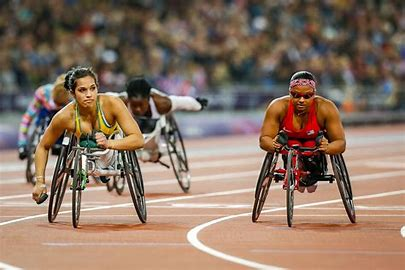
The Paralympic Games are designed for athletes with physical disabilities, mirroring the structure of the Olympic Games with both Summer and Winter editions, alternating every two years. These games include a variety of sports that are adapted for athletes with physical impairments such as amputations, visual impairments, spinal cord injuries, and other mobility limitations.
Athletes are classified into specific disability categories, and within each group, athletes are further categorised based on the extent of their disabilities. This ensures fair competition among athletes with similar abilities. In some cases, athletes may be reclassified as their conditions change.
Since the first Paralympic Games in 1960, participation has grown significantly. The inaugural games featured 400 athletes from 23 countries, whereas the Tokyo 2020 Paralympics involved 4,403 athletes from 164 countries competing across 22 sports.
Special Olympics:
The Special Olympics is a global organisation that supports children and adults with intellectual disabilities by offering year-round sports training and competitions. The organisation reaches over 5 million participants across 172 countries.
The Special Olympics World Games are a major sporting event held every two years, alternating between Summer and Winter Games. The first Special Olympics World Games took place in 1968 in Chicago, with over 1,000 athletes from the US and Canada. Ireland also played a significant role in the movement, as Dublin hosted the first Special Olympics World Summer Games held outside of the US in 2003, with participation from over 7,000 athletes from 150 countries.
4. Older Adults
Note
Older adults face physical and social barriers to physical activity, but benefit from initiatives aimed at promoting active lifestyles and healthy ageing.
Note
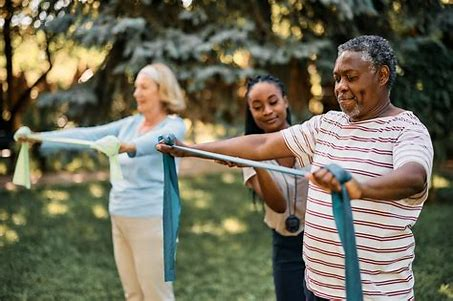
According to the World Health Organisation (WHO), adults aged 65 and older should aim to complete at least 30 minutes of moderate-intensity physical activity on five days per week, totalling 150 minutes weekly.
A 2014 MRBI poll revealed that one-third of older adults in Ireland met the daily recommended physical activity guidelines. Research conducted by Age & Opportunity's Go for Life Programme and Sport Ireland (2015) showed:
- 26% of older adults are classified as 'highly active'
- 27% fall into the 'medium' activity category, an increase from 18% This equates to a total of 53% of older adults in Ireland engaging in regular physical activity.
Discrimination Against Older People
Note
Discrimination refers to treating people unfairly or unjustly based on characteristics such as age, gender, or race. Prejudice is when people form negative opinions about others without any actual knowledge or experience.
Older adults can face prejudice or discrimination when their abilities are doubted because of their age. Physical activity is often viewed as something only young people should engage in, which leads to older adults feeling unwelcome or unable to participate in sports and physical activities. For example, stereotypes can make older individuals feel as though they are incapable of participating in activities they enjoy, or that they are no longer valued in these spaces.
In the past, some sports organisations struggled to meet the needs of older adults. The GAA (Gaelic Athletic Association), however, has recently introduced initiatives like GAA for Dads & Lads and GAA for Mothers & Others, which are inclusive programmes for older athletes. National governing bodies (NGBs) have also created veterans' teams for over-35s and senior leagues for over-50s in soccer and other sports.
Age restrictions in Sports
Discrimination can also arise from age restrictions in sports. For example, older adults might be barred from participating in certain physical activities simply because they are beyond a particular age limit, even though they remain capable of participating. Some NGBs have begun using long-term development models to retain their older members, ensuring that sports continue to provide value throughout life. Yet, much more needs to be done to encourage and enable older adults to maintain their physical activity levels and meet recommended health guidelines.
Stereotyping Older Adults in Sport and Physical Activity
Stereotyping involves making general assumptions about a group of people. Negative stereotypes about older adults often depict them as weak, frail, or in decline. Common beliefs portray older people as dependent, socially isolated, or unwell, making them less likely to be seen as capable of engaging in sports or physical activities.
These harmful stereotypes can deter older adults from participating in sports, as they may internalise these beliefs and avoid activities they would otherwise enjoy. Studies have shown that such attitudes not only impact the way others perceive older adults but also reduce the likelihood of older adults pursuing physical activity. By reinforcing ideas that sports are only for the young, these stereotypes limit the physical, mental, and emotional benefits older adults could gain from staying active.
Key Strategies to Combat Discrimination and Stereotyping
- Inclusive Initiatives: Encourage organisations to develop more programmes like GAA for Dads & Lads and veterans' leagues.
- Awareness Campaigns: Use media to challenge negative stereotypes of ageing and promote examples of older adults thriving in sports.
- Policy Adjustments: Advocate for flexible age limits in sports and ensure older adults have access to lifelong sports participation opportunities.
- Education for All Ages: Educate younger generations to value physical activity for all ages, not just the young, and address ageism directly.
Supports
Initiatives such as Go for Life and the National Grant Scheme for Sport and Physical Activity for Older People encourage older adults to stay active through various programmes and grants. These initiatives focus on promoting health, providing suitable activity options, and creating supportive environments for older adults.
Example:
- Go for Life: Offers classes in activities like tai chi and walking football specifically designed for older adults, helping them stay active and social.
Barriers
Older adults may face fear of injury, lack of access to age-appropriate activities, financial constraints, health issues, and time commitments limiting their ability to participate in physical activities. These barriers can prevent older adults from engaging in regular physical activity, which is crucial for maintaining health and well-being.
Example:
- Fear of Injury: Older adults may avoid physical activity due to concerns about falls and fractures.
Health Barriers
Health barriers include physical limitations due to illness or ageing, obesity, strength or balance impairments, and chronic diseases such as diabetes or arthritis. Fatigue, pain, and depression are also common health-related obstacles that older adults may face when trying to engage in physical activity.
Psychological Barriers
Psychological barriers involve a lack of confidence, fear of falling or injuring themselves, and a general lack of motivation. Many older individuals may also experience a fear of crime or adopt a sedentary lifestyle mindset. Additionally, gender-related issues can be a psychological barrier for some.
External Barriers
External barriers include factors like a lack of time, inadequate facilities, and limited or non-existent public transport. Financial constraints can prevent older adults from participating in physical activities, as can a lack of guidance or information. In some cases, there is also a lack of a sense of community, weather conditions, loneliness, and social isolation. Finally, older age demographics may feel that they are not prioritised in current policies, which can limit their participation.
Addressing the barriers
Policies
The Get Ireland Active initiative, the National Positive Ageing Strategy (2013), and the National Sports Policy 2018–2027 are all designed to enhance the participation of older adults in physical activity and sports. These policies aim to promote healthy ageing through active living.
Initiatives
Several organisations run programmes aimed at increasing physical activity among older adults. These include:
- Age & Opportunity
- Local Sports Partnerships
- National Governing Bodies
- Siel Bleu
- HSE (Health Service Executive) exercise programmes These organisations create and implement campaigns that target older adults, encouraging them to stay physically active. They also promote participation in master-level competitions, which provide opportunities for older adults to compete in sports.
Next Steps
To further encourage physical activity among older adults, several next steps are recommended:
- Increase funding to provide more opportunities for older adults to engage in physical activities.
- NGBs (National Governing Bodies) should facilitate master-level competition categories to encourage continued participation in sports among older adults.
- Promote the benefits of staying physically active to older individuals.
- Create inclusive communities across Ireland that support older adults in maintaining an active lifestyle.
- Healthcare professionals, such as GPs and public health nurses, should play a role in encouraging and educating older adults on the importance of staying physically active.
5. Different Ethnic Groups
Note
Ethnic minorities encounter unique cultural and social barriers, but targeted programmes strive to promote inclusion and participation in physical activities.
Migrants and Asylum Seekers in Ireland:
Migrants are individuals who relocate from one place to another, often in search of better living conditions or employment.
Asylum seekers are individuals seeking international protection due to violence, persecution, or conflict in their home countries. Refugees are those who have been granted asylum and the right to reside in another country. Many migrants, refugees, and asylum seekers in Ireland come from various ethnic backgrounds.
In Ireland, asylum seekers live in Direct Provision centres, where they are provided accommodation, food, and a weekly allowance of €38.80 for adults and €29.80 for children. Conditions in these centres are often criticised. The Irish government has committed to ending Direct Provision by 2024. Once asylum seekers receive refugee status, they are allowed to work and live freely.
Research shows that migrants in Ireland typically have lower participation rates in physical activity and are more prone to ill health compared to the general population.
Benefits of Participation in Physical Activity and Sport for Ethnic Groups:
Involvement in sports and physical activity can foster social inclusion, providing individuals from ethnic minority groups with a sense of belonging and community. Participation in sports not only boosts physical health but also enhances mental and emotional well-being by:
- Improving mental health
- Reducing the risk of cardiovascular diseases
- Mitigating the risk of obesity
- Helping individuals feel accepted and part of a team or community
Note
Sports also promote cultural diversity and social integration. It serves as a platform for people from diverse backgrounds to challenge social norms and embrace differences in culture, ability, and background.
Barriers and Supports for Ethnic Groups:
| Barriers | Supports |
|---|---|
| Cultural and religious barriers | Local Sports Partnerships |
| Social barriers | Schools and educational programmes |
| Language barriers | Policies designed for inclusivity |
| Gender-specific barriers | SARI (Sport Against Racism Ireland) |
| Lack of intercultural openness | Initiatives and campaigns |
| Time constraints | Flexibility in scheduling |
| Funding and financial barriers | Financial support from local initiatives |
| Living conditions | Improved housing and conditions for refugees and migrants |
Supports
Programmes like Sport Against Racism Ireland (SARI) and the Active School Flag Initiative work towards promoting social inclusion through sports. These initiatives focus on breaking down cultural barriers, promoting understanding, and providing opportunities for ethnic minorities to participate in physical activities.
Example:
- SARI: Organises football leagues that bring together people from different ethnic backgrounds, fostering integration and mutual respect.
Barriers
Language barriers, cultural differences, discrimination, economic and social obstacles, such as lack of access to facilities and opportunities, prevent ethnic minorities from participating in physical activities. These barriers can create significant challenges for ethnic minorities seeking to engage in sports and physical activities.
Example:
- Language Barriers: Non-native speakers may find it difficult to understand instructions in sports settings, limiting their participation.
Discrimination and Prejudice in Sport and Physical Activity for Ethnic Groups
Discrimination refers to the unjust or prejudicial treatment of individuals based on their group characteristics.
Prejudice is a preconceived opinion not rooted in reason or actual experience.
Racism involves prejudice, discrimination, or hostility directed towards individuals based on their ethnicity, race, or national origin.
The Equal Status Acts 2000–2015 in Ireland explicitly prohibit discrimination on the grounds of race, colour, nationality, ethnicity, and other social identifiers such as gender and civil status. Racism in sports can take various forms, including exclusion from participation based on physical appearance, language barriers, or religious attire. For example, a sports figure may face exclusion due to wearing specific religious clothing, or an athlete may be verbally abused due to their skin colour, ethnicity, or language. Instances like the Wexford hurling captain Lee Chin facing racial slurs illustrate the ongoing challenges ethnic groups face in sports.
Note
Did you know? Up until the 1960s, it was common to see notices in the UK that read "No dogs, No Blacks, No Irish," showcasing that white Irish people also faced discrimination in the UK and elsewhere.
Stereotyping for Ethnic Minorities
Stereotyping refers to a fixed or generalised belief about a particular group of people. Stereotypes can have both positive and negative connotations. For instance, negative stereotypes often label refugees or asylum seekers as poor or academically incapable. These stereotypes can act as barriers to social inclusion, leading to issues in integration, even for highly educated individuals. In sports, these stereotypes might manifest as assumptions that all black athletes are fast or that people from certain countries excel at specific sports, regardless of individual talent.
Inclusiveness for Ethnic Groups
Inclusiveness involves creating environments and opportunities that ensure people of all backgrounds (age, gender, ethnicity, etc.) feel welcomed and integrated into activities, such as sports. Inclusive initiatives aim to promote participation from ethnic minorities, ensuring equitable access to opportunities, particularly in sports and physical activity. Initiatives like the Football Association of Ireland's (FAI) Intercultural Football Programme and organisations like SARI (Sport Against Racism Ireland) play crucial roles in promoting inclusiveness. They work to enable refugees, migrants, and people from ethnic minorities to engage in sports and physical activities alongside other groups. These efforts help break down cultural and religious barriers while fostering community engagement.
Note
Exam tip: Remember the distinction between equality and equity. Equality means providing everyone with the same support, while equity means giving individuals the specific resources they need to succeed equally.
Addressing the Barriers to Participation for Ethnic Groups in Sport and Physical Activity
Various policies, educational tools, campaigns, and initiatives have been implemented to remove barriers ethnic minorities face in sports and physical activity. Below are some of the key strategies:
Policies:
- National Sports Policy 2018-2027
- Sport Ireland Policy on Diversity and Inclusion
- Equal Status Acts 2000–2015 These policies create inclusive environments for ethnic minorities, encouraging social cohesion and participation in sports.
Education:
- Schools, Local Sports Partnerships (LSPs), and National Governing Bodies (NGBs) are equipped to tackle discrimination. Programmes such as Show Racism the Red Card educate both children and adults on discrimination and the importance of inclusion.
Campaigns and Initiatives:
- Initiatives like Creating a Level Playing Field and The Migrant Integration Strategy 2017-2020 work on the integration of ethnic minorities in sports and promote inclusion through various educational programmes.
Next Steps:
- Hosting Intercultural sports days and festivals at national and local levels can foster participation from ethnic groups.
- Encouraging ethnic role models in sports helps break down stereotypes and inspire broader participation.
- Continued policy improvements should focus on reducing structural discrimination and fostering inclusive environments in every sport.
Media Coverage of Sport for Ethnic Groups
Irish national sports and athletics frequently showcase athletes from ethnic minority backgrounds. These athletes are often featured in high-profile international events, such as track and field competitions, which are broadcast on television and various media platforms.
While media outlets do not explicitly discriminate against ethnic minority athletes in their coverage, there may still be underlying forms of discrimination or bias in the way athletes are portrayed or the amount of attention they receive.
A notable example of inclusion in the media is the Olympic Refugee Team, which participated in both the 2016 and 2020 Olympic Games. This team, composed of athletes from refugee backgrounds, gained significant global attention, being viewed by 3.2 billion people in 2016 and by 3 billion viewers in 2021. Their participation highlighted both the challenges and opportunities for ethnic minorities in international sports.
6. Different Socioeconomic Groups
Note
Socioeconomic status affects access to physical activity, with various programmes working to provide equitable opportunities for all individuals regardless of their financial background.
Note
Socioeconomic Status refers to a person's income, education level, and where they live. Those with lower socioeconomic status may face challenges in accessing sport and physical activity, often due to living in disadvantaged areas. In Ireland, people from lower socioeconomic groups are more likely to experience barriers to sport participation.
In 2017, 35% of people with low income participated in sport compared to 55% with high income. By 2019, this had improved slightly, with 39% of people with low income and 58% of people with high income participating in sports.
Stereotyping Socioeconomic Groups in Sport and Physical Activity
Stereotyping refers to making generalisations or assumptions about people based on their socioeconomic background. In sports, these stereotypes can influence the types of sports individuals are expected to participate in, depending on their income or social class.
For example, there is a common stereotype that individuals from higher socioeconomic backgrounds are more inclined to participate in sports like sailing, polo, or fencing, while those from lower socioeconomic backgrounds are expected to gravitate towards sports like boxing or darts.
These preconceived notions can discourage people from participating in certain sports if they feel that their background doesn't align with the stereotype associated with that sport.
Discrimination and Prejudice in Sport and Physical Activity for Socioeconomic Groups
Discrimination is the unfair or biassed treatment of individuals based on various factors, such as education level, employment status, income, or geographic location. In sports, socioeconomic discrimination can manifest in the form of exclusive membership fees in sports like golf, sailing, or tennis, making these activities inaccessible to those from lower-income backgrounds. Many clubs do not offer pay-as-you-play options, meaning those with lower incomes are excluded from participating. In some cases, clubs even require a nomination for membership, further discouraging people from less privileged backgrounds.
Prejudice occurs when people are made to feel unwelcome due to their socioeconomic status. This can happen to individuals from both lower and higher socioeconomic backgrounds. For example, someone from a lower-income background may feel out of place in a sport typically associated with higher-income participants, and vice versa. Prejudice can also occur in sports environments, such as in rugby, where players from different socioeconomic backgrounds may feel unwelcome due to their school, family background, or neighbourhood, impacting their ability to fully participate or feel included.
Supports
Initiatives like the Sports Capital Programme and the LSP Network aim to provide equitable access to sports facilities and programmes for individuals from lower socioeconomic backgrounds. These programmes focus on reducing financial barriers, improving access to facilities, and creating inclusive opportunities for participation.
Example:
- Sports Capital Programme: Provides funding to improve sports facilities in disadvantaged areas.
Barriers
Socioeconomic barriers include limited financial resources, lack of access to safe facilities, social stigmas, practical barriers such as time constraints, and limited availability of affordable options reducing participation. These obstacles can prevent individuals from lower socioeconomic backgrounds from engaging in regular physical activity.
Example:
- Limited Financial Resources: Inability to afford membership fees or equipment can prevent participation.
Addressing the Barriers to Participation for Socioeconomic Groups
Barriers to participation in sport for individuals from lower socioeconomic backgrounds can be tackled by statutory organisations, the media, and various initiatives. These efforts help improve access to sports and physical activity for all.
Policies
- Equal Status Act 2000
- National Sports Policy 2018–2027
- Sport Ireland's 2021 Diversity and Inclusion Policy
- National Sports Facilities Strategy 2012–2016
- Sport Ireland's Statement of Strategy 2018–2022 Initiatives
- Sport Ireland's Participation Plan 2021–2024
- National Governing Bodies
- Local Sports Partnerships (LSPs)
- Park Run events, which provide free, regular physical activities open to all Next Steps
- Encourage National Governing Bodies (NGBs) to provide grants for those from disadvantaged backgrounds to engage in physical activities.
- Promote the physical and mental health benefits of being active to everyone.
- Foster inclusive communities throughout Ireland, supporting all individuals, irrespective of their socioeconomic standing, to be physically active.
- Invest more in sports hubs and programmes that provide equal access to sporting opportunities for all.
- Develop policies that address physical activities for school-aged children in less affluent communities, counteracting the impact of socioeconomic disadvantage.
- Explore ways to improve access to sports organisations for school leavers and young adults, making activities more affordable and accessible.
Media Coverage of Sport for Socioeconomic Groups
Currently, there are no specific statistics about media coverage of athletes from lower socioeconomic backgrounds in Ireland. Some sports receive more attention than others, which means athletes from more popular sports often benefit from greater media exposure.
For instance, in the 2020 Tokyo Olympics, boxer Kellie Harrington, who hails from a working-class community in inner-city Dublin, received significant recognition after winning gold in the lightweight division. Her victory was widely celebrated in her local area. On the other hand, Ireland's double sculls rowing team, who also won gold, received far less media attention compared to Kellie, highlighting the disparity in media coverage across different sports.