Information and Communication Technology (Grade 10 NSC Matric Computer Application Technology): Revision Notes
📚Revision Notes
Information and Communication Technology
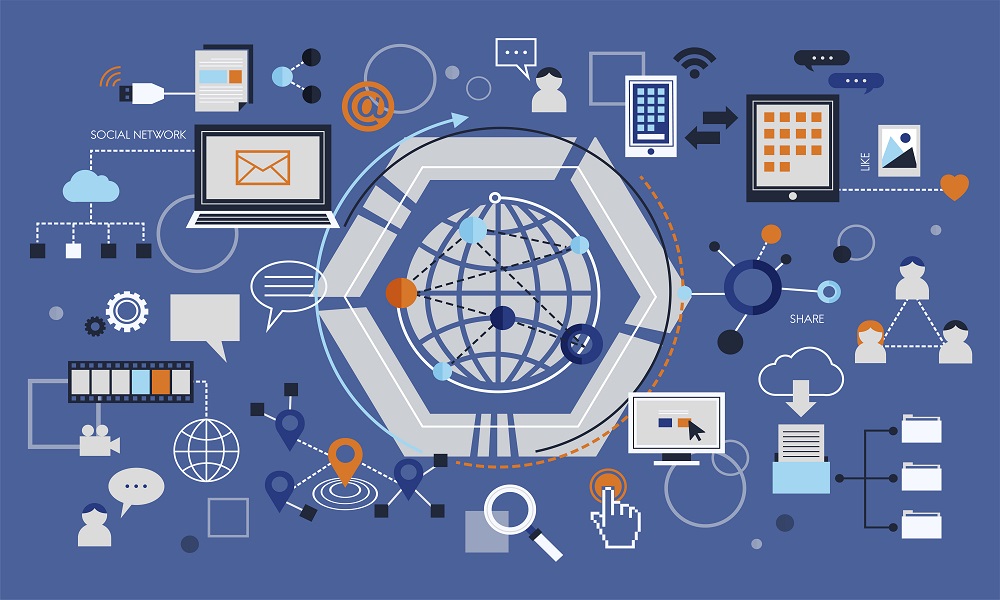
What are ICT systems?
Many people think that ICT systems and computers are the same thing, but they're actually quite different. When we talk about computers, we're referring to the physical hardware - the actual machine itself. An ICT system, however, is much broader and includes everything that makes technology useful in our daily lives.
Note
Understanding the Difference
While a computer is just the physical machine (hardware), an ICT system is a complete technological solution that combines multiple components to process and manage information effectively.
An ICT system refers to the complete setup that consists of four essential components:
- Hardware (the physical equipment like computers, scanners, and printers)
- Software (the programmes and applications that run on the hardware)
- Data (the information that gets processed, like text, numbers, images, sounds, and videos)
- People (the users who operate and interact with the system)
Information and Communication Technology (ICT) is a field that connects computers with communication networks. It encompasses various forms of digital content including audiovisual materials like films and digital productions. The key purpose of ICT systems is to handle data - they receive, store, retrieve, manipulate, and transmit information to help us accomplish tasks more efficiently.
How ICT systems have evolved
In the past, different technologies operated as separate systems. However, modern ICT has brought these technologies together into integrated solutions. Today's computers have become more like smartphones, whilst smartphones have developed computer-like capabilities. This convergence means that ICT now looks at all these technologies as interconnected parts of a unified system.
Important
Critical Requirement for ICT Systems
For an ICT system to work properly, it needs all four components working together. The system must be able to process data in various forms - whether that's text, numbers, sounds, or images - to display meaningful information to users.
Real-world example: Point-of-sale systems
To understand how ICT systems work in practice, let's examine how supermarkets and shops use these systems during the checkout process. What appears to be just a simple cash register is actually a sophisticated ICT system that demonstrates all the key data processing functions.
The barcode scanning process
Every product in a shop has a barcode - a pattern of narrow and wide black stripes that contains important product information. When you see these parallel lines on packaging, you're looking at a clever way of storing data that machines can read quickly and accurately.
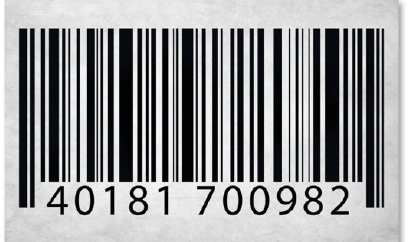
The barcode reader scans these stripes optically and converts the pattern into numerical data. This information gets automatically transferred to the checkout computer (also called a cash register). Often, the barcode reader produces a beep sound after scanning to signal that the item has been successfully identified.
Data processing at checkout
Let's follow what happens to data as it moves through a point-of-sale (POS) system:
Example
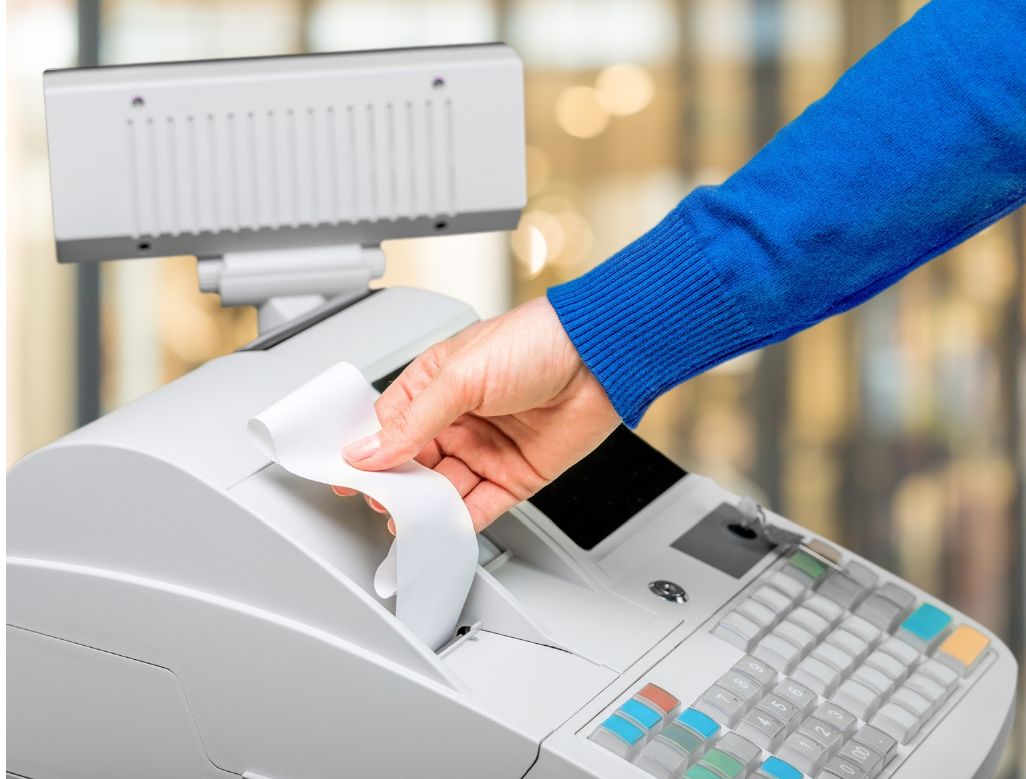
Worked Example: Data Flow in a POS System
Step 1 - Input and storing data: When a product is scanned, the checkout computer looks up the barcode in its database to find the item's price. The system stores a running total of each scanned item temporarily.
Step 2 - Manipulating data: After all items are scanned, the computer calculates the total cost. If paying with cash, the cashier enters the amount given, and the system calculates the exact change needed.
Step 3 - Transmitting data: Throughout scanning, customers see each item's price on the display screen, providing real-time information about their purchase.
Step 4 - Communication: The system can send product data to the main shop computer for stock management or to manufacturers for inventory tracking.
Input and storing data: When a product is scanned, the checkout computer looks up the barcode in its database to find the item's price. The system stores a running total of each scanned item temporarily. It also keeps track of other important information, such as how much money was put into the till during the day.
Manipulating data: After all items have been scanned, the computer calculates the total cost of the purchase. If a customer pays with cash and needs change, the cashier enters the amount given, and the system calculates exactly how much change should be returned. This shows the computer processing and manipulating data based on user input.
Transmitting data: Throughout the scanning process, customers can see information about each item's price on a small display screen. This allows the system to transmit data to users in real-time, keeping them informed about their purchase.
After scanning is complete, the total amount appears on the display. The customer pays, and the system generates a printed receipt showing all purchased items and their individual costs.
Communication: The system can also communicate with other parts of the shop's network. For example, product data might be sent to the main shop computer for stock-taking purposes, or to the manufacturer to help them track their inventory levels.
Key benefits of ICT systems
ICT systems have transformed how businesses operate and how we manage information in our daily lives. These systems enable rapid data processing, reduce human errors in calculations, maintain accurate records, and facilitate communication between different parts of an organisation.
Note
Integration Benefits
The integration of hardware, software, data, and people creates powerful solutions that can handle complex tasks efficiently. Whether it's processing payments, managing inventory, or communicating between locations, ICT systems have become essential tools in modern commerce and communication.
Summary
Key Points to Remember:
- ICT systems consist of four key components: hardware, software, data, and people - all working together
- ICT systems are more comprehensive than just computers - they include the complete technological setup
- Barcodes are patterns of stripes that store product information in a machine-readable format
- POS systems demonstrate all major data processes: input, storage, manipulation, transmission, and communication
- Modern ICT integrates previously separate technologies into unified, interconnected systems