Uses of Networks (Grade 10 NSC Matric Computer Application Technology): Revision Notes
📚Revision Notes
Uses of Networks
Networks have become an essential part of our daily lives, from schools and businesses to our homes. The main purposes of networks can be organised into four key categories that help us understand why they are so important in today's digital world.
Main categories of network uses
Networks serve several important functions that can be grouped into these primary areas:
- Sharing resources - Making information and physical resources available to multiple users
- Connecting people - Enabling communication between individuals across the globe
- Organising information - Helping people collaborate and manage data effectively
- Access to entertainment - Providing widespread access to media and recreational content
Note
These four categories work together to create the comprehensive networking environment we use today. Understanding each category helps explain why networks have become so fundamental to modern life.
Let's explore each of these uses in detail to understand how networks benefit individuals and organisations.
Sharing resources
One of the fundamental purposes of any network is to enable the sharing of both digital and physical resources among connected users.
Information sharing
Networks excel at making information available to multiple people simultaneously. This includes providing access to the internet, shared files stored on servers, and databases that multiple users need to access. For example, in a school network, students can all access the same educational resources and research materials without needing individual copies.
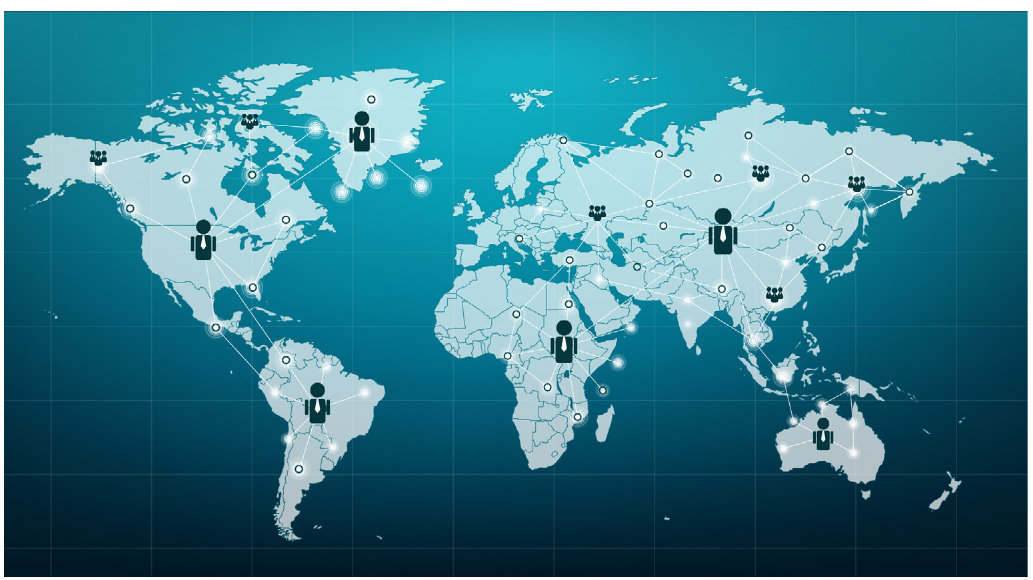
The global reach of networks is remarkable - according to United Nations data, internet usage grew dramatically from 738 million people in 2000 to 3.2 billion users by 2015. This massive growth demonstrates how networks have made information sharing accessible to billions of people worldwide.
Hardware sharing
Networks also allow multiple users to share expensive hardware devices efficiently. Instead of buying a printer for every computer, a network enables many people to use a single printer or scanner. This approach reduces costs significantly whilst ensuring everyone has access to the equipment they need.
Example
Practical Example: Office Printer Sharing
Instead of purchasing 20 printers for 20 employees:
- Install 1 network printer accessible to all 20 computers
- Cost saving: Approximately 95% reduction in printing equipment costs
- Result: All employees can print when needed while the organisation saves thousands of pounds
File sharing
In office environments, networks typically include a central server that stores shared files and documents. Any employee who needs access to specific files can retrieve them through the network connection, making collaboration much more straightforward and ensuring everyone works with the most current versions of documents.
Access to services
Modern networks extend beyond just computer resources to include access to real-world services. Online banking, investment platforms, and crowdfunding websites provide access to financial services, whilst expert advice and support can be accessed from anywhere in the world through network connections.
Cloud computing and storage
An important concept in modern networking is cloud computing, which refers to accessing and storing information on internet servers rather than on local computer hard drives.
Important
Key Cloud Computing Advantages:
- Reliability and convenience - Files stored in the cloud remain accessible even if your computer crashes
- Backup capabilities - Information is automatically backed up and protected
- Universal access - You can reach your files from any internet-connected device
- No local storage limits - Cloud storage can expand as needed
Popular cloud services like Gmail and other web-based email systems demonstrate how cloud computing has already become part of everyday life for most internet users.
Organising information
Networks provide powerful tools for organising and managing information collaboratively. This capability ranges from simple applications like shared calendars to complex systems that coordinate global operations.
Small-scale organisation
At a basic level, networks enable people to collaborate on organising events through tools like Google Calendar, where multiple people can coordinate schedules and plan activities together efficiently.
Large-scale coordination
Networks also support massive organisational systems, such as Google Maps, which provides driving directions across more than 240 countries and covers over 64 million kilometres of roads. This represents an enormous collaborative effort to organise geographical information that benefits millions of users daily.
Note
The scale difference between small personal organisation and global systems like Google Maps demonstrates the incredible versatility of network-based information organisation.
Centralised information management
By storing information in central network locations, teams can work together to organise data in ways that are logical and accessible to everyone involved. This centralised approach prevents confusion and ensures information remains consistent and up-to-date.
Connecting people
Networks serve as powerful communication tools that enable people to connect with others anywhere in the world through various methods.

Communication methods
Modern networks support numerous ways for people to communicate:
- Email systems for written correspondence
- Video calling for face-to-face conversations
- Social networks like WhatsApp for instant messaging
- Instant messaging services for quick communication
Global reach
Computer networks make it possible for people to communicate instantly with others anywhere in the world, breaking down geographical barriers and enabling global collaboration on an unprecedented scale.
Access to entertainment
Networks have revolutionised access to entertainment, transforming what was once expensive and limited into affordable and virtually unlimited options.
Entertainment evolution
In the past, entertainment options were expensive and restricted to what individuals could afford to purchase. Today, internet access provides entry to an enormous variety of entertainment content including films, music, books, news, and social interactions.
Unlimited variety
Network connections offer access to:
- Streaming services for films and television programmes
- Music platforms with millions of songs
- Digital books and publications
- News sources from around the world
- Social platforms for connecting with friends and communities
- Gaming networks for interactive entertainment
This transformation has made entertainment more accessible to people across all economic backgrounds.
Advantages and disadvantages of networks
Like any technology, networks bring both benefits and challenges that users must consider.
Important
Advantages of Networking
Enhanced communication capabilities Networks make it much easier for people to communicate with others around the world through various digital channels, breaking down geographical barriers.
Efficient information transfer Data and information can be quickly transferred or copied between computers on the network, making collaboration and file sharing much more efficient.
Shared hardware access Multiple users can access expensive devices like printers and scanners through the network, making these resources available to many people simultaneously.
Centralised software management Software applications can be installed or updated from one central location, making maintenance more efficient and ensuring everyone has access to the latest versions.
Central data storage Information and data can be stored in one secure location, making it easier to manage, backup, and access when needed.
Important
Disadvantages of Networking
Online crime risks Network connections can expose users to various online crimes including identity theft, credit card fraud, and sophisticated scams that target personal information.
Virus transmission Computer viruses and malware can spread quickly from one networked computer to others, potentially affecting entire systems if proper security measures aren't in place.
Security and privacy vulnerabilities
Since computers are interconnected, there's always a risk that unauthorised individuals might attempt to access private or restricted information through network connections.
Maintenance requirements Networks require dedicated administrators to manage and maintain them properly, which adds complexity and ongoing costs to any organisation.
The internet as the network of networks
The internet represents the ultimate example of network connectivity - it's essentially a global network made up of billions of computers and electronic devices all connected together.
Global connectivity
The internet enables access to virtually unlimited information and allows communication with people anywhere in the world. Users can perform countless activities including:
- Sending emails and using social media platforms
- Online shopping and bill payment
- Streaming music and entertainment content
- Learning new skills and meeting new people
Speed and convenience
One of the internet's greatest strengths is its speed and quick communication it enables between people across vast distances, making global collaboration and interaction possible in ways never before imagined.
Network dependency
The internet's power comes from its role as the driving force behind telecommunications networks. It connects not just computers, but enables the entire digital communication infrastructure that modern society depends upon.
Summary
Key Points to Remember:
-
Networks serve four main purposes: sharing resources, connecting people, organising information, and providing entertainment access
-
Resource sharing includes: internet access, file sharing, hardware sharing, and access to various services both digital and financial
-
Cloud computing allows access to files and applications stored on internet servers rather than local computers, providing backup and universal access
-
Global communication is enabled through various network tools including email, video calls, social networks, and instant messaging services
-
Networks have both advantages and disadvantages - while they enhance communication, enable resource sharing, and provide entertainment access, they also introduce risks like online crime, viruses, and security vulnerabilities that require proper management and protection