HIV Infection Rates in Southern Africa (Grade 10 NSC Matric Geography): Revision Notes
📚Revision Notes
HIV Infection Rates in Southern Africa
Understanding HIV and AIDS
Important
HIV (human immunodeficiency virus) is a virus that specifically targets and destroys CD4 cells, which are crucial components of the body's immune system. When someone becomes infected with HIV, the virus gradually weakens their ability to fight off other infections and diseases.
AIDS (acquired immune deficiency syndrome) represents the advanced stage of HIV infection. A person living with HIV progresses to AIDS when their CD4 cell count drops below a critical level or when they develop symptoms of certain opportunistic diseases that healthy immune systems would normally prevent.
While HIV cannot be completely cured, it can be effectively managed and treated with proper medical care. The spread of HIV can be prevented through appropriate precautions, though millions of people worldwide continue to be affected by this virus, with infection rates varying significantly across different regions.
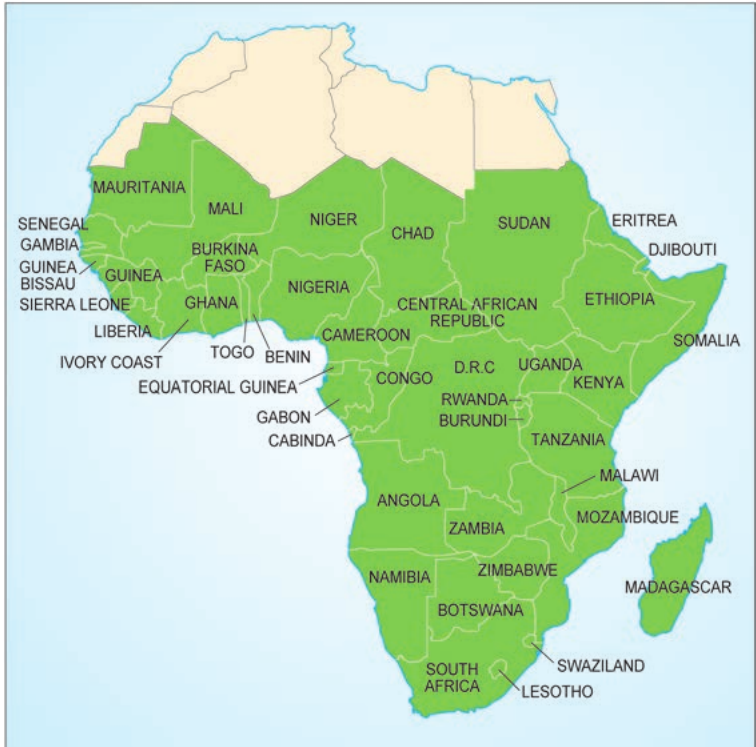
Global distribution of HIV infection
Sub-Saharan Africa bears a disproportionate burden of the global HIV epidemic. The region demonstrates significantly higher infection rates compared to the rest of the world, making it the most severely affected area globally.
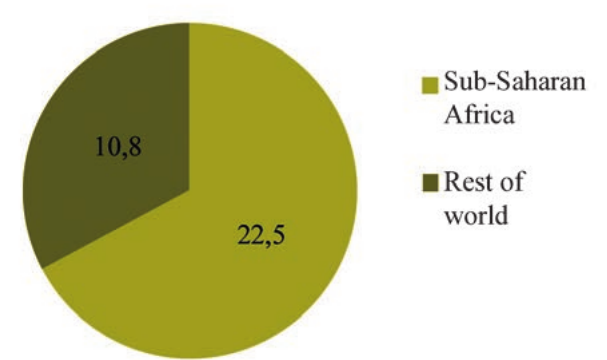
People living with HIV worldwide (2009)
The global distribution of HIV infections shows a stark contrast between Sub-Saharan Africa and other regions:
Note
Global HIV Distribution:
- Sub-Saharan Africa: 22.5 million people living with HIV
- Rest of the world: 10.8 million people living with HIV
This means that Sub-Saharan Africa, despite having only about 12% of the world's population, accounts for approximately 68% of all people living with HIV globally.
New HIV infections in 2009
The pattern of new infections follows a similar trend:
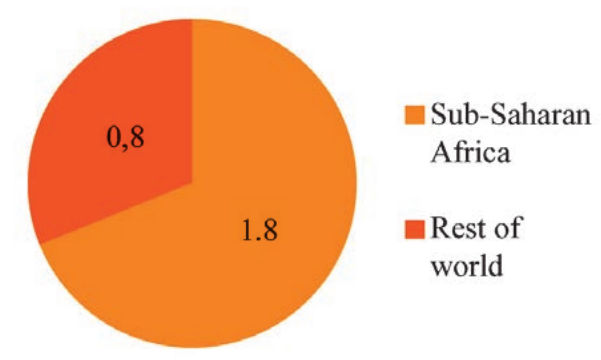
- Sub-Saharan Africa: 1.8 million new infections
- Rest of the world: 0.8 million new infections
Sub-Saharan Africa accounted for roughly 69% of all new HIV infections in 2009, highlighting the ongoing challenge of HIV transmission in the region.
HIV infection patterns in Southern African countries
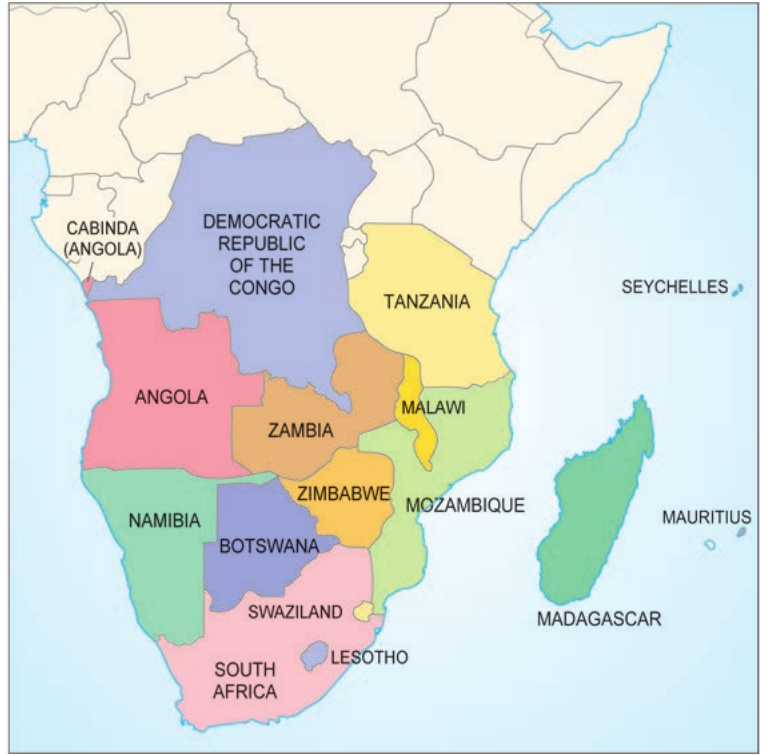
The Southern African Development Community (SADC) countries represent some of the most severely affected nations within the Sub-Saharan region. These 15 member countries include South Africa, Botswana, Zimbabwe, Zambia, Namibia, Swaziland, Lesotho, Mozambique, Malawi, Angola, Tanzania, Democratic Republic of the Congo, Madagascar, Mauritius, and Seychelles.
Global prevalence patterns
Note
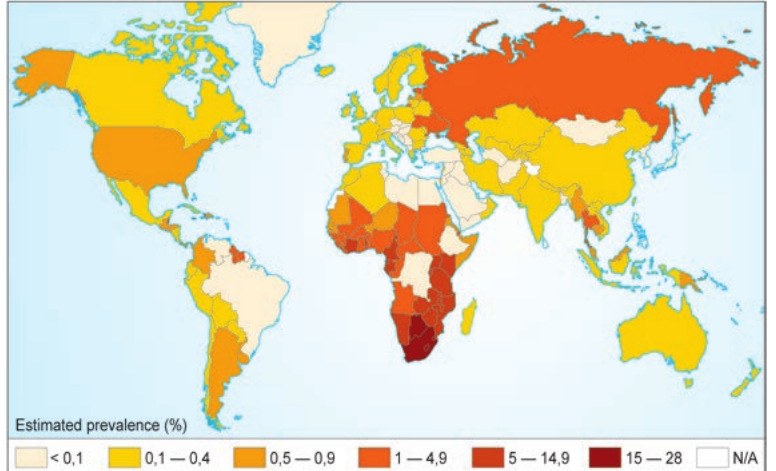
The world map showing estimated HIV prevalence rates reveals that Southern African countries consistently display the highest infection rates globally, with many countries showing prevalence rates between 15-28% of the adult population. This contrasts sharply with most developed nations, which typically show rates below 1%.
Gender disparities in Southern Africa
Women and girls face disproportionately higher HIV infection rates in Sub-Saharan Africa:
Important
Gender Impact of HIV in Southern Africa:
- 60% of people living with HIV are female
- 40% of people living with HIV are male
This gender imbalance reflects complex social, economic, and cultural factors that increase women's vulnerability to HIV infection in the region.
Changes in HIV infection rates over time (1990-2008)
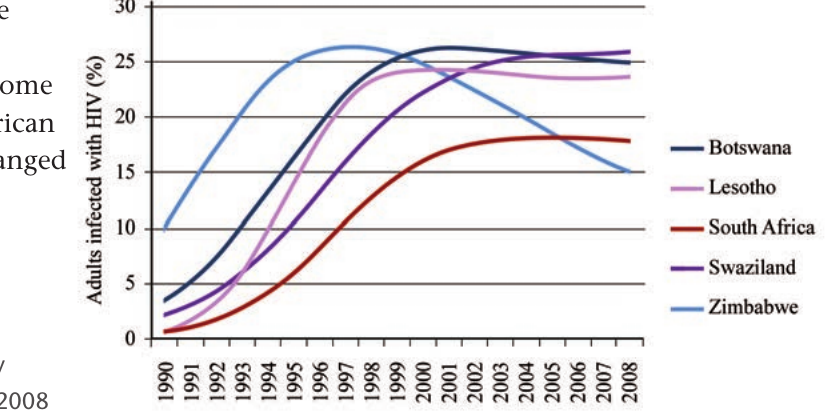
The evolution of HIV infection rates in five key Southern African countries shows distinct patterns of epidemic growth, peak infection periods, and recent stabilisation or decline.
Key trends observed:
Epidemic growth phase (1990s):
- All five countries experienced dramatic increases in HIV infection rates during the 1990s
- This period represents the peak of the AIDS epidemic in Southern Africa
- Infection rates rose from near zero to devastating levels within a single decade
Peak infection periods (late 1990s to early 2000s):
- Botswana and Zimbabwe: Reached the highest infection rates, approaching 25-26% of the adult population
- Swaziland and Lesotho: Achieved peak rates of approximately 24-26%
- South Africa: Showed more gradual increases, reaching about 18% by 2008
Recent trends (2000s):
- Zimbabwe: Demonstrated the most significant decline, dropping from peak levels by 2008
- Other countries: Generally showed stabilisation of infection rates
- South Africa: Continued to have more people living with HIV than any other country globally, with an estimated 5.6 million HIV-positive people by 2009
Factors contributing to declining HIV infection rates
Recent stabilisation and decline in HIV infection rates across Southern Africa result from two main factors identified by the Joint United Nations Programme on AIDS (UNAID):
Prevention programmes
HIV prevention initiatives have begun showing measurable impact on sexual behaviour patterns:
- Increased condom use: In South Africa, condom use during first sexual encounters rose dramatically from 31.3% in 2001 to 64.8% in 2008
- Behaviour change campaigns: Public awareness programmes have encouraged safer sexual practices
- Education initiatives: Communities have become more informed about HIV transmission and prevention
Treatment programmes
Medical interventions have significantly improved outcomes:
- Prevention of mother-to-child transmission: The percentage of HIV-positive pregnant women receiving treatment increased from 9% in 2004 to 54% in 2009
- Antiretroviral therapy: Improved access to HIV treatment has helped people live longer, healthier lives
- Healthcare infrastructure: Better medical facilities and trained personnel have enhanced HIV care
Case study: Zimbabwe's success in reducing HIV rates
Example
Zimbabwe's HIV Reduction Success Story
Zimbabwe demonstrates the most dramatic improvement in HIV infection rates within the Southern African region, with infections declining from approximately 29% in 1997 to 16% by 2007.
Key factors in Zimbabwe's success:
Increased awareness and behaviour change:
- Greater public understanding of AIDS-related deaths heightened community awareness about HIV risks
- Fears of contracting HIV motivated people to adopt safer sexual practices
- Reduced numbers of concurrent sexual partners became more common
Social and economic influences:
- Economic constraints limited people's ability to maintain multiple relationships
- Mass media campaigns reinforced prevention messages through churches, community leaders, and employers
- Educational programmes specifically targeted young people in Africa
Prevention programme effectiveness:
- Comprehensive HIV/AIDS prevention and treatment programmes showed measurable results
- Community-based interventions helped change attitudes towards sexual behaviour
- Healthcare improvements made testing and treatment more accessible
Zimbabwe's experience demonstrates that declining HIV infection rates are achievable through coordinated prevention efforts, behaviour change programmes, and improved healthcare access.
Summary
Key Points to Remember:
-
HIV attacks CD4 cells in the immune system, while AIDS develops when CD4 counts drop critically low or opportunistic infections appear
-
Sub-Saharan Africa bears 68% of the global HIV burden despite having only 12% of world population, with Southern African countries most severely affected
-
HIV infection rates peaked in the late 1990s across Southern Africa, with countries like Botswana and Zimbabwe reaching 25-26% adult prevalence rates
-
Recent decline and stabilisation result from successful prevention programmes (increased condom use from 31% to 65% in South Africa) and treatment programmes (54% of HIV-positive pregnant women receiving treatment by 2009)
-
Zimbabwe's dramatic success - reducing infections from 29% to 16% between 1997-2007 - demonstrates that coordinated prevention efforts, behaviour change, and improved healthcare access can significantly reduce HIV transmission rates