Social and Economic Effects of HIV and AIDS (Grade 10 NSC Matric Geography): Revision Notes
📚Revision Notes
Social and Economic Effects of HIV and AIDS
HIV and AIDS have devastating impacts that extend far beyond individual health. When people progress from HIV to AIDS, they often become unwell for extended periods, even with treatment. Unfortunately, many people still die from AIDS-related illnesses, particularly where antiretroviral treatment is not accessible.
The crisis particularly affects people aged 15-49 years in Southern Africa - the very people who should be contributing most actively to the economy as workers, household heads, and family breadwinners. This creates a ripple effect that impacts society at multiple levels.
Effects on business, social services and the economy
HIV and AIDS create significant economic challenges for businesses and public services. Understanding these impacts helps explain why this health crisis becomes an economic and social crisis too.
Note
The interconnected nature of health, economics, and society means that HIV and AIDS create cascading effects that impact every level of community life, from individual workplaces to national economic stability.
Workplace productivity challenges
When employees become ill with HIV-related conditions, several problems arise:
- Increased absenteeism - Workers are absent more frequently and cannot work as effectively when present, leading to decreased productivity
- Higher medical costs - HIV-positive employees require more medical support than other workers, increasing company healthcare expenses
- Rising wage costs - Employers must hire replacement staff to cover for absent or deceased workers
- Early retirement pressures - Employees may retire sooner than expected, putting strain on company pension funds and increasing funeral benefit costs
Training and skills challenges
Companies face expensive recruitment and training cycles:
- Constant retraining needs - New staff must be recruited and trained regularly, which is costly and time-consuming
- Loss of experience - Even when new employees are trained, they often lack the expertise that experienced workers had developed
- Reduced service quality - With less experienced staff, companies and government services may struggle to deliver what their clients need
Broader economic impacts
The effects extend throughout the economy:
- Reduced government revenue - When many people are too sick to work, they cannot earn money or pay taxes like income tax and VAT, reducing government income
- Increased healthcare demands - Hospitals need more beds and bigger budgets to care for sick people, taking money away from other essential services like education
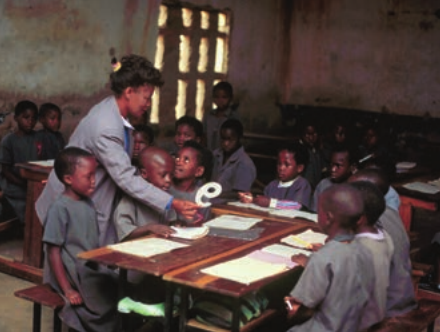
- Service delivery problems - If many teachers, nurses, or other public service workers have HIV, patients might not receive proper hospital care and students might miss lessons
Note
Case Study Success Story
The case study of Anglo American mining company shows how businesses can respond positively by providing free antiretroviral treatment to employees, which actually saves money by reducing absenteeism and improving productivity.
Effects on households
HIV and AIDS profoundly impact family structures and household economics. When family members become ill or die, the entire household feels the consequences.
Economic impacts on families
Families affected by HIV face a double burden of reduced income and increased expenses:
- Decreased family income - When the main breadwinner becomes too sick to work or dies, the family loses its primary source of money
- Higher medical expenses - Caring for sick family members requires money for transport to clinics, medicines, and medical care
- Reduced food security - With less money coming in and more going out, families struggle to afford adequate food
- Educational disruption - Many families can no longer afford school fees, uniforms, or supplies for their children
Social impacts and family structure changes
HIV and AIDS cause significant changes to traditional family structures:
- Emotional strain - Caring for sick family members creates stress and trauma for all family members, especially children who may not fully understand the situation
- Family separation - When parents die, children are often sent to live with extended family members or in children's homes
- Reversed care roles - Sometimes children must care for sick parents instead of being cared for themselves
Child-headed households
Important
Child-headed households are families where children take care of younger siblings without any adult present in the home. This represents one of the most serious social problems created by the HIV/AIDS crisis.
This serious social problem occurs when:
- Parents have died from AIDS-related illnesses
- No adult relatives are available or willing to take in the children
- Older children must take on adult responsibilities while still being children themselves
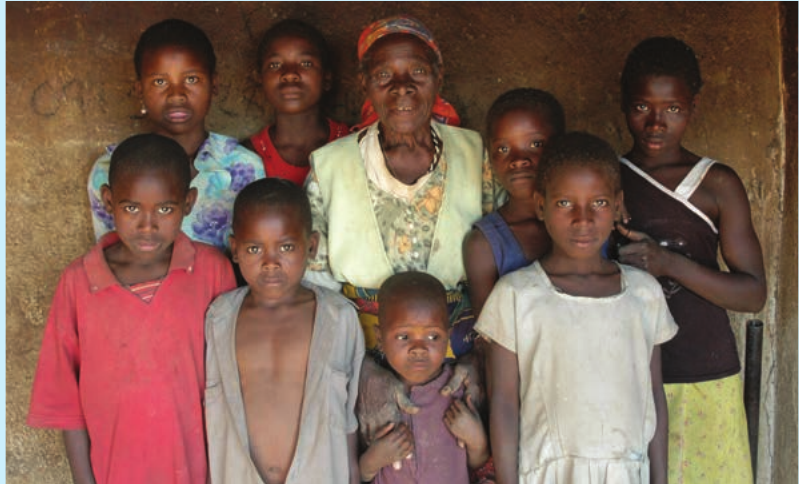
- Elderly grandparents may become primary carers for multiple orphaned grandchildren
Note
Generational Impact
The case study of Granny Gomo illustrates how elderly people often become carers for multiple grandchildren after their adult children die from AIDS, creating additional strain on already vulnerable family members.
Real family impacts
Case studies show the harsh realities families face:
Example
Real Family Challenges
Educational challenges: Many children cannot attend school because they must care for sick family members or work to support the family. Even when children want to attend school, families cannot afford fees or uniforms.
Financial struggles: Families sell possessions like televisions and radios to pay for medical care and basic needs. Some families face hunger because there is insufficient money for both food and medicine.
Resource depletion: Life savings are quickly exhausted paying for medical care and funerals, leaving families with no financial security for the future.
Summary
Key Points to Remember:
-
Workplace impacts: HIV and AIDS reduce productivity, increase costs, and strain business operations through absenteeism and skills loss
-
Economic burden: The crisis reduces government tax revenue while increasing demand for healthcare services, creating budget pressures
-
Household disruption: Families lose income while facing higher medical expenses, often leading to poverty and food insecurity
-
Social restructuring: Traditional family structures change, with children sometimes becoming carers or household heads
-
Generational effects: The crisis particularly impacts working-age adults, leaving children and elderly people to cope with responsibilities beyond their capacity