Population Distribution and Density (Grade 10 NSC Matric Geography): Revision Notes
📚Revision Notes
Influencing Factors
Introduction
Many different elements work together to determine where people choose to live and how crowded these places become. Understanding why some areas have dense populations while others remain sparsely populated is crucial for geography students. These influencing factors fall into two main categories that shape settlement patterns across our planet.
Note
Population distribution refers to how people are spread across the Earth's surface, while population density measures how many people live in a specific area. Both are influenced by the same key factors.
Natural factors are environmental conditions based on physical geography. These include terrain features, weather patterns, plant life, soil quality, and available natural resources. Socio-economic factors relate to human society and economic activities, such as job opportunities, ways of earning income, and social systems that attract or discourage settlement.
Natural factors affecting population distribution
Natural environmental conditions create either opportunities or barriers for human settlement. Let's examine how each physical factor influences where people live and in what numbers.
Relief and terrain
The shape and elevation of land significantly impacts population patterns. Mountainous regions with steep slopes, thin soils, and extreme temperatures at high altitudes typically discourage large populations. Examples include the challenging conditions found in the Andes Mountains, where harsh terrain makes farming difficult and transportation expensive.
In contrast, flatter areas with gentle slopes and deeper soils attract higher population densities. The Nile Delta exemplifies how low-lying, flat terrain supports intensive agriculture and dense settlement. These areas allow easier construction of homes, roads, and farming infrastructure.
Climate and water supply
Important
Weather patterns and water availability are fundamental to human survival and economic activity. Water shortage is often the primary limiting factor for population growth in many regions worldwide.
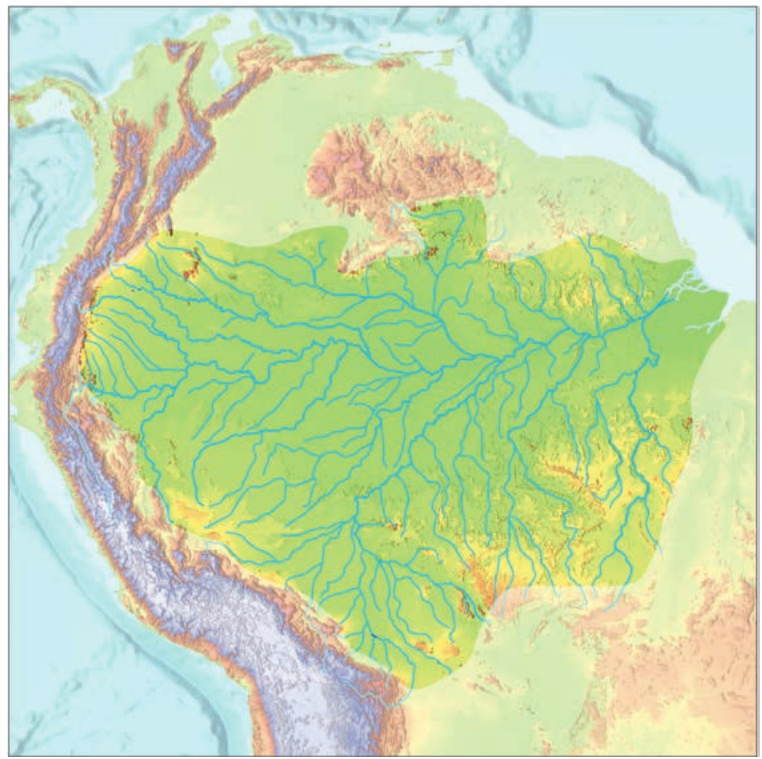
Regions experiencing low annual rainfall, like the Atacama Desert, or unreliable precipitation patterns, such as parts of the Sahel, struggle to support large populations. Areas with extreme temperatures or high humidity, like the Amazon Basin, also present challenges for comfortable living and agricultural development.
Locations with adequate, reliable rainfall and moderate temperatures tend to develop higher population densities. Northwestern Europe demonstrates how favourable climate conditions, including no temperature extremes and lengthy growing seasons, encourage settlement and economic activity.
Vegetation patterns
Natural plant communities reflect environmental conditions and influence human settlement possibilities. Dense tropical rainforests, such as those in the Amazon Basin, create barriers to large-scale settlement due to difficult terrain, disease vectors, and challenges in clearing land for agriculture. Similarly, coniferous forest regions in northeastern Europe, Asia, and northern Canada often have lower population densities.
Grassland areas, particularly those found in the prairies of North America, naturally support higher populations. However, when these grasslands are converted to large mechanised farms, population densities may not reach their full potential due to reduced labour requirements.
Soil quality and fertility
Note
Soil conditions directly affect agricultural productivity, which historically determined settlement patterns. Even today, soil quality remains a major factor in rural population distribution.
Frozen soils in permafrost regions of Siberia make farming impossible, while thin mountain soils in places like Nepal cannot support intensive agriculture. Eroded soils resulting from deforestation and overgrazing, such as those in parts of the Sahel, or leached tropical soils like those in the Amazon Basin, limit agricultural potential.
Deep, fertile soils rich in organic matter and river-deposited nutrients create ideal conditions for high population densities. The Ganges Delta in Bangladesh exemplifies how rich alluvial soils support intensive farming and dense rural populations.
Resources for industry
The presence or absence of mineral deposits and energy sources heavily influences population distribution in the modern world. Regions lacking these resources, such as Tibet, typically remain sparsely populated as they cannot support large-scale industrial development.
Areas with substantial mineral and energy deposits often experience population growth as industrial development creates employment opportunities. The Ruhr Valley in Western Europe and the northeastern United States demonstrate how resource availability leads to urban growth and high population concentrations.
Socio-economic factors
Human activities and economic systems increasingly override natural environmental limitations in determining population patterns. These factors often explain why some areas have larger populations than their natural environment would typically support.
Employment opportunities and economic development
Note
Economic factors have become increasingly important in the modern world, often overriding natural environmental limitations. This explains why some cities thrive in challenging natural environments.
Regions offering many work opportunities naturally attract people through migration, leading to population growth in cities and industrial areas. This economic pull factor explains the rapid growth of large urban centres worldwide, as rural populations move seeking better employment prospects.
Areas with limited economic opportunities, particularly those dependent solely on extensive farming with few workers needed, tend to experience population decline as people migrate elsewhere seeking work.
Intensive farming and agricultural innovation
Modern farming techniques can dramatically increase population capacity in suitable areas. Countries like the Netherlands and Bangladesh demonstrate how intensive agricultural methods can support very high rural population densities, even on relatively small amounts of land.
Advanced irrigation systems also allow populations to grow in areas that would naturally support fewer people. The case of Egypt illustrates this principle perfectly.
Case study: Egypt and the Nile River
Example
Case Study Example: Egypt's Population Distribution
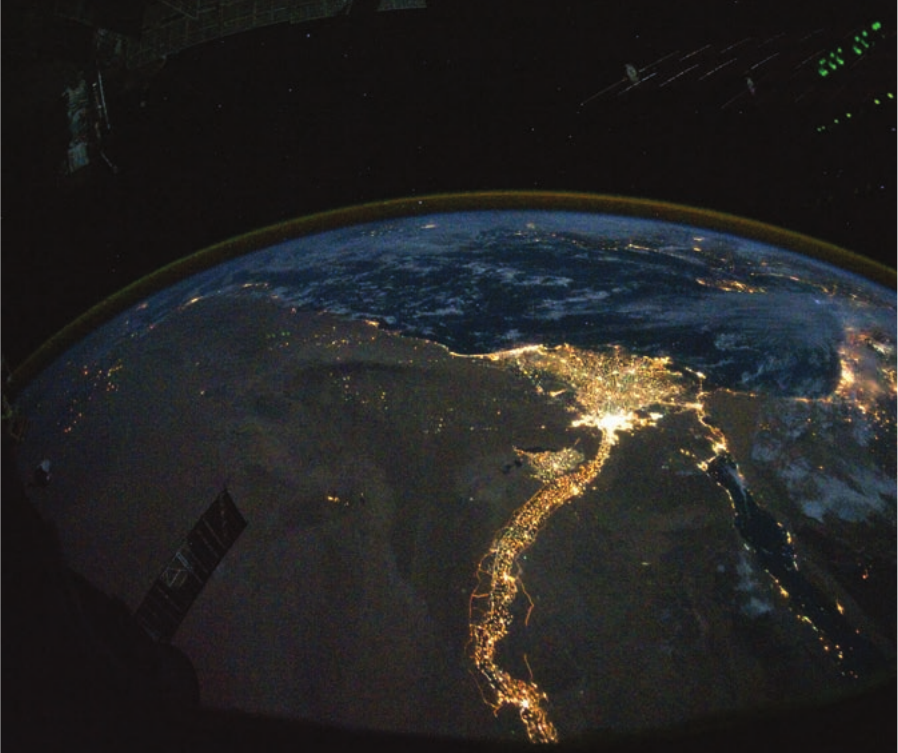
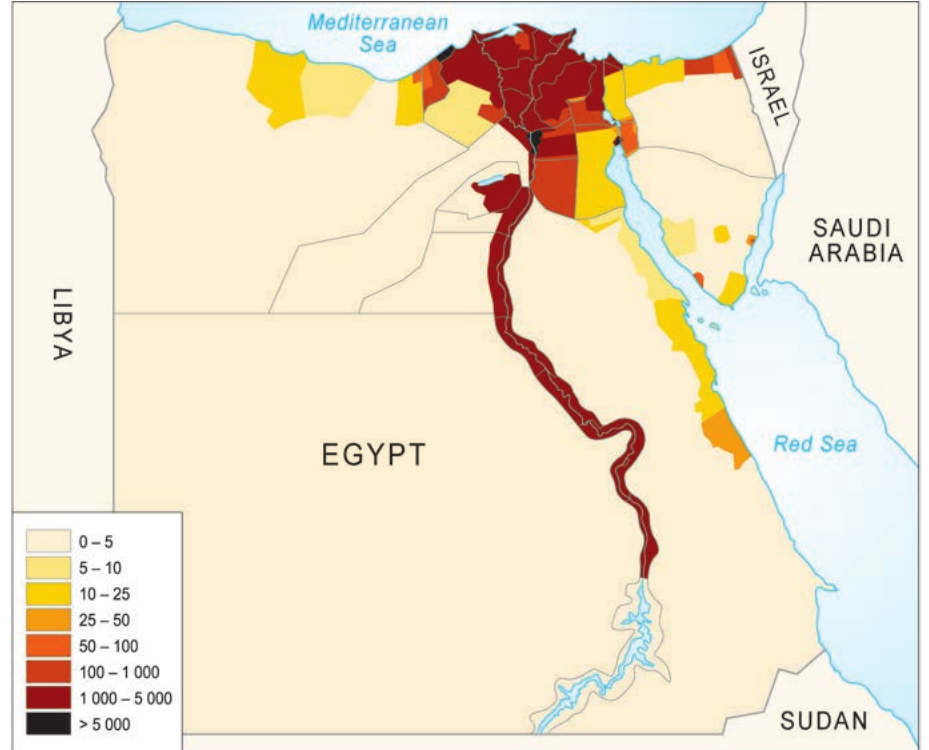
Egypt provides an excellent example of how one crucial factor can override others in determining population distribution. Despite being largely desert, Egypt supports a substantial population concentrated along the Nile River and in the Nile Delta.
Key Facts:
- 85% of Egypt's water usage goes toward irrigation
- Irrigation systems developed over 4,000 years
- Average farm size is only 1.7 hectares
- Most of Egypt's population lives along the Nile despite 90% of the country being desert
The Nile's Impact: The Nile River system has enabled Egyptian civilisation for thousands of years by providing essential water resources in an otherwise arid environment. Egyptians have developed sophisticated irrigation systems, evolving from ancient flood-based farming to modern canal systems controlled by dams like the Aswan High Dam.
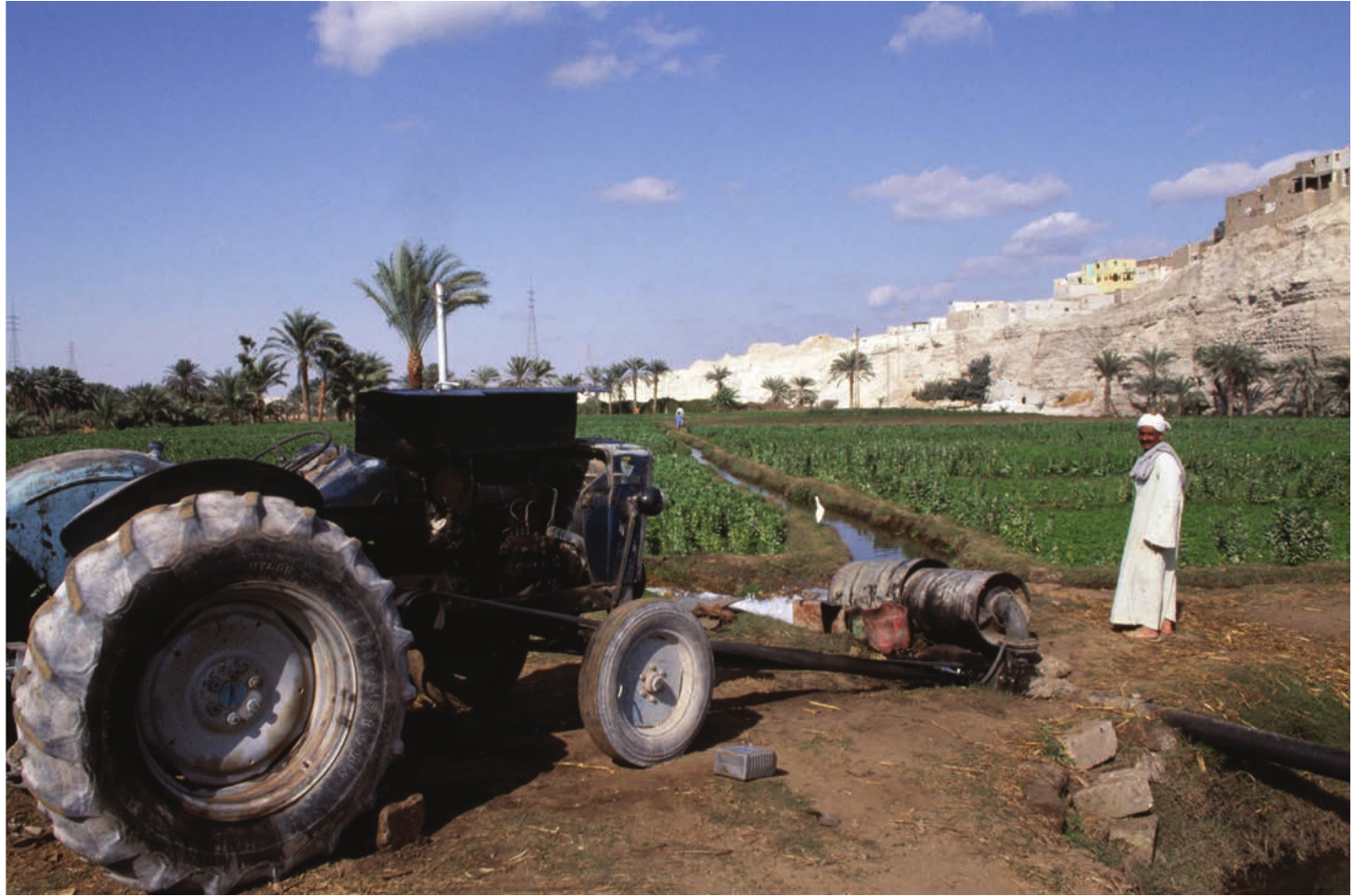
This water source enables multiple crop harvests per year and supports both traditional and modern farming methods. The reliable water supply allows intensive cultivation that supports high population densities along the river valley and delta regions.
The contrast between population distribution along the Nile and in Egypt's desert regions demonstrates how a single crucial resource can concentrate human settlement in otherwise challenging environments.
The complex interaction of factors
Important
No single factor determines population patterns in isolation. The natural environment provides opportunities and sets limitations, but human ingenuity, technology, and social organisation determine how people respond to these conditions.
For instance, areas with limited rainfall have sometimes developed thriving populations through irrigation technology and water management systems. Similarly, regions rich in natural resources may remain sparsely populated without adequate transportation networks, political stability, or investment in development infrastructure.
Modern technology increasingly allows humans to overcome natural limitations, though this often requires significant economic resources and technical expertise that may not be available everywhere.
Summary
Key Points to Remember:
-
Six main factors influence population distribution: relief, climate and water supply, vegetation, soils, resources for industry, and socio-economic conditions
-
Natural factors set the foundation for where people can live comfortably, but human factors often override environmental limitations
-
Water availability is often the most crucial factor, as demonstrated by Egypt's population concentration along the Nile River despite surrounding desert conditions
-
Economic opportunities attract people, explaining why industrial regions and cities often have higher population densities than their natural environment alone would support
-
Multiple factors work together– understanding population patterns requires considering how different physical and human elements interact rather than focusing on single causes