Overpopulation (Grade 10 NSC Matric Geography): Revision Notes
📚Revision Notes
Overpopulation
Understanding the concept of overpopulation
The world's population continues to grow, but our planet has limited resources. This creates important questions about how many people Earth can actually support and what happens when we exceed that limit.
Carrying capacity refers to the maximum number of people that can be supported by Earth's available resources. While we don't know the exact number, the United Nations estimates this figure to be around 10 billion people - a number we're approaching with current growth rates.
Note
The UN's estimate of 10 billion people as Earth's carrying capacity is based on current technology and resource management practices. This number could potentially change with advances in sustainable technology and more efficient resource use.
When a population grows beyond what the available resources can support, we experience overpopulation. This means there simply aren't enough resources like food, water, energy, and living space to meet everyone's needs. People's quality of life suffers, and some may face malnutrition or even starvation.
Measuring our impact: ecological footprint
The ecological footprint is a useful way to measure how much of Earth's resources a population actually uses. It calculates the amount of productive land and sea area needed to:
- Generate all the resources people consume
- Absorb and process the waste that consumption creates
This measurement helps us understand whether different regions are living within their means or using more than their fair share of resources.
A concerning statistic
Important
By 2003, humanity's ecological footprint already required 1.25 planet Earths to meet our resource needs. This means we were already living beyond our planet's sustainable capacity - essentially borrowing from future generations. This situation suggests that Earth as a whole is already experiencing overpopulation in terms of resource consumption.
The uneven balance between people and resources
Population and resources aren't evenly distributed across our planet. This creates an interesting situation where some areas are overpopulated while others are underpopulated.
Overpopulated areas have too many people for their available resources. These regions often experience:
- Food shortages and malnutrition
- Limited access to clean water
- Inadequate housing and infrastructure
- Environmental degradation
Underpopulated areas have more resources than their current population needs. These places could theoretically support larger populations and often have:
- Abundant natural resources
- Strong economies
- Advanced technology
- High living standards
Case study: Canada - An underpopulated country
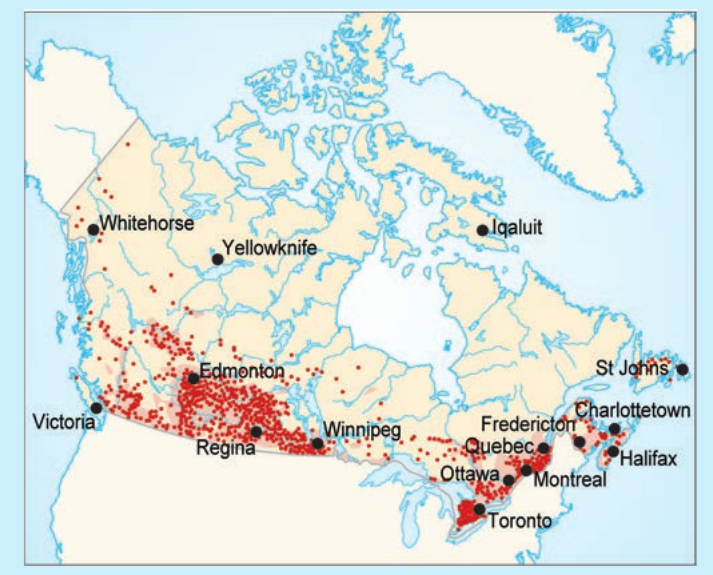
Canada provides an excellent example of an underpopulated developed nation with abundant resources relative to its population size.
Example
Case Study Overview: Canada's Demographics
- Population: 34 million (37th largest globally)
- Area: Nearly 10 million km² (2nd largest country)
- Population density: Only 3.7 people per km²
- Urban population: 81% concentrated in cities
- High literacy rates (99%) and life expectancy
Why Canada can support more people:
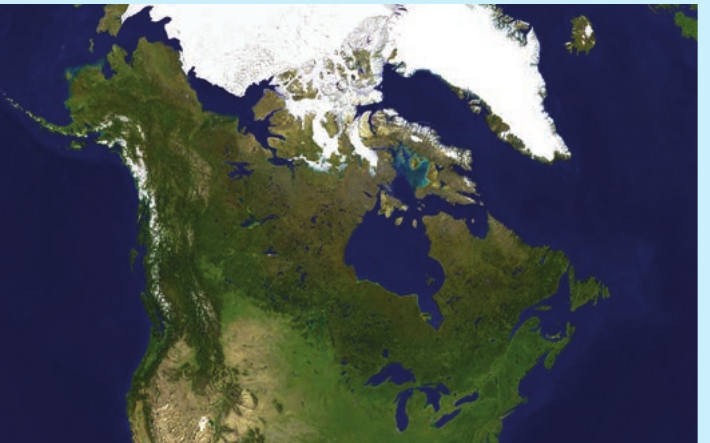
Abundant natural resources: Canada's vast territory contains diverse resources including extensive forests covering 27% of the country, supporting a major timber industry. The country also has extensive freshwater systems including the Great Lakes and St Lawrence River, along with rich mineral deposits including uranium, silver, lead, zinc, iron, coal, copper, and gold, plus significant petroleum and natural gas reserves.
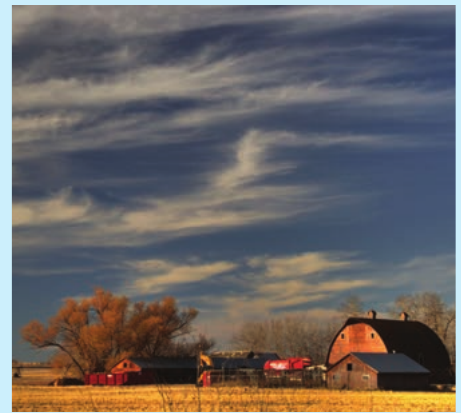
Advanced agricultural systems: The country benefits from large fertile prairie regions ideal for farming, with highly mechanised agriculture using modern fertilisers and pesticides. Canada produces wheat, barley, corn, potatoes, soybeans, rice, and sugar beets, alongside efficient livestock farming (beef, dairy, pigs, poultry), generating surplus food for export.
Note
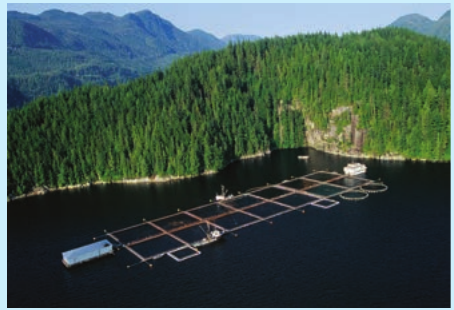
Canada's fishing industry benefits from having the longest coastline in the world, with well-managed fisheries using strict quotas for both ocean and freshwater fishing operations.
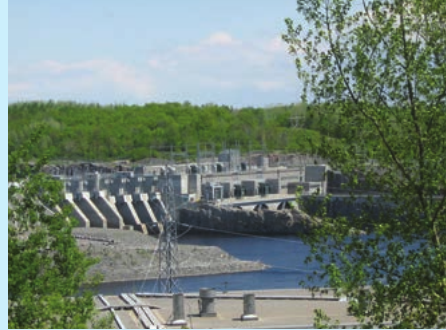
Energy production: Canada is a major hydroelectric power generator, producing 11% of the world's supply and meeting 60% of the country's electricity needs, with some surplus energy exported to other countries.
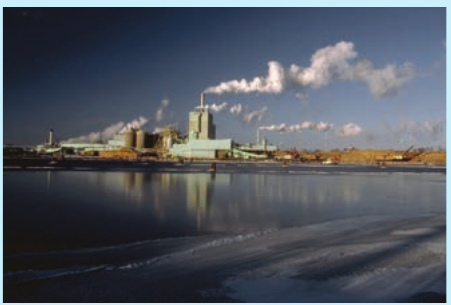
Manufacturing capabilities: The country maintains a highly developed manufacturing sector that produces machinery, vehicles, chemicals, processed foods, and consumer goods, supported by advanced technology and a skilled workforce.
Environmental considerations:
While Canada has abundant resources, some environmental challenges exist:
- Water pollution from agricultural runoff and industrial activities
- Soil erosion in some farming areas
- Air pollution from industries causing acid rain
- Impact on forests and lakes
Case study: Ethiopia - An overpopulated developing country
Ethiopia demonstrates the challenges faced by overpopulated regions where resources struggle to meet population needs.
Example
Case Study Overview: Ethiopia's Demographics
- Population: 91 million (13th largest globally)
- Area: 1.1 million km² (27th largest country)
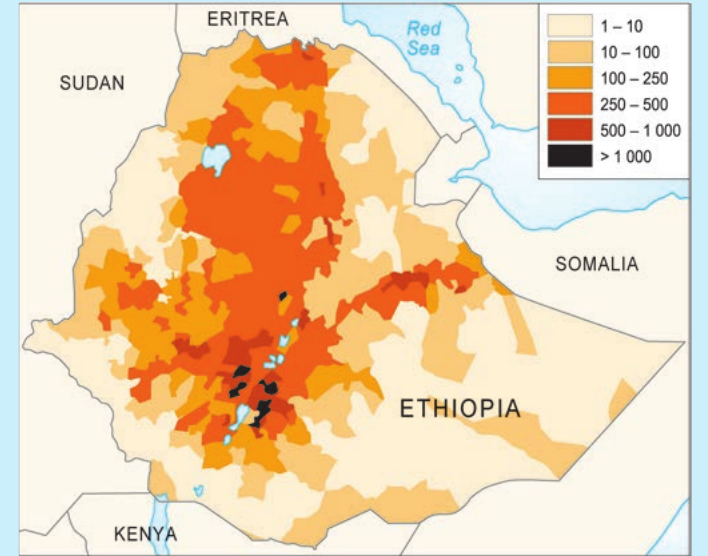
- Population density: 72 people per km²
- Urban population: Only 17% (mostly rural)
- Life expectancy: 56 years
- Literacy: 50% male, 35% female
- 38.7% live below the poverty line
Geographic challenges:
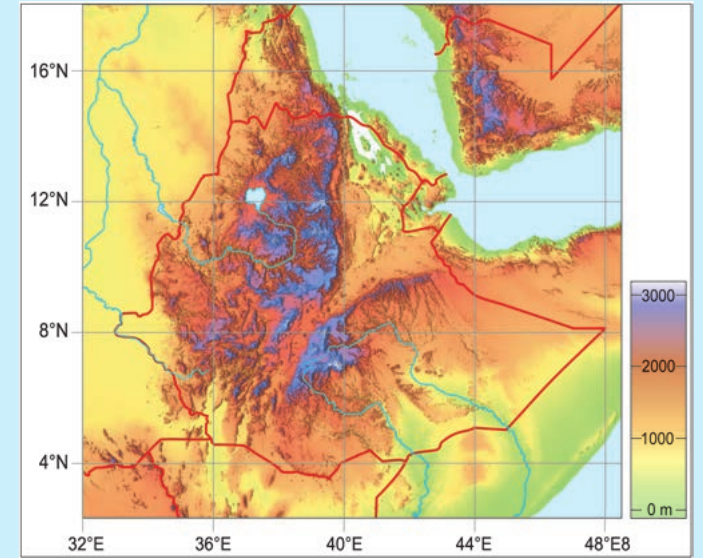
Topography creates limitations: Ethiopia's challenging geography includes a Rift Valley running southwest to northeast, central highlands with limited farming area, and lowlands to west and east of highlands. The variable climate ranges from temperate highlands to hot lowlands.
Resource limitations:
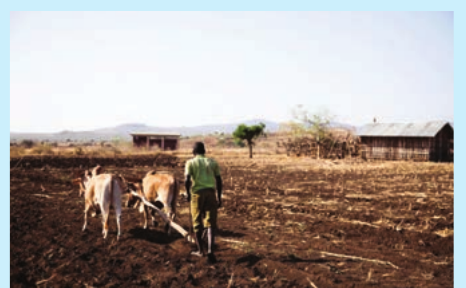
Agricultural constraints: Despite 80% of workers being involved in farming, 4.6 million people still need food assistance annually. Over 85% use traditional farming methods with oxen, with limited irrigation meaning most farming depends on rainfall. Frequent droughts limit production of main crops including cereals, pulses, vegetables, and oil seeds, though export crops include coffee, cotton, tobacco, sugar, tea, and honey.
Important
Critical Resource Challenges:
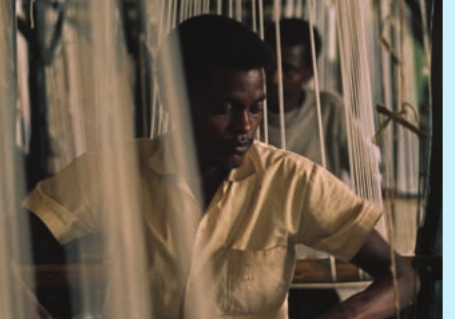
- Very little modern manufacturing with only small-scale enterprises producing basic goods
- Limited technology and infrastructure
- Most energy comes from firewood and charcoal for domestic use
- Deforestation from farming expansion and fuel collection
- Soil erosion from overgrazing and steep slope farming
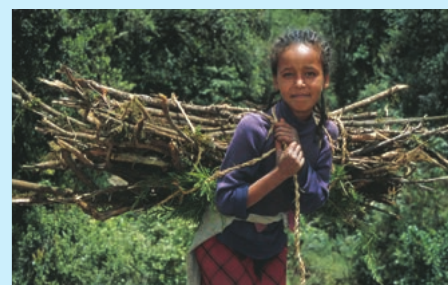
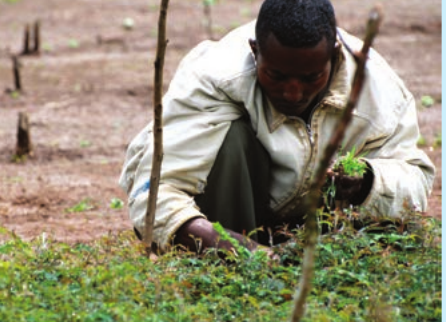
Environmental problems: Ethiopia faces multiple environmental challenges including deforestation from farming expansion and fuel collection, soil erosion from overgrazing and steep slope farming, drought and unreliable rainfall, limited access to clean water, and valleys prone to malaria and sleeping sickness.
Resource extraction challenges: The country has limited mining development with only small amounts of gold, platinum, and gemstones currently extracted. While there's potential for oil and gas, currently all petroleum must be imported, and hydroelectric power remains underdeveloped despite significant river potential.
Different approaches to addressing overpopulation
There are various viewpoints on how to tackle overpopulation concerns:
Population control approach
Note
Some experts argue that controlling population growth is essential, particularly in developing countries where growth rates are highest. They believe governments should implement birth control policies to prevent populations from exceeding resource capacity.
Lifestyle change approach
Note
Others suggest that changing consumption patterns is more important than limiting population. This view emphasises reducing waste, adopting simpler lifestyles, and using resources more efficiently. The focus is on sustainable living rather than population reduction.
Technology and innovation approach
Note
A third perspective argues that human innovation can solve resource challenges. Supporters believe we can develop new technologies to increase food production, find alternative energy sources, and create more efficient resource use without limiting population growth.
Resource sharing approach
Note
Some argue that the problem isn't total population size but unequal resource distribution. This view suggests that wealthier countries should share resources more fairly with poorer nations, and that some countries should focus on growing food rather than luxury exports.
Key takeaways
Summary
Essential Points to Remember:
- Carrying capacity is the maximum population Earth can support - estimated at around 10 billion people
- Ecological footprint measures how much land and sea area we need for our resource consumption and waste absorption
- By 2003, humanity already needed 1.25 Earths to meet resource demands, indicating global overpopulation
- Canada demonstrates underpopulation with abundant resources, advanced technology, and low population density
- Ethiopia shows overpopulation challenges with limited resources, traditional farming, and high population growth
- Different solutions exist: population control, lifestyle changes, technological innovation, and resource redistribution