What Made European Expansion Possible? (Grade 10 NSC Matric History): Revision Notes
📚Revision Notes
What Made European Expansion Possible?
Technology
Before 1453, European nations relied heavily on Arab overland traders to obtain valuable goods like gold, silk, and spices from the East. This comfortable arrangement changed dramatically when the Ottoman Turks captured Constantinople in 1453, effectively cutting off these traditional trade routes.
Note
The fall of Constantinople to the Ottoman Turks in 1453 was a pivotal moment in world history. By controlling this crucial city, the Ottomans could regulate and tax European access to Eastern goods, forcing Europeans to seek entirely new routes to maintain their profitable trade relationships.
This disruption forced the monarchs of Spain and Portugal to seek alternative routes to the East by sea. To achieve this goal, they cleverly adapted and improved upon existing Arab navigational knowledge and technology. The Europeans developed three crucial technological innovations that would make long-distance sea exploration possible:
- Caravels: These were specially designed ships that could handle long ocean voyages whilst carrying large cargoes. They were equipped with cannons and muskets for protection and warfare

- Astrolabe: This navigational instrument allowed sailors to predict the positions of planets and determine local time accurately
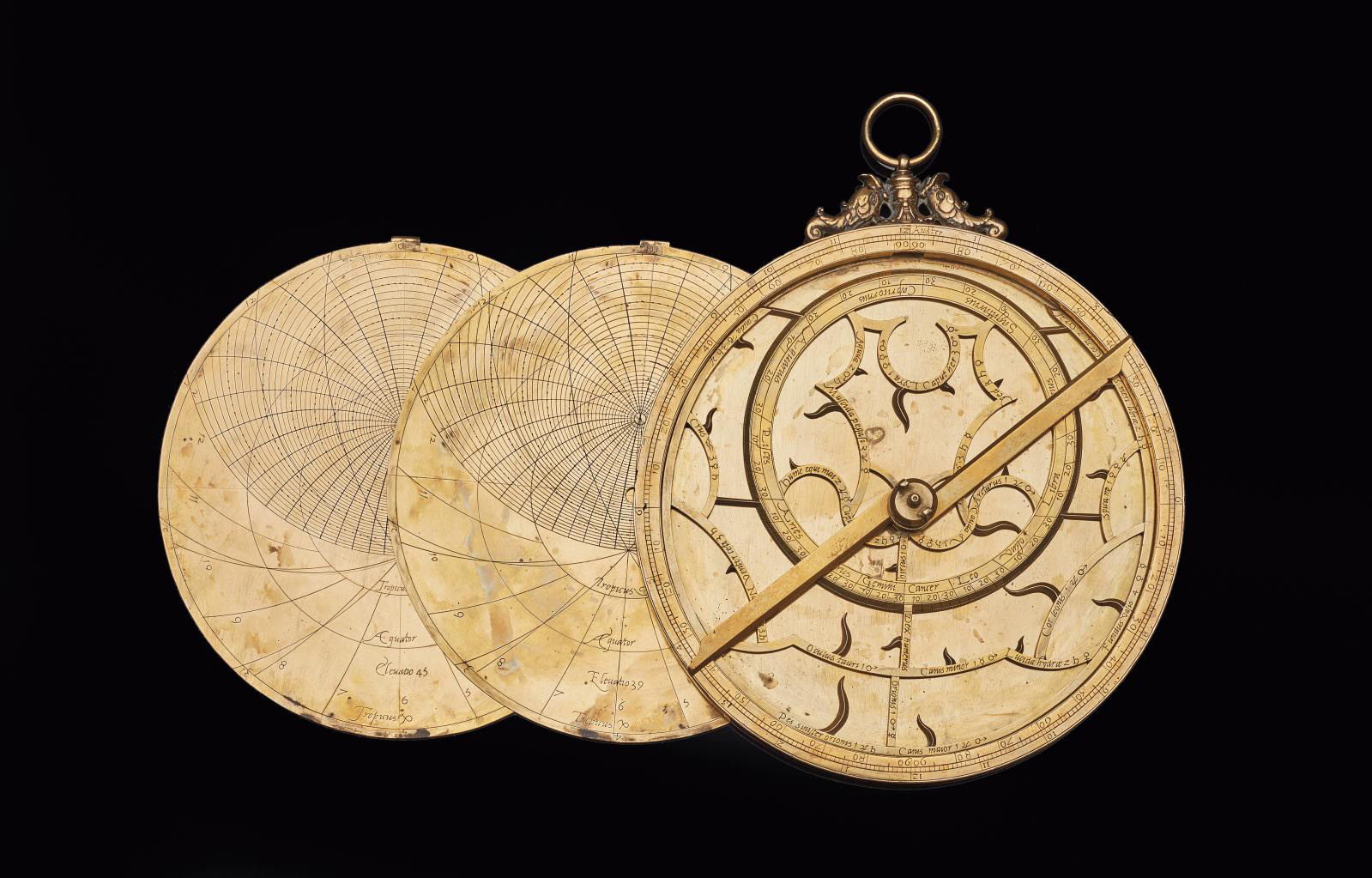
- Quadrant: This device enabled navigators to plot their positions with much greater accuracy than before
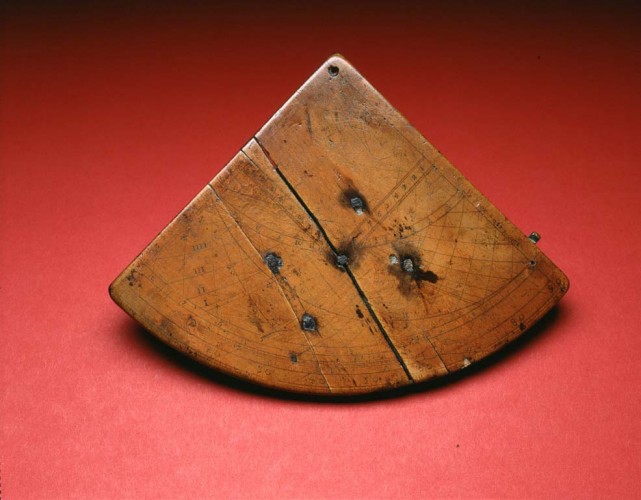
These technological advances gave Europeans the tools they needed to venture into uncharted waters and establish new trade routes.
The Portuguese exploration
Portugal became the first European nation to successfully find a sea route to the East. In 1486, King John II of Portugal commissioned Bartholomew Dias to discover a passage to the eastern markets. Dias achieved a remarkable feat by sailing south along Africa's west coast and successfully rounding the Cape of Good Hope. During this historic voyage, he also established contact with existing Arab-Swahili trading settlements along Africa's east coast.
Building on Dias's groundbreaking work, Vasco da Gama (shown below) completed the mission in 1498 by using Dias's experience and knowledge to find the complete sea route to the East.

Important
The Portuguese didn't simply trade peacefully with existing merchants - they systematically destroyed the established Arab-Swahili trading stations and seized control of the highly profitable spice trade. This marked the beginning of European colonial dominance through military force rather than peaceful commerce.
The importance of spices cannot be overstated - they were essential for preserving food in an age before refrigeration and were considered more valuable than gold at the time. This made control of the spice trade enormously profitable.
The Spanish approach
Spain took a different approach to reaching the East. In 1492, the Spanish king funded the Italian explorer Christopher Columbus to attempt reaching the East by sailing westward rather than around Africa. After 70 days at sea, Columbus landed on the coast of South America, though he initially believed he had reached the East Indies.
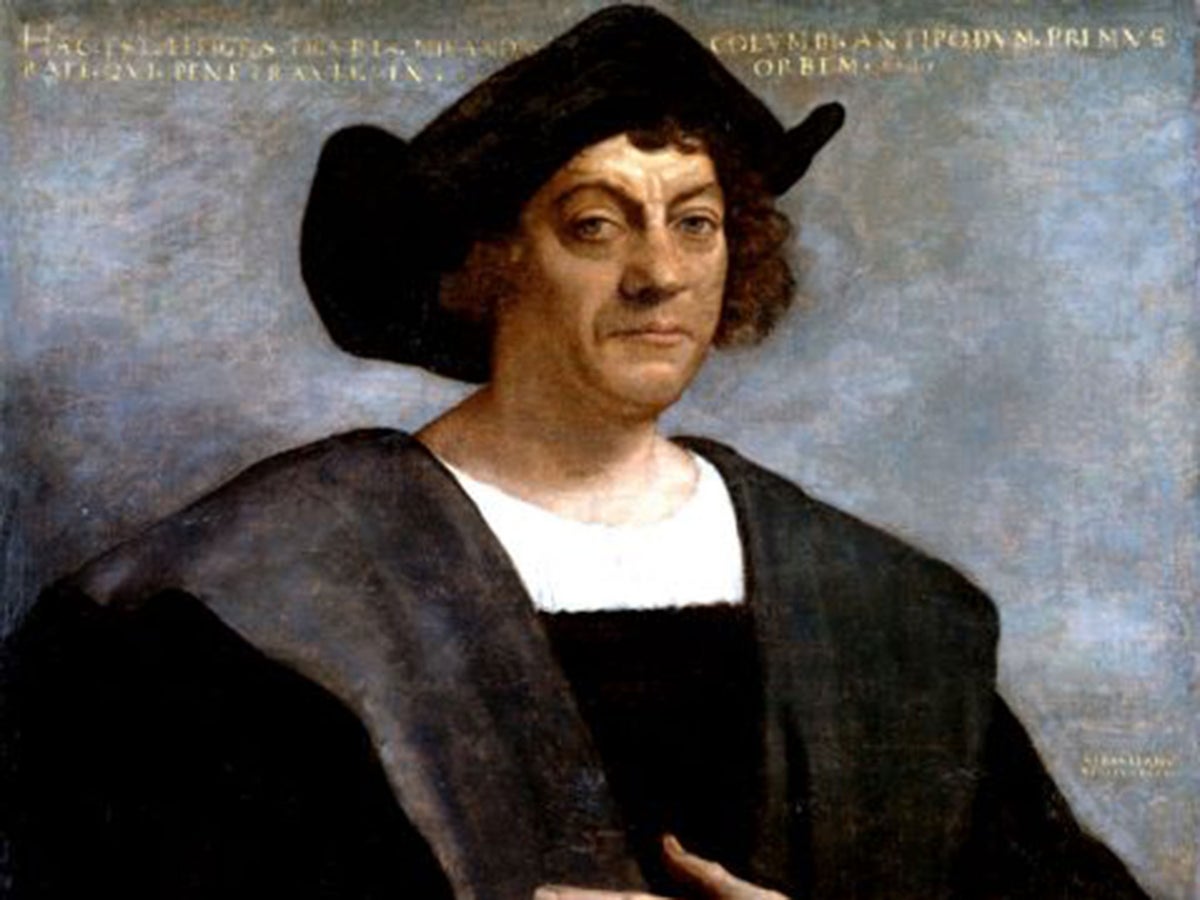
Important
Columbus's expedition had devastating consequences for indigenous peoples. He defeated local populations and transported many back to Spain as slaves. The Spanish subsequently colonised all the territories they conquered in the Americas, leading to the destruction of entire civilizations and cultures.
For the next century, Portugal and Spain dominated global overseas trade. Their expansion was strongly supported by the Catholic Church, which encouraged the conversion of non-Christian peoples (referred to as 'heathens' by Europeans).
Note
The Catholic Church played a crucial role in European expansion by providing religious justification for conquest and colonisation. The Church saw the conversion of non-Christians as a sacred duty, which helped legitimise the often brutal methods used by European explorers and conquistadors.
A significant diplomatic development occurred in 1493 when the Pope issued the Treaty of Tordesillas, which literally divided the world between Spain and Portugal. This treaty established a north-south line on the world map - Spain could claim and exploit all lands west of this line, whilst Portugal could conquer all territories east of the line.
The Dutch challenge
The Dutch emerged as serious competitors to Portuguese and Spanish dominance through innovative business practices and superior technology. They established the Verenigde Oost-Indische Compagnie (VOC), known in English as the Dutch East India Company.
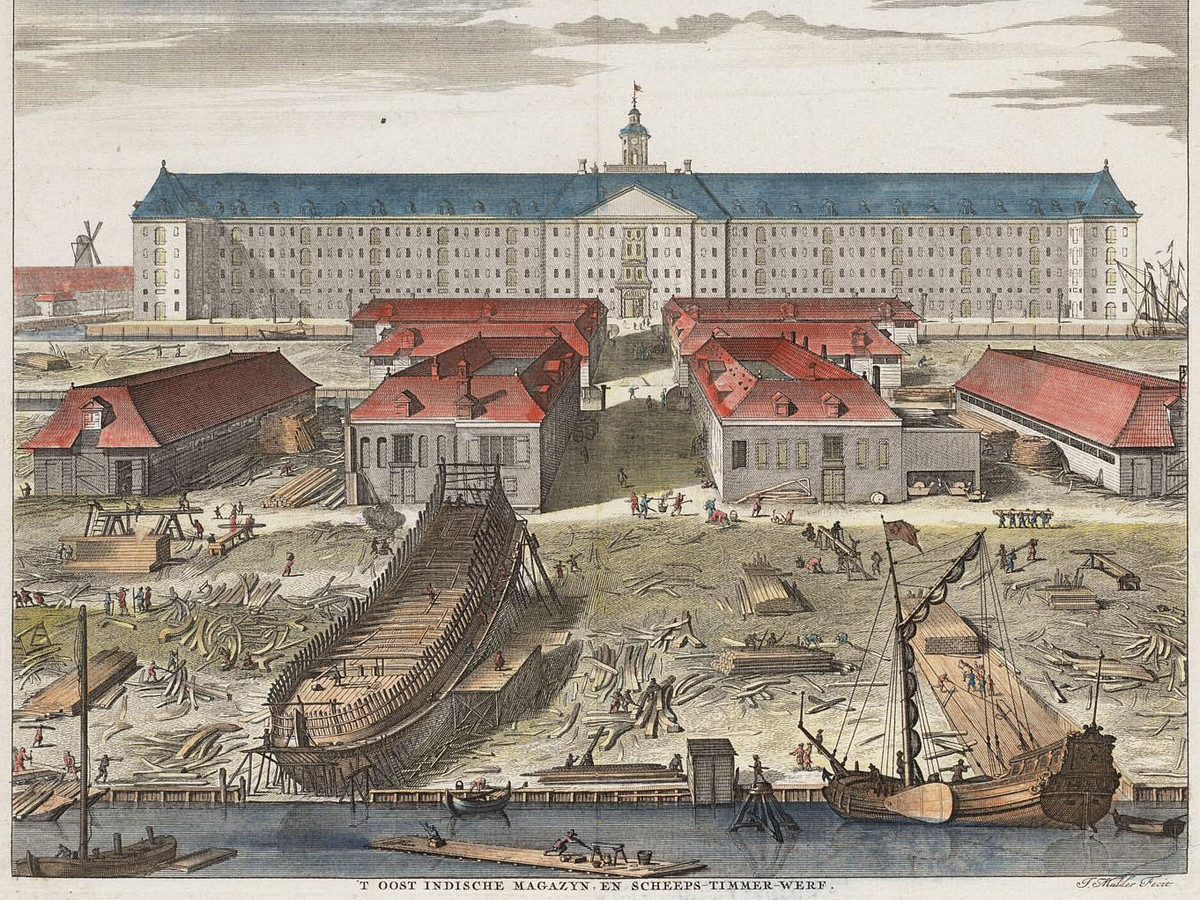
After gaining independence from Spanish rule in 1648, the Dutch experienced unprecedented religious, intellectual, and commercial freedom. This liberty attracted scientists, artists, and merchants from across Europe to settle in Amsterdam, which became the centre of international trade.
Example
Revolutionary Business Practices: The Dutch Innovation
The Dutch revolutionised international commerce in two groundbreaking ways:
Step 1: Creating the World's First Stock Exchange The VOC became the world's first stock exchange - private shareholders could invest money in the company, and this capital funded exploration and colonial ventures.
Step 2: Establishing Commercial Monopoly For 100 years, the VOC maintained a virtual monopoly over the spice trade, making it the richest and most powerful company in the world.
The English response
England developed a different strategy focused on superior naval technology and military might. The English built light, fast-moving, and well-equipped warships that proved highly effective in naval combat. These ships were used to attack and plunder Spanish vessels carrying gold and silver from America - essentially operating as state-sponsored pirates.
England established the Royal East India Company to compete with Dutch commercial interests, though they initially could not challenge Dutch control of the Pacific Spice Islands.

The turning point came in 1588 when the British navy decisively defeated the main Spanish fleet, known as the Spanish Armada. This naval victory marked the beginning of England's rise to naval supremacy and opened the way for extensive British colonisation of America.
The broader impact
European expansion and conquest fundamentally changed global power structures. European nations began competing intensively over trade routes and colonial territories, setting the stage for centuries of international conflict and cooperation.
Most significantly, European expansion laid the foundation for modern-day globalisation - the interconnected world system of trade, communication, and cultural exchange that we know today.
Remember!
Summary
Key Points to Remember:
- Technology was crucial: Europeans adapted Arab navigational tools (caravels, astrolabe, quadrant) to make long sea voyages possible
- Multiple routes were tried: Portugal went around Africa, Spain went west across the Atlantic
- Economic motives drove exploration: The spice trade was more valuable than gold and motivated dangerous expeditions
- Business innovation mattered: The Dutch created the first stock exchange and joint-stock companies to fund expansion
- European expansion created modern globalisation: Competition between European powers for trade routes and colonies shaped the modern world system