Causes of the French Revolution (Grade 10 NSC Matric History): Revision Notes
📚Revision Notes
Causes of the French Revolution
The French Revolution of 1789 was one of the most important events in world history. Understanding why it happened helps us see how social inequality, political oppression, and economic hardship can lead to dramatic change. There were four main causes that worked together to create the conditions for revolution.
Note
The French Revolution wasn't caused by a single event, but rather by multiple interconnected problems that had been building for decades. These causes created a "perfect storm" that made revolution almost inevitable.
Social causes - the unfair estate system
Before 1789, French society was divided into a rigid hierarchy called the Estate System. This system created massive inequality and resentment among the French people.
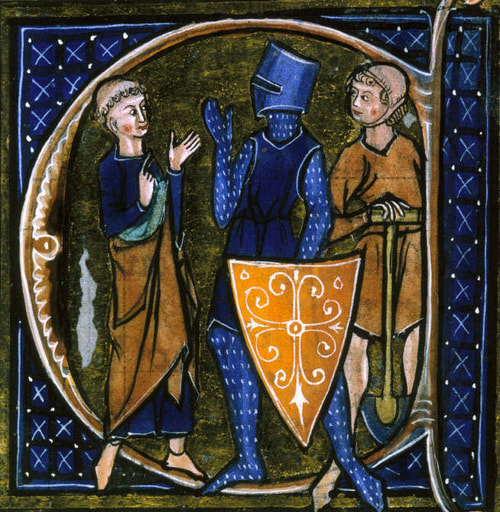
The three estates explained
The First Estate consisted of the upper clergy - rich, powerful bishops who lived luxurious lifestyles. They owned vast amounts of land and paid no taxes despite their wealth.
The Second Estate included two groups:
- The lower clergy (ordinary priests) who often sympathised with the poor and lived modestly
- The nobles who had inherited their titles and high positions from their families
The Third Estate made up 90% of the population but had no political power. This estate included:
- The bourgeoisie (middle class professionals like doctors, lawyers, teachers, and merchants)
- Poor town workers who lived in terrible conditions
- Peasants who worked on farms and lived in poverty
Key grievances of the Third Estate
Important
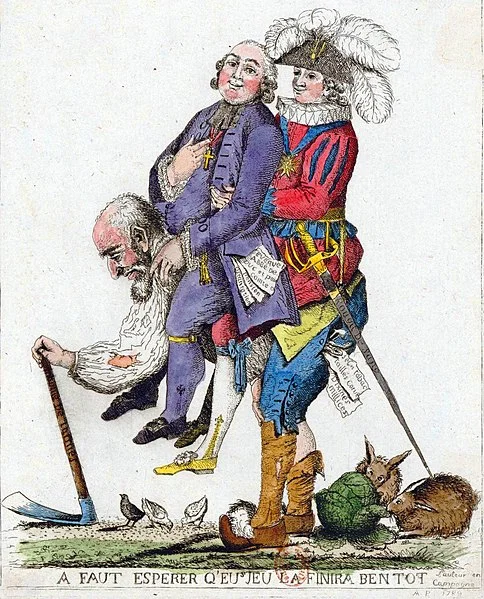
The Third Estate's anger wasn't just about money - it was about fundamental fairness. While they made up the vast majority of France's population and did most of the work, they had no say in government and bore all the financial burden.
The Third Estate faced numerous injustices that created anger and resentment:
- They were heavily taxed - up to 80% of their income could be taken by the government, while the wealthy First and Second Estates paid nothing
- Factory workers endured cruel treatment and lived in dreadful conditions in the towns
- Peasants despised the feudal system which forced them to work for nobles, use the noble's mill and oven, and give up their hunting rights
- The bourgeoisie felt frustrated because they had no voice in government and couldn't advance to top positions, which were reserved for nobles regardless of merit
Political causes - absolute monarchy and weak leadership
France's political system concentrated all power in the hands of one person - the king. This created serious problems that contributed to revolutionary sentiment.
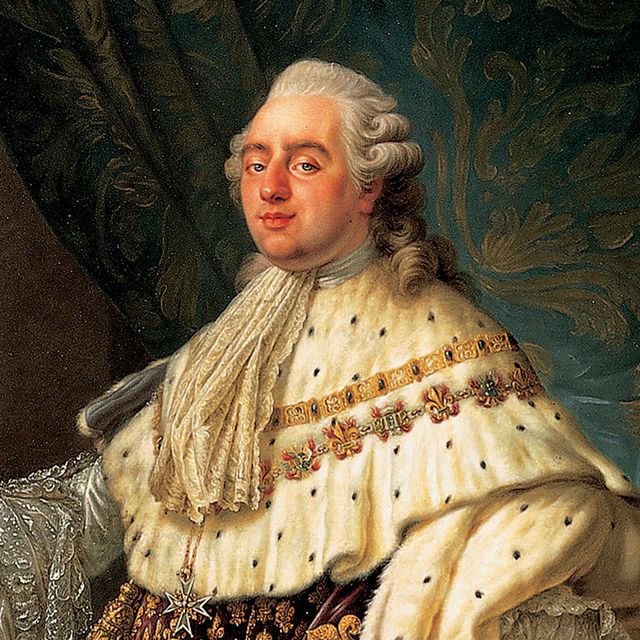
King Louis XVI's failures
King Louis XVI proved to be a weak and ineffective ruler:
- He had a weak personality and was easily dominated by others
- His Austrian wife, Queen Marie Antoinette, heavily influenced his decisions, making him unpopular with the French people
- He possessed absolute power, meaning whatever he said became law with no checks or balances
Lack of political representation
Note
France's political system was remarkably outdated compared to other European countries. While Britain had developed a constitutional monarchy with parliamentary representation, France remained stuck in medieval political structures.
The political system gave ordinary people no voice in government:
- The Estates-General (French parliament) had not been called to meet since 1614, meaning no formal discussion of national issues for 175 years
- The king could imprison anyone using a lettre de cachet (a letter bearing the king's seal) without trial
- Unlike Britain and Russia, which had introduced some social and labour reforms, France remained politically rigid and unchanging
Economic causes - bankruptcy and unfair taxation
By 1789, France faced a severe financial crisis that pushed the country to the brink of collapse.
The economic crisis
Note
France's economic problems weren't just bad luck - they were the result of decades of poor financial management, expensive wars, and a tax system that exempted the wealthiest citizens from contributing to the national treasury.
Several factors combined to create France's economic disaster:
- A severe drought caused food shortages, leading to starvation and extremely high food prices that ordinary people couldn't afford
- France was nearly bankrupt as a result of expensive foreign wars, particularly the American War of Independence
- King Louis XV had spent enormous sums building the extravagant Palace of Versailles
- Queen Marie Antoinette's lavish lifestyle drained the royal treasury through excessive spending on clothes, jewellery, and court entertainment
Unfair tax system
The economic crisis was made worse by an unjust tax system:
- The wealthy First and Second Estates were exempt from taxation despite having the most money
- The burden fell entirely on the Third Estate, who were already struggling with poverty
- King Louis XVI demanded even heavier taxes from the Third Estate to solve France's financial problems
Intellectual causes - the philosophers inspire change
A group of thinkers called philosophers (meaning 'lovers of wisdom') challenged traditional ideas about government and society. Their writings inspired people to question the existing system.
Key philosophical ideas
Important
The philosophers didn't just criticise the old system - they provided alternative visions of how society could be organised. Their ideas gave the revolutionaries both the justification for change and practical models for new forms of government.
Jean-Jacques Rousseau promoted democratic ideas through his famous work The Social Contract:
- He argued that all citizens should submit to the General Will of the people rather than the will of a king
- This concept laid the foundation for modern democracy
Voltaire was a fierce critic who:
- Attacked the corruption and abuses within the Catholic Church
- Challenged the Divine Right of Kings - the idea that kings received their authority directly from God and could never be criticised
Montesquieu introduced the revolutionary concept of separation of powers:
- Legislative powers - some people make the laws
- Executive powers - some people carry out the laws
- Judicial powers - some people judge those who break the laws
- This system prevents any one person or group from having too much control

Impact of philosophical ideas
These new ideas spread throughout France and inspired people to:
- Question why they should accept absolute royal authority
- Demand representation in government
- Fight for their rights and freedoms
- Adopt the revolutionary motto: "Liberty, Equality and Fraternity" (freedom, no social classes, brotherhood)
How the causes connected
Note
Understanding how these causes interconnected is crucial - none of them alone would have caused a revolution. It was the combination and reinforcement of all four factors that created an explosive situation.
All four causes worked together to create a perfect storm for revolution:
- Social inequality created resentment among 90% of the population
- Political oppression gave people no peaceful way to address their grievances
- Economic crisis pushed people to desperation through hunger and poverty
- New ideas from philosophers provided both justification and methods for challenging the system
The French people blamed King Louis XVI for their suffering and were inspired by philosophical ideas to take action. When these causes combined, they created the conditions that led to the outbreak of revolution in 1789.
Summary
Key Points to Remember:
- The Estate System divided French society unfairly, with 90% of people (Third Estate) bearing all the tax burden while the wealthy paid nothing
- King Louis XVI was a weak ruler with absolute power who failed to address France's problems, while Queen Marie Antoinette's extravagant spending made the situation worse
- France was nearly bankrupt from wars and royal excess, leading to food shortages and impossibly high taxes on the poor
- Philosophers like Voltaire, Rousseau and Montesquieu challenged traditional ideas about royal authority and inspired people with concepts of democracy and separation of powers
- The revolutionary motto "Liberty, Equality and Fraternity" summarised what the French people were fighting for - freedom from oppression, an end to social inequality, and unity among all citizens