Napoleon Bonaparte (Grade 10 NSC Matric History): Revision Notes
📚Revision Notes
Napoleon Bonaparte
Napoleon's rise to power
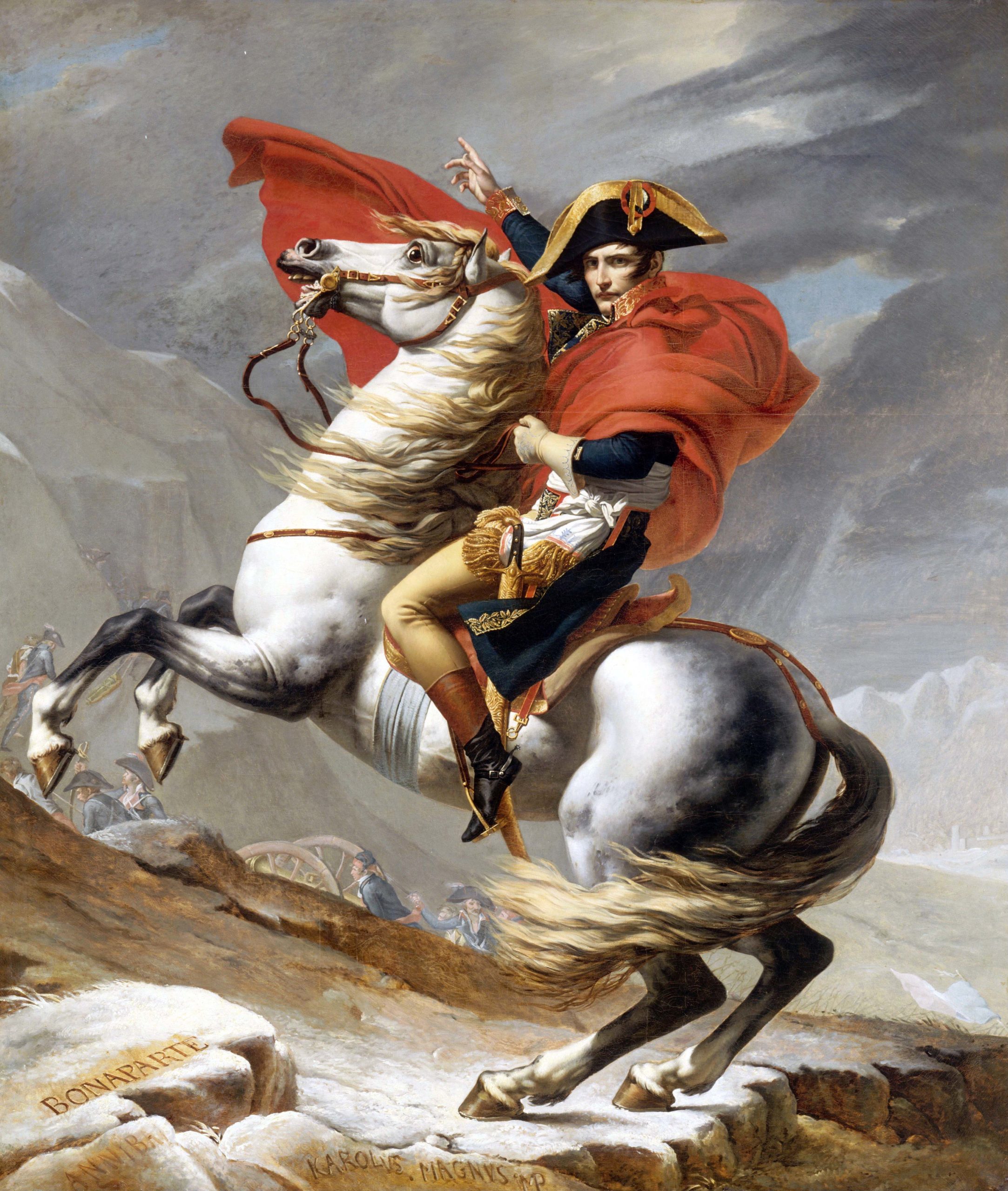
Napoleon's journey to power began during his military service under the Directory, the French government that followed the Revolution. His exceptional military skills and strategic thinking caught the attention of French leaders, leading to his rapid rise through the ranks.
Note
The Directory (1795-1799) was a period of political instability in France following the chaos of the Revolutionary period. This instability created the perfect opportunity for ambitious military leaders like Napoleon to seize power.
Early military success
Napoleon's military career flourished when he was given command of a section of the French army. He became a celebrated hero after successfully conquering Italian territories and returning to France with valuable treasures from his victories. His reputation grew further during his Egyptian campaign, where he achieved victory at the Battle of the Pyramids.

However, his naval forces suffered a significant defeat when British Admiral Lord Nelson destroyed the French fleet at the Battle of the Nile.
Important
Napoleon's early career demonstrates the mixed nature of his military record - while he excelled in land-based campaigns, France's naval power remained vulnerable to British supremacy at sea. This pattern would continue throughout the Napoleonic Wars.
Seizing political power
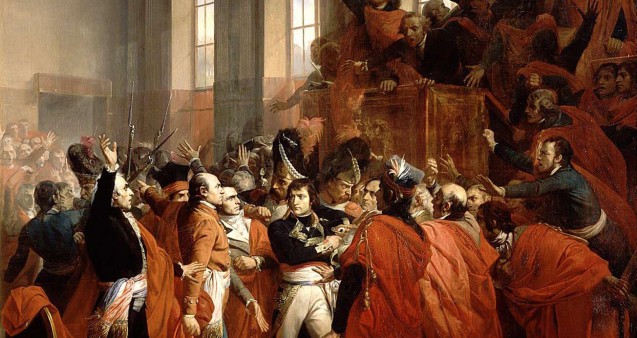
Recognising that the Directory had become deeply unpopular with the French people, Napoleon saw an opportunity for political advancement. He managed to return to France and orchestrated a coup d'état in 1799 - essentially a forceful takeover of the government. This bold move resulted in Napoleon declaring himself First Consul, marking the beginning of his political dominance over France.
The Napoleonic wars
Following his rise to power, Napoleon embarked on approximately 13 years of continuous warfare that would reshape the map of Europe. Through his brilliant military tactics, he conquered many European monarchies and claimed to be liberating their peoples.

Spreading revolutionary ideals
Napoleon promoted the French Revolutionary principles of equality and fraternity throughout the territories he conquered, though notably he did not extend the concept of liberty to the people under his rule. Rather than establishing democracies, he placed members of his own family on the thrones of conquered nations, creating a network of Bonaparte-controlled kingdoms.
Important
The Revolutionary Contradiction: While Napoleon claimed to spread revolutionary ideals, he systematically denied people genuine democratic participation. He promoted equality and fraternity but withheld liberty - the very principle that had driven the French Revolution.
From liberator to emperor
Initially, Napoleon presented himself as a liberator who would free Europeans from oppressive monarchs. However, as time passed, a strong nationalistic spirit began developing among the conquered peoples, and they increasingly viewed him as an oppressor rather than a liberator.
In 1804, Napoleon took the dramatic step of crowning himself Emperor, demonstrating his complete break from republican ideals. As Emperor, he ruled with absolute power, eliminating parliamentary government entirely. Despite his autocratic style, Napoleon ensured that all government officials he appointed were capable and answerable directly to him, creating an efficient administrative system.
Note
Napoleon's self-coronation as Emperor was a symbolic rejection of both monarchy by divine right and republican democracy. By crowning himself, he claimed authority came from his own achievements and merit rather than from God or the people.
Napoleon's reforms
Despite his military focus, Napoleon implemented comprehensive reforms that modernised France and improved the lives of ordinary citizens. These changes had lasting impacts that extended far beyond his reign.
Economic and infrastructure improvements
Napoleon transformed France's economy by establishing the Bank of France, providing financial stability that had been lacking during the revolutionary period. He ordered significant improvements to Paris, widening streets and beautifying the city to reflect France's growing power and prestige.
Note
The Bank of France, established in 1800, became the central banking system that provided the financial foundation for Napoleon's military campaigns and domestic reforms. Its creation marked France's transition to a modern economic system.
Social and land reforms
Understanding the importance of popular support, Napoleon redistributed land to peasants, giving them ownership of former church properties. This policy won him considerable support among rural populations who had struggled under the old feudal system.
Military and honour system
Napoleon reformed the military by promoting members of the bourgeoisie (middle class) to high-ranking positions in both the army and navy based on merit rather than noble birth. He also created the Legion of Honour, a system designed to recognise and reward the achievements of ordinary people, democratising recognition and status.
Religious settlement
To heal the religious divisions created during the Revolution, Napoleon negotiated the Concordat with the Pope. This agreement restored freedom of worship for Catholics while maintaining Napoleon's authority over the appointment of bishops, creating a balance between church and state.
Note
The Concordat of 1801 was a masterpiece of political compromise. It satisfied French Catholics who wanted religious freedom while ensuring Napoleon maintained control over church appointments, preventing the Catholic Church from becoming a rival power center.
Educational and legal reforms
Napoleon significantly improved France's education system, making it more accessible and efficient. His most enduring reform was the creation of the Code Napoleon, which simplified and reformed the French legal system. This legal code became a model that influenced legal systems worldwide and remains influential today.
The end of the Napoleonic era
Napoleon's extensive military campaigns eventually led to his downfall, as the constant warfare exhausted France and united European powers against him.
Military defeat and exile
The turning point came at the Battle of Waterloo in 1815, where a coalition of European forces decisively defeated Napoleon's army.

Following this defeat, the British captured Napoleon and exiled him to the remote island of St Helena, where he died in 1821, reportedly from stomach cancer.
Important
Waterloo represented more than just a military defeat - it was the culmination of European resistance to French domination. The coalition that defeated Napoleon included Britain, Prussia, Austria, and Russia, demonstrating how his conquests had ultimately united Europe against him.
Historical legacy and assessment
Napoleon's historical reputation is complex and contradictory. He earned the title "The Son of the Revolution" because the French Revolution created the political opportunity that allowed him to rise to power. Without the revolutionary upheaval, a man of his relatively modest background could never have achieved such prominence.
Mixed impact on Europe
While Napoleon eliminated the old aristocratic order (Old Order) in Europe, he replaced it with his own form of absolute power rather than establishing democratic governments. He successfully spread the ideals of equality and fraternity throughout Europe, but notably failed to provide people with genuine democracy or freedom of speech.
From hero to tyrant
As the wars continued year after year, resulting in the deaths of thousands of soldiers, public opinion turned against Napoleon. He became known as the "bloody tyrant" and the "disturber of the world's peace". The very people he claimed to have liberated eventually directed their nationalistic feelings against him, viewing him as a foreign oppressor.
Restoration
When coalition armies captured Paris in 1814, they restored King Louis XVIII to the French throne, marking the end of the Napoleonic era and the return of monarchy to France.
Summary
Key Points to Remember:
-
Napoleon rose to power through military success and political opportunity - his victories in Italy and recognition by the Directory led to his coup d'état in 1799
-
The Napoleonic Wars lasted about 13 years and reshaped Europe - though he spread ideas of equality and fraternity, he ruled as an autocratic emperor rather than establishing democratic governments
-
His domestic reforms modernised France comprehensively - from the Bank of France and Code Napoleon to educational improvements and the Legion of Honour, these changes had lasting positive impacts
-
Napoleon's legacy is contradictory - known as both "The Son of the Revolution" and the "bloody tyrant," he represented both revolutionary ideals and authoritarian rule
-
His downfall came through military overextension - constant warfare eventually united Europe against him, leading to defeat at Waterloo in 1815 and exile until his death in 1821