Our Bill of Rights and Other Human Rights Instruments (Grade 10 NSC Matric Life Orientation): Revision Notes
📚Revision Notes
Our Bill of Rights and Other Human Rights Instruments
Understanding human rights and the Bill of Rights
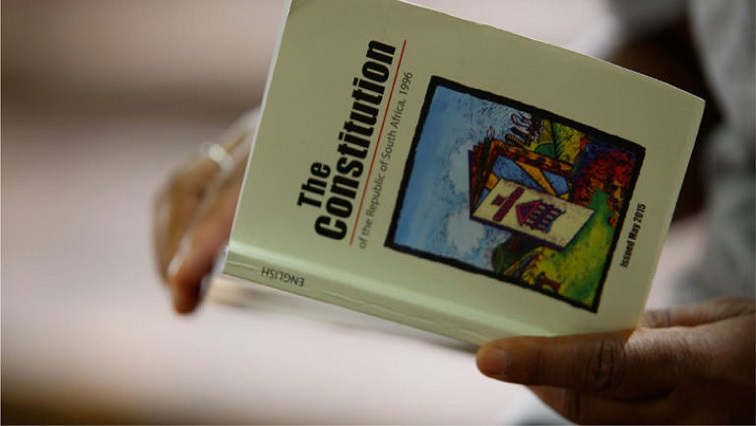
Human rights are essential rules that help everyone live together peacefully, safely and with happiness. These rights protect your dignity and ensure fair treatment for all people. In South Africa, our most important human rights document is the Bill of Rights, which forms Chapter 2 of our Constitution.
The South African Bill of Rights protects the human rights of all people in our country. These rights are built on three fundamental principles:
- Dignity - respecting the worth of every person
- Equality - treating everyone fairly regardless of differences
- Freedom - allowing people to make choices about their lives
Note
The Bill of Rights serves as a guide throughout the year to help you:
- Behave properly, legally and correctly
- Understand and benefit from your rights
- Protect the rights of others
- Never violate other people's rights
Major categories of rights in the Bill of Rights
Personal safety and dignity rights
Equality: You cannot be unfairly discriminated against. All people are equal and must be treated equally, regardless of race, gender, religion, or other differences.
Human dignity: You have dignity and self-respect that nobody can take away. No one should use racist language against you, swear at you, shame you, or make you feel ashamed.
Life: Nobody may kill you. You have the right to live your life to the full. This means others cannot harm, threaten or endanger your life.
Freedom and security of person: You cannot be arrested without reason, and nobody can beat, harm or torture you. You have full control over your body and cannot be forced into sexual activity.
Freedom of expression and belief
Privacy: You cannot be searched, and your home or possessions cannot be searched without a warrant. The state cannot open your mail, read emails or listen to phone calls without permission.
Freedom of religion, belief and opinion: You can follow any religion of your choice and hold your own opinions and views. Other people must respect your religion and beliefs.
Freedom of expression: You can say, write or print whatever you want, as long as you don't violate others' rights. However, hate speech and encouraging violence are not allowed.
Important
Remember that while you have the freedom of expression, this right comes with responsibilities. You cannot use this freedom to harm others through hate speech or incitement to violence.
Participation and association rights
Assembly, demonstration, picket and petition: You can gather with other people, hold peaceful demonstrations and present petitions to make formal requests or appeals.
Freedom of association: You can be friends with anyone you want and join organisations, clubs or groups of your choice.
Political rights: If you're a South African citizen, you can join political parties, vote in elections (from age 18), and even start your own political party.
Economic and social rights
Property: Your property cannot be taken away except under specific legal conditions. Land reform is allowed to address past injustices.
Housing: Everyone has the right to access adequate housing. The government must work to provide housing for those who need it.
Health care, food, water and social security: The government must provide access to basic healthcare services, food, water, and social support like pensions and unemployment insurance.
Education: You have the right to basic education, including adult basic education. From Grades R-9, you cannot be prevented from attending school even if you cannot pay fees.
Special protections
Children: People under 18 have special rights including family care, protection from abuse, not being detained inappropriately, and not being used for child labour or in armed conflicts.
Labour relations: Workers have the right to fair treatment, safe working conditions, fair pay, and the ability to join trade unions and go on strike following proper procedures.
Case study example: The dreadlocks discrimination case
Example
Worked Example: Rights Violation Case Analysis
Linda Moloi was expelled from school because of her dreadlocked hairstyle. This case demonstrates how multiple rights can be violated simultaneously and how the legal system can protect individuals.
Rights Violated:
- Right to education (Section 29 of the Constitution)
- Right to dignity - she felt shamed and discriminated against
- Freedom of religion - dreadlocks connected to her religious beliefs
Legal Process:
- Case reported to the Human Rights Commission
- Matter escalated to the Equality Court
- Court examined whether school rules violated constitutional rights
Key Lesson: This shows how you can use legal processes to protect your rights when they are violated. School rules cannot unfairly discriminate against students based on their religious beliefs or cultural practices.
National and international human rights instruments
Beyond South Africa's Bill of Rights, there are other important documents that protect human rights at national and international levels.
International conventions and charters
Convention on the Elimination of All Forms of Discrimination Against Women (CEDAW): This international agreement, adopted in 1979, specifically protects women's rights. It defines discrimination against women and sets up an agenda to end such discrimination in areas like politics, economics, social life, culture, and civil rights.
African Charter on the Rights and Welfare of Children: This document is similar to South Africa's Bill of Rights but focuses specifically on children's rights across Africa. It ensures that children's rights are not violated.
Note
The Youth, Fitness and Wellness Charter is a South African charter that promotes physical activity, sport and play for all children and youth, ensuring equal access to facilities and opportunities.
Why international instruments matter
These documents provide additional protection beyond national laws. They help create global standards for human rights and give people additional ways to seek justice when their rights are violated. Countries that sign these agreements commit to protecting these rights and can be held accountable by the international community.
Protection agencies
Several organisations work to protect and promote human rights at both international and national levels.
International protection agencies
International Federation of Red Cross and Red Crescent Societies: This organisation provides relief and aid in poor and war-torn countries. They work to:
- Prevent and reduce human suffering
- Protect life and health
- Ensure respect for humans during armed conflicts
- Prevent disease and promote health and social welfare
- Encourage voluntary service
United Nations Children's Fund (UNICEF): UNICEF specifically focuses on children's rights and survival. Guided by the UN Convention on the Rights of the Child, they:
- Establish children's rights as lasting ethical principles
- Set international standards for appropriate behaviour towards children
- Advocate for protection of children's rights
- Help meet children's basic needs
- Expand children's opportunities to reach their full potential
United Nations Security Council: This body authorises peacekeeping forces to help stop violence and protect human rights in conflict areas around the world.
How protection agencies help
These organisations provide practical support when human rights are violated. They can:
- Investigate complaints about rights violations
- Provide legal assistance and advice
- Offer emergency aid and protection
- Work with governments to improve human rights protection
- Educate people about their rights
Using human rights instruments effectively
Understanding your rights is only the first step. To effectively use human rights instruments, you need to take practical action.
Important
Essential Steps for Protecting Your Rights:
- Know your rights - Study the Bill of Rights and understand what protections you have
- Recognise violations - Learn to identify when rights are being violated
- Know where to get help - Understand which organisations can assist you
- Document problems - Keep records of any rights violations you experience
- Use appropriate channels - Follow proper procedures to report violations and seek justice
Exam tips
Summary
Key Points to Remember for Exams:
- Remember the three foundation principles: dignity, equality, and freedom
- Know the difference between rights and responsibilities - rights protect you, but you also have duties to respect others' rights
- Be able to identify rights violations in practical scenarios
- Understand both national and international protection - South Africa's Bill of Rights plus international instruments
- Know key protection agencies and what they do
Summary
Essential Takeaways:
- The South African Bill of Rights (Chapter 2 of the Constitution) protects fundamental human rights based on dignity, equality and freedom
- Your rights come with responsibilities - you must respect others' rights while exercising your own
- Human rights violations can be challenged through legal processes and protection agencies
- International human rights instruments provide additional protection beyond national laws
- Protection agencies like UNICEF, Red Cross, and UN bodies work globally to defend human rights