Fossil Tourism (Grade 10 NSC Matric Life Sciences): Revision Notes
📚Revision Notes
Fossil Tourism
What is fossil tourism?
Fossil tourism is a special type of travel where people visit places that are rich in fossils to learn about human evolution and the history of life on Earth. This type of tourism has become very popular because people are naturally curious about where humans came from and how we evolved over millions of years.
Note
Fossil tourism has experienced significant growth in recent years as people become increasingly interested in understanding our origins and the scientific discoveries that reveal our evolutionary history.
Fossil tourism is particularly important because it creates jobs and brings money to local communities in areas where significant fossil discoveries have been made.
South Africa's fossil treasures
South Africa is incredibly rich in fossils, making it one of the world's most important destinations for fossil tourism. Many areas across the country attract thousands of visitors each year who want to see where some of our most important human ancestors were discovered.
The Cradle of Humankind
The most famous fossil tourism site in South Africa is the Cradle of Humankind, located in the Krugersdorp area of Gauteng. This special area includes several important sites:
- Sterkfontein - one of the most productive fossil sites in the world
- Swartkrans - another key location for early human fossils
- Kromdraai - part of this important fossil-rich region
The Cradle of Humankind has been declared a World Heritage Site because of its incredible importance to understanding human evolution. This area has produced many significant fossils that help us understand our ancestry, including:
- Mrs Ples - a famous early human ancestor fossil
- Little Foot - an important skeletal discovery
- Karabo Child - a recently discovered fossil from 2008
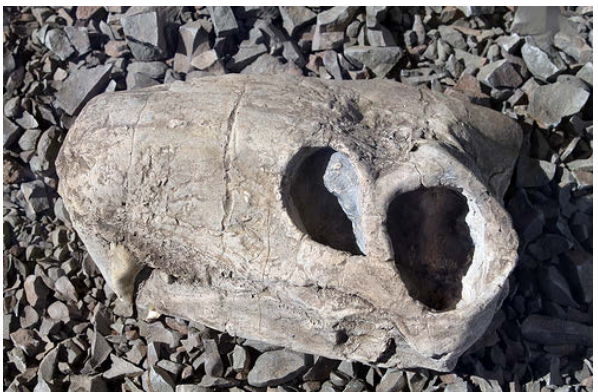
Maropeng visitor centre
Near the Cradle of Humankind, there is a tourist centre at Maropeng. The word "Maropeng" comes from Tswana and means "origins" - a very fitting name for a place that tells the story of human beginnings. This centre helps visitors understand the importance of the fossil discoveries and learn about human evolution in an engaging way.
Other important fossil areas
South Africa has many other areas that attract fossil tourists, including:
- Langebaan - known for its rich fossil deposits
- Border Cave - an important archaeological site
- Karoo area - famous for its variety of fossils from different time periods
Each of these areas offers unique insights into different periods of Earth's history and attracts visitors from around the world.
Economic benefits and job creation
Fossil tourism brings important economic benefits to South Africa, especially in rural and less developed areas. Local communities benefit in many ways:
Employment opportunities
Many South Africans find work in fossil tourism areas as:
- Tour guides - explaining the significance of fossil sites to visitors
- Hotel staff - providing accommodation for tourists
- Game rangers - protecting the areas and wildlife
- Drivers - transporting tourists to different sites
- Curio sellers - selling local crafts and souvenirs
Community involvement
Important
It's crucial that local people see fossil tourism as a real opportunity for income and employment, not just something academic that doesn't affect their daily lives. When communities are involved in fossil tourism, they become partners in protecting these important sites while benefiting economically.
Sustainable development
Fossil tourism helps create sustainable development by:
- Providing long-term employment opportunities
- Encouraging protection of fossil sites
- Bringing money into local economies
- Raising awareness about the importance of South Africa's fossil heritage
Summary
Key Points to Remember:
- Fossil tourism combines people's curiosity about human origins with economic opportunities for local communities
- The Cradle of Humankind in Gauteng is South Africa's most important fossil tourism destination and a World Heritage Site
- Famous fossil discoveries include Mrs Ples, Little Foot, and the Karabo Child
- Maropeng means "origins" in Tswana and serves as an important visitor centre
- Fossil tourism creates many job opportunities including tour guides, hotel staff, and curio sellers
- Local community involvement is essential for successful and sustainable fossil tourism