Impact of Humans on Biodiversity and Environment (Grade 10 NSC Matric Life Sciences): Revision Notes
📚Revision Notes
Impact of Humans on Biodiversity and Environment
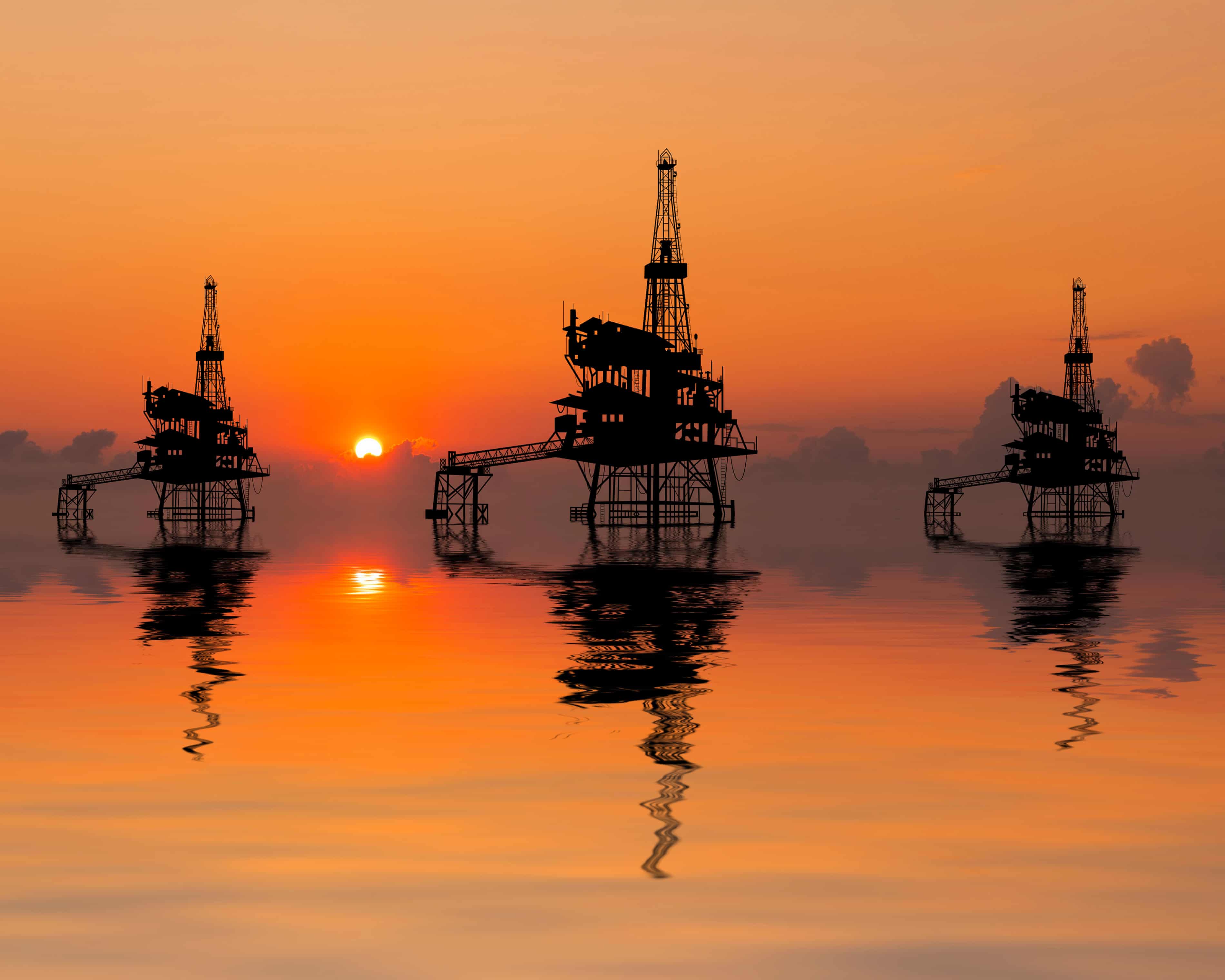
Human activities have dramatically changed the natural world around us. The scientific term for these human-caused changes is the anthropogenic effect. This describes all the environmental impacts that result directly from human activities, and it usually refers to various forms of environmental pollution and habitat destruction.
Note
The term "anthropogenic" comes from the Greek words "anthropos" (human) and "genic" (produced by). Understanding this concept is essential for recognising how human behaviour directly connects to environmental changes we observe today.
Understanding the anthropogenic effect
The anthropogenic effect is a broad concept that covers any environmental change caused by human behaviour. These changes can affect the air we breathe, the water we drink, the soil that grows our food, and the habitats where animals and plants live. Most of these effects are harmful to biodiversity and the environment.
Important
Unlike natural environmental changes that occur over thousands or millions of years, anthropogenic effects happen much more rapidly and can cause irreversible damage to ecosystems within decades or even years.
Major human activities affecting the environment
Human activities contribute to environmental changes in many different ways. Understanding these activities and their impacts helps us see how interconnected human behaviour and environmental health really are.
Let's examine each of these activities and their environmental consequences:
Agriculture
Modern farming practices have significant environmental impacts. Climate change occurs partly because agriculture releases carbon dioxide into the atmosphere. Deforestation happens when forests are cleared to create farmland, destroying natural habitats. Desertification occurs when poor farming practices damage soil quality, turning fertile land into desert-like conditions. Agriculture also depends heavily on fossil fuels for machinery, fertilisers, and transportation.
Note
Modern intensive agriculture uses approximately 10 times more energy input than traditional farming methods, primarily due to mechanisation, synthetic fertilisers, and pesticides derived from fossil fuels.
Fishing
The fishing industry affects marine ecosystems in several ways. Dynamite fishing involves using explosives to catch fish, but this destroys coral reefs and other underwater habitats. Overfishing occurs when too many fish are caught, leading to the extinction of certain fish species and disrupting food chains in marine environments.
Important
Overfishing has caused some fish populations to decline by over 90% since the 1950s, creating cascading effects throughout marine food webs that can be difficult or impossible to reverse.
Irrigation
Water usage for farming creates multiple environmental problems. Irrigation changes the quality of soil and underground water by introducing chemicals and salts. It also uses up water supplies in local rivers and lakes, which can affect drinking water availability and damage freshwater ecosystems.
Meat production
Animal farming is one of the largest contributors to environmental degradation worldwide. Current methods of raising livestock contribute to water pollution through animal waste runoff. Land degradation occurs when grazing animals damage grasslands and soil. Meat production also contributes to climate change through methane emissions from animals and causes loss of biodiversity when natural habitats are converted to grazing land.
Important
Livestock farming is responsible for approximately 14.5% of global greenhouse gas emissions, making it a larger contributor to climate change than the entire transportation sector.
Oil industry
The petroleum industry has widespread environmental impacts. Land degradation occurs at drilling sites and refineries. Air pollution results from burning fossil fuels and industrial processes. The environmentally toxic processes involved in oil extraction and processing cause significant damage. These activities lead to loss of biodiversity and overall destruction of the environment.
Mining
Mining operations create serious environmental and health problems. Soil erosion occurs when mining disturbs the landscape. Contamination of groundwater and surface water happens when chemicals from mining processes leak into water sources. Deforestation occurs when mining sites are established. Mining processes are highly toxic, and the contamination from mining activities can seriously affect the health of local populations.
Note
Mining activities can contaminate water sources for hundreds of years after operations cease, as heavy metals and other toxic substances continue to leach from abandoned sites into surrounding ecosystems.
Transport
Transportation systems impact the environment mainly through their use of petroleum products. This creates air pollution that contributes to global warming through carbon dioxide emissions. Transport is a major source of greenhouse gases that drive climate change.
Case study: Fracking in South Africa
Example
Case Study: Hydraulic Fracturing in the Karoo
Hydraulic fracturing (also called "fracking") provides a specific example of how human activities can impact the environment. This process involves breaking up underground rocks to release natural gas or petroleum.
The Situation: In South Africa, there are an estimated 485 trillion cubic feet of gas reserves in the Karoo region, making it the fifth largest source of natural gas globally.
The Dilemma: While fracking could reduce South Africa's dependence on coal imports, using this extraction method would cause significant environmental damage. The process would destroy fossil records that currently exist beneath the Earth's surface in the Karoo region, representing an irreplaceable loss of scientific and historical information.
The Trade-off: This case demonstrates the complex balance between economic benefits and environmental costs that must be carefully considered in all anthropogenic activities.
Summary
Key Points to Remember:
-
The anthropogenic effect describes all environmental changes caused by human activities, usually referring to pollution and habitat destruction
-
Seven major human activities significantly impact the environment: agriculture, fishing, irrigation, meat production, oil industry, mining, and transport
-
Meat production is one of the largest contributors to environmental degradation worldwide, affecting water, land, climate, and biodiversity
-
All human activities have multiple environmental consequences - for example, agriculture affects climate, forests, soil, and fossil fuel consumption
-
Local examples like fracking in the Karoo show how human activities can have both economic benefits and serious environmental costs that must be carefully considered