Biomes and Environment (Grade 10 NSC Matric Life Sciences): Revision Notes
📚Revision Notes
Biomes and Environment
Understanding biomes
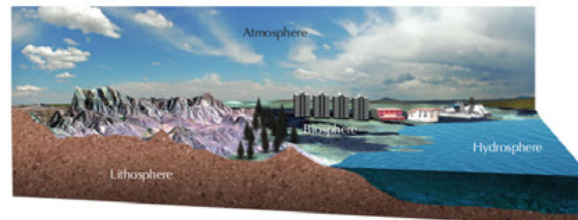
The biosphere can be divided into different regions called biomes. These are large areas that share similar weather patterns and geographical features. The main factors that shape a biome are the average yearly rainfall and temperature. These weather conditions depend on where the area is located on Earth, including how far it is from the equator, how high above sea level it sits, and whether mountains block weather patterns.
Note
The location of a biome on Earth determines its climate through three key geographical factors: latitude (distance from the equator), altitude (height above sea level), and topographical features like mountains that can block weather patterns.
The specific environmental conditions in each biome determine which plants and animals can survive there. When we look at all the living things (plants, animals, and tiny soil organisms) in a particular biome working together, we call this an ecosystem. Biomes can be grouped into two main types: those found in water (aquatic) and those found on land (terrestrial).
Aquatic biomes
Water covers most of our planet's surface, so water-based biomes contain an amazing variety of plants and animals. We can divide aquatic biomes into two main groups based on how salty the water is: freshwater and marine biomes.
Freshwater biomes
Freshwater environments have very low salt levels, usually less than 1%. You can find freshwater biomes in ponds, lakes, streams, rivers, and wetlands. These ecosystems support many different types of life, from tiny microscopic organisms to large fish and water birds.
Marine biomes
Marine environments are salty, containing about 35 grammes of dissolved salt in every litre of water (which equals 3.5%). Marine biomes include oceans, coral reefs, and estuaries.
Oceans are massive bodies of water that cover most of Earth's surface and contain the largest ecosystems on our planet. The open ocean supports an incredible variety of living things, including whales, sharks, octopuses, jellyfish, crabs, and many types of fish.
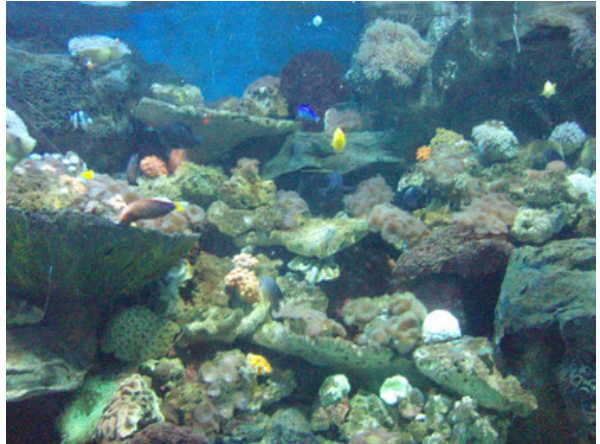
Coral reefs develop in warm, clear, shallow tropical waters around islands and along coastlines. These underwater structures are built from calcium carbonate that living coral animals produce. Reefs provide food and shelter for many sea creatures and help protect coastlines from wave damage. South Africa has only one coral reef, located in the warm subtropical waters north of Lake St. Lucia in northern KwaZulu-Natal.
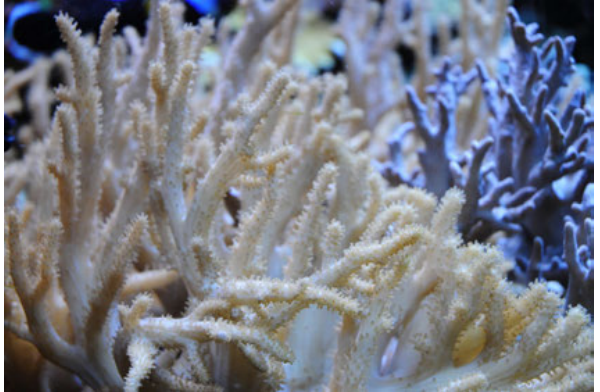
Estuaries are special areas where fresh water from rivers mixes with salty ocean water. These transition zones are incredibly productive biologically and provide homes for many different plants, birds, and animals.
Marine biomes of South Africa
South Africa has an extensive coastline stretching over 3000 kilometres from Namibia in the west to Mozambique in the east. The country's coastline is rugged with rocky shores exposed to powerful wave action. The coastal waters generally stay warm throughout most of the year, and there are up to 343 estuaries along the coast. Two-thirds of these estuaries can be found on the East Coast between Cape Padrone in the Eastern Cape Province and Mtunzini in KwaZulu-Natal. The eastern region receives the most rainfall, mainly during summer months.
Terrestrial biomes
Land-based biomes occur in many different forms, including thickets, tundra, forests, grasslands, and deserts. Scientists usually classify terrestrial biomes based on the main types of plants that grow there, the climate conditions, or where they are located geographically. Climate factors like rainfall and temperature have the biggest influence on where different biomes develop and what they look like.
Important
Climate factors, particularly rainfall and temperature patterns, are the primary drivers that determine which plants and animals can survive in different terrestrial biomes. Understanding these relationships is crucial for predicting how biomes might change with climate variations.
South African biomes
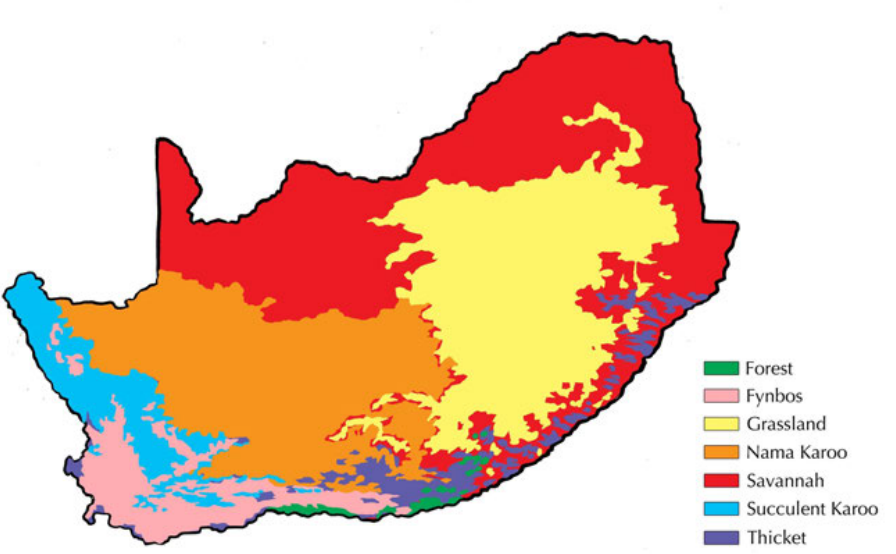
Scientists have identified eight major terrestrial biomes in South Africa. These biomes showcase the country's remarkable environmental diversity:
- Grassland
- Savanna
- Succulent Karoo
- Nama Karoo
- Forest
- Fynbos
- Desert
- Thicket
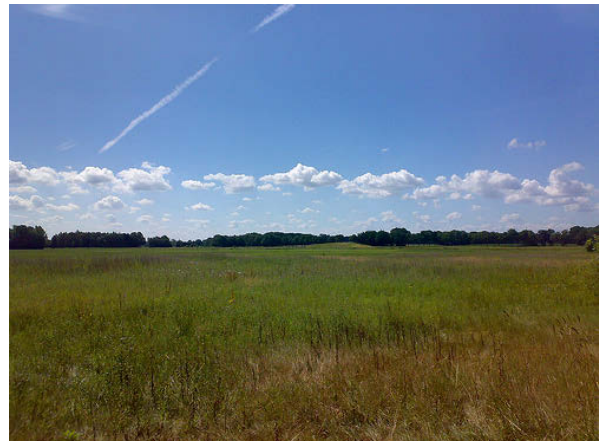
1. Grassland biome
Location: Grasslands are primarily found on the Highveld region of South Africa.
Climate: These areas typically receive summer rainfall between 400mm and 2000mm per year. Winters can be very cold, and frost often occurs during the winter months.
Soil and geography: Grassland soils are usually red, yellow, grey, or red-black clay. The upper layers of grassland soil are rich and fertile, making them excellent for agriculture.
Flora: The vegetation consists mainly of grasses, though trees can grow along river beds and on hillsides where conditions are more favourable.
Fauna: Many grass-eating herbivores live in this habitat, including black wildebeest, blesbok, and eland. Rodents are also common in grasslands, making these areas ideal hunting grounds for birds of prey. The diverse plant species support many plant-eating insects like butterflies, grasshoppers, crickets, and ants.
2. Savanna biome
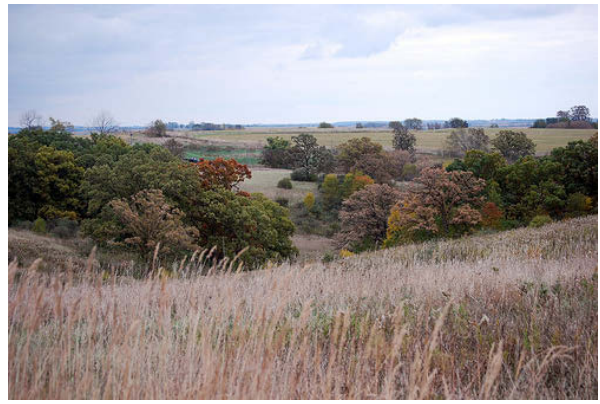
Location: The Savanna biome is the largest biome in Southern Africa, found mainly in the Northern Cape, North West Province, Northern Province, and KwaZulu Natal.
Climate: Summers are hot and wet while winters are cool with little to no rain. Frost can occur during winter months.
Soil and geography: The soil consists of red or black clay, red and yellow soil, and grey soil that is often sandy in texture.
Flora: This biome is also called the bushveld, where grasses dominate and regular fires prevent trees from taking over completely. You can find herbaceous plants and woody plants in different areas, and plants here have adapted to survive fires.
Fauna: Large game species such as kudu, springbok, lions, buffalo, and elephants live in the Savanna Biome. This area is also known for being prone to malaria.
Note
The Savanna biome is also known as the bushveld and is characterised by its adaptation to regular fires. The fire cycles are essential for maintaining the balance between grasses and trees in this ecosystem.
3. Succulent Karoo biome
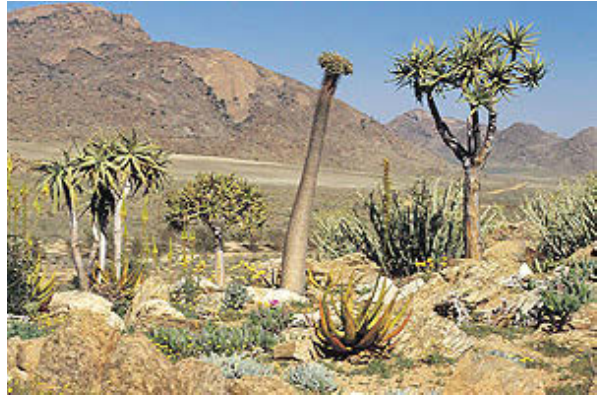
Location: The Succulent Karoo biome stretches along the west coast of the Northern Cape Province and the northern parts of the Western Cape Province.
Climate: This biome experiences hot summers and cold winters with very low rainfall throughout the year. Fog is common, and frost is rarely severe enough to cause significant damage to plants.
Soil and geography: The soils are lime-rich but poorly developed, sitting on rocks and sands that erode easily.
Flora: About forty percent of the plant species found here are endemic to this biome, meaning they don't grow naturally anywhere else on Earth. The Namaqualand region within this biome is famous for its spectacular wildflower displays. Succulent plants have adapted to survive dry seasons by storing water in their leaves or stems.
Fauna: Insects are common, and the plants provide grazing for sheep and goats.
4. Nama Karoo biome
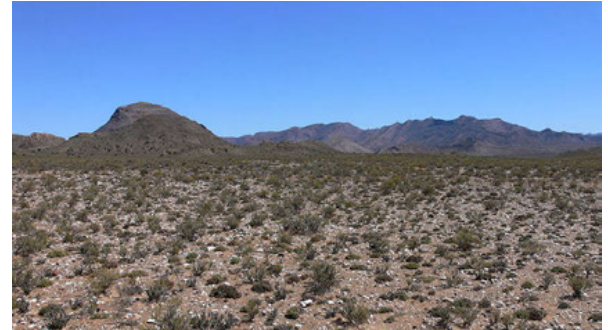
Location: The Nama Karoo is the second largest biome in South Africa, forming the major part of the Northern Cape Province and the Free State.
Climate: This region is considered semi-desert, receiving very little rain throughout the year. Summers are extremely hot while winters are very cold, and frost occurs frequently.
Soil and geography: Soils that develop on rocks are poorly formed. The area is characterised by sands, rocky terrain, and red clay, making erosion a common problem.
Flora: The landscape is dominated by grassy dwarf shrubland.
Fauna: The plants provide good grazing for sheep and goats.
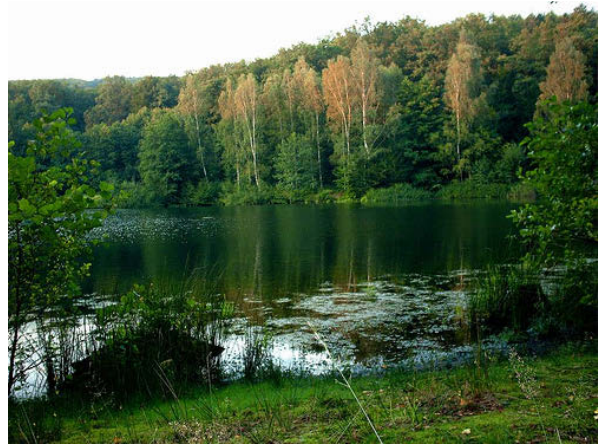
5. Forest biome
Location: The forest biome in South Africa occurs in scattered patches in areas like Knysna in the Western Cape, KwaZulu Natal, the Eastern Cape, Limpopo, and Mpumalanga.
Climate: Some forests receive rain only during winter months, while others get rainfall throughout the year.
Soil and geography: Forests grow at various altitudes from sea level to above 2000 metres. The soil is well-drained, and many different soil types can be found.
Flora: Trees dominate these forests, with Yellowwood being the largest species. Many herbaceous and bulbous plants also grow in forest environments.
Fauna: Numerous insect species live here, along with small mammals such as bushpig, bushbuck, and various monkey species. The forest canopy provides perfect habitat for birds like the Knysna Lourie, pigeons, and eagles.
6. Fynbos biome
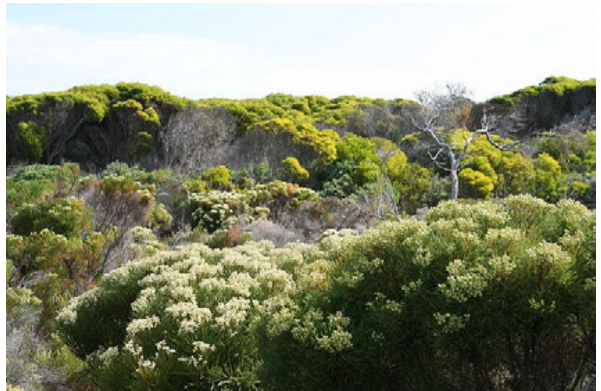
Location: Fynbos is the natural shrubland found in the Western Cape of South Africa.
Climate: This biome has cold, wet winters and hot, dry summers, which are typical Mediterranean climate conditions.
Soil and geography: The soils are poor, acidic, and coarse-grained.
Flora: Fynbos is internationally recognised for its incredible biodiversity. Important plant types found here include proteas, 'silver trees', and 'pincushions'. Plants growing in fynbos don't lose their leaves during dry periods. Proteas have striking flowers, and this region has the highest fynbos variety in the world, with over 9000 species of fynbos plants found here.
Fauna: Fynbos provides habitat for many bird species, insects, and small mammals.
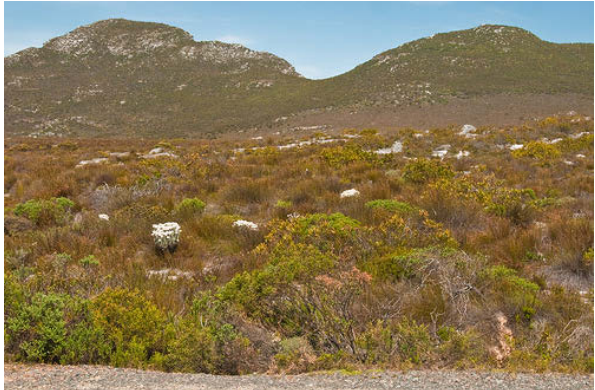
The plants of the fynbos show a high degree of endemism. This means they are specific to a particular geographical location, such as an island, country, or in this case, a defined biome like the fynbos.
Example
Worked Example: Fire Adaptation in Fynbos
Fire plays a crucial role in the life cycle of nearly all fynbos plants and commonly occurs during the dry summer months.
Step 1: Many seeds only germinate after experiencing the intense heat of a fire.
Step 2: As proteas 'prepare' for fire, they keep their seeds on the bush for at least a year.
Step 3: This behaviour is called serotiny - the delayed release of seeds that ensures germination occurs when conditions are optimal after a fire.
Fire plays a crucial role in the life cycle of nearly all fynbos plants and commonly occurs during the dry summer months. Many seeds only germinate after experiencing the intense heat of a fire. As proteas 'prepare' for fire, they keep their seeds on the bush for at least a year, a behaviour called serotiny.
7. Thicket biome
Location: The thicket biome occurs along the coasts of KwaZulu Natal and the Eastern Cape.
Climate: Thickets develop in areas where rainfall is fairly high; however, there may be dry periods that prevent the vegetation from developing into forests.
Soil and geography: Most thickets occur in river valleys.
Flora: The vegetation includes short trees, low intertwining shrubs and vines. There are no distinct layers of trees and shrubs, with many large open spaces found throughout the thicket biome. Thickets in the Eastern Cape consist of dense, impenetrable vegetation dominated by spiny, often succulent trees and shrubs.
Fauna: Large mammals like kudu, monkeys, bushbuck, and elephants live here.
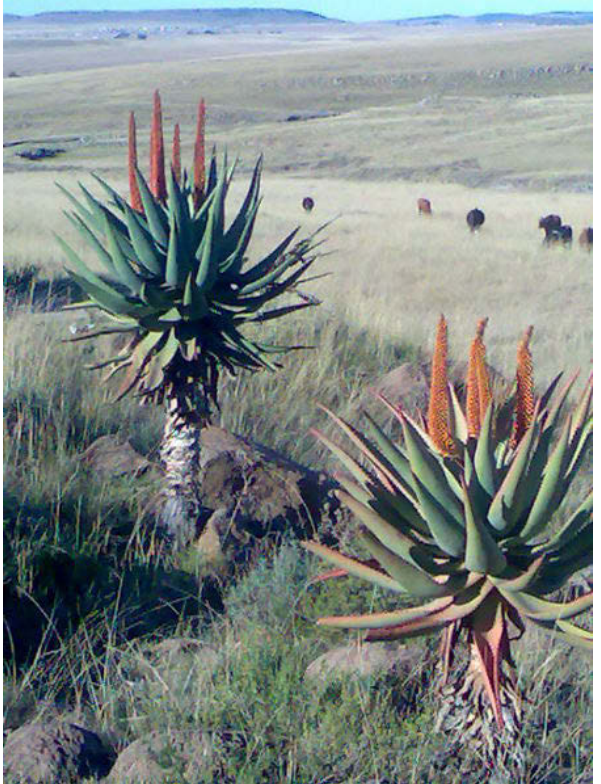
8. Desert biome
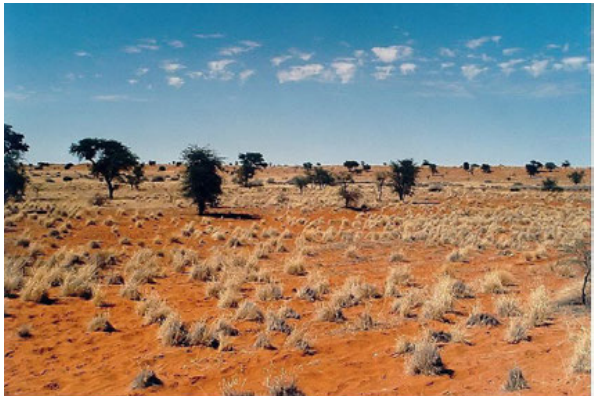
Location: The Desert Biome is found largely in the Namib Desert along the coast of Namibia. The transition regions between deserts and grasslands are sometimes called semi-arid deserts.
Climate: Deserts are dry areas where evaporation usually exceeds precipitation. Rainfall is low (less than 250 millimetres per year) and can be highly variable and seasonal. The low humidity results in temperature extremes between day and night. Deserts can be hot or cold. Hot deserts like the Namib and Kalahari are very hot in summer and have relatively high temperatures throughout the year, with seasonal rainfall.
Soil and geography: The soil consists mostly of sand, gravel, or rocks.
Flora: Deserts have relatively little vegetation.
Fauna: Many insects and reptiles (lizards and snakes) occur in desert biomes.
Important
Desert biomes are characterised by extremely low rainfall (less than 250mm per year) and high evaporation rates. The harsh conditions create unique challenges for both plant and animal survival, leading to specialised adaptations.
Environment
The environment refers to everything that surrounds us, including the place where we live. We usually use the term "environment" to describe the physical aspects of our surroundings, which may include living things (biotic factors) or non-living things (abiotic factors). This means that if you live in a city, your environment consists of buildings, roads, and other infrastructure. If you live on a farm, your environment includes pastures, farm buildings, and countryside features.
While an environment consists of both non-living and living things, the term "environment" simply describes one's surroundings without really defining the relationships, connections, or dynamic nature of those surroundings. To study how the living and non-living parts of the environment depend on and influence each other, we need to understand a different concept: the ecosystem.
Note
The key difference between "environment" and "ecosystem" is that environment simply describes our physical surroundings, while ecosystem focuses on the dynamic relationships and interactions between living and non-living components.
Summary
Key Points to Remember:
- Biomes are large regions with similar climate and geography, determined mainly by rainfall and temperature patterns
- Aquatic biomes include freshwater (less than 1% salt) and marine environments (3.5% salt content)
- South Africa has eight major terrestrial biomes: Grassland, Savanna, Succulent Karoo, Nama Karoo, Forest, Fynbos, Desert, and Thicket
- Endemism means species that are found only in specific geographical locations, making them unique to those areas
- Climate factors like rainfall and temperature are the main drivers that determine which plants and animals can survive in different biomes