Ecotourism (Grade 10 NSC Matric Life Sciences): Revision Notes
📚Revision Notes
Ecotourism
What is ecotourism?
Ecotourism combines tourism with environmental conservation. It brings visitors to a country while actively supporting and protecting its natural biodiversity. Rather than just visiting places, ecotourism focuses on appreciating and preserving the unique ecosystems and wildlife that make destinations special.
Note
Unlike traditional tourism that may focus purely on entertainment or relaxation, ecotourism creates a meaningful connection between travellers and the natural world while contributing to conservation efforts.
South Africa as a tourist destination
South Africa offers incredible diversity that attracts visitors from around the world. The country showcases remarkable variety in its natural environments, from desert landscapes to wetlands, mountains to coastlines, and the distinctive Fynbos biome.
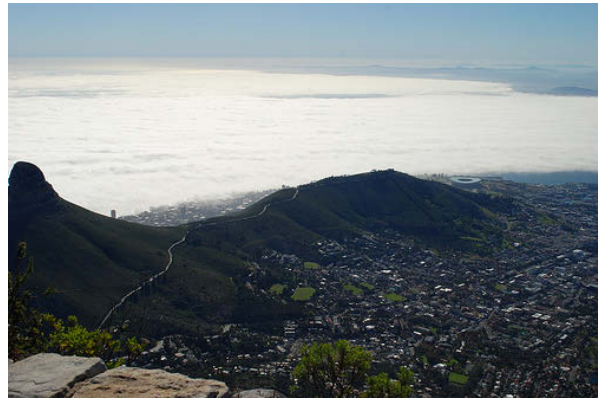
What makes South Africa particularly special is its status as one of the world's most biodiverse countries. Despite covering only about 1,200,000 km², South Africa hosts 10% of all plant species found on Earth. The country belongs to an elite group of 18 "mega diverse" nations that together contain 70% of the planet's total biodiversity.
This extraordinary biological wealth stems largely from South Africa's unique geography. The combination of diverse landscapes and climates creates perfect conditions for supporting vast numbers of different plant and animal species, making it an ideal destination for nature-loving tourists.
Note
What makes a country "mega diverse"?
A mega diverse country must contain at least 5,000 endemic plant species and have marine ecosystems within its borders. These 18 countries are considered the most biologically diverse on Earth and play a crucial role in global conservation efforts.
Economic benefits of ecotourism
Tourism represents one of South Africa's fastest-growing economic sectors, generating approximately R62 billion annually. This massive industry creates significant opportunities for economic development in several key ways.
Job creation forms a major benefit, with tourism providing employment for park operators, local craft sellers, tour guides, and many other service providers. These jobs often emerge in areas that might otherwise have limited economic opportunities.
Community development occurs when tourism earnings flow back into local communities near popular destinations. This reinvestment can help reduce poverty levels and improve living standards for people in these areas.
Infrastructure improvement happens as tourism growth demands better facilities and services. Communities around major tourist attractions often benefit from enhanced roads, communication systems, and other infrastructure developments that serve both visitors and local residents.
Ethical considerations in tourism
While tourism brings substantial economic benefits and allows people to experience unique places and cultures, it can also create negative environmental impacts. Sensitive ecosystems like wetlands and coastal areas need careful protection to maintain their natural balance of organisms.
Important
Large numbers of visitors, especially those uninformed about their environmental impact, can cause irreversible damage to fragile ecosystems. This is why education and responsible behaviour are essential for sustainable tourism.
Large numbers of visitors, especially those uninformed about their environmental impact, can damage fragile ecosystems. Similarly, tourists must show sensitivity towards local cultures and communities they encounter during their travels.
To address these challenges, South Africa has established numerous National Parks with strict behavioural guidelines to protect unique plant and animal communities. Additionally, sites of historical or cultural importance have gained protection as national heritage sites.
South Africa takes pride in hosting eight UNESCO World Heritage Sites, which receive international recognition and protection:
Cultural sites:
- Fossil Hominid Sites of Sterkfontein, Swartkrans, Kromdraai, and Environs (1999)
- Mapungubwe Cultural Landscape (2003)
- Robben Island (1999)
- Richtersveld Cultural and Botanical Landscape (2007)
Mixed site:
- UKhahlamba/Drakensberg Park (2000)
Natural sites:
- Cape Floral Region Protected Areas (2004)
- Greater St. Lucia Wetland Park (1999)
- Vredefort Dome (2005)
- Table Mountain (2011)
How to be a responsible ecotourist
Travelling responsibly to South Africa's protected areas requires respecting both the environment and local communities. Following these guidelines helps ensure your visit contributes positively to conservation efforts.
Before you visit, research your destination to understand local customs and regulations. For example, littering is prohibited in all South African National Parks, and visitors must follow specific rules designed to protect wildlife and ecosystems.
Respect cultural diversity by learning about local customs and traditions. South Africa's rich cultural heritage means different communities may have distinct ways of life. Understanding these differences helps you avoid accidentally offending anyone through inappropriate behaviour.
Protect the environment by avoiding damage to plants, animals, or buildings when visiting protected areas. This includes not writing graffiti on historical buildings or natural formations. Remember the fundamental principle of responsible tourism: "take only pictures, leave only footprints."
Support local communities by purchasing crafts and services from local vendors when appropriate. This helps ensure tourism benefits reach the communities surrounding the attractions you visit.
Example
Practical Example: Visiting Kruger National Park
Step 1: Research park rules and regulations before arrival
Step 2: Book accommodation through official channels to support conservation
Step 3: Follow designated paths and maintain safe distances from wildlife
Step 4: Purchase souvenirs from local craft markets near park entrances
Step 5: Dispose of waste properly and respect quiet zones for wildlife
Summary
Key Points to Remember:
- Ecotourism combines travel with conservation, supporting biodiversity while providing economic benefits
- South Africa ranks among the world's 18 mega diverse countries, containing 10% of Earth's plant species in just 1.2 million km²
- Tourism generates approximately R62 billion annually for South Africa's economy while creating jobs and infrastructure development
- Responsible tourism requires respecting both natural environments and local cultures to ensure sustainable benefits
- Eight UNESCO World Heritage Sites in South Africa receive international protection and recognition for their outstanding value