Cardiovascular Diseases (Grade 10 NSC Matric Life Sciences): Revision Notes
📚Revision Notes
Cardiovascular Diseases
Cardiovascular diseases are conditions that affect your heart and blood vessels, including arteries, veins, and capillaries. These diseases are unfortunately the leading cause of death worldwide, and their occurrence is increasing rapidly in countries like South Africa. The good news is that many cardiovascular diseases can be prevented through healthy lifestyle choices such as regular exercise and good eating habits.
In this section, we'll explore the main types of cardiovascular diseases, understand what causes heart attacks and strokes, and learn about the treatments available to help people with these conditions.
Understanding cardiovascular diseases
Note
Cardiovascular diseases occur when there are problems with the heart or blood vessels that transport blood around your body. These problems can range from blocked arteries to irregular heartbeats, and they can seriously affect how well your body receives the oxygen and nutrients it needs to function properly.
Types of cardiovascular diseases
Heart attack (myocardial infarction)
A heart attack, also called a myocardial infarction, happens when the heart muscle doesn't receive enough oxygen-rich blood. Your heart muscle needs a constant supply of blood through special blood vessels called coronary arteries. When these arteries become blocked, the heart muscle begins to die due to lack of oxygen.
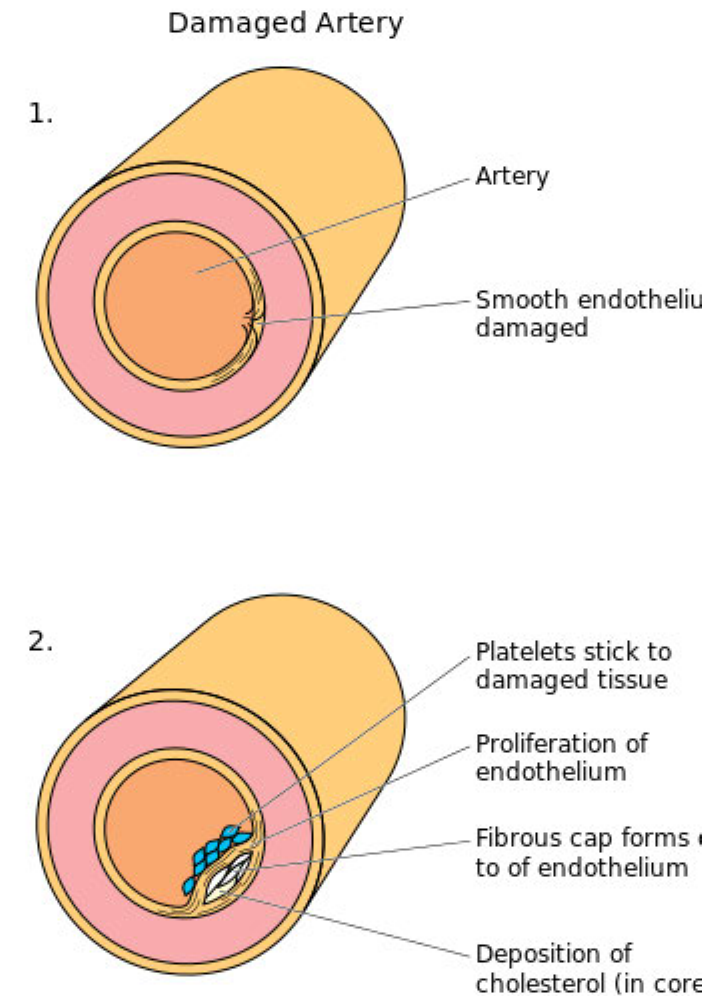
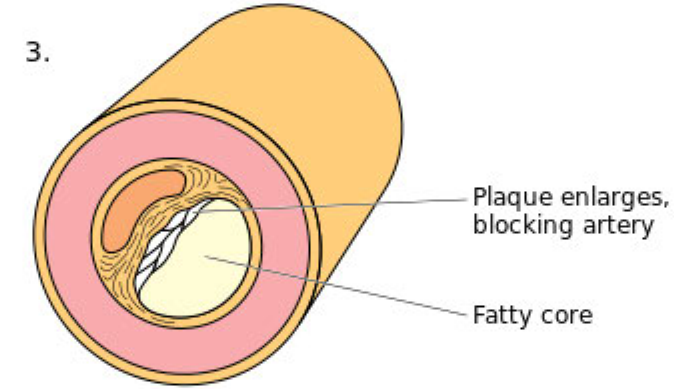
The main cause of heart attacks is a condition called atherosclerosis. This occurs when fatty substances, including cholesterol and other lipids, gradually build up inside artery walls to form deposits called plaque. Think of this like rust building up inside a water pipe - over time, the pipe becomes narrower and water flow is restricted.
Important
Understanding Atherosclerosis Development
The development of atherosclerosis follows a clear pattern that every student should understand, as it's the root cause of most heart attacks:
- Initial damage: The smooth inner lining of the artery (endothelium) becomes damaged
- Platelet response: Blood cells called platelets stick to the damaged area to try to repair it
- Plaque formation: Cholesterol and other fatty substances accumulate, and the artery wall begins to thicken
- Artery narrowing: As the plaque grows larger, it blocks more of the artery, reducing blood flow
- Potential rupture: If the plaque bursts, it can cause a blood clot that completely blocks the artery
When a coronary artery becomes completely blocked, the heart muscle supplied by that artery doesn't receive oxygen and begins to die. This is what we call a heart attack.
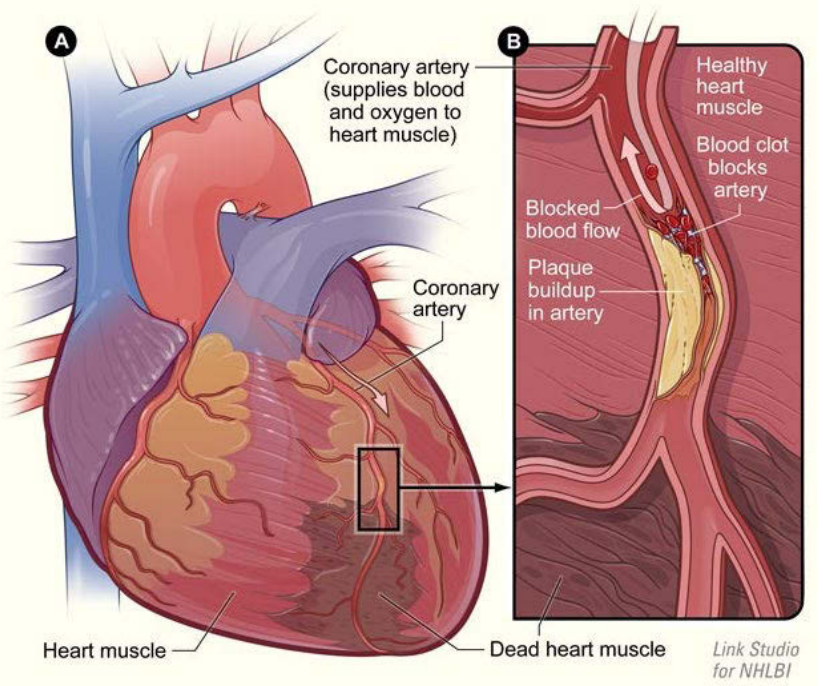
Some people with narrowed coronary arteries experience chest pain called angina when their heart doesn't receive enough blood flow, especially during physical activity. However, many people with atherosclerosis don't have any symptoms until they have a heart attack.
Hypertension (high blood pressure)
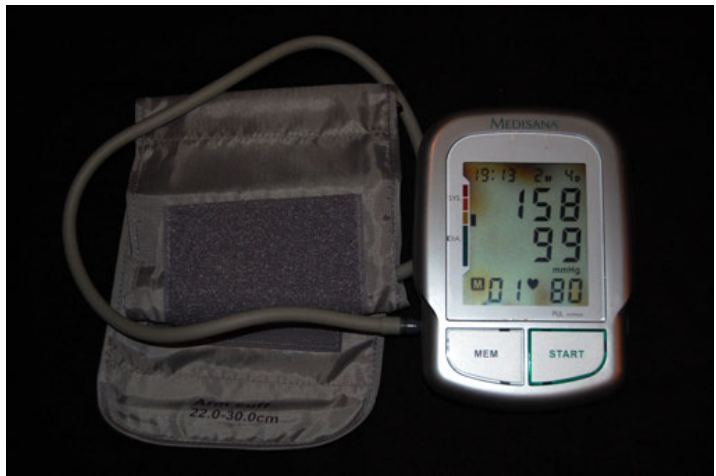
Blood pressure is the force that blood exerts against the walls of your arteries as your heart pumps it around your body. Normal blood pressure readings at rest should be between mm Hg for the top number (systolic pressure) and mm Hg for the bottom number (diastolic pressure).
Hypertension occurs when blood pressure remains consistently at or above mm Hg. High blood pressure is dangerous because it puts extra strain on your heart and blood vessels, making them work harder than they should.
Note
Blood pressure is measured using an instrument called a sphygmomanometer. This device uses an inflatable cuff that wraps around your arm to measure the pressure in your arteries.
Hypertension significantly increases your risk of:
- Strokes
- Heart attacks
- Bursting of blood vessels (aneurysms)
Important
The "Silent Killer"
The condition is often called a "silent killer" because many people with high blood pressure don't experience obvious symptoms, but the damage to their cardiovascular system continues over time.
Hypotension (low blood pressure)
Hypotension refers to abnormally low blood pressure, particularly when systolic pressure is less than mm Hg or diastolic pressure is less than mm Hg. While low blood pressure isn't always dangerous, it can become problematic if it causes noticeable symptoms.
People with very low blood pressure may experience:
- Feeling light-headed or dizzy
- Fainting spells
- In severe cases, seizures
Note
When blood pressure becomes extremely low, it can prevent the brain and other vital organs from receiving adequate oxygen and nutrients. This can lead to a life-threatening condition called shock.
Stroke
A stroke occurs when blood flow to part of the brain is interrupted, either by a blood clot blocking an artery or by an artery bursting. When brain tissue doesn't receive oxygen and glucose, brain cells begin to die quickly.
Important
Stroke Effects on the Body
Strokes can cause serious problems with:
- Speech and communication
- Movement and coordination
- Memory and thinking
Large strokes can result in paralysis or even death. The effects of a stroke depend on which part of the brain is affected and how much brain tissue is damaged.
Aneurysm
An aneurysm is a dangerous weakness in a blood vessel wall that causes the vessel to bulge outward like a balloon. These blood-filled bubbles can form in arteries throughout the body, including the brain, abdomen, or aorta (the main artery from the heart).
Important
Why Aneurysms Are So Dangerous
Aneurysms are particularly dangerous because:
- They can grow quite large over time
- The weakened vessel wall may burst without warning
- When they rupture, they cause massive internal bleeding that can be fatal
Treatment of cardiovascular diseases
Modern medicine offers several effective treatments for cardiovascular diseases. The choice of treatment depends on the specific condition, its severity, and the patient's overall health.
Stents
A stent is a small, expandable metal mesh tube that can be inserted into a blocked coronary artery to restore blood flow. The procedure works like this:
Example
Stent Placement Procedure:
- A thin wire with a deflated balloon and closed stent is inserted into the blocked artery
- The balloon is inflated at the site of the blockage, expanding the stent
- The expanded stent pushes against the plaque, compressing it against the artery wall
- The balloon is removed, but the stent remains permanently in place to keep the artery open
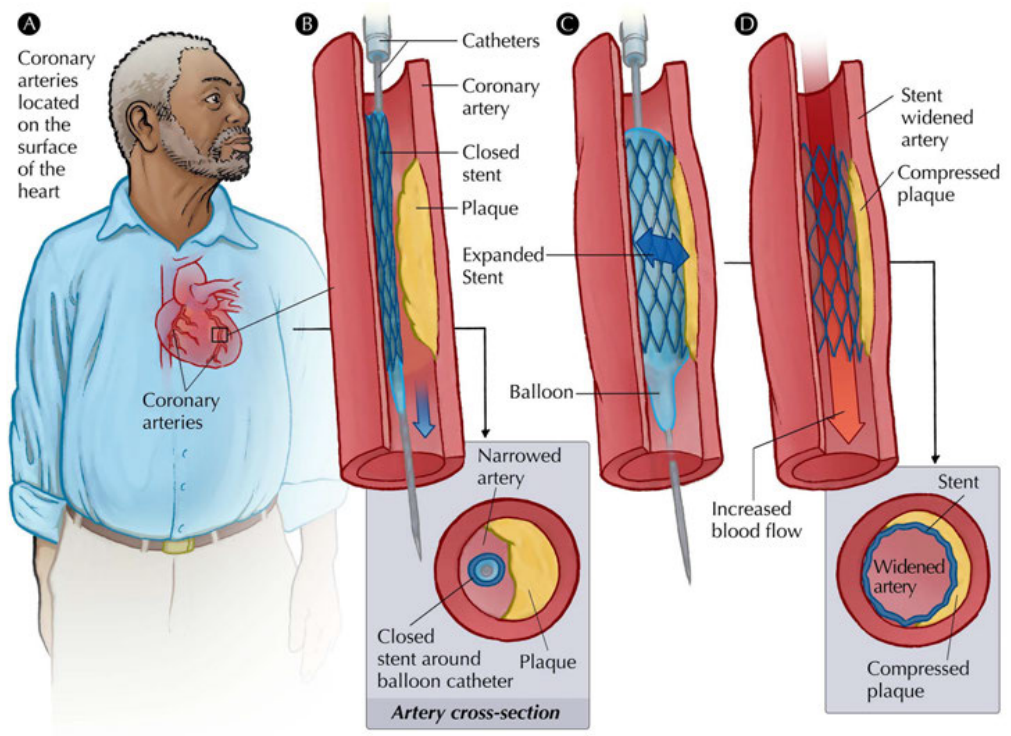
Stents are highly effective at restoring blood flow and can be life-saving during a heart attack. They help prevent the artery from blocking again in the future.
Pacemaker
A pacemaker is a small electronic device that helps control abnormal heart rhythms (arrhythmias). These devices are surgically implanted under the skin in the chest or abdomen.
Note
Modern Pacemaker Capabilities
Modern pacemakers are quite sophisticated - they can:
- Learn a patient's normal heart rhythm patterns
- Detect when the heart skips a beat or beats irregularly
- Send small electrical pulses to stimulate the heart to beat normally
- Automatically adjust to the patient's activity level
Valve replacement
Sometimes the heart's valves become damaged and need to be replaced with artificial ones. There are two main types of replacement valves:
Biological valves are made from animal or human tissue and typically last years. Patients with biological valves usually don't need to take blood-thinning medications long-term.
Mechanical valves are manufactured from synthetic materials and last much longer than biological valves. However, patients with mechanical valves must take anti-coagulant (blood-thinning) medication for the rest of their lives to prevent blood clots.
Coronary bypass surgery
This is one of the most common surgical treatments for coronary heart disease. During bypass surgery, a surgeon removes a healthy section of vein from the patient's leg and uses it to create a new pathway around the blocked coronary artery.
Note
The "bypass" allows blood to flow around the blockage, ensuring that the heart muscle continues to receive the oxygen-rich blood it needs. This can dramatically improve symptoms and help prevent heart attacks.
Heart transplant
A heart transplant involves surgically removing a person's diseased heart and replacing it with a healthy heart from a donor. This treatment is reserved for end-stage heart failure when the heart is so damaged that it cannot pump enough blood to meet the body's needs.
Important
Heart Transplant Challenges
Heart transplants are complex procedures with several challenges:
- Donor hearts are in very short supply
- Patients must undergo careful medical evaluation to ensure they're suitable candidates
- Recipients must take immunosuppressive medications for life to prevent rejection
- Despite these challenges, survival rates have improved significantly, especially in the first year after transplant
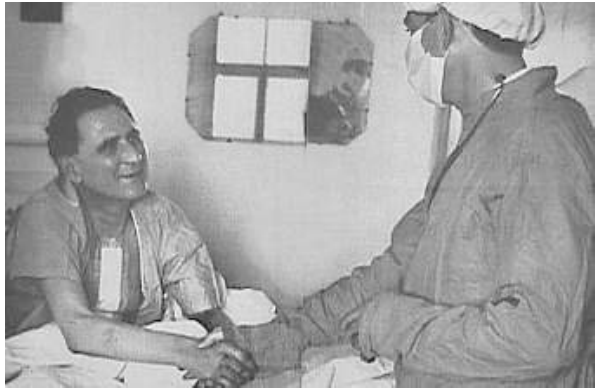
Interestingly, the first human heart transplant was performed in South Africa by Dr Christiaan Barnard in 1967, marking a major milestone in medical history.
Prevention and lifestyle factors
While treatments for cardiovascular diseases have advanced significantly, prevention remains the best approach. You can reduce your risk of developing cardiovascular diseases by:
- Maintaining a healthy diet low in saturated fats and cholesterol
- Getting regular physical exercise
- Not smoking or using tobacco products
- Managing stress effectively
- Maintaining a healthy weight
- Having regular medical check-ups to monitor blood pressure and cholesterol levels
Summary
Key Points to Remember:
-
Cardiovascular diseases affect the heart and blood vessels and are the leading cause of death worldwide, but many can be prevented through healthy lifestyle choices.
-
Atherosclerosis is the main culprit - the buildup of fatty plaque in arteries leads to heart attacks when coronary arteries become blocked, cutting off oxygen supply to heart muscle.
-
Blood pressure matters greatly - normal range is mm Hg, with hypertension (high blood pressure) increasing stroke and heart attack risk, while hypotension (low blood pressure) can cause fainting and shock.
-
Modern treatments are highly effective - from stents that open blocked arteries to pacemakers that regulate heart rhythm, medical advances have dramatically improved outcomes for cardiovascular patients.
-
Prevention is always better than treatment - regular exercise, healthy eating, not smoking, and managing stress can significantly reduce your risk of developing cardiovascular diseases in the first place.