Measuring Mass or Weight (Grade 10 NSC Matric Mathematical Literacy): Revision Notes
📚Revision Notes
Measuring Mass or Weight
Understanding mass and weight
In science, the correct term for how much an object weighs on a scale is "mass". However, in everyday language, we often use the words "weight" and "mass" interchangeably. For example, we might say "I weigh 60 kg" or "the car's mass is 1 tonne" - both are acceptable in daily conversation.
Note
Understanding this distinction helps you communicate more precisely, especially in mathematical and scientific contexts. While scientists prefer the term "mass," both terms are widely accepted in everyday measurements and calculations.
Types of scales and their uses
Different types of scales are designed to measure different sizes and weights of objects. Each scale has a specific range that makes it most suitable for particular measuring tasks.
Kitchen scales
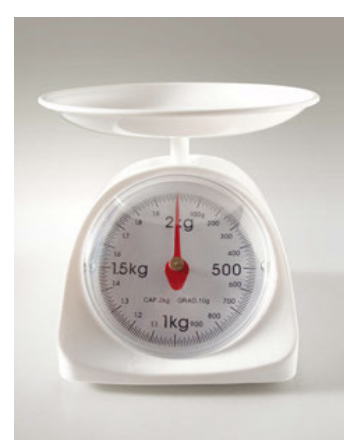
Kitchen scales are designed for measuring small quantities of food, typically up to 2 or 3 kg. These scales measure ingredients for cooking and baking, with units divided into both kilograms and grams for precise measurements.
Market and shop scales
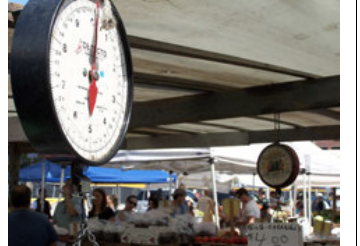
Larger food scales are commonly seen in shops and markets. These can measure weights from 0 to 10 kg, making them perfect for weighing vegetables, fruit, and other food items sold by weight.
Bathroom scales
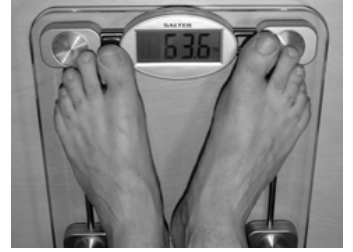
Bathroom scales can be either analogue (with a dial) or digital (with a screen display). They measure a person's weight and typically have a range from 0 to 150 kg. Most bathroom scales show measurements in kilograms and grams, such as 63.6 kg.
Medical scales
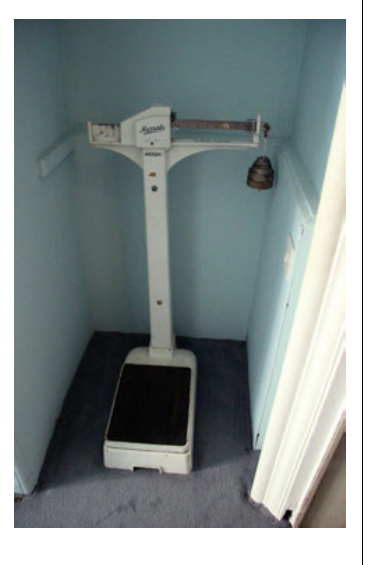
Clinical and medical scales are used in doctors' practices and hospitals. These are larger analogue scales that can measure patient weights between 0 and 150 kg with high accuracy.
Platform scales
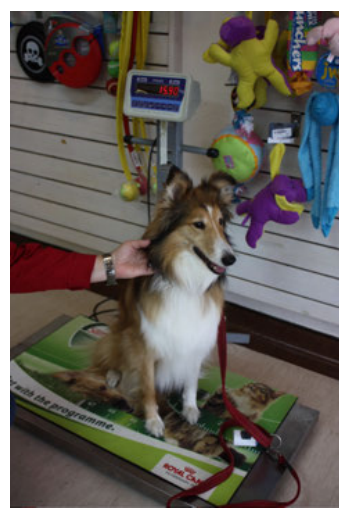
Flat electronic scales, also called platform scales, are used for measuring bulky objects like suitcases at airports or pets at veterinary clinics. These scales can handle irregularly shaped items that wouldn't fit on smaller scales.
Weighbridges
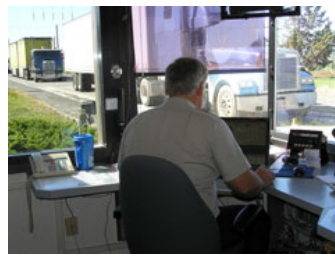
Weighbridges are used to measure very large objects like trucks. The vehicle drives onto a special section of road connected to a digital scale. An operator then reads the truck's weight in tonnes from the scale display.
Key definitions
Important
Analogue scale A scale that has no electronic devices attached to it (such as LCD screens). These scales use mechanical components and typically have a dial with a pointer needle to show the weight.
Digital scale
A scale that has electronic devices like digital displays and LCD screens. These scales show the weight as numbers on a screen.
Calibration This is the process by which a scale is adjusted to ensure it takes accurate readings. Think of it as "tuning" the scale to make sure it gives the most precise measurements possible.
Scale accuracy and calibration
Most analogue scales can become less accurate when they are moved around, because they have moving parts inside that can shift if the scale is bumped or dropped. Before using an analogue scale, you need to adjust it to ensure accurate readings. This adjustment process is called re-calibration.
Note
Digital scales are calibrated for accuracy in the factory when they are manufactured. They do not become inaccurate when moved, unlike analogue scales. However, larger scales like weighbridges are calibrated on-site by professional engineers or technicians.
Unit conversions
Understanding how to convert between different units of mass is essential for solving weight-related problems.
Basic conversion factors:
Important
Conversion rules:
- To convert from larger to smaller units: multiply
- To convert from smaller to larger units: divide
Memory aid: Think of it as "breaking down" larger units into more smaller pieces (multiply) or "combining" smaller units into fewer larger ones (divide).
Worked examples
Example
Worked Example 1: Reading scales and converting units
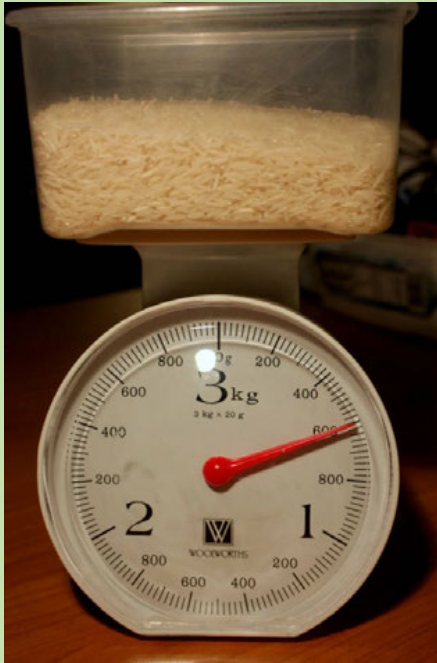
Question: Study the picture of rice on a scale.
- a) How much does this rice weigh in grams?
- b) Convert this to kilograms.
Solution:
- a) Reading the scale: 600 g
- b) Converting to kg:
Example
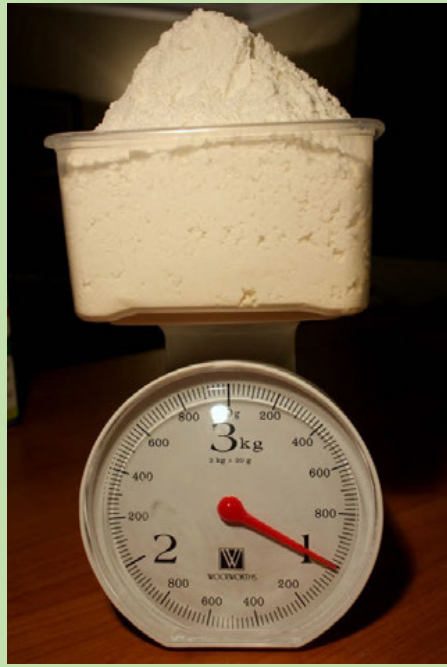
Question: Study the picture of flour on a scale.
- a) How much does this flour weigh in kilograms?
- b) Convert this to grams.
Solution:
- a) Reading the scale: 1 kg
- b) Converting to grams:
Example
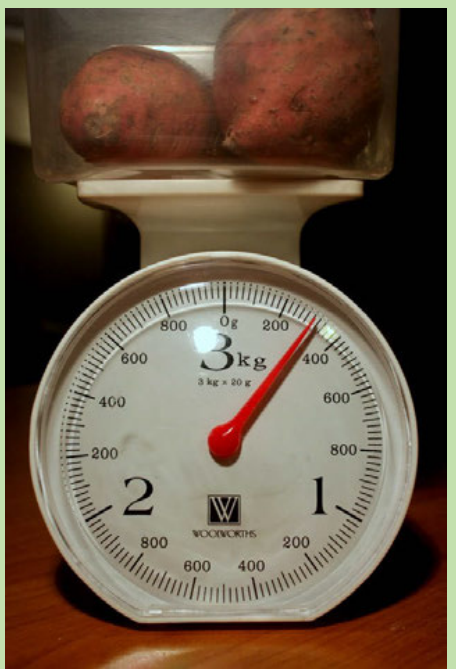
Question: Study the picture of potatoes on a scale.
- a) How much do these sweet potatoes weigh in grams?
- b) Convert this to kg.
Solution:
- a) Reading the scale: 300 g
- b) Converting to kg:
The maximum weight this scale can measure is 3 kg.
Example
Worked Example 2: Weight tracking and health monitoring
Question: Annabelle weighs herself once a week at the same time of day, wearing similar clothes, for two months. Her measurements are recorded in the table below:
| Date | 1 Feb | 7 Feb | 14 Feb | 21 Feb | 1 Mar | 7 Mar | 14 Mar | 21 Mar |
|---|---|---|---|---|---|---|---|---|
| Weight (kg) | 65.5 | 65.9 | 65.2 | 64.6 | 65.8 | 65.0 | 65.1 | 64.5 |
- What is the difference (in kg) between her weight on 1 Feb and 21 March?
- By how much did her weight increase between 21 Feb and 1 March?
- Give two possible explanations for why her weight went up suddenly on 1 March.
Solution:
- . She weighs 1.0 kg less on 21st March.
- increase.
- Possible explanations:
- She ate a large amount of food in the week between 21 Feb and 1 March
- She forgot to check that the scale was set to "0 kg" before weighing herself
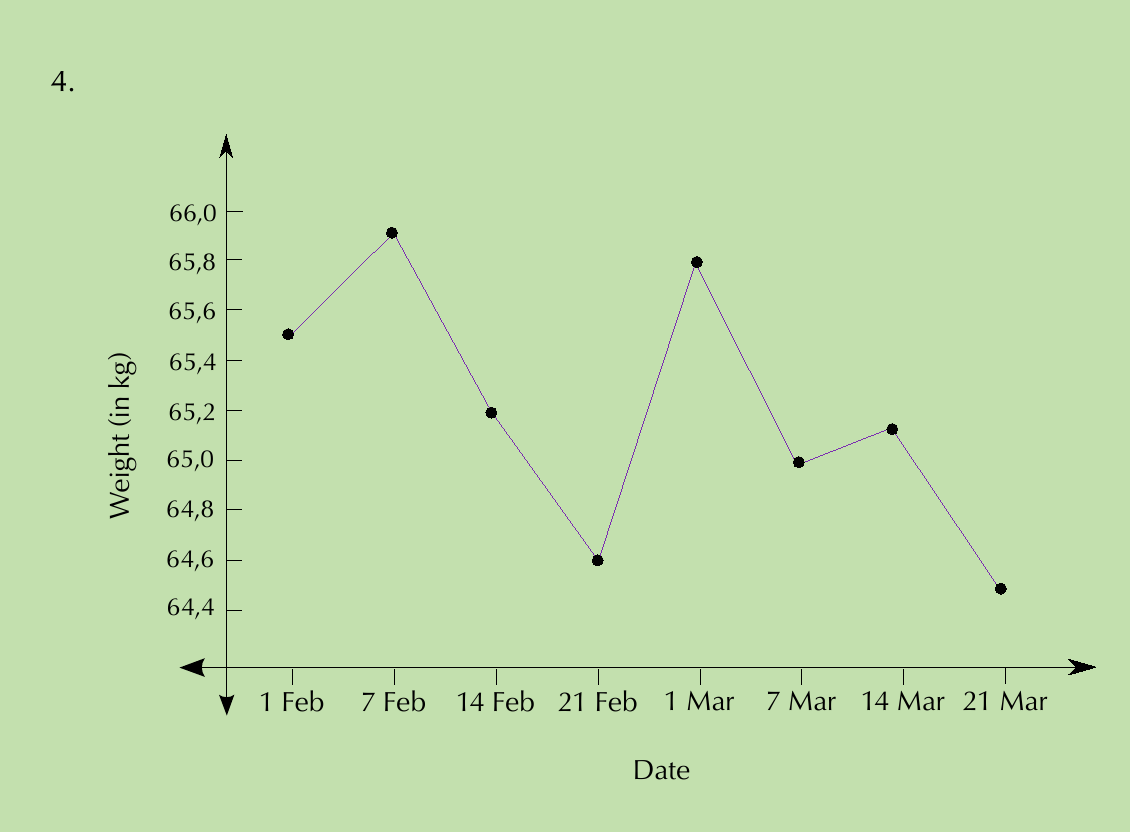
The data can also be displayed as a line graph showing the weight changes over time, with dates on the horizontal axis and weight in kilograms on the vertical axis.
Example
Worked Example 3: Calculating costs from weight
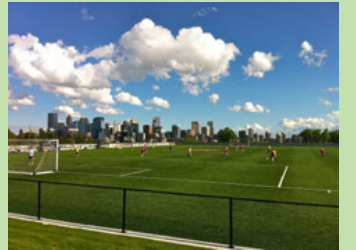
Question: Khuthele School needs to buy fertiliser for two soccer fields. A 30 kg bag of fertiliser costs R 42.60. The school needs to buy 96 bags. How much will they pay for the fertiliser? How many kg will they buy altogether?
Solution:
- Number of bags × price per bag:
- Number of bags × weight per bag:
Example
Worked Example 4: Converting tonnes to kilograms
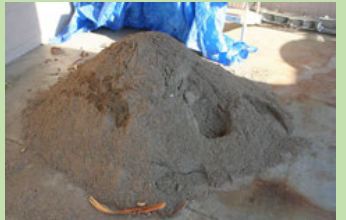
Question: Mr. Booysens needs to buy sand to build a new room. Sand costs R 23 per kg. He needs to buy 0.8 tonnes of sand.
- Write the amount of sand needed in kg.
- Calculate the total cost.
- If sand is only sold in 50 kg bags, how many bags will he need?
Solution:
-
Remember:
So he needs: -
Quantity × cost per kg:
-
Total weight ÷ weight per bag:
Summary
Exam Tips:
- Always check the units in your answer - does the question ask for grams or kilograms?
- When reading analogue scales, look carefully at where the needle points
- Remember the conversion factors: ,
- For cost calculations, identify what information you're given and what you need to find
- Show all your working steps clearly
Summary
Key Points to Remember:
- Mass and weight can be used interchangeably in everyday language
- Analogue scales have no electronic parts; digital scales have LCD displays
- Calibration ensures scales give accurate readings
- and
- When converting: multiply to go to smaller units, divide to go to larger units