Sustainable Tourism (Grade 10 NSC Matric Tourism): Revision Notes
📚Revision Notes
Sustainable Tourism
What is sustainable tourism?
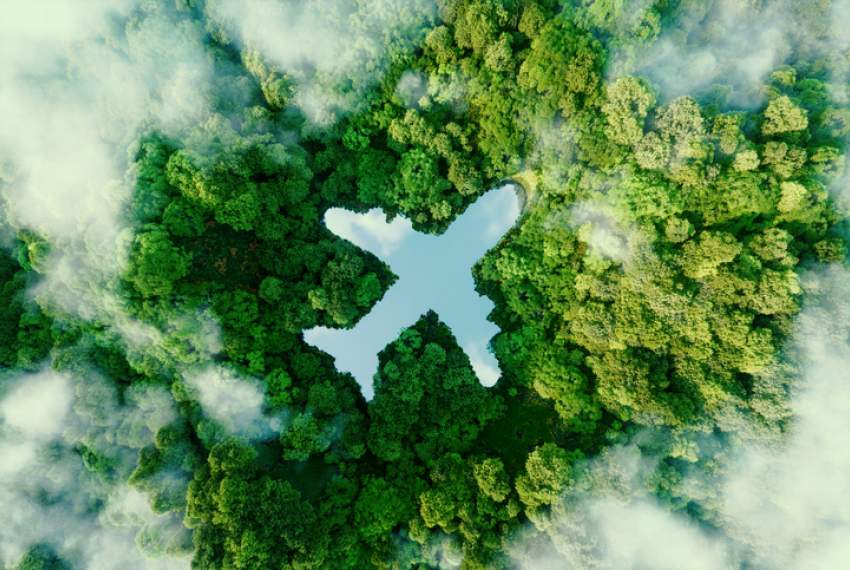
Sustainable tourism is a way of managing tourism that focuses on protecting and preserving our natural and cultural resources so that future generations can enjoy them too. This approach recognises that tourism doesn't just affect the environment—it impacts people, communities, and the economy as well.
Note
The key principle is simple: all stakeholders (people and organisations involved in tourism) share the responsibility to protect resources. Stakeholders include tourists, tourism businesses, local communities, and government. When everyone works together, we can ensure that tourism benefits everyone without causing harm.
Sustainable tourism is concerned with the well-being of three important areas:
- Environment – protecting nature and natural resources
- People – supporting local communities and cultures
- Economy – creating jobs and income whilst managing costs
The need for sustainable practices in tourism businesses
Tourism can bring wonderful opportunities, but it can also cause problems if not managed properly. This is why governments and tourism businesses must develop policies and practices that benefit all stakeholders involved.
Important
Critical Management Goals
Effective management of tourism should aim to:
- Reduce negative impacts – minimise harm to the environment, communities, and local economy
- Increase positive impacts – maximise the benefits that tourism brings
When tourism is managed in this way, it becomes truly sustainable. Without these practices, tourism destinations can suffer from environmental damage, social problems, and economic difficulties that harm the very attractions that brought tourists there in the first place.
The three pillars of sustainable tourism
Sustainable tourism rests on three important pillars, often remembered as the "three Ps":
- Planet (Environmental impacts)
- People (Social impacts)
- Profit (Economic impacts)
Understanding these three categories helps us see the full picture of how tourism affects destinations.
Environmental impacts (planet)
The environmental pillar focuses on how tourism affects the natural world. The basic relationship is: more tourists = more people using resources = greater impact on the environment. Let's examine both the negative and positive environmental effects.
Negative environmental impacts
Tourism can harm the environment in several ways:
- Air pollution occurs from gases released by cars, aeroplanes, and buses transporting tourists
- Noise pollution comes from planes, vehicles, and loud music at tourist venues
- Visual pollution results from unsightly buildings that don't fit the natural landscape
- Solid waste and litter increase from packaging and products used by tourists
- Liquid waste includes chemicals in waste water and sewage from accommodation and facilities
- Fauna and flora degradation happens through soil erosion, removal of plants, and harmful interaction with animals (such as tourists feeding baboons, which changes their natural behaviour)
- Pressure on resources particularly water, which may be scarce in some areas
- Loss of natural habitat occurs when undeveloped land is cleared for construction
- Congestion creates traffic problems, crowded beaches, and overcrowded shopping malls
- Vandalism involves damage to attractions, removal of objects (like shells or coral), or graffiti
Positive environmental impacts
Despite these challenges, tourism can also benefit the environment:
- Conservation efforts are supported by income generated from tourists, which funds the protection of natural areas and wildlife
- Biodiversity thrives when healthy environments are maintained to attract tourists, encouraging the growth of animal and plant populations
- Improvement of built environment happens through development of facilities and CBD (central business district) projects that enhance urban areas
- Environmental management systems are implemented to protect and promote the environment
- The three Rs – reduce, re-use, recycle – are practised to minimise waste and resource consumption
Note
Positive Environmental Action
Tourism can be a powerful force for environmental protection. When managed responsibly, the income from tourism provides crucial funding for conservation projects and encourages destinations to maintain healthy ecosystems that attract visitors.
Social impacts (people)
The social pillar examines how tourism affects communities and their way of life. When tourists visit a destination, interaction occurs, which impacts local communities. Tourism businesses have a responsibility to work with communities in planning and decision-making to ensure these impacts are positive.
Negative social impacts
Tourism can create social challenges:
- Increase in crime and violence may occur as some people try to take advantage of tourists
- Cultural changes happen when locals adopt tourist dress and behaviour, potentially losing their traditional identity
- Tourist-generated income doesn't always flow back into the community, with profits sometimes leaving the area
- Tensions between tourists and locals arise from:
- Competing for resources (like water or space)
- Behaviour misunderstandings due to cultural differences
- Locals being denied access to culturally significant places
- Disrespect of privacy and invasion of sacred sites
- Exploitation of cultural ceremonies for tourist entertainment
- Negative behaviour such as disrespect and drunkenness can offend local communities
Important
Common Social Pitfalls
Be aware that tensions often arise when tourists and locals compete for limited resources or when cultural differences lead to misunderstandings. Respecting local customs and sacred sites is essential for maintaining positive relationships between visitors and host communities.
Positive social impacts
However, tourism also brings valuable social benefits:
- Awareness of traditions helps preserve cultures, art forms, and traditional practices
- Creates understanding between different cultures, promoting tolerance and respect
- Communities absorb new ideas, interests, and values that can enrich their lives
- Cultural heritage is preserved because it becomes valuable to tourists
- Tourist-generated income funds the maintenance of cultural sites and museums
- Cultural pride is promoted as locals take pride in sharing their heritage
- Education and community development are supported by businesses investing in local programmes
Economic impacts (profit)
The economic pillar looks at how tourism affects the financial well-being of destinations. Tourism can be a powerful economic tool, but it must be managed carefully to maximise benefits and minimise problems.
Positive economic impacts
Tourism brings several economic advantages:
| Impact | Explanation |
|---|---|
| Income generation | Tourists spend money in the community on accommodation, food, activities, and souvenirs, creating revenue for local businesses |
| Employment creation | Tourism businesses need staff, providing jobs for local people in hotels, restaurants, attractions, and transport services |
| Balance of payments | Tourists bring money into the country or region, improving the area's financial position |
| Investment | Both private companies and government invest money in developing and promoting tourism, improving infrastructure and facilities |
Negative economic impacts
Despite these benefits, tourism can create economic challenges:
| Impact | Explanation |
|---|---|
| Inflation | Prices of goods and services increase because demand rises when tourists arrive, making life more expensive for locals |
| Leakage | Owners of tourism businesses may take profits out of the area, or imported goods and services cause money to flow away from the destination |
| External costs | Additional expenses like electricity supply and waste removal increase as tourism grows, and someone must pay for these services |
| Overdependence on tourism | Countries, regions, or communities may rely too heavily on tourism. If tourist numbers decrease, the economy suffers because there are no other industries to provide income |
Example
Worked Example: Understanding Leakage
Consider a beach resort in a developing country:
Scenario: A large international hotel chain opens a resort. Tourists spend $1000 per week on accommodation and activities.
Leakage occurs when:
- The hotel imports food and drinks from abroad instead of buying locally: $300 leaves the area
- Foreign staff are employed instead of locals: $200 in wages leaves the area
- Profits are sent to the hotel's head office overseas: $300 leaves the area
Result: Only 1000 stays in the local economy—that's 80% leakage!
Lesson: Supporting local suppliers and employing local people keeps more money in the community.
How tourism businesses can reduce negative impacts
Responsible tourism businesses can help minimise economic problems by:
- Employing locals rather than bringing in workers from outside the area
- Buying from local suppliers to keep money circulating in the community
- Supporting local entrepreneurs by creating business opportunities for community members
- Including local content in products such as locally made crafts and food
- Promoting local arts and crafts to showcase community talents and create income
Note
Keeping Money in the Community
When tourism businesses make conscious decisions to work with local suppliers and employ local people, they help reduce leakage and ensure that tourism income benefits the entire community. This approach creates a more sustainable economic model that strengthens the destination's long-term prosperity.
Summary
Key Points to Remember:
-
Sustainable tourism protects resources for future generations by balancing environmental, social, and economic concerns (the three pillars: Planet, People, Profit)
-
Environmental impacts include both negative effects (pollution, habitat loss, congestion) and positive contributions (conservation, biodiversity, the three Rs: reduce, re-use, recycle)
-
Social impacts affect communities through challenges (crime, cultural changes, tensions) and benefits (cultural preservation, education, understanding between cultures)
-
Economic impacts bring advantages (income, employment, investment) and risks (inflation, leakage, overdependence) that must be carefully managed