Food and Beverage Establishments (Grade 10 NSC Matric Tourism): Revision Notes
📚Revision Notes
Food and Beverage Establishments
Food and beverage establishments are essential businesses in the tourism sector that provide meals, drinks, and dining experiences to tourists and locals. These establishments vary greatly in style, price, and the type of service they offer. Understanding the different types helps you recognise how they meet the diverse needs of tourists, from budget-conscious travellers to those seeking luxury dining experiences.
Note
The food and beverage sector is one of the most diverse areas in tourism, with establishments ranging from street vendors to luxury fine dining restaurants. Each type serves specific tourist markets and preferences.
Types of food and beverage establishments
The food and beverage sector includes many different establishment types, each catering to specific customer needs and preferences. Let's explore the main categories you need to know for your NSC Tourism studies.
Full service restaurants
Full service restaurants provide table service where customers are seated and served by waiters. These establishments fall into two main categories:
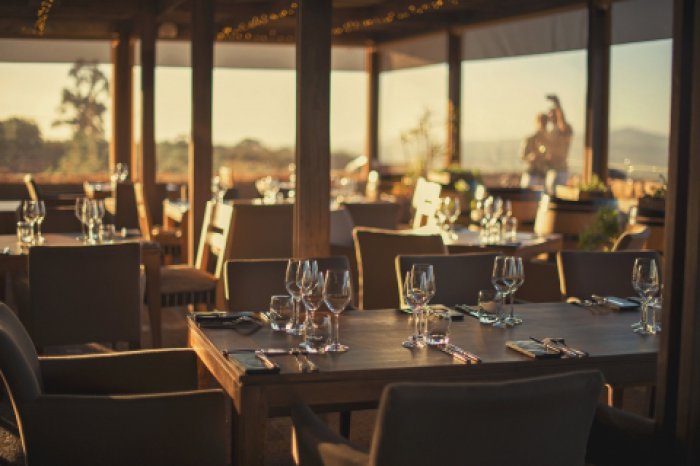
Fine dining restaurants offer an upscale dining experience with several key characteristics:
- They provide a formal dining atmosphere with elegant décor and table settings
- Menus are extensive, offering a wide selection of dishes and speciality items
- Prices are typically higher, reflecting the quality of ingredients and service
- Staff are professionally trained to provide excellent customer service
- These restaurants target tourists and customers seeking a special dining experience
Family restaurants provide a more casual alternative:
- The atmosphere is relaxed and informal, making families feel comfortable
- Prices are more affordable than fine dining establishments
- Menus often include child-friendly options and value meals
- Examples you should know include Spur and Ocean Basket, both popular South African chains
- These establishments appeal to family tourists and locals looking for good value
Important
Understanding the difference between fine dining and family restaurants is crucial for matching tourists to appropriate dining options based on their budget and preferences. In exams, you should be able to identify which type suits different tourist profiles.
Coffee shops
Coffee shops have become increasingly popular meeting places and serve an important social function in the tourism industry. These establishments offer several key features:
- They primarily serve coffee beverages and baked goods such as cakes and pastries
- Many extend their menu to include breakfast and lunch options
- Some coffee shops also serve other beverages, including wine and beer
- They typically provide both indoor seating and outdoor areas for customers
- Coffee shops are strategically located in high-traffic areas such as shopping malls, hotels, airports, and near tourist attraction sites
Note
Coffee shops are popular with tourists because they provide a comfortable space to rest, plan activities, and experience local café culture. They serve both as quick refreshment stops and as places where people can work or socialise.
Pubs and bars
Pubs and bars cater to customers seeking beverages and light meals in an informal social setting. Key characteristics include:
- They offer an informal dining environment with a relaxed atmosphere
- The food menu is typically limited compared to full service restaurants
- Both alcoholic and non-alcoholic drinks are available
- Many pubs and bars feature live entertainment, such as music performances
- Some provide television screens for sport viewing, attracting sport enthusiasts
These establishments appeal to tourists seeking evening entertainment and social interaction. The informal nature makes them accessible to a broad range of customers, though age restrictions apply due to alcohol service.
Ice cream stores
Ice cream stores are speciality outlets focusing specifically on frozen dessert products. Understanding their role in tourism is important:
- They sell various frozen treats including soft serve ice cream, sorbet, frozen yoghurt, and traditional ice cream
- These establishments are typically located in areas with high tourist traffic, such as shopping malls, beachfronts, and near entertainment venues
- They primarily target leisure tourists and families
- Ice cream stores are particularly popular in warm weather destinations
Note
The strategic placement of ice cream stores near tourist attractions makes them convenient refreshment stops for visitors exploring an area. Location is a key factor in their success.
Fast food and quick service establishments
Fast food outlets are a significant part of the food and beverage sector, offering convenience and affordability. Key features include:
- Food is prepared and served very quickly, appealing to time-conscious customers
- Many establishments offer take-away (take-out) options for customers on the go
- Some provide seating areas where customers can dine in
- These establishments specifically appeal to tourists and customers on limited budgets
- Well-known examples include Nando's, Wimpy, and Kentucky Fried Chicken (KFC)
Note
Fast food establishments are particularly important in tourism because they provide familiar, consistent food options for international tourists while offering affordability for budget-conscious travellers. They're often found near transport hubs and tourist areas.
Taverns and shebeens
Taverns and shebeens represent an important part of South African food and beverage culture. You should understand these unique establishments:
- These establishments are traditionally located in townships
- They serve traditional African food, providing authentic cultural dining experiences
- Both alcoholic and non-alcoholic beverages are available, including home-brewed beer
- They function as important community meeting places
- Taverns and shebeens often feature music or live entertainment
- They are gaining popularity with 'adventurous' tourists seeking authentic local cultural experiences
Important
Cultural Tourism Significance
For tourism purposes, taverns and shebeens offer visitors the opportunity to experience local culture and cuisine in a genuine community setting. This type of cultural tourism is becoming increasingly important in South Africa's tourism industry. These establishments provide authentic experiences that cannot be replicated in formal dining environments.
Street stalls, kiosks and markets
Street food vendors represent the most informal category of food and beverage establishments. Important characteristics include:
- They sell specific types of food, often specialising in particular dishes or snacks
- These establishments can reflect and showcase cultural traditions through their food offerings
- Stalls are often temporary structures that can be moved, and they typically operate outdoors
- They are commonly found at festivals, special events, and in busy public areas
- Food is frequently prepared on-site, allowing customers to watch the cooking process
Note
Street stalls are significant in tourism because they provide affordable food options while offering tourists authentic local flavours and cultural experiences. They're particularly important for budget tourists and those seeking to experience local food culture.
Exam tips
Important
Exam Success Strategies
When answering exam questions about food and beverage establishments:
- Always provide examples of establishments to support your answers (use the South African examples given)
- Understand the difference between formal and informal dining options
- Be able to match establishment types to different tourist markets (budget tourists, luxury tourists, adventurous tourists, families)
- Remember that location is important – coffee shops in malls and airports, ice cream stores near beaches, taverns in townships
- Cultural tourism aspects are important, especially regarding taverns, shebeens, and street food
Remember!
Summary
Key Points to Remember:
-
Food and beverage establishments range from formal fine dining restaurants to informal street stalls, each serving different tourist needs and budgets.
-
Full service restaurants divide into two types: fine dining (formal, expensive, wide menu) and family restaurants (informal, affordable, like Spur and Ocean Basket).
-
Coffee shops serve as popular meeting places in high-traffic tourist areas, offering coffee, cakes, and sometimes full meals.
-
Cultural establishments like taverns, shebeens, and street stalls provide authentic local experiences and are increasingly popular with adventurous tourists wanting to experience traditional South African food and culture.
-
Fast food outlets appeal to budget-conscious tourists and those wanting quick, familiar meals, with examples including Nando's, Wimpy, and KFC.