Payment Methods (Grade 10 NSC Matric Tourism): Revision Notes
📚Revision Notes
Payment Methods
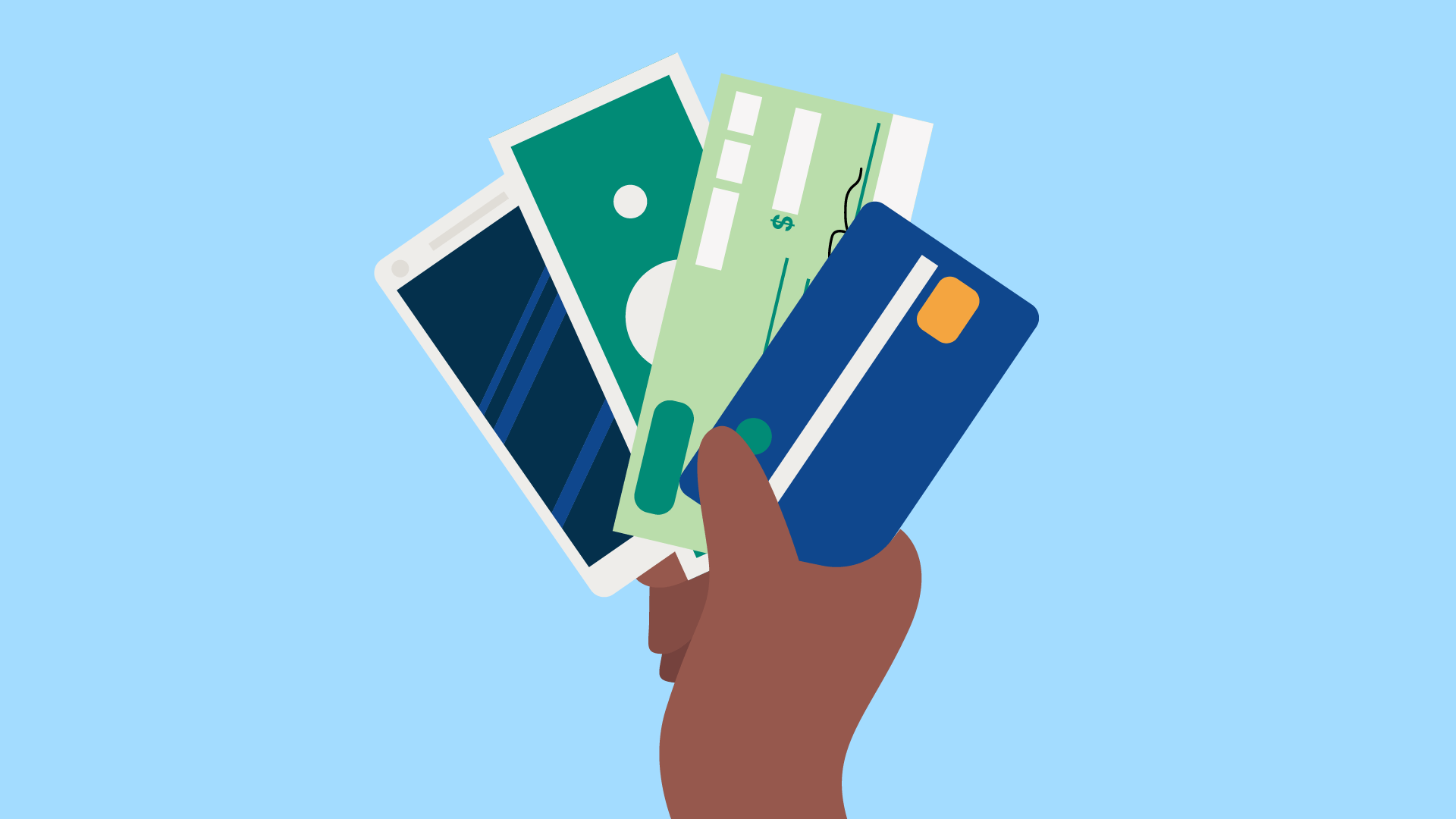
Introduction to payment methods in tourism
When tourists visit South Africa, they need various ways to pay for accommodation, activities, transport, and other services. The payment method chosen depends on several factors:
- The specific situation and facilities available
- The total amount being paid
- What the service provider requires or accepts
- How convenient and safe the payment method is
Different payment options offer different levels of security, convenience, and accessibility. Understanding these methods helps both tourists and tourism businesses manage transactions smoothly.
Note
The choice of payment method can significantly impact a tourist's experience. Factors such as availability of technology, transaction fees, processing time, and security features should all be considered when selecting the most appropriate payment option.
Internet payments
Internet banking allows tourists to make bookings and payments online before they travel. This method has become increasingly popular for advance travel planning.
How it works:
- Both the person paying and the person receiving payment need internet banking accounts with their banks
- These accounts can be opened online through the bank's website
- Security is essential, so users need a PIN (Personal Identification Number) and passwords to access their accounts
Advantages of internet payments:
- Tourists can secure their bookings and pay for services before departing on their trip
- Helps with budgeting as payments can be planned in advance
- Bookings are confirmed once payment is received
- Payments can be spread over time if needed
Disadvantages of internet payments:
- Requires access to the internet, which may not always be available
- Bank transfers can take up to two days to process if the payer's and receiver's banks are different
- Both parties must have internet banking facilities
Important
Security is Critical: Never share your PIN or passwords with anyone. Always ensure you are using a secure internet connection when making online payments, especially when using public Wi-Fi networks.
Automatic Teller Machine (ATM) payments
ATMs are electronic banking machines that perform the same functions as a human bank teller. They are conveniently located throughout South Africa.
Where to find ATMs:
- Outside banks
- Inside shops
- In banking halls
- In shopping malls and hotels
- In most tourism areas
What you can do at an ATM:
- Withdraw cash from your account
- Deposit money into your account
- Transfer money between accounts
- Check your account balance
Note
24/7 Access: One of the greatest advantages of ATMs is their round-the-clock availability. This is particularly beneficial for tourists who may need to access cash outside of regular banking hours or in different time zones.
Security features:
- ATMs are relatively safe to use
- You need a confidential PIN code to access your account
- The machine keeps your card if the PIN is entered incorrectly three times in a row
- If your card is kept by the machine or stolen, you must notify your bank immediately
Important
Card Security: If you notice anyone suspicious near an ATM, or if the machine appears to have been tampered with, do not use it. Always shield the keypad when entering your PIN to prevent others from seeing it.
Speed point machines
These are card payment devices used by retailers and tourism businesses to process card transactions quickly and securely.
How speed point machines work:
- The customer's card is swiped through the machine to register the payment
- The customer enters their PIN on the machine's keypad
- The customer signs a slip to agree to the payment
- The transaction is processed through the card issuer
Features of speed point machines:
- Most machines are connected to electronic systems by cable
- Some machines are portable, which allows the customer to keep their card in sight during the transaction
- This portability reduces the risk of card fraud or copying
- They are the most common payment method used by retailers in South Africa
Note
Portable Advantage: Portable speed point machines allow customers to maintain visual contact with their cards throughout the transaction, significantly reducing the risk of card details being copied or fraudulent transactions occurring.
Credit cards
Credit cards are the most widely used payment method in the tourism industry. They allow customers to spend money up to a set limit and pay it back later.
Uses of credit cards:
- Withdrawing cash from ATMs
- Making direct payments for goods and services
- Holding reservations (the business holds a certain amount on the card without charging it)
- Guaranteeing payment to secure bookings
Advantages of credit cards:
- Reasonably safe and convenient to use
- Include an electronic chip for added security
- Provide a credit limit that allows tourists to spend money they will pay back monthly
- Widely accepted by tourism businesses
Disadvantages of credit cards:
- Smaller businesses may not have credit card facilities due to cost
- Banks charge service providers a commission on each transaction
- Customers may overspend and struggle with monthly repayments
Example
Example: Using a Credit Card for Tourism Bookings
Sarah is planning a trip to Cape Town from the US. She uses her credit card to:
- Book accommodation for $800
- Reserve a car rental for $300
- Pre-purchase tour tickets for $200
Total charged: $1,300
The hotel also places a $200 hold on her card for incidentals (not charged yet). Her remaining credit limit decreases by $1,500 until she checks out and the hold is released.
Important
Avoid Overspending: While credit cards offer convenience, remember that you are borrowing money that must be repaid with interest. Keep track of your spending to avoid accumulating debt that becomes difficult to manage.
Common credit card examples: Visa, MasterCard, Diner's Club, and American Express.
Debit cards
Debit cards work differently from credit cards because they use money already in your bank account rather than borrowed money.
Key features of debit cards:
- Can be used at speed point machines
- Can be used at ATMs
- Money is immediately taken out of the account electronically through EFT (Electronic Funds Transfer)
- There is no delay in drawing money from the payer's account
Note
Understanding EFT: Electronic Funds Transfer (EFT) is an automated system that transfers money between bank accounts electronically. When you use a debit card, the EFT system instantly checks your account balance and deducts the payment amount if sufficient funds are available.
Security advantage:
- Debit cards are a very secure form of payment
- If there are not enough funds in the account, the payment will not be allowed by the bank
- This prevents overspending and bounced payments
Important
Budget Control: Debit cards provide an excellent way to control spending because you can only spend what you have in your account. This makes them ideal for tourists who want to stick to a strict budget during their travels.
Cell phone payments
Mobile payment technology allows tourists to make payments using their cell phones.
How it works:
- Payments are made in the same way as internet banking payments
- Can be made from anywhere with cell phone reception
- Provides flexibility for tourists who are travelling and need to make payments on the move
Note
Mobile Convenience: Cell phone payments are particularly useful for tourists who may not have immediate access to a computer but need to make urgent payments or bookings while on the move. This payment method combines the security of internet banking with the convenience of mobile technology.
Cheques
Although less common today, cheques are still used as a payment method in South Africa. There are two main types.
Personal cheques
Personal cheques are written payment instructions from a bank account.
How personal cheques work:
- Customers with cheque accounts are issued chequebooks by their bank
- Cheques are used to make payments instead of cash
- The account holder must sign the cheque for it to be valid
- The cheque is presented to the bank, which then transfers money from the payer's account
Important
Bounced Cheque Risk: Some businesses do not accept personal cheques because there is a risk the customer does not have enough money in their account. If this happens, the cheque "bounces" and the payment fails, which can result in fees for both parties and damage to the payer's credit reputation.
Limitation: Some businesses do not accept personal cheques because there is a risk the customer does not have enough money in their account. If this happens, the cheque "bounces" and the payment fails.
Bank-guaranteed cheques
Bank-guaranteed cheques provide more security than personal cheques.
How they work:
- The bank guarantees that payment of the cheque will be made
- The person requesting the cheque pays the bank the full amount required, either in cash or by deduction from their bank account
- The bank then issues the cheque
- The bank charges a fee for this service
Advantage: Bank-guaranteed cheques are more secure because the bank ensures the money is available before issuing the cheque.
Note
When to Use Bank-Guaranteed Cheques: These are particularly useful for large payments where the recipient needs assurance that funds are available, such as deposits on accommodation or high-value tour packages. The small fee charged by the bank provides peace of mind for both parties.
Summary
Key Points to Remember:
-
Multiple payment options: Tourists in South Africa can choose from internet payments, ATMs, speed points, credit cards, debit cards, cell phone payments, and cheques.
-
Credit vs debit cards: Credit cards allow you to borrow money up to a limit and pay monthly; debit cards use money already in your account through immediate EFT.
-
Security is key: All electronic payment methods require PINs and passwords to protect your money. Never share these with anyone.
-
ATMs are 24/7: Automatic Teller Machines provide round-the-clock access to banking services in tourism areas across South Africa.
-
Bank-guaranteed cheques are safest: If using cheques, bank-guaranteed cheques are more secure than personal cheques because the bank ensures the money is available.