Eastern Cape, Free State, and Gauteng (Grade 10 NSC Matric Tourism): Revision Notes
📚Revision Notes
Eastern Cape, Free State, and Gauteng
These three provinces offer diverse tourism experiences that showcase South Africa's natural beauty, rich history, and cultural heritage. Understanding these destinations is essential for Tourism students studying domestic tourism attractions.
Eastern Cape
The Eastern Cape is a coastal province that combines spectacular natural landscapes with vibrant cultural experiences. This province is particularly attractive to tourists seeking both wildlife encounters and cultural immersion.
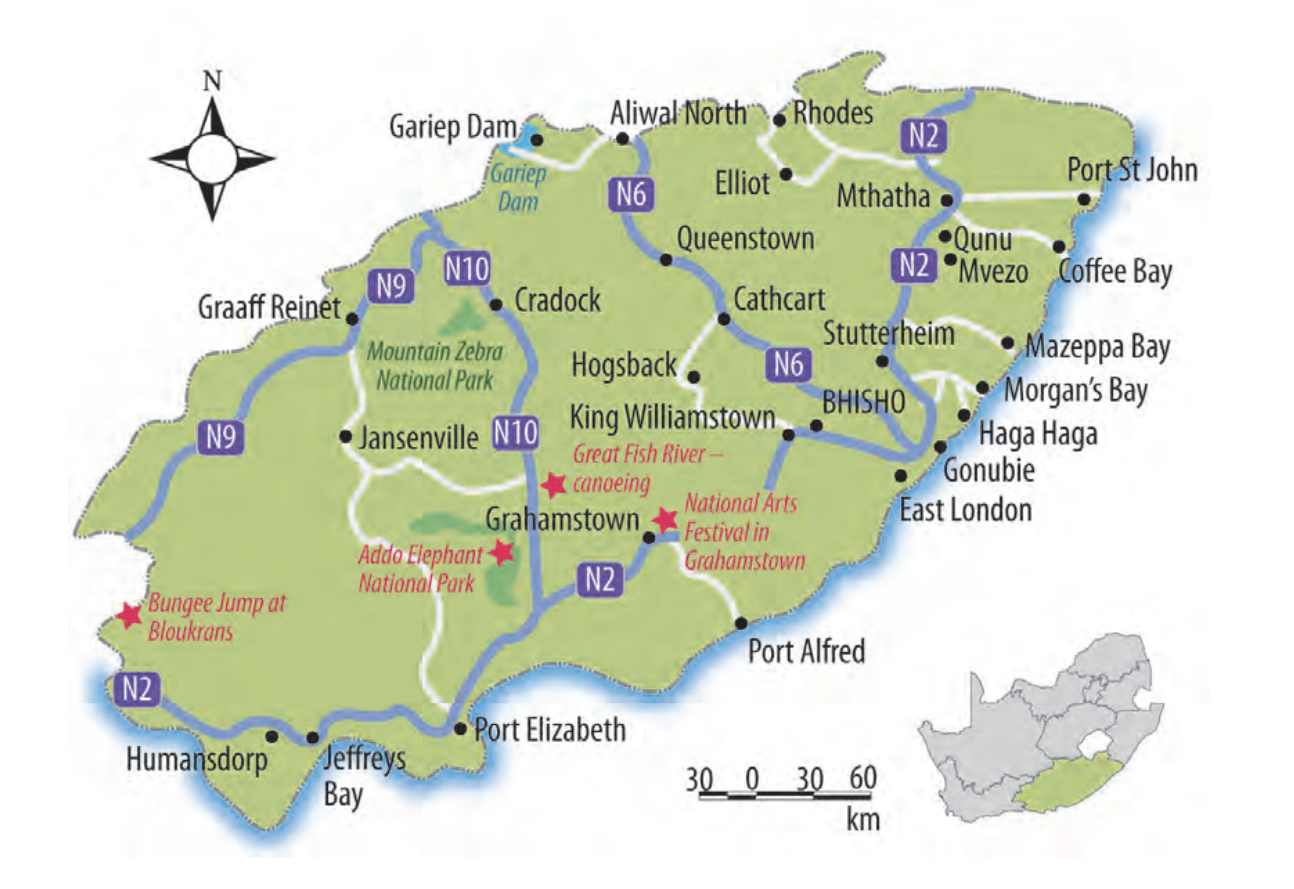
Key features of the province
The Eastern Cape boasts an impressive 800 kilometres of coastline, making it one of South Africa's premier coastal destinations. One major advantage for international tourists is that the province contains malaria-free game reserves, which means visitors can enjoy wildlife experiences without requiring antimalarial medication. This makes the region especially appealing to families with young children and tourists with health concerns.
Note
The combination of extensive coastline and malaria-free game reserves positions the Eastern Cape as an ideal destination for families and health-conscious travelers who want to experience African wildlife without health risks associated with malaria zones.
Addo Elephant National Park
Addo Elephant National Park represents one of South Africa's conservation success stories. The park consists of two main components:
- Addo Elephant National Park: A terrestrial reserve famous for its large elephant herds
- Addo Marine Reserve: A protected marine area that extends the park's conservation efforts to the ocean
Activities at Addo are designed to appeal to various types of tourists. Visitors can participate in traditional game drives to spot elephants, buffalo, and other wildlife. For more active tourists, the park offers hiking trails, horse riding opportunities, and bird watching excursions. Adventure seekers can explore the terrain on 4x4 trails, providing an exciting off-road experience through the diverse landscapes.
Note
Addo's unique feature of combining terrestrial and marine conservation makes it one of the few parks in the world where visitors can potentially see the "Big Seven" - the Big Five (lion, leopard, elephant, buffalo, rhino) plus southern right whales and great white sharks in the marine reserve.
National Arts Festival in Grahamstown
Grahamstown (Makhanda) hosts the National Arts Festival, which holds the distinction of being the largest arts festival in the entire country. This significant cultural event takes place annually during June and July, attracting thousands of performers and visitors.
The festival programme is remarkably diverse, featuring multiple forms of artistic expression. Visitors can experience dance performances, dramatic theatre productions, musical concerts ranging from classical to contemporary, and extensive art exhibitions. Beyond performances, the festival includes educational lectures, opera performances, bustling markets selling local crafts, organised excursions to nearby attractions, and guided walking tours through the historic town. This makes the festival an important contributor to cultural tourism in the province.
Note
The National Arts Festival transforms Grahamstown into South Africa's cultural capital for several weeks each year, with over 500 productions and exhibitions taking place simultaneously across various venues throughout the town. This concentration of cultural activity makes it essential for students studying cultural and event tourism in South Africa.
Great Fish River
The Great Fish River is famous for hosting the Fish River Canoe Marathon, a challenging sporting event held in September or October. This marathon attracts both competitive paddlers and recreational canoeists, combining adventure tourism with sporting events. The event draws participants and spectators, contributing to tourism during the spring months.
Bloukrans Bridge
Bloukrans Bridge is a major engineering marvel and adventure tourism destination. Located in the Tsitsikamma region along the Garden Route, the bridge sits on the border between the Eastern Cape and Western Cape provinces.
Important
World Records at Bloukrans Bridge
The bridge holds multiple world records that make it a significant attraction:
- Height: 216 metres above the Bloukrans River, making it the highest bridge in Africa and the third-highest bridge in the world
- Construction: Features the largest single-span concrete arch in the world
- Adventure activity: Hosts the highest commercial bungee jump in the world
These superlatives make Bloukrans Bridge a must-visit destination for adventure tourists and those interested in engineering achievements.
The bungee jumping operation attracts thrill-seekers from around the globe, positioning the Eastern Cape as an adventure tourism destination.
Free State
The Free State presents a completely different tourism profile compared to coastal provinces. This province is characterised as a rural province with extensive farmland, historic goldfields, and widely dispersed towns. The landscape is predominantly flat with dramatic skies, appealing to tourists seeking authentic rural experiences and geological wonders.
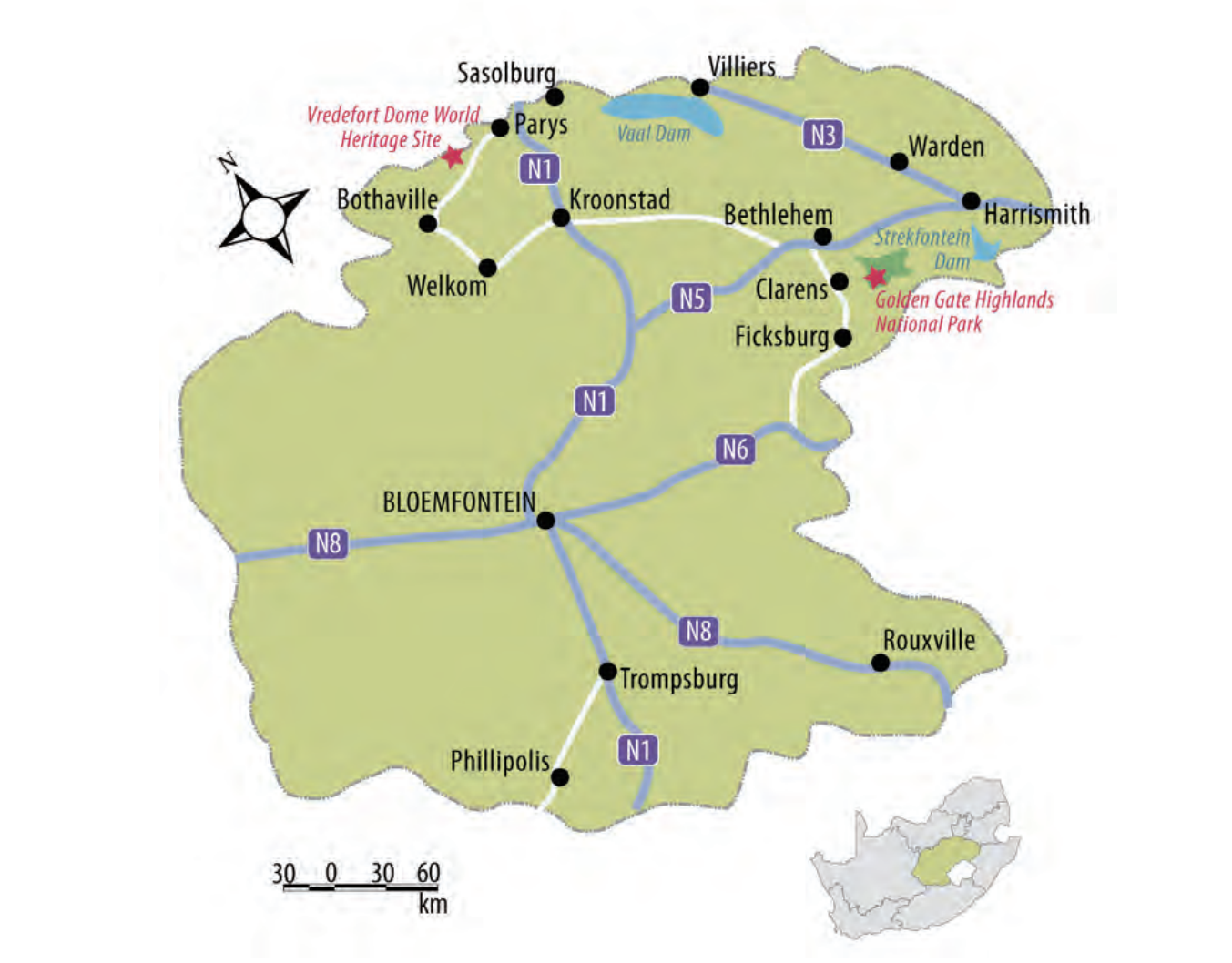
Vredefort Dome
The Vredefort Dome, located near the town of Parys, represents one of Earth's most remarkable geological features. This site holds World Heritage Status, recognising its global scientific importance.
Important
Formation and Significance
The dome was created approximately 2 billion years ago when a meteorite roughly the size of Table Mountain struck Earth. This impact created the oldest and largest meteorite impact site in the world. The original crater measured an astounding 380 kilometres wide and penetrated 16-18 kilometres deep into the Earth's crust, though erosion over billions of years has modified the landscape.
Tourist activities in the area cater to adventure seekers and history enthusiasts. Visitors can experience river rafting on the Vaal River, try abseiling down rock faces, enjoy horse riding through the countryside, and explore mountain biking trails. The area also offers hiking opportunities and visits to Anglo-Boer War sites, connecting geological tourism with historical tourism. Tourists can even visit local 'witblits' distilleries, experiencing traditional moonshine production.
Note
The Vredefort Dome's World Heritage Status places it alongside globally significant sites. Its age and size make it crucial for understanding Earth's geological history and the impact of celestial events on our planet's formation. For tourism students, this represents an excellent example of how geological features can be developed into tourism attractions that appeal to both adventure and educational tourism markets.
Golden Gate Highlands National Park
Golden Gate Highlands National Park showcases the Free State's dramatic sandstone landscapes. The park takes its name from the golden-coloured sandstone cliffs that glow spectacularly during sunrise and sunset, creating exceptional photographic opportunities.
Wildlife: While not a Big Five destination, the park contains some wild game species and is particularly significant for protecting the rare bearded vulture (lammergeier), one of Africa's most endangered birds of prey.
Tourist activities are diverse and appeal to various market segments. Game viewing and game drives allow visitors to spot the park's wildlife. Active tourists can enjoy hiking trails of varying difficulty, horse-riding excursions through the mountain landscapes, and environmental education courses that explain the area's ecology and geology. The park also provides more relaxed activities such as bowls, tennis, table tennis, and snooker at the rest camp, making it suitable for family holidays.
Note
A notable feature within the park is Brandwag Rock, a distinctive sandstone formation that has become an iconic landmark and popular photographic subject. This rock formation serves as a natural focal point for visitors and appears in much of the park's promotional material.
Gauteng
Gauteng, despite being South Africa's smallest province, serves as the commercial and industrial centre of the country. The province contains major cities including Johannesburg and Pretoria (Tshwane), making it the economic heartland and a hub for business tourism, cultural tourism, and heritage tourism.
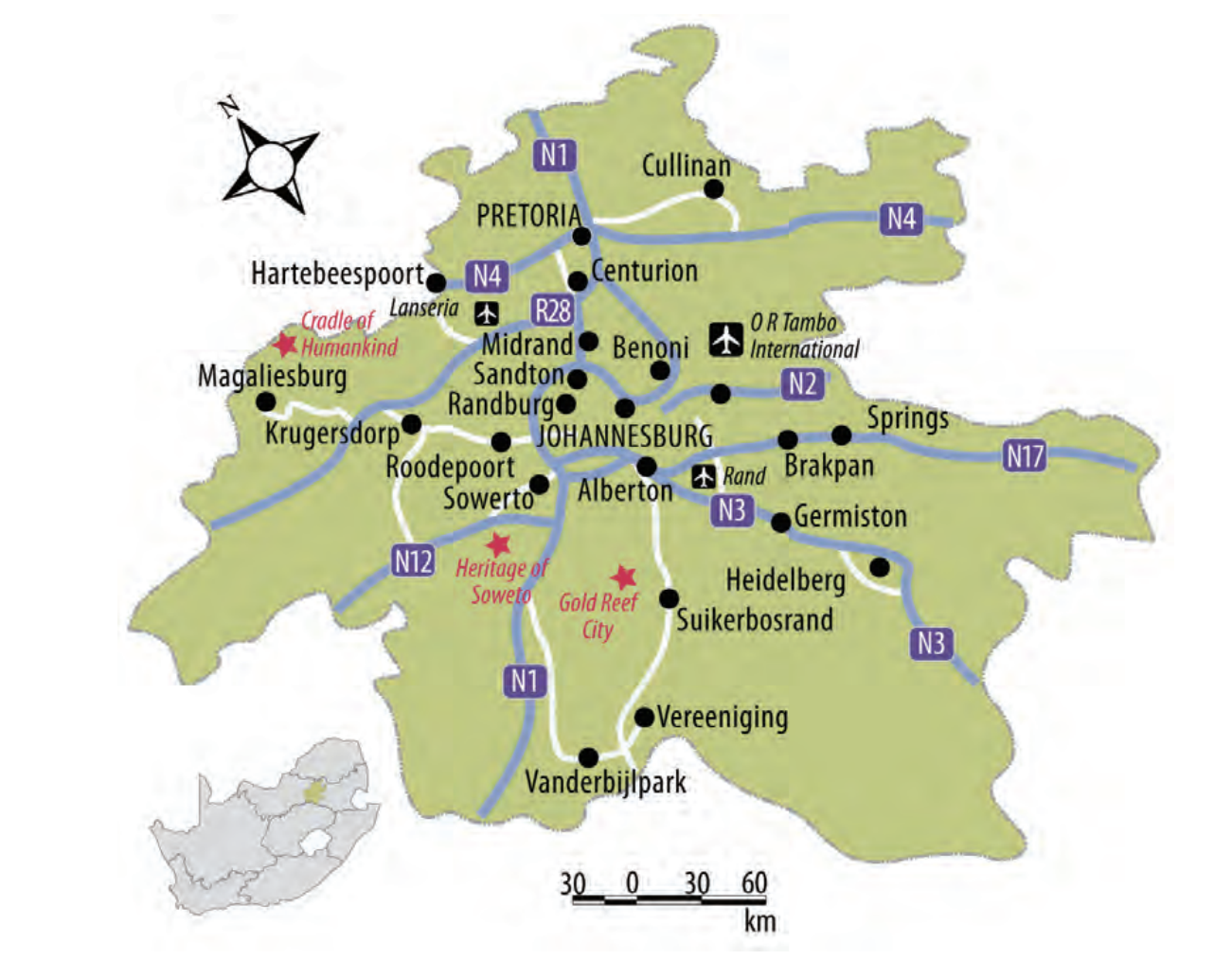
Cradle of Humankind
The Cradle of Humankind is a World Heritage Site of immense scientific and tourism importance. This area contains multiple fossil hominid sites, with the most significant being Sterkfontein, Swartkrans, and Kromdraai.
Important
Significant Discoveries
These discoveries have positioned this area as crucial for understanding human evolution:
- 'Mrs Ples': The first hominid skull discovered at the site, approximately 2.8 million years old, helped scientists understand early human ancestors
- 'Little Foot': An even older discovery, this 4 million-year-old ape-man skeleton is one of the most complete early hominid skeletons ever found
These fossils provide critical evidence for human evolution and demonstrate why this site holds World Heritage Status.
Tourist experiences combine education with adventure. Visitors can explore the scientific exhibition centre, which explains human evolution through interactive displays. Tours to the Sterkfontein Caves allow tourists to see where fossils were discovered and understand the archaeological process. These experiences appeal to educational tourism and school groups studying human origins.
Apartheid Museum
Located in Gold Reef City, the Apartheid Museum opened in 2001 and serves as a powerful reminder of South Africa's complex history. The museum documents the history of apartheid from 1948 to 1994, the period when racial segregation was legally enforced in South Africa.
Note
Exhibition Design
The museum features 22 exhibition areas that use various media to tell the story of apartheid. Displays include:
- Film footage showing historical events
- Photographs documenting daily life under apartheid
- Artefacts from the period
The museum presents this difficult history honestly while positioning itself as a symbol of hope for South Africa's democratic future.
The museum represents an important example of dark tourism (heritage tourism focused on tragic historical events) and plays a crucial educational role for both South African and international visitors.
Gold Reef City
Gold Reef City demonstrates successful adaptive reuse of industrial heritage. This attraction is an old gold mine that has been converted into a theme park, preserving Johannesburg's mining heritage while creating a modern entertainment destination.
Note
Attractions and Activities
Gold Reef City offers extensive and varied experiences:
- Amusement park: Features rides including the famous Golden Loop roller coaster, appealing to families and thrill-seekers
- Accommodation and dining: Hotels and restaurants provide full tourism facilities
- Shopping: Retail outlets offer souvenirs and local products
- Entertainment: Casino facilities, multiple museums, a children's science museum, and a 3D movie theatre
- Cultural experiences: Traditional African music and dance performances showcase local culture
- Mine tours: Visitors can tour the deepest accessible gold mine and watch gold being poured into ingots, connecting entertainment with educational tourism
This diversity of offerings makes Gold Reef City a major destination that can occupy tourists for multiple days.
Heritage of Soweto
Soweto (South Western Townships) represents a significant piece of South African history and contemporary urban culture. The Heritage of Soweto tourism offering focuses on authentic cultural experiences, particularly meals and entertainment at shebeens.
Note
Understanding Shebeens
Shebeens are informal taverns or bars that were historically important social gathering places in townships during apartheid. Today, they offer tourists authentic cultural experiences, serving traditional food and providing entertainment in an informal, community-focused atmosphere. This form of township tourism allows visitors to engage with local communities and experience contemporary South African urban culture.
Summary
Exam Tips
- Learn the World Heritage Sites: Both Vredefort Dome and Cradle of Humankind are World Heritage Sites – remember what makes each unique
- Know the superlatives: Bloukrans Bridge (highest in Africa), Vredefort Dome (largest meteorite impact), National Arts Festival (largest arts festival)
- Understand province characteristics: Eastern Cape = coastal and wildlife; Free State = rural and geological; Gauteng = urban and historical
- Connect attractions to tourism types: Match each attraction to tourism types (adventure, cultural, heritage, eco-tourism, etc.)
- Remember key dates: National Arts Festival (June/July), Fish River Canoe Marathon (September/October), Apartheid Museum opened (2001)
Summary
Key Points to Remember
- The Eastern Cape offers 800 km of malaria-free coastline with attractions ranging from Addo Elephant National Park to the world's highest commercial bungee jump at Bloukrans Bridge
- The Free State is home to the Vredefort Dome World Heritage Site, the oldest and largest meteorite impact site on Earth, created 2 billion years ago
- Golden Gate Highlands National Park protects the rare bearded vulture and features golden-coloured sandstone cliffs
- Gauteng's Cradle of Humankind is a World Heritage Site where crucial hominid fossils like 'Mrs Ples' and 'Little Foot' were discovered
- Gold Reef City successfully combines heritage tourism (old gold mine), entertainment (theme park), and education (museums and mine tours) in one destination