The Role of Citizens (Grade 11 NSC Matric Business Studies): Revision Notes
📚Revision Notes
The Role of Citizens
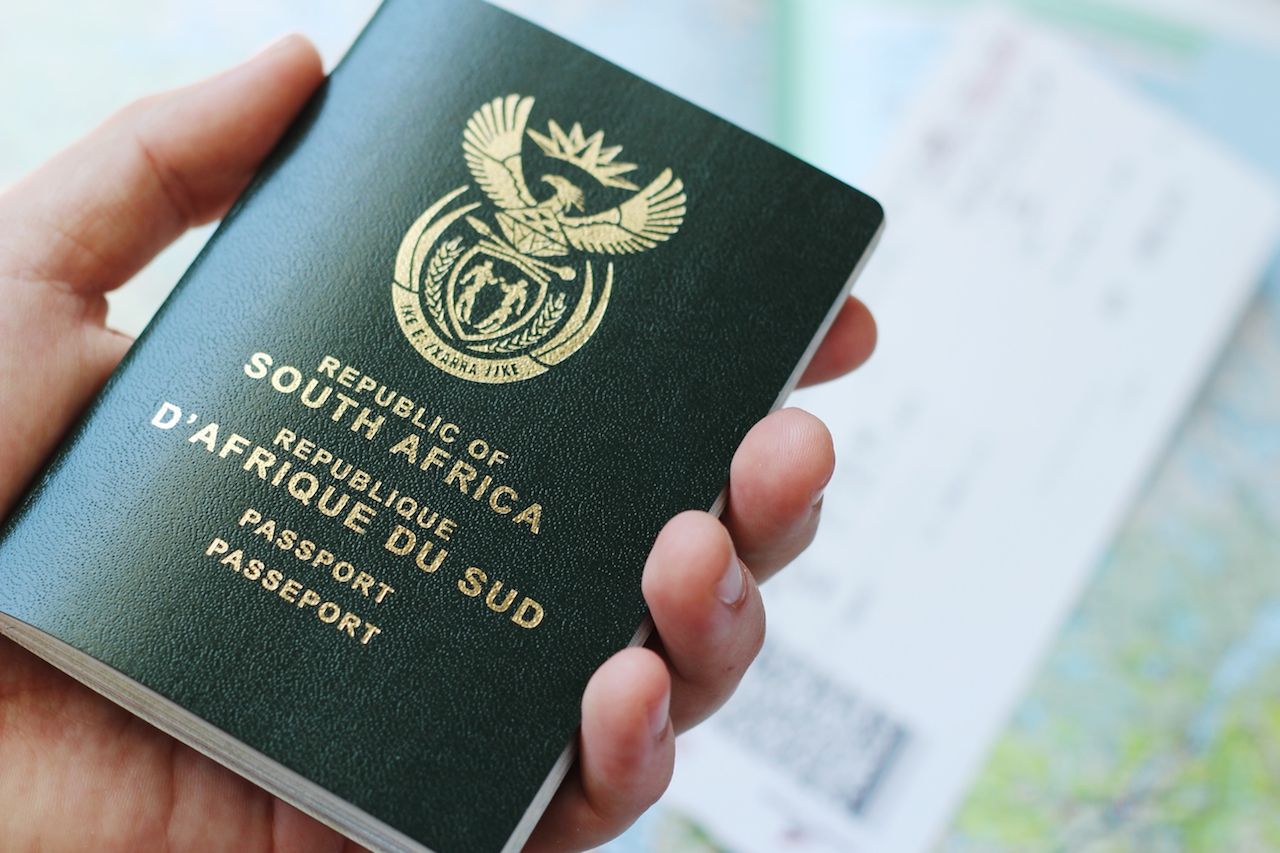
Understanding citizenship
Citizenship refers to the legal relationship between a person and their country. When you are a citizen, you automatically gain specific rights and privileges, but you also take on important duties and responsibilities. In South Africa, if you are born here, you automatically become a South African citizen with all the benefits and obligations that come with this status.
Note
Think of citizenship as a two-way agreement: the government provides you with certain protections and freedoms, while you agree to contribute positively to society and follow the country's laws.
Key concepts you need to know
Before we explore citizens' roles, let's understand some important terms:
Note
Essential Terminology:
- Civil society - All the organisations and groups that exist independently from government, working to improve communities and society
- Non-governmental organisations (NGOs) - Groups of people who organise themselves to address social problems that the government isn't adequately solving
- Community-based organisations (CBOs) - Local volunteer groups that provide services and support within their specific communities
- Pro bono - When professionals provide their services for free to benefit the public good
The rights of South African citizens
The Bill of Rights guarantees every South African citizen fundamental rights, including:
Personal freedoms:
- Right to privacy and dignity
- Freedom of speech and expression
- Freedom of movement
- Freedom of thought and religion
- Freedom of association
- Right to choose your occupation
Social and economic rights:
- Right to property ownership
- Access to healthcare, food, water and social assistance
- Right to education and training
- Fair labour practices
- Safety, security and protection of life
Democratic rights:
- Right to vote
- Access to courts and legal institutions
- Freedom from slavery or forced labour
- Right to participate in your cultural life and use your preferred language
The responsibilities that come with rights
Important
Having rights means you also have responsibilities. South African citizens must exercise their rights responsibly, which means understanding that your rights end where another person's rights begin. Being a responsible citizen means you care about and respect other people's rights too.
Here are some key examples of how rights and responsibilities work together:
Example
Practical Example: Rights and Responsibilities in Action
| Your Right | Your Responsibility |
|---|---|
| Freedom of speech and expression | Avoid hate speech, spreading lies and insulting others |
| Equality | Treat every person equally and fairly |
| Respect and dignity | Treat people with respect and dignity, including greeting them warmly and speaking courteously |
| Education | Attend school regularly, learn actively, and work hard |
| Safety and security | Don't hurt, bully or intimidate others; solve conflicts peacefully |
| Own property | Respect other people's property, both private and public |
| Freedom of thought and religion | Respect other people's beliefs and opinions, and their right to express these, even when you disagree |
How citizens contribute to society
Every person plays an important role in making society function well. Citizens contribute through respect, cooperation, and active participation in community life. Here are the main ways citizens can make a positive difference:
Professionals serving the public
Many professionals have special obligations to serve their communities:
Note
Professional Service Requirements:
- Healthcare workers like doctors, nurses, and therapists must complete compulsory community service before they can register with their professional bodies
- Legal professionals such as lawyers often do pro bono work, providing free legal services to people who cannot afford to pay
- These requirements ensure that professional skills benefit the entire community, not just those who can afford to pay
Individual citizens making a difference
Regular citizens contribute to society in countless ways:
Example
Real Examples of Citizen Contribution:
- Volunteering time - like students who helped rescue books during university library fires, showing how young people can respond to community crises
- Acts of kindness - such as doing shopping for elderly neighbours who cannot get out easily
- Supporting charitable causes - participating in fundraising events like charity walks or community initiatives
- Environmental responsibility - taking care of the environment by recycling plastic and other materials at local recycling centres
These individual actions might seem small, but when many people participate, they create significant positive change in communities.
Why citizen participation matters
Important
When citizens actively participate in society, they help address social and economic challenges that affect their communities. This participation works alongside government efforts and business corporate social responsibility programmes to create stronger, more supportive communities.
Your role as a citizen begins now, even as a student. Every positive action you take - from treating classmates with respect to participating in school community service projects - helps you develop into a responsible, contributing member of society.
Remember!
Summary
Key Points to Remember:
- Citizenship creates a two-way relationship - you receive rights and protections, but you also have responsibilities to your community
- Rights and responsibilities go hand in hand - exercising your rights responsibly means respecting other people's rights too
- Every citizen can contribute - whether through professional service, volunteering, or simple acts of kindness in daily life
- Small actions matter - individual contributions combine to create significant positive change in communities
- Active participation strengthens society - when citizens engage positively, they help solve social and economic challenges alongside government and business efforts