Internet and the World Wide Web (Grade 11 NSC Matric Computer Application Technology): Revision Notes
📚Revision Notes
Internet Communication and Online Transactions
This unit explores the fascinating world of digital communication and online financial activities. We'll look at how modern technology allows us to communicate and conduct business over the internet, making our lives more convenient and connected.
Internet communication
Digital communication has revolutionised how we connect with others around the world. Two key technologies have made this possible: Voice over Internet Protocol (VoIP) and video conferencing.
Voice over Internet Protocol (VoIP)
VoIP is a clever technology that transforms your spoken words into digital signals, enabling you to make phone calls using your computer, smartphone, tablet, or special VoIP devices connected to the internet. Instead of using traditional telephone lines, your voice travels through the internet as data packets.
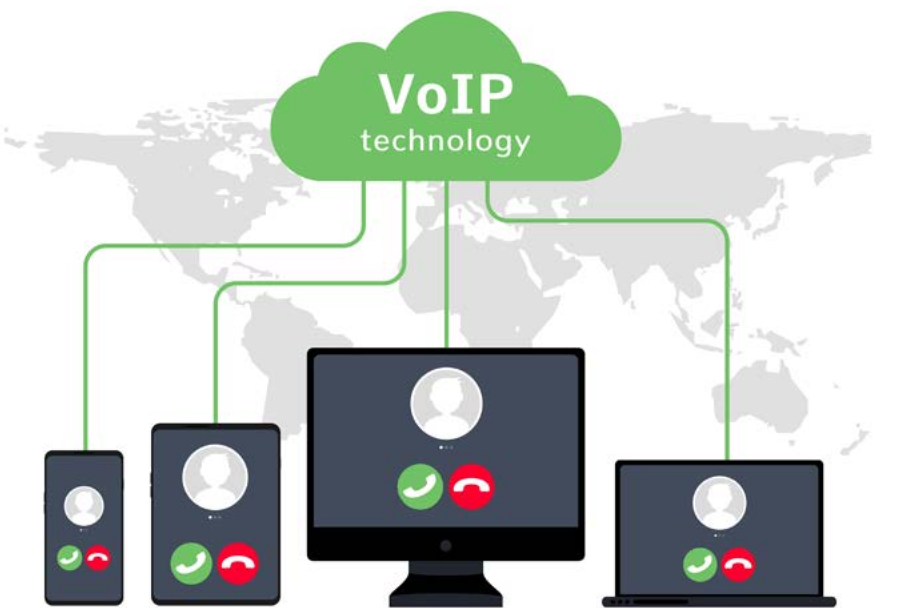
Think of VoIP as a translator that converts your voice into a language computers can understand and transmit across the internet. When you speak into a VoIP device, the technology breaks down your voice into tiny digital pieces, sends them through the internet, and then rebuilds them at the other end so the person you're calling can hear you clearly.
Note
VoIP technology works by converting analogue voice signals into digital data that can be transmitted over internet networks, similar to how email or web browsing data travels across the internet.
Advantages of VoIP
VoIP offers several compelling benefits that make it attractive for both personal and business use:
Note
Key Benefits of VoIP Technology:
Lower costs: Setting up VoIP systems typically costs less than traditional telephone systems because you don't need expensive phone lines or equipment.
Enhanced features: VoIP provides all the standard telephone functions you expect, but also includes advanced features like call forwarding, call waiting, voicemail, and three-way calling capabilities.
Flexibility and accessibility: Staff can access VoIP services from anywhere with an internet connection, and these systems can be managed centrally, making it easier for businesses to control their communication needs.
Disadvantages of VoIP
However, VoIP technology also has some limitations you should consider:
Important
Critical VoIP Limitations to Consider:
Internet dependency: VoIP completely relies on having a stable internet connection. If your internet goes down, so does your phone service.
Security vulnerabilities: Since VoIP calls travel as data packets over the internet, they can potentially be intercepted by cybercriminals. Users may be vulnerable to identity theft when using online VoIP services.
Network prioritisation needs: To ensure good call quality, you must configure your network to give priority to VoIP data packets over other internet traffic.
Video conferencing
Video conferencing builds upon VoIP technology by adding visual communication to voice calls. Many VoIP providers include video conferencing as part of their service packages. Popular platforms like Skype combine both technologies to offer comprehensive communication solutions.

Benefits of video conferencing
Video conferencing provides significant advantages, particularly for businesses:
Note
Video Conferencing Advantages:
Reduced travel expenses: Companies can save substantial money on travel costs by holding virtual meetings instead of requiring people to travel to the same location.
Enhanced collaboration: Screen sharing and file sharing capabilities allow meeting participants to view and work on documents together, improving teamwork and productivity.
Visual communication: Being able to see facial expressions and body language makes communication more effective and personal, helping build stronger relationships even when people are far apart.
Challenges and etiquette
Poor video or audio quality can make video conferences frustrating and unproductive. It's important to treat video calls with the same respect you would show in face-to-face meetings. This means being polite, not interrupting others, and maintaining professional behaviour throughout the call.
Online transactions
The internet has transformed how we handle money and make purchases. Online transactions have become an essential part of modern life, offering convenience and efficiency for various financial activities.
Electronic funds transfer (EFT)
Electronic Funds Transfer is one of the most widely used online transaction methods. EFT allows you to access your bank account through a website or smartphone app and transfer money electronically from one account to another. This eliminates the need to visit a bank branch or write physical cheques.
Online shopping
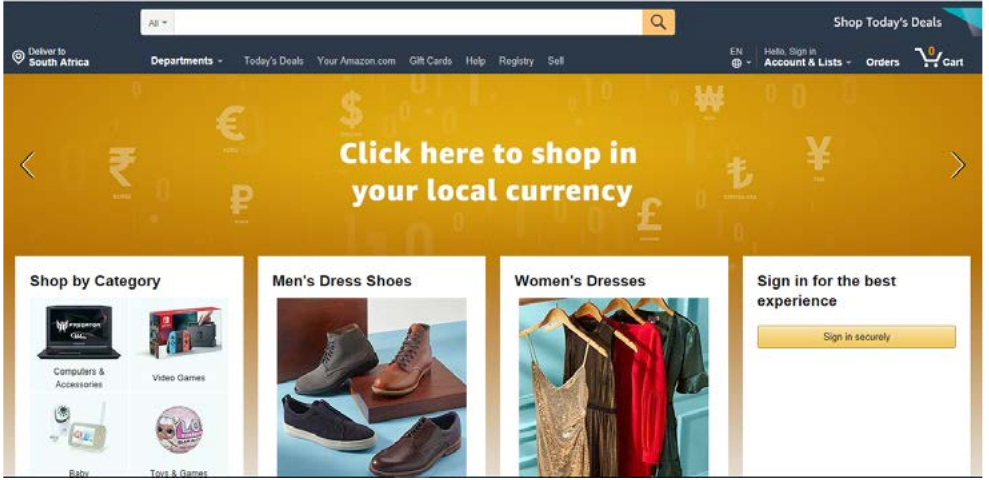
Internet shopping has revolutionised retail by allowing customers to browse and purchase products from the comfort of their homes. Online stores operate 24 hours a day, giving you the flexibility to shop whenever it's convenient for you.
Travel and accommodation bookings
Most travel agencies, hotels, and airlines now offer websites where customers can research options and make bookings directly online. You can use the World Wide Web to search for special deals and compare prices. Airlines also provide online check-in services, allowing you to prepare for your flight before arriving at the airport.
Entertainment and event bookings
Purchasing tickets for concerts, sports events, and other entertainment has become much more convenient through online booking systems. Rather than queuing at physical ticket offices, you can secure your seats and pay in advance from anywhere with internet access.
Example
Worked Example: Harry's Complete Online Planning Journey
Consider Harry's experience planning a surprise for his wife. He wanted to buy concert tickets and discovered that shows in Johannesburg were sold out, but Cape Town still had availability.
Step 1: Flight Booking Harry used the internet to book flights by entering his travel dates and finding options that matched his budget.
Step 2: Accommodation Search After securing the flights, he used accommodation comparison websites to find a hotel near the concert venue with an early booking discount.
Step 3: Payment Processing He completed all transactions using his online banking app to transfer payment and even booked a rental car for the week.
Step 4: Gift Purchase Finally, Harry purchased a birthday gift through online shopping websites.
Result: This entire process took just one hour from his living room, demonstrating how online transactions have streamlined complex planning tasks.
Important
Common Exam Pitfalls to Avoid:
When answering questions about internet communication and online transactions:
- Always explain the technology clearly: Don't just state what VoIP stands for; explain how it works by converting voice to digital signals.
- Balance advantages and disadvantages: Examiners often ask for both sides, so prepare examples of each.
- Use real-world examples: Relating concepts to everyday experiences like video calling family or buying items online helps demonstrate understanding.
- Remember security concerns: Many questions focus on the risks of online activities, so be prepared to discuss cybersecurity issues.
Summary
Key Points to Remember:
-
VoIP converts your voice into digital signals, allowing internet-based phone calls with lower costs but requiring reliable internet connectivity.
-
Video conferencing combines VoIP with visual communication, reducing travel costs and enabling collaboration through screen sharing, though poor quality can be frustrating.
-
Online transactions include EFT for banking, online shopping for convenience, and various booking services for travel and entertainment.
-
Digital communication technologies offer significant benefits but also present security challenges that users must understand and manage.
-
The internet has transformed both how we communicate with others and how we conduct financial transactions in our daily lives.