South Africa's Infrastructure (Grade 11 NSC Matric Economics): Revision Notes
📚Revision Notes
South Africa's Infrastructure
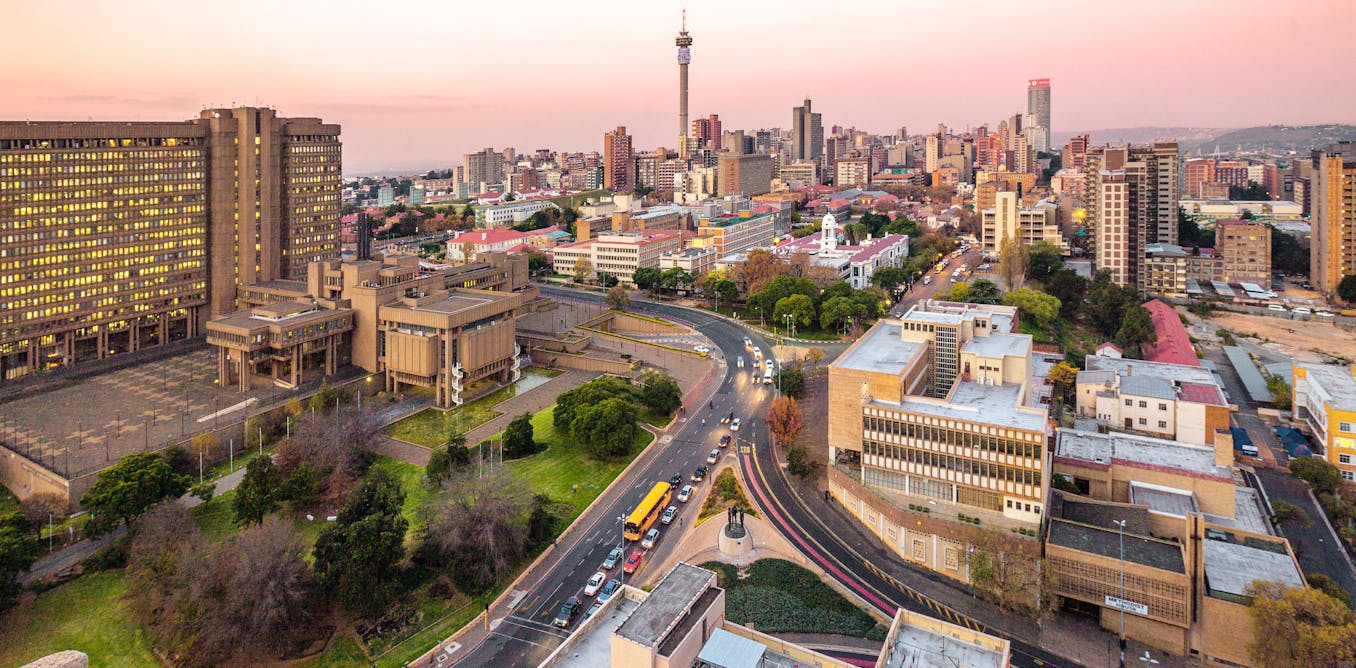
Infrastructure forms the backbone of any modern economy, and South Africa faces unique challenges in providing essential services to all its citizens. Understanding our country's infrastructure landscape is crucial for grasping how economic development occurs and what obstacles we must overcome.
Communication
Effective communication systems are vital for economic success because they enable the quick and efficient movement of information. When businesses can communicate effectively, the entire economy benefits in several important ways.
Note
Communication infrastructure serves as a fundamental pillar of economic development, directly influencing how efficiently businesses operate and how effectively they can reach their customers.
Communication infrastructure supports economic growth by:
- Allowing businesses to operate more efficiently
- Contributing directly to GDP growth
- Creating employment opportunities
- Keeping consumers well-informed about available products and services
- Helping businesses make better-informed decisions
South Africa has developed various communication systems to serve its diverse population. The South African Post Office, which operates as a state agency, largely controls our postal services nationwide. Most of our landline telephone services come from Telkom, where the state holds the largest shareholding position.
Modern communication methods have also expanded significantly. Fax services allow businesses to send messages and images quickly, whilst internet and email usage has become increasingly common throughout South Africa. Our print media sector remains substantial, providing important information channels.
Broadcasting plays a crucial role in our communication landscape. The South African Broadcasting Corporation (SABC) operates as an independent public broadcaster, running multiple radio stations and news services. The SABC's television network provides several different channels, which work alongside various private subscription services to serve viewers across the country.
Transport
A well-functioning transport system ensures that people and goods can move efficiently from where they are produced to where they are needed. This concept of getting "the right goods to the right people at the correct time" forms the foundation of effective economic distribution.
Note
Transport infrastructure acts as the circulatory system of the economy, enabling the flow of goods, services, and people that drives economic activity and growth.
Transport infrastructure benefits our economy in multiple ways:
- Contributing significantly to GDP
- Enabling goods produced in one region to reach customers throughout the country
- Supporting tourism growth by making destinations accessible
- Providing employment across various transport sectors
- Facilitating exports to international markets
- Connecting South Africa to the globalised world economy
Our country operates several key transport systems. Spoornet controls our national rail network, managing both passenger and freight services. For air travel, Airports Company South Africa owns and operates our airports, whilst the state-owned South African Airways provides both domestic and international flight services.
Maritime transport operates through commercial harbours managed by Transnet National Ports Authority. Additionally, Transnet Pipelines runs extensive pipeline networks that supply liquid gas throughout the country, supporting both industrial and domestic energy needs.
Energy
Reliable energy supply is essential for any functioning economy. South Africa's main energy sources include electricity, liquid fuels, and gas. However, consistent energy availability stimulates economic growth, and our country has faced significant energy challenges since 2008.
Important
South Africa's energy crisis represents one of the most significant obstacles to economic growth and development, affecting everything from industrial production to household daily life.
Several factors have contributed to South Africa's ongoing energy crisis:
- Eskom has not invested sufficiently in new power generation facilities to meet growing demand
- Renewable energy sources like solar power have not received adequate emphasis or investment
- The state has limited private companies' ability to compete in the energy sector
- Electricity prices have been kept too low to generate the capital needed for infrastructure expansion
These challenges have created ongoing power shortages that affect businesses, households, and economic growth prospects.
Exclusion
Historical inequalities continue to affect infrastructure access in South Africa. Before 1994, black South Africans faced significant disadvantages regarding infrastructural services. Whilst considerable progress has been made since democracy, many challenges remain.
Important
The legacy of apartheid continues to manifest in unequal access to infrastructure services, highlighting the ongoing need for targeted development and investment in previously disadvantaged communities.
Despite efforts to improve access, many black households still lack reliable electricity connections. Landline telephone usage remains low in previously disadvantaged areas, although mobile phone adoption has increased substantially. However, internet and email access continues to be limited in many communities that were historically excluded from infrastructure development.
These ongoing disparities highlight the need for continued investment and development to ensure all South Africans can access essential infrastructure services.
Summary
Key Points to Remember:
- Communication systems support business efficiency and contribute to GDP through postal services, telecommunications, internet access, and broadcasting
- Transport infrastructure enables goods movement, supports tourism, creates employment, and connects South Africa globally through rail, air, sea, and pipeline networks
- Energy challenges since 2008 stem from insufficient investment, limited renewable emphasis, restricted competition, and low pricing that prevents expansion
- Historical exclusion continues to affect infrastructure access, particularly for electricity, landlines, and internet in previously disadvantaged communities
- Infrastructure development remains crucial for economic growth and reducing inequality in South Africa