The Secondary Sector (Grade 11 NSC Matric Economics): Revision Notes
📚Revision Notes
The Secondary Sector
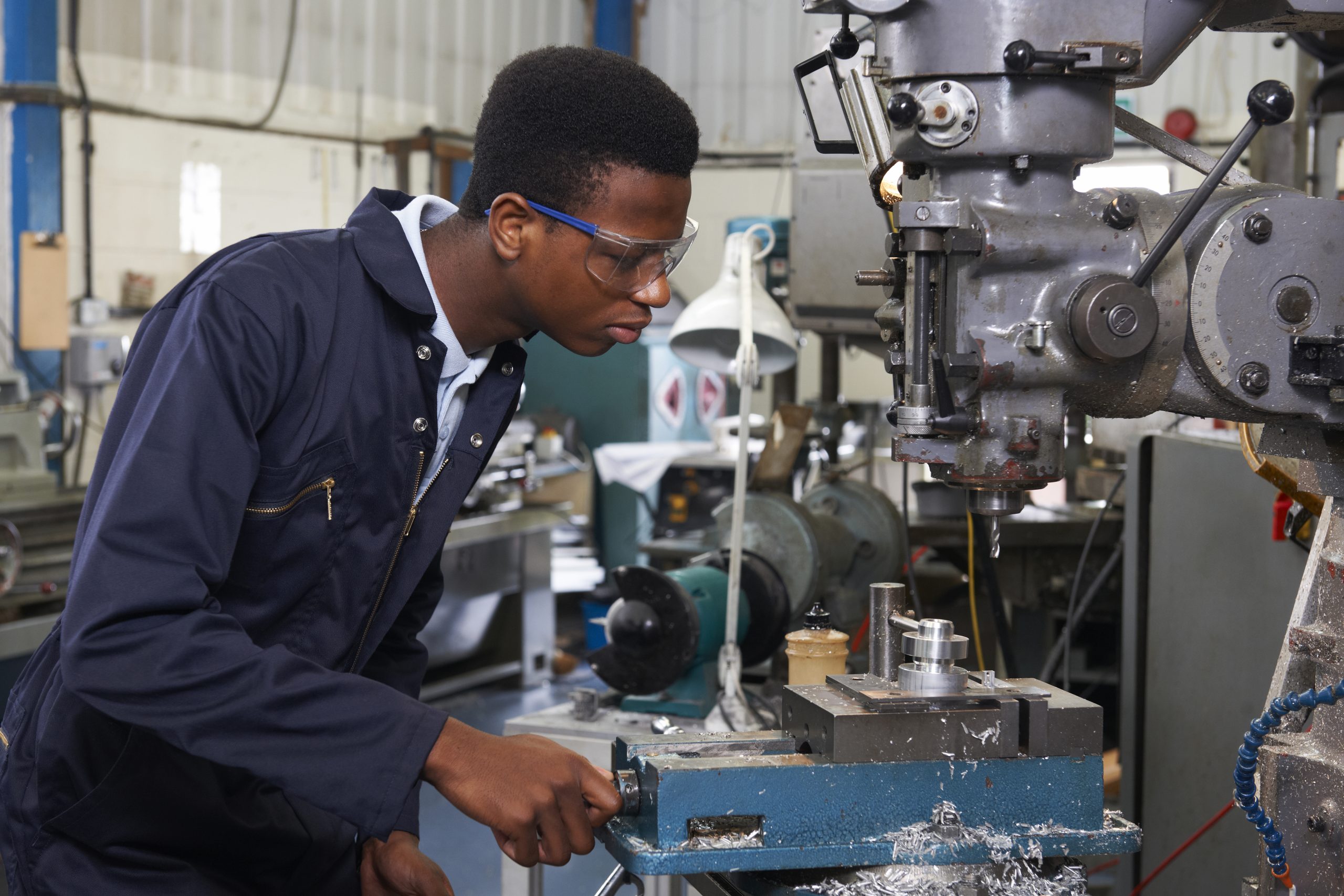
The secondary sector, also called the manufacturing sector, is a crucial part of any economy. It represents the second stage of economic production, where raw materials from the primary sector are transformed into finished or semi-finished goods that people can use.
What is the secondary sector?
Note
The secondary sector focuses on transforming raw materials and natural resources into useful products through manufacturing processes. Think of it as taking something basic and turning it into something more valuable and useful.
Manufacturing activities are all around us in daily life. The process involves taking basic inputs and adding value through various production techniques and processes.
Example
Real-World Examples of Secondary Sector Activities:
Car Manufacturing: A car manufacturer takes steel, rubber, and plastic (raw materials) and combines them to create a finished car through assembly processes.
Construction: A construction company uses cement, bricks, and wood to build a house, transforming these materials into a completed structure.
Component Manufacturing: Car parts like engines or tyres are manufactured in the secondary sector, but they then become components for assembling complete vehicles.
Some products from the secondary sector become inputs for other manufacturing processes, creating interconnected production chains that drive economic activity.
Composition of the secondary sector
The secondary sector can be divided into two main categories based on the scale and nature of production:
Light Industry:
- Produces smaller, less heavy goods
- Usually requires less capital investment
- Examples include clothing, electronics, and food processing
Heavy Industry:
- Produces large, heavy goods or basic materials
- Requires significant capital investment and infrastructure
- Examples include steel production, shipbuilding, and chemical manufacturing
Why the secondary sector matters
The secondary sector plays a vital role in economic development for several important reasons that impact both individuals and entire nations:
Production of consumer goods
Manufacturing creates the products that households need and want to buy, from furniture and clothing to televisions and smartphones. Without this sector, countries would have to import most manufactured goods, which can be expensive and creates dependency on other nations.
Increasing self-sufficiency
When a country has a strong secondary sector, it becomes less dependent on other countries for manufactured goods. This economic independence helps protect the country during international trade disputes or supply chain problems.
Important
Economic Independence Through Manufacturing
A robust secondary sector is essential for national economic security. Countries with strong manufacturing capabilities can continue functioning even when global supply chains are disrupted, as we saw during recent global events.
Employment creation and skills development
Manufacturing industries provide jobs for many people, from factory workers to engineers and managers. These jobs also help people develop valuable technical skills that can be used throughout their careers. Skills training in manufacturing often leads to higher-paying employment opportunities.
Contributing to GDP
The secondary sector adds significant value to an economy's Gross Domestic Product (GDP). When raw materials are processed into finished goods, their value increases substantially, boosting the overall economic output of the country.
Generating foreign exchange
Countries can export their manufactured goods to other nations, earning foreign currency. This foreign exchange can then be used to import goods that cannot be produced locally or to pay for international services.
Promoting economic growth
A thriving manufacturing sector creates a multiplier effect throughout the economy. As manufacturing businesses grow, they purchase more raw materials, hire more workers, and generate more tax revenue for the government.
Historical challenges in South Africa's secondary sector
South Africa's secondary sector has been significantly affected by the country's apartheid history. During this period, discriminatory policies created major barriers for the majority of the population.
Apartheid's impact on employment
Under apartheid, black South Africans were systematically prevented from accessing proper education and skills training. This exclusion meant that most black people could not qualify for jobs in the secondary sector, particularly in skilled manufacturing positions.
Important
Legacy of Exclusion
The apartheid system deliberately limited opportunities for black South Africans to develop the technical expertise needed for manufacturing careers. This created long-lasting skills gaps that the country continues to address today.
Modern transformation efforts
Today, South Africa recognises the need to address these historical inequalities. Black Economic Empowerment (BEE) policies have been introduced to help previously disadvantaged people gain access to:
- Skills training and education programmes
- Employment opportunities in manufacturing
- Business ownership in the secondary sector
- Management and leadership positions
The goal is to create a more inclusive manufacturing sector that utilises the talents and potential of all South Africans, regardless of their background.
Summary
Key Points to Remember:
- The secondary sector transforms raw materials into manufactured goods through production processes
- It's divided into light industry (smaller goods) and heavy industry (large, capital-intensive production)
- Manufacturing is crucial for economic growth as it creates jobs, generates foreign exchange, and reduces import dependence
- The sector contributes significantly to GDP by adding value to raw materials
- South Africa's secondary sector is undergoing transformation to address historical inequalities through BEE policies and skills development programmes