Development in South Africa (Grade 11 NSC Matric Geography): Revision Notes
📚Revision Notes
Development in South Africa
The South African government plays a vital role in improving citizens' quality of life through various social and economic development policies and programs. The state's involvement in development can range from complete control to supportive partnerships with the private sector, depending on the specific needs and circumstances.
1. Central control by the state
When the government exercises central control, it takes full responsibility for development initiatives using taxpayers' money. This approach allows the state to directly address citizens' needs and maintain control over essential services.
State-funded services and infrastructure
The government uses tax revenue to fund crucial services that benefit all South Africans. These include building and operating schools and hospitals to ensure education and healthcare access. The state also provides electricity and transport services through public companies like Eskom and Transnet, which are essential for economic growth and daily life.
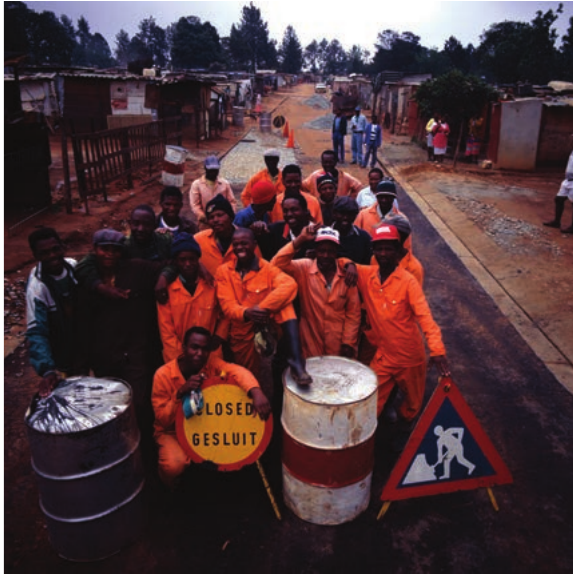
Road construction and infrastructure upgrading projects create employment opportunities while ensuring that communities have access to proper transportation networks. These projects serve a dual purpose by addressing unemployment and improving infrastructure quality.
Note
Public companies like Eskom (electricity) and Transnet (transport and logistics) are wholly owned by the South African government and play crucial roles in providing essential services to citizens and supporting economic development.
Skills development and training programs
The government invests heavily in skills training programs to help citizens improve their employment prospects. These programs focus on practical skills like construction, carpentry, and concrete making that are in high demand in the job market.

Graduates from these three-month skills programs receive certificates and toolkits upon completion, giving them the resources they need to find employment or start their own businesses. This investment in human capital development helps reduce unemployment and poverty.
Social grants system
One of the most significant ways the government supports vulnerable citizens is through the social grants system. These payments help families raise children, provide pensions for elderly people, and support individuals with disabilities.

Important
Social grants are money paid by the state to specific groups within the population who need financial assistance, such as pensioners and people with disabilities.
During the 2012/2013 period, the government allocated $104.9 billion to social grants, demonstrating the massive scale of this support system.
Macro-scale economic policies
The government also controls broader economic policies related to international trade and national economic development. Various government departments, such as the Department of Trade and Industry, design and implement these policies to promote economic growth and competitiveness.
2. Weak state control
In some development areas, the government takes a more supportive rather than directive role, working in partnership with private organizations and businesses to address community needs.
Social development through food banking
Food banking provides an excellent example of how the state and private sector can work together to address basic community needs. FoodBank South Africa demonstrates this collaborative approach to tackling food insecurity.

Example
Case Study: FoodBank South Africa
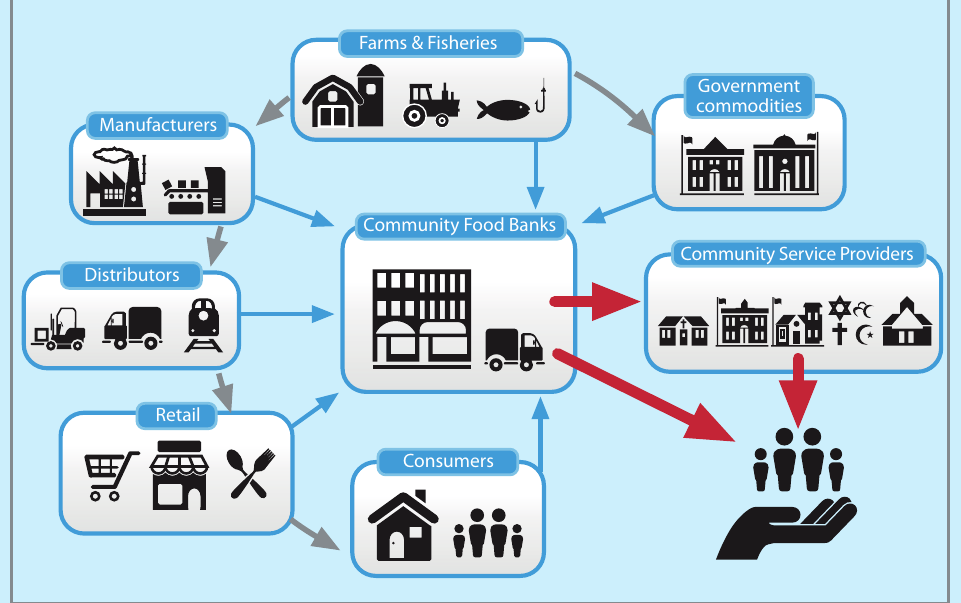
FoodBank SA coordinates food collection and redistribution efforts, feeding over 350,000 people daily through 1,112 agencies. These agencies include orphanages, shelters, old-age homes, crèches, soup kitchens, and HIV/AIDS clinics.
The system works by:
- Collecting food from farms, fisheries, manufacturers, government commodities, distributors, and retail outlets
- Storing food in community food banks
- Distributing to community service providers
- Delivering to people in need
Economic development initiatives
To stimulate economic growth beyond South Africa's four main industrial areas, the government introduced Spatial Development Initiatives (SDI) and Industrial Development Zones (IDZ). These programs represent a cooperative partnership between the state and private business.
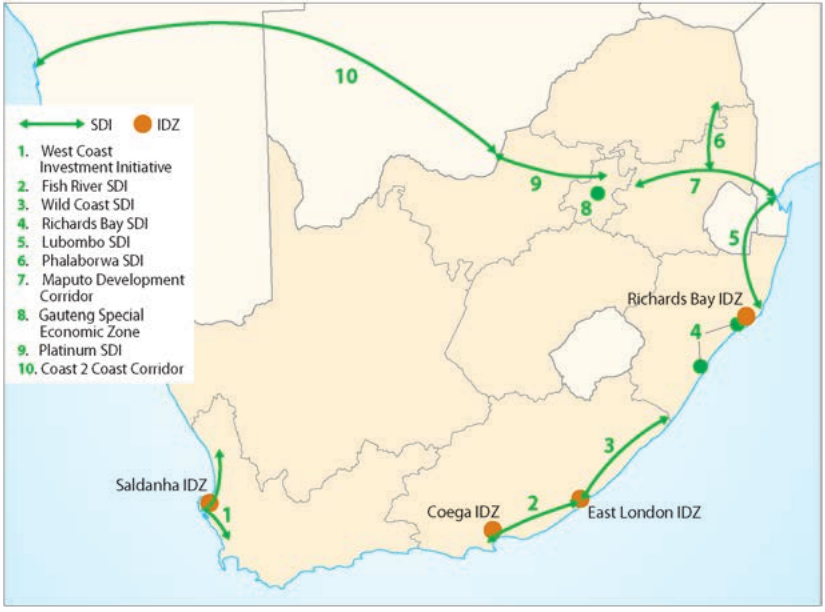
The government identifies areas with economic potential and provides support through infrastructure projects and policy adjustments. This makes it easier for private investors to establish businesses and create jobs in these regions. The SDIs and IDZs aim to promote trade and economic development through major private sector investment.
Note
SDIs and IDZs represent a shift from traditional government-led development to a more collaborative approach where the state creates enabling conditions for private sector investment and job creation.
3. Public private partnerships
Public Private Partnerships (PPPs) represent a relatively new approach to providing social services and infrastructure. These are long-term contracts between government institutions and private companies to deliver public services or infrastructure projects.
Important
Public Private Partnerships (PPPs) are long-term contracts between the public sector and private sector, which provide social services and infrastructure that were traditionally delivered by government alone.
How PPPs work
Previously, the government was entirely responsible for funding, staffing, operating, and maintaining public projects. Under PPP arrangements, the government purchases a complete set of services from the private sector. The private company finances the project and brings specialized skills and knowledge that the government may lack.
Levels of PPP implementation
PPPs operate at three different government levels:
- National-level PPPs include major projects like government accommodation facilities and prisons
- Provincial PPPs focus on health, education, transport, and tourism sectors
- Municipal PPPs handle services such as water treatment and solid waste management
Successful PPP examples
Several successful PPPs demonstrate the effectiveness of this approach. The Inkosi Albert Luthuli Central Hospital in KwaZulu-Natal operates as a paperless facility using IT-based solutions.

Example
Success Story: Inkosi Albert Luthuli Central Hospital
With 850 beds and 16 state-of-the-art operating theatres, it stands as the largest hospital on the African continent. This shows how private sector expertise can deliver world-class healthcare facilities through PPP arrangements.
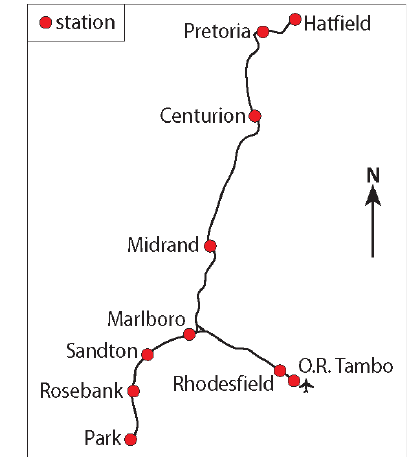
The Gautrain Rapid Rail Link represents another major PPP success story. This $25 billion project provides public transport connections between Tshwane, Johannesburg, and OR Tambo International Airport.

Example
Major Infrastructure Success: Gautrain PPP
The 80-kilometer network:
- Construction began: September 2006
- Completion: August 2011
- Total cost: $25 billion
- Connects three major centers efficiently
This demonstrates how PPPs can deliver large-scale infrastructure projects on time and within budget.
Social grants and PPP innovation
The social grants system has also benefited from PPP arrangements. The Free State government signed a 10-year deal with AllPay (Pty) Ltd in April 2004 for efficient social grant delivery. This $260 million agreement saved the province over $115 million during the contract period.
The PPP introduced electronic fingerprint recognition systems, which dramatically reduced fraud. It also provided emergency healthcare to elderly pensioners waiting in queues and developed the Sekukula debit card specifically for grant beneficiaries.
Note
The Sekukula debit card system represents innovation in social grant delivery, allowing beneficiaries to access their grants safely through cashless transactions at various locations including ATMs, bank branches, and retail outlets nationwide.
This system allows for safer, cashless transactions and can be used at various point-of-sale devices, ATMs, ABSA branches, and AllPay card dispensers. The "Advanced Card" technology enables beneficiaries to access their grants nationwide and shop at various merchants and spaza shops.
Summary
Key Points to Remember:
-
The South African government uses different approaches for development - from complete central control to partnerships with private sector, depending on what works best for each situation
-
Central control works well for essential services - the state directly provides education, healthcare, electricity, and transport through public companies and taxpayer funding
-
Social grants provide crucial support - over $100 billion annually helps vulnerable citizens including children, elderly people, and those with disabilities
-
PPPs combine government resources with private expertise - these long-term contracts deliver major projects like hospitals, transport systems, and social services more efficiently
-
Collaborative approaches address complex challenges - food banking and economic development initiatives show how government and private sector partnerships can tackle issues like hunger and unemployment