The Role of Women in Development (Grade 11 NSC Matric Geography): Revision Notes
📚Revision Notes
The Role of Women in Development
Understanding gender roles in society
Society assigns different roles and responsibilities to men and women based on cultural traditions and beliefs rather than biological differences. These gender roles represent the socially constructed behaviors, activities, and attributes that a particular society considers appropriate for men and women. The differences between these roles can be quite significant, especially in many developing regions around the world.
Note
Definition of Gender Roles
Gender roles are the socially constructed behaviours, activities, and attributes that a given society considers appropriate for men and women. These are learned through culture and tradition, not determined by biology.
Understanding how gender roles affect development is crucial because women make up half of the world's population, yet they often face significant barriers that prevent them from contributing fully to economic and social progress.
Gender inequality - the three main causes
Gender inequality exists globally due to three interconnected factors that work together to limit women's opportunities and participation in development.
Attitudes toward women
Traditional attitudes play a major role in limiting women's opportunities. In many societies, people view women primarily as caregivers and homemakers who should be responsible for children, meals, and domestic duties. These societies often believe that women cannot perform work equal to men's contributions.
Some communities treat women as property, first belonging to their fathers and then to their husbands. This attitude discourages women from expressing opinions or making decisions about their own lives. When women themselves accept these limitations and don't seek change, the cycle of inequality continues.
Important
The Cycle of Discrimination
When traditional attitudes view women as inferior or incapable, it creates a self-perpetuating cycle. Women may internalize these beliefs, leading them to accept limitations rather than challenge unfair treatment.
Access to resources
Throughout history, women have received less access to essential resources that enable participation in development. Education represents one of the most significant barriers. While developed nations have achieved educational equality at most levels, men still outnumber women in science and engineering university programs, and only about 25% of researchers worldwide are women.
The situation becomes more challenging in developing countries, where educating boys receives priority over girls' education. This results in approximately 516 million women in developing countries being unable to read or write.
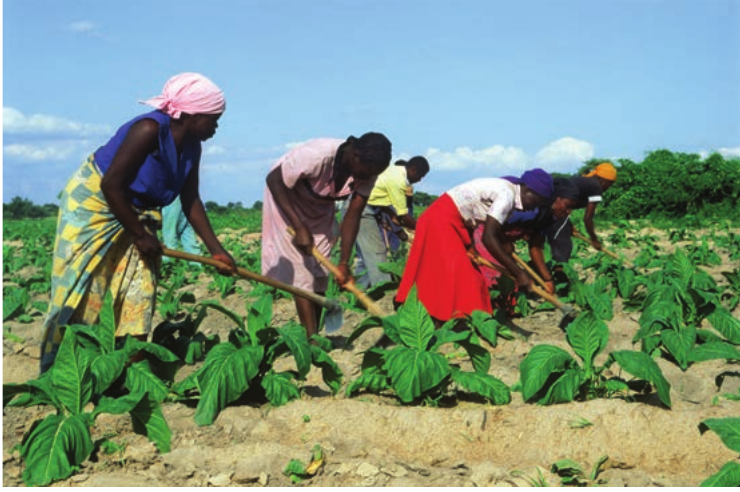
Property ownership creates another major obstacle. In many developing countries, women cannot own land or secure loans to sell agricultural products. This limitation forces them into unpaid subsistence farming roles. Despite women producing 80% of food in sub-Saharan Africa, they own less than 2% of the land.
Note
The Informal Sector Challenge
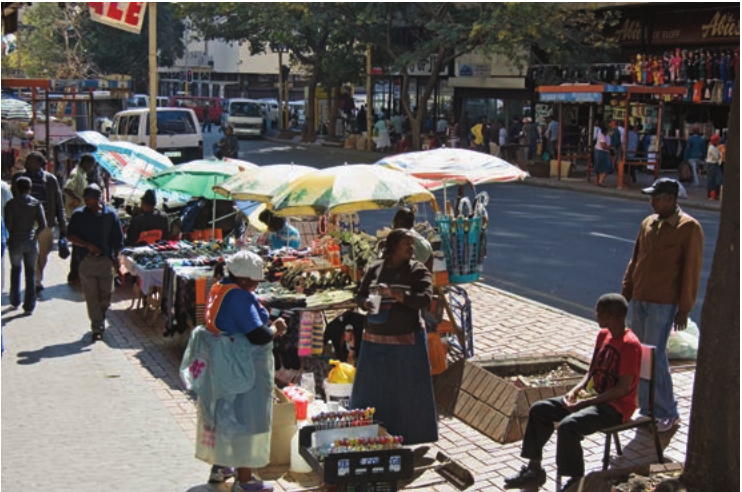
The informal sector refers to employment that is not formally recognised - these workers have no contracts, fixed hours or benefits and do not pay tax. Women are disproportionately represented in this sector, which offers no security or advancement opportunities.
Employment opportunities outside agriculture typically offer women the lowest-paying positions because employers consider them unskilled workers. Women are more likely than men to work in seasonal or part-time positions, and they frequently work in the informal sector - employment that lacks formal recognition, contracts, fixed hours, benefits, or tax obligations.
Power and decision-making
Women in many agricultural communities within developing countries have very little input in decision-making processes. They cannot influence how household income gets earned, distributed, or spent, even when their work contributes significantly to family finances.
Although laws preventing discrimination against women exist in many countries, government officials don't always enforce these laws properly. Many women remain unaware of their legal rights or lack the confidence to claim them.
Important
Legal Rights vs. Reality
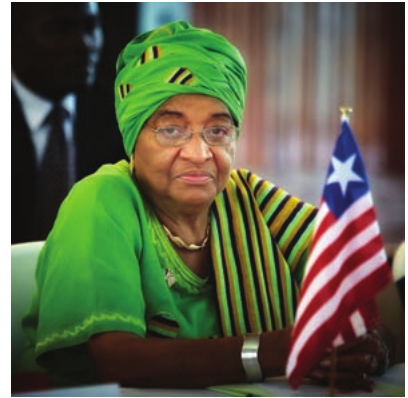
Even where equal rights laws exist, discrimination continues. In 2010, among the world's top 500 corporations, only 13 had female Chief Executive Officers, and just 14 women served as heads of government.
Even in societies where women have equal legal rights to men, discrimination continues in various forms. Women still face encouragement to pursue traditionally feminine careers like nursing or teaching, while finding it difficult to advance in male-dominated fields. In 2010, among the world's top 500 corporations, only 13 had female Chief Executive Officers, and just 14 women served as heads of government.
Measuring gender equality globally
The World Economic Forum publishes an annual Global Gender Gap Report that evaluates how well countries are closing the gap between male and female populations. This assessment focuses on four key areas of inequality: economic participation and opportunities, education levels, representation in decision-making structures, and life expectancy ratios.
Note
Four Key Areas of Gender Gap Assessment
The Global Gender Gap Report measures inequality in:
- Economic participation and opportunities
- Education levels
- Representation in decision-making structures
- Life expectancy ratios
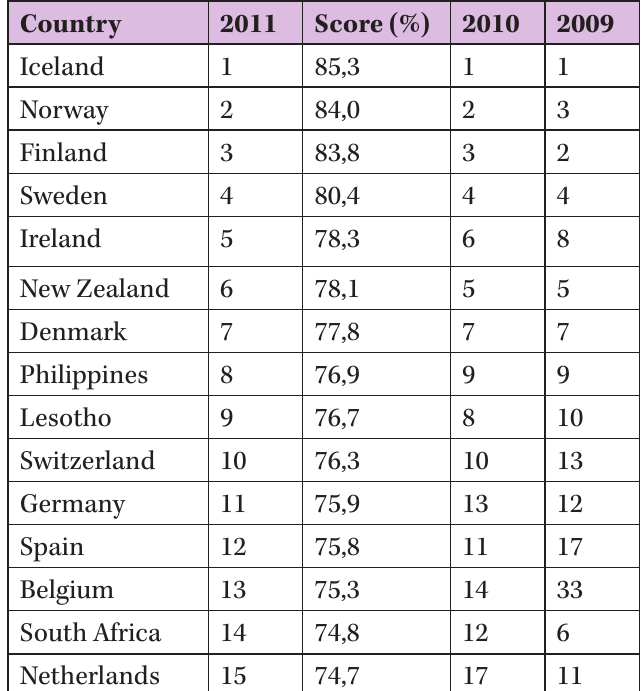
The report ranks countries according to their gender gaps, with scores representing the percentage of inequality between men and women that has been eliminated. Scandinavian countries consistently perform best in achieving gender equality, while many developing nations still have significant gaps to close.
Gender equality and development goals
The United Nations established Millennium Development Goals as eight international targets to encourage development and eliminate poverty by 2015. "The promotion of gender equality and empowerment of women" became the third Millennium Development Goal, recognizing that successful development requires both sexes to have equal access to resources and participation in decision-making processes.
Note
Millennium Development Goals (MDGs)
A set of eight international targets to encourage development and eradicate poverty by 2015. Gender equality was recognized as MDG #3, highlighting its central importance to global development efforts.
Research demonstrates that women's status in society directly reflects and influences a country's level of social and economic development. Gender equality serves as a key factor in making development progress, as shown through various case studies and success stories.
The power of empowering women
International organizations like the Food and Agricultural Organisation have found that providing women with equal access to land, technology, financial services, education, and markets could significantly boost agricultural production and reduce global hunger by 100-150 million people.
Important
The Multiplier Effect of Women's Empowerment
When women gain equal access to resources, the benefits extend far beyond individual families. Empowering women creates positive ripple effects that benefit entire communities and can significantly impact global issues like hunger and poverty.
This potential for positive change becomes clear when examining real-world examples of women who have overcome barriers to become successful contributors to their communities' development.
Example
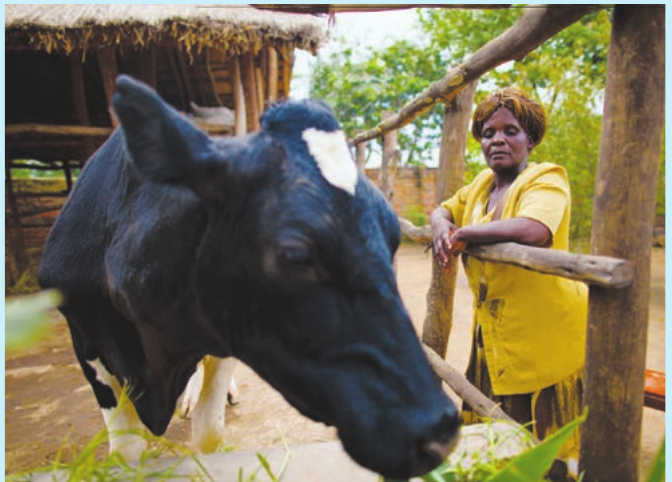
Case Study: Donata Kuchawo - From Subsistence Farmer to Entrepreneur
Donata Kuchawo, a 45-year-old married mother of five, transformed her family's situation and contributed to her community's development through dairy farming. Originally, growing maize and beans alone wasn't providing enough income for her family's needs.
The Transformation Process:
She joined the Chitsanzo Milk Bulking Group in Malawi, which completely changed her family's circumstances. The program operates through a cooperative system where donors provide cows to group members, and when calves are born, farmers pass female calves to other members. This creates a sustainable cycle of livestock sharing.
Skills and Collaboration:
Members also learn practical skills like pasteurizing and cooling milk, then work together to negotiate better prices with local distributors. The cooperative approach gives individual farmers more bargaining power than they would have alone.
Community Impact:
Donata's success extended beyond her own family. She constructed a rental house, invested in a piggery business, and created employment for five people to help manage her farming and business operations. Her achievements demonstrate how providing women with access to resources and training can create positive ripple effects throughout entire communities.
Environmental Benefits:
The dairy farming venture also provides environmental benefits, as raising dairy cows helps reduce fertilizer costs for growing maize and bean crops, creating a more sustainable farming system.
Summary
Key Points to Remember:
-
Gender roles are socially constructed expectations rather than biological requirements, and they significantly impact women's ability to participate in development
-
Three main barriers create gender inequality: discriminatory attitudes, limited access to resources (education, property, employment), and exclusion from decision-making power
-
International measurement through tools like the Global Gender Gap Report shows that Scandinavian countries lead in gender equality while many developing nations still face significant challenges
-
Development goals explicitly include gender equality as essential for reducing poverty and promoting sustainable development
-
Empowering women creates positive multiplier effects that benefit entire families and communities, as demonstrated through successful case studies like Donata Kuchawo's transformation from subsistence farmer to entrepreneur