Community Based Development (Grade 11 NSC Matric Geography): Revision Notes
📚Revision Notes
Community Based Development
Community based development represents a powerful approach to improving living conditions that puts local communities at the center of the development process. These initiatives work most effectively when they respect and incorporate local culture, history, and specific community needs. When residents actively participate in planning, implementing, and maintaining development projects, they develop a stronger sense of ownership and responsibility for the outcomes.
Important
Core Definition: Community based development programmes are designed to improve the quality of life within specific communities. They work best when they take into account local conditions, culture and history.
Understanding community based development
Community based development programs focus on enhancing the quality of life within specific communities. What makes these programs special is their emphasis on involving local people in every stage of the process. Rather than imposing solutions from outside, these programs recognize that communities often have the best understanding of their own challenges and potential solutions.
The success of these programs depends heavily on taking local conditions into account. Each community has its own unique cultural practices, historical background, and environmental circumstances that must be considered when designing development interventions.
Note
Why Community Participation Matters: When residents are actively involved in development projects, they develop technical skills, gain confidence in their ability to create change, and ensure that improvements address their actual priorities rather than what outsiders think they need.
Rural development
Rural development focuses on improving conditions in areas outside of cities and major urban centers. These programs typically operate on a smaller scale compared to urban initiatives and often cost less to implement. They frequently make use of appropriate technology - simple, locally-manageable solutions that communities can maintain themselves.
Rural communities often face unique challenges related to access to water, agricultural productivity, and basic services. Community based development in these areas tends to emphasize practical solutions that can have immediate positive impacts on daily life.
Example
Case Study: Rural Irrigation in Zambia
The Challenge: Veronica Sianchenga lived in a rural Zambian village where traditional farming methods limited agricultural productivity and family income.
The Solution: Veronica purchased a Mosi-o-Tunya irrigation pump - a low-cost device manufactured locally in Zambia and designed specifically for local geography and soil conditions.
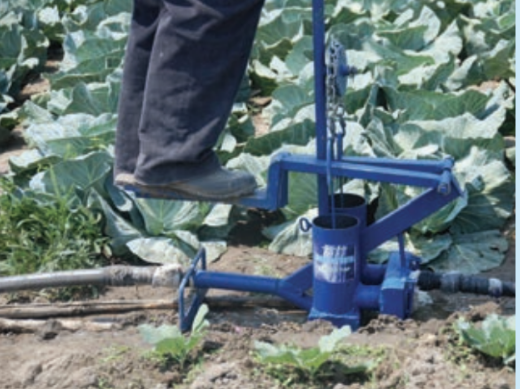
The Process:
- The pump proved more effective than expensive imported alternatives
- It was designed for the specific conditions of the region
- The technology allowed for more efficient crop irrigation
The Results: Within less than a year, the improved crop yields enabled Veronica to:
- Build a new house for her family
- Send all her children to school
- Transform her family's economic situation
Key Success Factor: This project succeeded because it used appropriate technology that was locally manufactured, affordable, and sustainable.
Initiated by: International Development Enterprises
Example
Case Study: Agricultural Training in Cambodia
The Context: Ninety percent of Cambodia's poor population lives in rural areas, with many families struggling to earn adequate income through traditional farming.
The Innovation: The Farm Business Advisor (FBA) program creates a self-sustaining model for agricultural improvement.
How It Works:
- Local community members receive comprehensive training
- They become certified Farm Business Advisors
- FBAs visit farms throughout the year providing:
- Advice on low-risk crop selection
- Training on improved farming techniques
- Connections to suitable markets
- Access to credit services with harvest-aligned payment schedules
The Self-Sustaining Model: FBAs don't receive salaries from development organizations. Instead, they earn money through their advisory services and by selling products at a profit.
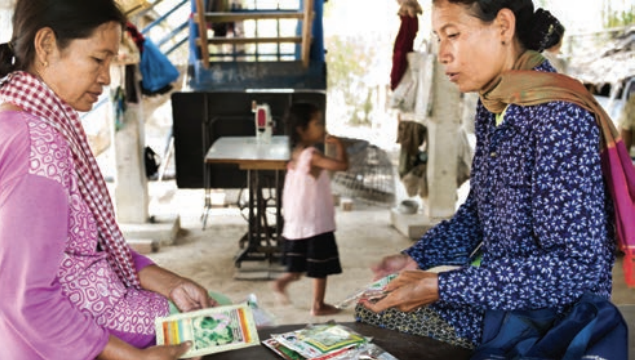
Community Benefits:
- FBAs are trusted local residents
- Agricultural productivity increases across the area
- More money circulates within the local economy
- Communities develop local expertise and leadership
Urban development
Urban development addresses the challenges that arise when cities grow faster than their infrastructure can accommodate. When this happens, informal settlements often develop on the outskirts of cities. These settlements, also known as slums, favelas, bustees, or shanty towns, typically lack basic services like electricity, clean water, and waste management systems.
Important
Understanding Informal Settlements: Despite lacking basic services, residents of informal settlements often resist relocation plans because they value:
- The sense of community they've built
- Access to urban employment opportunities
- Proximity to social services and economic opportunities
Key Principle: The most successful urban development projects improve conditions where people already live, rather than forcing them to move elsewhere.
Community-based development projects in these areas focus on comprehensive improvements while ensuring that residents remain active participants in upgrade initiatives. When community members help identify priorities and participate in implementation, projects are more likely to meet real needs and gain community support.
Example
Case Study: Favela-Bairro Program, Rio de Janeiro, Brazil
Program Overview:
- Duration: Started in 1996, continued over many years
- Funding: Inter-American Development Bank
- Impact: Improved living conditions for at least 300,000 residents
Comprehensive Infrastructure Improvements:
- Access to clean drinking water
- Proper sewage systems installation
- Garbage collection services
- Electricity connections to homes
- Public lighting along newly paved roads
Community Services:
- Community daycare centers
- Social service centers
- Public parks and reforestation areas
Community Participation Model:
- Residents participated in community meetings to identify priority areas
- Communities selected on-site managers who served dual roles:
- Representing community interests
- Coordinating with government officials
- This approach ensured improvements addressed real community priorities
Key Success Factor: The program's holistic approach combined infrastructure improvements with community services while maintaining meaningful community participation throughout the process.
Funding and implementation approaches
Community based development projects can be initiated and funded through various approaches. Some projects receive support from government agencies, while others are implemented by global development organizations. Many successful initiatives involve community members themselves taking leadership roles.
Note
Diverse Funding Models: The funding requirements vary significantly depending on project scope:
- High-cost projects: Slum redevelopment programs requiring substantial external funding
- Medium-cost projects: Personal financial contributions for appropriate technology like irrigation equipment
- Low-cost projects: Community recycling initiatives with minimal funding requirements
The diversity of approaches reflects the principle that community based development should be flexible and responsive to local conditions and resources.
What matters most is ensuring that communities remain central to the planning and implementation process, regardless of the funding source. The key is finding the right balance between external support and community ownership of the development process.
Summary
Key Points to Remember:
-
Community based development works best when local people are involved in planning, implementing, and maintaining projects that affect their lives directly
-
Rural development typically focuses on appropriate technology and small-scale solutions that communities can manage themselves, such as locally-manufactured irrigation equipment
-
Urban development addresses the challenges of informal settlements by improving conditions where people already live rather than forcing relocation
-
Successful programs like those in Zambia, Cambodia, and Brazil demonstrate that community participation, appropriate technology, and respect for local conditions are key ingredients for lasting positive change
-
Different types of funding and implementation approaches can work effectively, but the common factor in successful projects is meaningful community involvement throughout the entire process