Impact of Aid on Development (Grade 11 NSC Matric Geography): Revision Notes
📚Revision Notes
Impact of Aid on Development
Development assistance has been provided to poorer nations for over 50 years, yet global poverty levels remain stubbornly high. This creates important questions about whether foreign aid actually helps countries develop or whether it might sometimes make problems worse. Understanding both the failures and successes of development aid helps us see what works and what doesn't in the fight against global poverty.
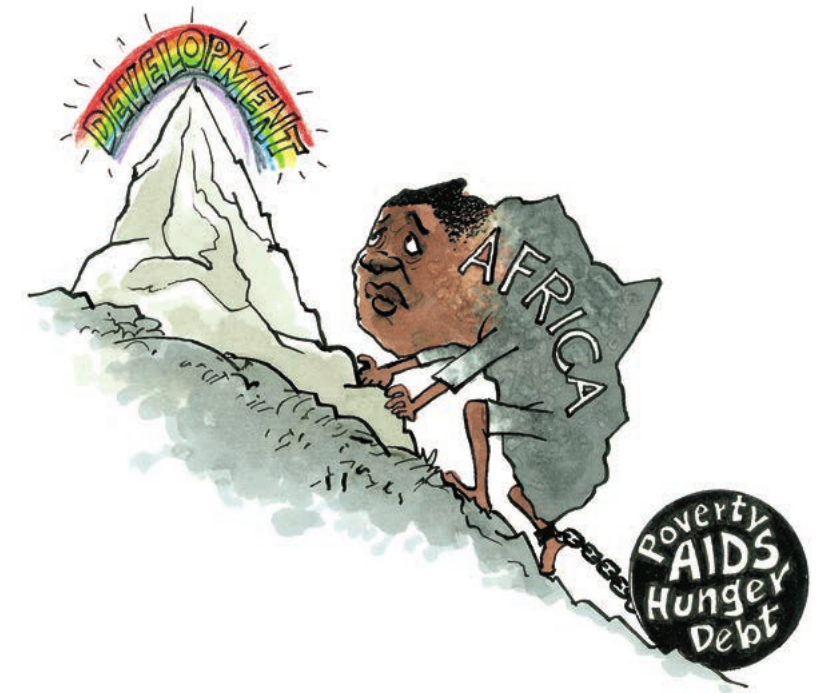
The challenges facing developing countries are complex and interconnected. Poverty, disease, hunger, and debt create a heavy burden that makes progress toward development goals extremely difficult. Despite billions of dollars in aid flowing from rich to poor countries each year, many nations continue to struggle with these fundamental problems.
Note
The Scale of the Challenge
Research shows that almost half of development projects in Africa fail, often due to systemic issues in how aid is designed and delivered. This highlights the urgent need to understand what makes aid effective versus ineffective.
Why does some aid not work?
Development aid fails to achieve its intended goals when it suffers from several critical problems. These issues prevent assistance from reaching the people who need it most and can sometimes create new obstacles to development.
Unreliable assistance
When donor countries promise specific amounts of aid but then fail to deliver the full amount or deliver it late, recipient nations cannot plan effectively for development projects. Countries that receive unpredictable funding struggle to maintain long-term programs because they never know if the money will actually arrive when needed. This unreliability forces governments to put important projects on hold or abandon them entirely, wasting resources and disappointing communities that were counting on assistance.
Important
The Funding Gap
Rich countries currently contribute only about 0.4% of their national income to development aid, which falls well short of the United Nations target of 0.7%. This creates a significant shortfall in available funding, leaving many urgent needs unmet.
Fragmented programs
When aid comes from many different sources simultaneously, it creates a scattered approach to development that reduces overall effectiveness. For example, in 2007, the European Union approved 22,000 separate aid projects, each worth less than $1 million on average. In Ethiopia alone, more than 1,000 small projects operated at the same time.
This fragmentation means that instead of having coordinated, large-scale programs that can create real change, countries end up with hundreds of tiny, disconnected projects that compete for attention and resources. Each project requires its own management, reporting, and oversight, creating administrative burdens that overwhelm local governments and reduce the impact of the aid.
Inappropriate solutions
Aid becomes ineffective when donor countries fail to understand local conditions, customs, and actual needs. Sometimes well-intentioned programs address problems that don't exist while ignoring more urgent issues. For instance, agricultural training programs designed for male farmers may fail in societies where women do most of the farming work.
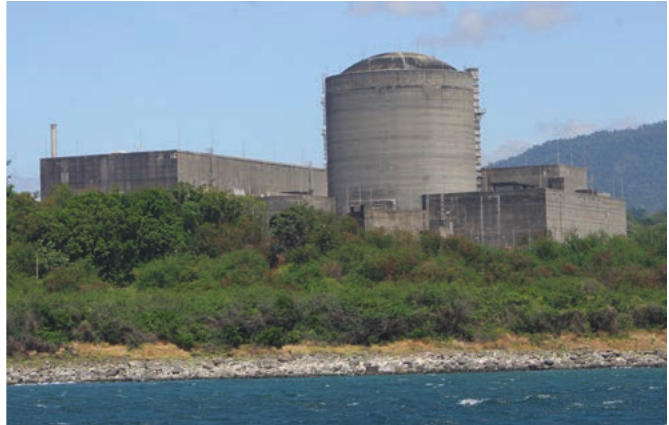
Technology transfers can also be inappropriate when they're too advanced for local populations to maintain and repair. The Bataan Nuclear Power Plant in the Philippines serves as a stark example - construction began in 1976, but the facility was never used and was eventually converted into a tourist attraction. The technology was too complex for local conditions and needs.
Conditional requirements
Tied aid forces recipient countries to spend assistance money in ways that may not align with their development priorities. When aid comes with strings attached requiring purchases from the donor country or compliance with specific policies, it can increase costs significantly and reduce effectiveness.
Note
The Cost of Conditions
Road construction projects funded through tied aid can cost four times more than similar projects built using local contractors and materials. This conditional approach means less actual development happens for each dollar spent, reducing the overall impact of assistance programs.
Quantitative focus
Aid programs that prioritize the amount of money distributed rather than the type of assistance provided often miss the mark completely. Surplus food donations from developed countries might seem helpful, but they can destroy local farming communities by flooding markets with free products that local farmers cannot compete against.
This quantitative approach focuses on impressive-sounding numbers rather than sustainable solutions that build local capacity and create lasting change.
Misused resources
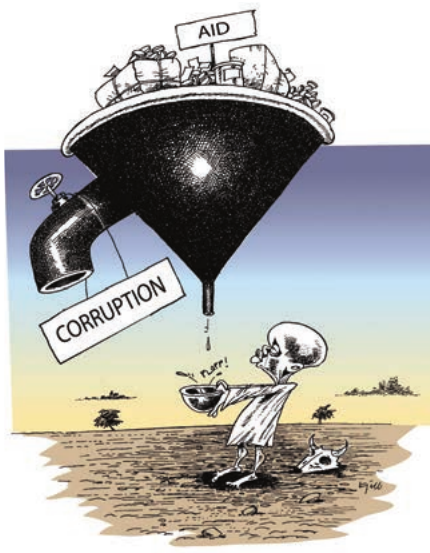
Corruption represents one of the most serious obstacles to effective aid delivery. When aid money is stolen or diverted by corrupt officials, it benefits only a small number of people instead of entire populations.
Example
Case Study: Corruption in Action
The case of Mobutu Sese Seko, former dictator of Zaire, illustrates this problem dramatically. He used foreign aid money to fund the construction of 11 presidential palaces while his people suffered in poverty. When he died, his personal bank accounts contained enough money to pay off the entire foreign debt of his country.
Case study: Chad-Cameroon oil pipeline failure
Example
Major Project Failure: The Chad-Cameroon Pipeline
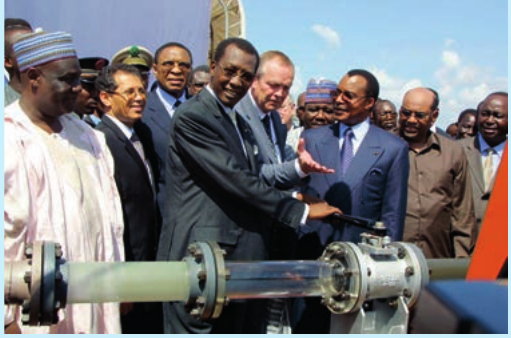
The Chad-Cameroon oil pipeline project demonstrates how even well-funded aid initiatives can fail when proper safeguards and community consultation are lacking.
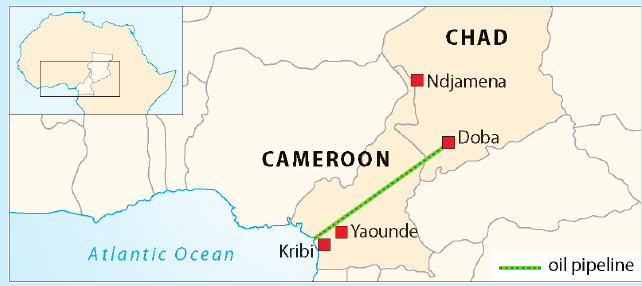
The World Bank funded this $4.2 billion project, which created a 1,050-kilometer pipeline running from oil fields in Chad through Cameroon to the Atlantic Ocean. The pipeline was intended to be Africa's largest development project and was completed in 2003.

What went wrong:
The project was funded with the condition that oil revenues would be spent on development programs in Chad under international supervision. However, President Idriss Déby's government announced in 2005 that oil money would instead go toward general government spending and weapons purchases, or oil companies would be expelled from the country.
The consequences:
- Construction led to massive environmental damage
- Local populations lost their homes and livelihoods without adequate compensation
- Almost 100 villages that depended on rivers crossed by the pipeline now face risks from oil pollution
- The World Bank eventually withdrew from the project in 2008, acknowledging its failure to achieve development goals
When does aid work effectively?
Aid succeeds when it follows sound principles that ensure assistance reaches those who need it most and creates sustainable improvements in people's lives. Some critics argue that aid should be stopped completely because it creates dependency, while others believe the problem lies in how aid is given and received rather than in the concept itself.
The organization ONE, which fights extreme poverty and preventable disease, advocates for aid programs that follow SMART principles:
Scale
Recipients should work together with donors to identify their actual needs and design programs of appropriate size to meet specific goals. This collaborative approach ensures that aid addresses real problems rather than perceived ones.
Measurable
All progress must be carefully monitored and results should be measurable and transparent. If programs aren't working as intended, their scale and design should be modified or the programs should be ended entirely.
Accountable
Donors must deliver on their promises and provide the aid they pledge. Recipients must demonstrate how they spend aid money and show that it benefits entire populations rather than just small groups. Governments must be accountable to their citizens for aid effectiveness.
Responsive
Projects must address the specific and changing needs of each population rather than applying one-size-fits-all solutions. Effective aid programs adapt to local conditions and evolve as circumstances change.
Transparent
Details of all aid programs should be available to the public and media for scrutiny and oversight. This transparency helps prevent corruption and ensures accountability at all levels.
Important
Why SMART Principles Matter
These principles help donors avoid the problems mentioned earlier and ensure that aid creates tailored solutions for specific communities. Programs that ignore these guidelines are much more likely to fail or create unintended negative consequences.
Success stories in development aid
When aid follows effective principles, it can achieve remarkable results in improving people's lives and building stronger societies. Successful programs demonstrate that well-designed assistance can create lasting positive change.
Cooperation between responsible donors and accountable governments has led to impressive achievements across Africa:
- Malaria deaths have been reduced by half in Ethiopia in just two years through targeted health interventions
- Ghana abolished primary school fees and introduced a National School Feeding Program that dramatically improved education access
- Rwanda established subsidized community health insurance that expanded healthcare access to rural populations
- Certain African countries gained duty-free and quota-free access to USA markets through the African Growth and Opportunity Act, boosting trade opportunities
- Malawi increased food security through fertilizer and seed subsidies that supported local agriculture

These successes show that aid works best when it focuses on building local capacity, supporting government-led initiatives, and creating systems that continue functioning after initial aid ends.
Case study: Uganda's education success
Example
Success Story: Uganda's Primary Education Revolution
Uganda's experience with primary education demonstrates how aid can work effectively when combined with good governance and community engagement.
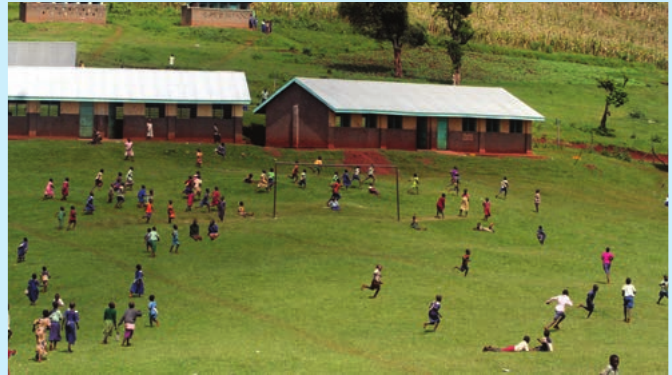
The Challenge: When the Ugandan government ended primary school fees in 1997, millions of the poorest children gained access to education for the first time. However, donors were initially hesitant to support the education system because surveys showed that only 13% of education funding was actually reaching schools due to corruption.
The Solution: The government responded by implementing a comprehensive anti-corruption program. Through newspaper and radio campaigns, parents and community associations were informed about how much money their schools should receive. Parent groups then acted as watchdogs to ensure funds reached their intended destinations.
The Results: As a result of this transparency campaign and other reforms to the education system, a follow-up survey showed that 80% of resources were now reaching schools. This model of "bottom-up accountability" has been replicated in other African countries, engaging citizens, donors, and governments to improve aid systems and deliver more effective assistance.
The Uganda case demonstrates how transparency, accountability, and community engagement can transform aid effectiveness and create sustainable improvements in essential services.
Case study: When development projects ignore local culture
Example
Failed Project: Lake Turkana Fishery Development
The Lake Turkana fishery project in Kenya illustrates how development initiatives can fail when they don't consider local customs and traditional livelihoods.
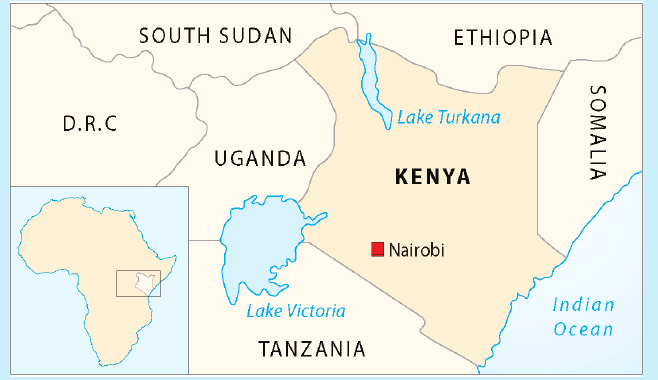
The Project: A Norwegian development agency decided that exploiting the fish resources of Lake Turkana would create good development opportunities for the region, providing increased income, employment, and stability in the face of climate change challenges.

What Went Wrong: During the 1980s, a fish-processing factory was built in the area and herders were trained as fishers and factory workers. However, the project failed to consider that the local Turkana people are semi-nomadic cattle herders who view cattle ownership as a sign of wealth and regard fishing as an activity only for the poorest members of society.
The Failure:
- The project was largely implemented without proper consultation with the community
- The factory proved unsustainable due to its remote geographical location and cultural resistance from workers
- The nomadic culture meant workers couldn't commit full-time to factory work
- Fishing contradicted their traditional values about appropriate economic activities
- The factory is now largely unused and has not contributed to regional growth or development as intended
Important
Lesson Learned
This case study highlights the critical importance of understanding and respecting local cultures when designing development programs. Projects that ignore cultural context are almost guaranteed to fail, regardless of their technical merit or funding levels.
Summary
Key Points to Remember:
- Aid fails when it is unreliable, fragmented, inappropriate, conditional, quantitative-focused, or misused through corruption
- Successful aid follows SMART principles: Scale, Measurable, Accountable, Responsive, and Transparent
- Community engagement and local ownership are essential for aid effectiveness, as shown in Uganda's education success
- Cultural sensitivity and proper consultation prevent project failures like the Lake Turkana fishery
- Transparency and accountability measures can dramatically improve how much aid actually reaches intended beneficiaries