Types of Development Aid (Grade 11 NSC Matric Geography): Revision Notes
📚Revision Notes
Types of Development Aid
Development aid comes in many different forms and serves various purposes in supporting developing countries. Understanding the different types helps us see how donor countries and organizations try to address global inequality and poverty. Each type of aid has its own characteristics, advantages, and potential drawbacks.
1. Financial aid
Financial aid represents the most direct form of assistance, involving the transfer of money from donor countries or organizations to recipient nations. This type of support can take two main forms, each with different implications for the receiving country.
Note
Financial aid offers flexibility to recipient countries, but even "free" donations may come with conditions on how the funds can be used.
Donations are money transfers that recipients never have to repay. These represent true gifts from donor to recipient, with no financial strings attached regarding repayment. However, donors may still impose conditions on how the money should be used.
Loans differ significantly because recipients must repay the money, usually with interest added. The terms of these loans can vary dramatically.
Example
Real-World Example: South Africa-Swaziland Loan Agreement
In August 2011, the South African government provided a loan of R2.4 billion to Swaziland with the following terms:
- Payment structure: Three separate payments over six months
- Repayment period: Five years total
- Interest rate: 5.5% per year
- Total amount to be repaid: Original R2.4 billion plus 5.5% annual interest
The key advantage of financial aid is its flexibility - recipient countries can often decide how to spend the money based on their most pressing needs. However, even donations may come with conditions about how funds should be used.
2. Technical aid
Technical aid focuses on sharing knowledge, skills, and practical expertise rather than simply providing money. This form of assistance recognizes that developing countries often need more than financial resources - they need the technical know-how and equipment to build their own capacity for development.
Technical aid typically includes several components:
- Training programs help local people develop new skills
- Scholarships enable students to study abroad and bring knowledge back to their home countries
- Donor countries provide specialized equipment and machinery needed for development projects
- They share technology and expertise for specific projects

Example
Success Story: Long-Lasting Insecticide-Treated Mosquito Nets
The Olyset Net demonstrates how technical aid creates lasting change in fighting malaria:
The Problem: In Africa, a child dies from malaria every 30 seconds
The Solution: Advanced mosquito net technology
- Insecticide incorporated directly into net fibers
- Nets last more than seven years
- Provides sustained protection for families
The Impact: By 2010, A-Z Textile Mills in Tanzania:
- Produced 30 million nets annually
- Employed over 7,000 people (mainly women)
- Each employee supported an average of 6 family members
- Used royalty-free technology from Sumitomo Chemical (no ongoing payments required)
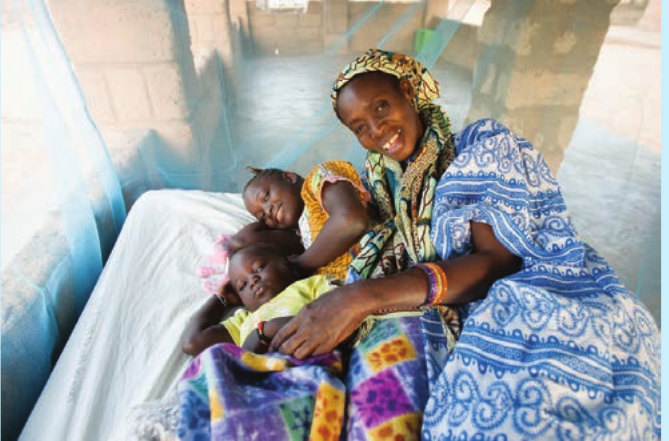
This technology transfer approach creates sustainable development by building local manufacturing capacity while addressing critical health needs.
3. Conditional aid
Conditional aid, also known as tied aid, comes with significant restrictions on how recipient countries can use the assistance they receive. When governments cannot freely choose how to spend their aid money, it creates a complex relationship between donor and recipient.
The core characteristic of conditional aid is that recipients must spend the money on goods and services purchased from the donor country. This requirement can make development projects significantly more expensive - sometimes up to one-third more costly - because recipients cannot shop around for the best prices or most appropriate solutions.

Important
Major Drawback of Conditional Aid
The focus often shifts to what the donor country can provide rather than what the recipient actually needs most urgently. This mismatch can result in:
- Inappropriate technology transfers
- Higher project costs
- Reduced aid effectiveness
- Increased corruption risks
For instance, a donor might push for dam construction and road building projects that require their engineering expertise and equipment, even when the recipient country's greatest needs might be healthcare programs or education initiatives.
This approach has faced increasing criticism since 2001, with many arguing that conditional aid undermines genuine development efforts. However, supporters argue that conditions can help ensure aid money is used appropriately and can help combat corruption in recipient countries.
Example
Case Study: Aid Corruption in Zambia
A serious example of aid-related corruption demonstrates why conditions are sometimes imposed:
What Happened:
- Millions of dollars meant for poverty reduction were misused
- The Global Fund to Fight AIDS suspended aid to Zambia during 2010
- Two European governments withdrew financial support in 2011
Specific Misuse:
- Money intended for poverty alleviation was used to purchase cars for government ministers
- Officials simply stole funds with no clear record of where money went
- Resources meant for the poor were diverted to personal use
4. Humanitarian aid
Humanitarian aid serves a fundamentally different purpose from other forms of development assistance. This type of aid provides emergency support to people affected by disasters, whether caused by natural forces like earthquakes and floods, or human actions such as wars and conflicts.
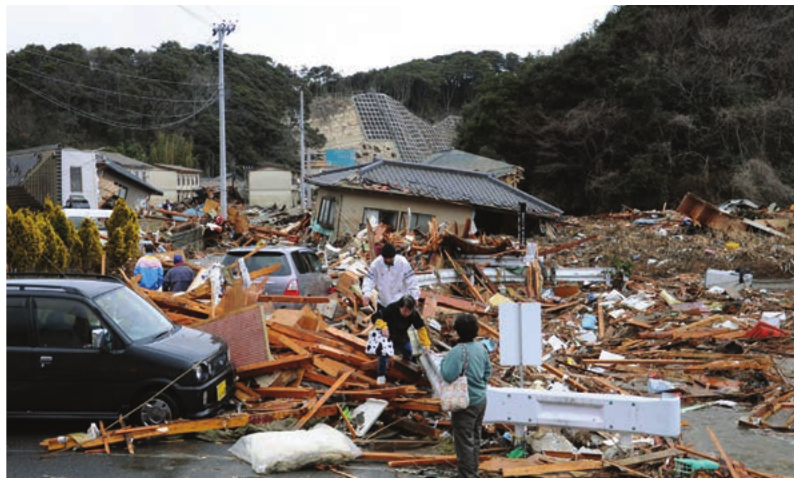
The primary goal of humanitarian aid is reducing immediate human suffering rather than promoting long-term development. This assistance typically includes essential survival items:
- Food to prevent starvation
- Clean water for drinking and sanitation
- Clothing and shelter materials
- Basic medical supplies and care
Note
Humanitarian aid differs from development aid in its focus on immediate crisis response rather than long-term capacity building.
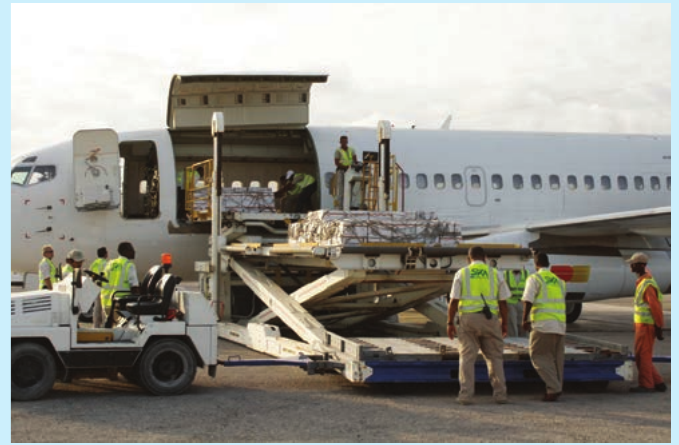
Humanitarian aid also involves coordinated emergency response efforts. Organizations provide transportation to deliver supplies to affected areas, deploy volunteers to distribute aid items and help rebuild temporary shelters, and search for disaster survivors. Medical teams provide emergency healthcare, while donations help fund these urgent relief operations.
Example
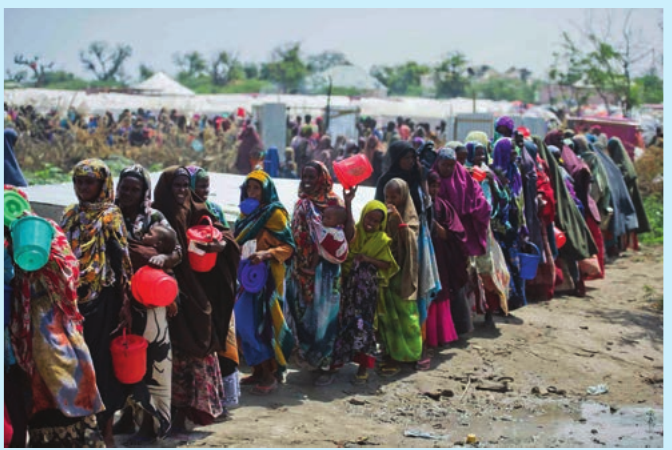
Major Humanitarian Response: 2011 Somalia Famine
South Africa's response represented the largest humanitarian effort in South African history:
Timeline: Just 47 days (August 1 - September 16, 2011) Total Donations: R40 million raised through Gift of the Givers
Logistics:
- 11 flights carrying 175 tons of emergency aid
- 4 ships transporting 2,080 tons of supplies
- 94 personnel deployed, including 57 medical specialists
Direct Impact:
- 4 feeding centers serving 30,000 people daily
- Medical teams treated 10,700 patients
- Performed 80 operations
- Provided R1,300 worth of nutritional supplements per child
- Installed borehole 22 meters deep ($15,000 cost) providing clean water to 30,000 people across 11 camps
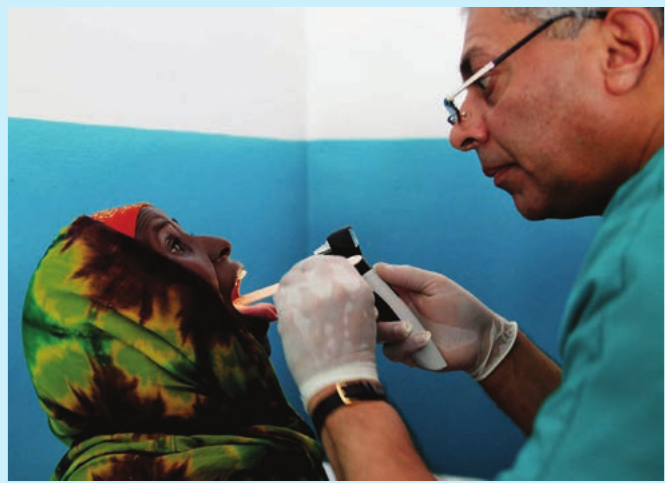
The response included practical infrastructure improvements that provided clean water for drinking, washing, and cooking to thousands of people across multiple refugee camps.
Different perspectives on development aid
Development aid generates varied reactions from different stakeholders, reflecting the complex realities of international assistance. These perspectives help us understand both the potential benefits and limitations of aid programs.

Healthcare officials in recipient countries often express gratitude for financial assistance while highlighting cost challenges. For example, expensive anti-AIDS drugs can cost up to $15,000 per year when purchased as brand-name medications, but generic versions cost only about $350 per year when available in countries like South Africa, India, or Brazil.
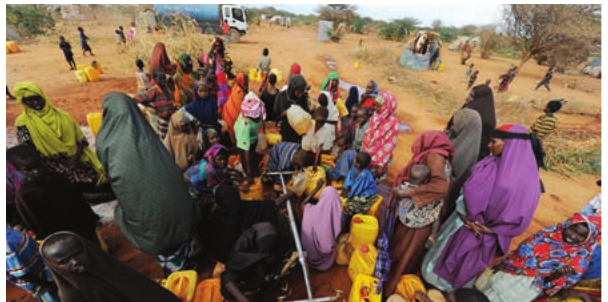
Local communities frequently appreciate practical assistance that directly improves daily life. In Kenya's Samburu district, residents value water delivery services and hygiene education programs that reduce the burden on families, particularly women and children who previously had to walk eight hours to collect water.
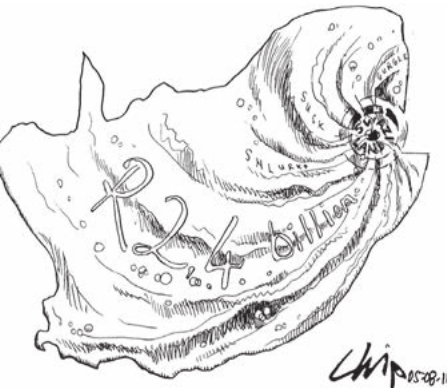
However, taxpayers in donor countries sometimes question aid effectiveness, especially when domestic problems require attention. South African citizens have raised concerns about lending R2.4 billion to Swaziland when South Africa faces its own challenges with hunger, deteriorating infrastructure, and unemployment.
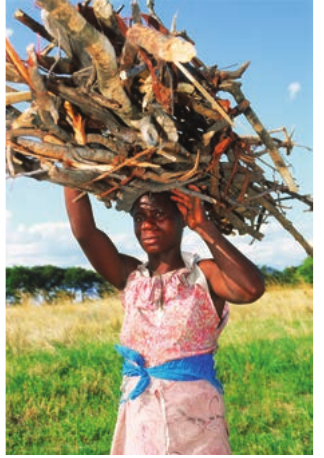
Important
Recipient Frustrations with Aid Programs
Aid recipients also express frustration when assistance doesn't address real needs:
- Foreign-funded projects ignore local knowledge and customs
- Projects sometimes create more difficulties than solutions
- Failed projects can create dependency rather than self-sufficiency
- Mismatched aid creates new problems for communities
Remember!
Summary
Key Points About Development Aid Types:
-
Financial aid includes both donations (no repayment required) and loans (must be repaid with interest), giving recipients money to address their development needs
-
Technical aid focuses on sharing knowledge, skills, and technology rather than just money, often creating lasting capacity for development
-
Conditional aid requires recipients to purchase goods and services from donor countries, which can increase costs and may not address the most urgent local needs
-
Humanitarian aid provides emergency assistance during disasters and crises, focusing on immediate survival needs rather than long-term development
-
Each type of aid has both advantages and disadvantages, and effectiveness often depends on how well aid programs address genuine local needs and priorities