Globalisation (Grade 11 NSC Matric Geography): Revision Notes
📚Revision Notes
Globalisation
Globalisation refers to the process through which the world becomes increasingly connected through the flow of goods, services, money, technology, ideas, information, and people across national borders. This process creates an integrated global economy and society that links countries together in ways never seen before in human history.
Note
Definition: Globalisation is a process whereby the increased flow of goods, services, capital, technology, ideas, information and people between countries leads to an integrated global economy and society.
Understanding globalisation
The speed of globalisation today is faster than ever before, even though it is not entirely new. You can see evidence of globalisation everywhere around you - from the global brands we recognize to the technology we use daily.

These familiar logos represent multinational corporations that have spread their influence across the globe, making their products and services available in countries far from their original headquarters.
Key features of globalisation
Note
Six Key Elements of Globalisation:
Globalisation involves several important elements working together to create our interconnected world.
The increased movement of goods means products manufactured in one country can be easily sold in another. Services like banking, healthcare, and education can now be provided across borders through technology. Capital flows between countries as investments and financial transactions happen instantly. Technology and ideas spread rapidly, allowing innovations to benefit people worldwide. Information travels at unprecedented speeds through the internet and media. Finally, people move more freely between countries for work, education, and other opportunities.
Advantages of globalisation
Economic benefits
Multinational corporations create significant employment opportunities in developing countries. These companies, which own or control production facilities in multiple countries, often provide better salaries and working conditions than local alternatives in host countries. When trade barriers are reduced, emerging economies like Brazil, Russia, India, China, and South Africa can participate more actively in the global economy, creating new opportunities for growth and development.
The expansion of global markets gives businesses access to millions of new consumers worldwide. This increased market size allows companies to grow and create more jobs while offering consumers greater choice and often lower prices through competition.
Social and humanitarian benefits
Globalisation has contributed to reducing poverty levels in many parts of the world. As economies become more integrated, life expectancy often increases and literacy rates improve as people gain access to better education and healthcare systems.
Note
Technology Access Revolution
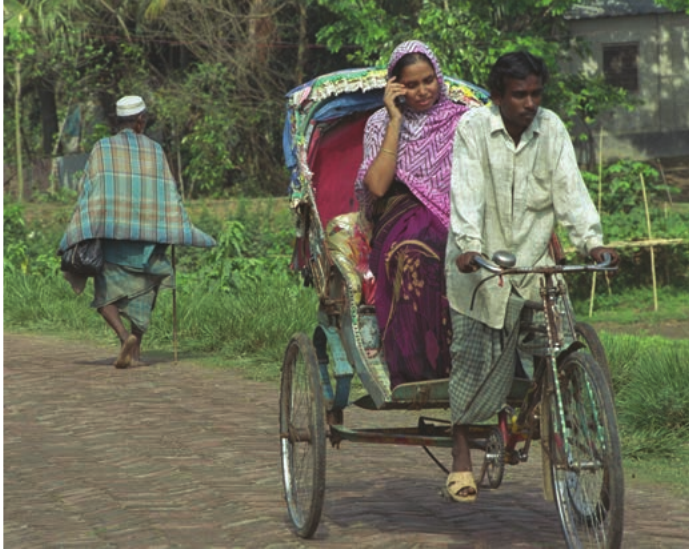
Technology access has improved dramatically, with people in rural and remote areas now able to access banking, healthcare, and education services through mobile technology and internet connectivity.
When natural disasters strike, the global community can respond more rapidly and effectively. International coordination allows for quicker delivery of aid, medical supplies, and rescue teams to affected areas.
Cultural and knowledge benefits
Globalisation promotes increased tolerance and appreciation for cultural diversity. As people interact more across borders, they develop greater understanding of different customs, languages, and ways of life.
There is unprecedented access to information, knowledge, and innovations. Scientific discoveries, medical advances, and technological innovations can spread quickly around the world, benefiting people everywhere rather than remaining isolated in their country of origin.
Financial support systems
Migrant workers can send remittances back to their home countries, providing crucial financial support to families and communities. These money transfers often represent significant portions of national income for developing countries and help reduce poverty at the household level.
International cooperation
Global organizations such as the United Nations, World Bank, International Monetary Fund, and World Trade Organization help regulate international disputes and coordinate development programs. These institutions provide frameworks for countries to work together on common challenges.
Disadvantages of globalisation
Health and disease concerns
Important
Disease Spread Risk
Increased trade and travel make it easier for diseases to spread rapidly across borders. Outbreaks of illnesses like SARS, avian flu, AIDS, and other conditions can quickly become global pandemics due to the interconnected nature of modern travel and trade networks.
Technological and infrastructure gaps
Not all countries have sufficient infrastructure to fully participate in globalisation. Some nations lack the technological capacity, internet connectivity, or transportation systems needed to benefit from global opportunities, potentially leaving them further behind in development.
Employment and economic inequality
While multinational corporations create jobs in some areas, they can also contribute to growing inequality. Employment in these companies often creates distinct upper-middle class groups, increasing income gaps within societies.

Important
Cultural Industry Displacement
The influence of multinational corporations in developing countries can sometimes overshadow local businesses and cultural industries, as seen in how global entertainment companies can dominate local markets.
Companies that engage in outsourcing may create unemployment in developed countries as they move production to locations with lower labor costs. This can lead to the establishment of sweatshops - factories where working conditions are poor and wages are extremely low - particularly affecting workers in less economically developed countries.
Brain drain effects
Skilled and educated workers often migrate from developing countries to developed ones in search of better opportunities. This "brain drain" can leave less economically developed countries without the human resources they need for their own development and progress.
Economic interdependence risks
Important
Financial Contagion Effect
The interconnected nature of the global economy means that financial problems in one country can quickly spread to others. Economic crises can have worldwide effects, as seen in various global financial downturns where problems in major economies affected countries around the world.
Reduced government autonomy
Global organizations and multinational corporations can exert significant economic and political influence over national governments. This can limit the ability of countries to make independent policy decisions about their own development priorities and approaches.
When countries take on debt to participate in global development programs, they may need to reduce spending on important domestic programs like infrastructure, education, healthcare, and social welfare to make loan repayments.
Environmental and cultural concerns
The high demand for raw materials driven by global consumption can lead to unsustainable use of natural resources and environmental degradation. Traditional agricultural systems and indigenous customs may be disrupted as technological advances and global practices replace local knowledge and methods.
Real-world examples
Example
Case Study: The New Balance Shoe Factory

The New Balance shoe factory in Shenzhen, China, demonstrates both positive and negative aspects of globalisation. The factory provides economic stability for the city and employs many women of full-time working age. Without this factory, Shenzhen might experience economic instability and have a population of poor migrant workers.
However, this case also illustrates concerns about working conditions and wages in global manufacturing. While some Western corporations may exploit cheap labor, others like New Balance can create genuine opportunities for stability and employment in otherwise challenging economic conditions.
Example
Brain Drain or Brain Gain?
Recent research suggests that migration of skilled workers might be better described as "brain gain" rather than "brain drain." Countries that send skilled workers abroad often benefit when those workers return home with new skills, international contacts, and savings to invest. The money sent home as remittances can exceed a country's GDP, providing significant economic support.
Additionally, the possibility of emigration can encourage more people to pursue education and skill development, knowing they have options for better opportunities. This can raise the overall education level in a population, even if some educated workers do leave the country.
Key terminology
Globalisation: A process that creates an integrated global economy and society through increased international flows of goods, services, capital, technology, ideas, information, and people.
Multinational corporation (MNC): A company that owns or controls production facilities in more than one country.
Outsourcing: The practice of having components made or assembled in a country other than where a company's headquarters is located.
Remittances: Money that migrant workers send back to their home countries to support families and communities.
Sweatshops: Factories where working conditions are poor and salaries are extremely low, often associated with exploitation of workers.
Brain drain: The migration of skilled and educated workers from developing countries to developed countries, potentially leaving their home countries without needed human resources.
Summary
Key Points to Remember:
- Globalisation connects the world through flows of goods, services, money, technology, ideas, information, and people across borders
- Advantages include economic opportunities, poverty reduction, cultural exchange, and improved access to technology and information
- Disadvantages include disease spread, economic inequality, environmental problems, and potential exploitation of workers
- Multinational corporations play a central role in globalisation, bringing both opportunities and challenges to different countries
- The effects of globalisation vary greatly depending on a country's level of development and ability to participate in the global economy