Non-Conventional Energy Sources (Grade 11 NSC Matric Geography): Revision Notes
📚Revision Notes
Wind Energy
Introduction to wind energy
Wind has been harnessed as an energy source by humans throughout history. For thousands of years, people have used wind power for practical purposes, with farmers traditionally using wind energy to pump underground water into farm dams through old-fashioned windmills.
In modern times, wind energy has evolved significantly. Today's wind technology can generate electricity through large wind turbines that are connected to electricity generators. When these giant blades rotate, they create electrical energy that can be supplied to the national electricity grid. These electricity-generating windmills are commonly referred to as wind turbines.
Note
Key Definition: Wind turbines are electricity-generating windmills that convert wind energy into electrical power for distribution through power grids.
Wind energy potential in South Africa
South Africa has excellent potential for developing wind energy resources. The country's geographic features make it particularly suitable for wind power generation.
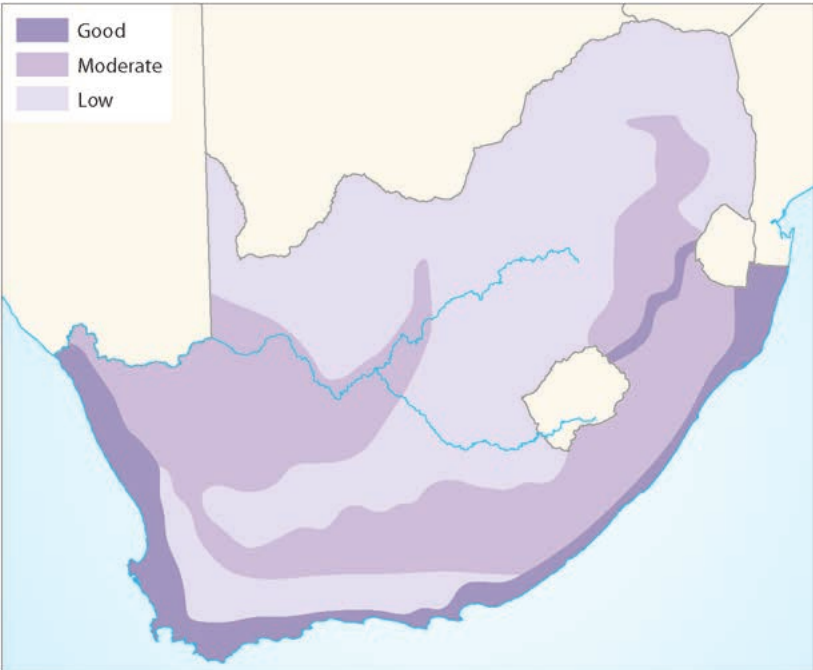
The windiest regions of South Africa are located along the country's extensive 3000-kilometer coastline. These coastal areas represent the locations with the greatest potential for establishing wind energy projects. The map shows different levels of wind energy potential across the country, with coastal regions generally showing the strongest and most consistent wind patterns suitable for electricity generation.
Important
South Africa's coastal regions offer the most significant wind energy opportunities due to consistent wind patterns and optimal geographic conditions along the extensive coastline.
How wind energy works
Traditional windmills
The simplest form of wind energy technology uses traditional windmills. These structures harness wind power through a mechanical process where the force of moving air turns the blades of the windmill. This rotation operates a mechanical pump that can extract water from underground boreholes, providing a reliable water source for agricultural purposes.
Modern wind turbines
Contemporary wind energy systems work differently from traditional windmills, focusing on electricity generation rather than water pumping. Modern wind turbines follow a systematic process to convert wind energy into usable electricity.
Example
How Wind Turbines Generate Electricity: 4-Step Process
Step 1: Wind Rotation Moving air causes the large turbine blades to rotate
Step 2: Mechanical Energy Transfer The rotating shaft turns an internal generator through a gear system
Step 3: Electricity Conversion A transformer converts the generated power to high voltage electricity
Step 4: Grid Transmission The electrical energy is transmitted through power lines to the electricity grid
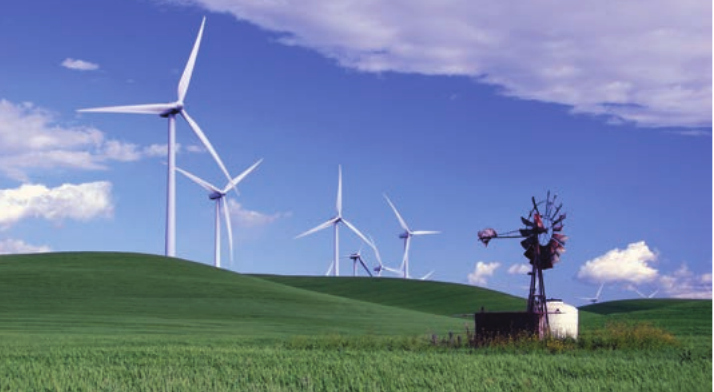
This process allows wind farms (areas containing multiple wind turbines) to contribute significant amounts of clean electricity to a region's power supply.
Advantages of wind energy
Wind power offers several important benefits as a renewable energy source:
Economic benefits: Wind itself is a free natural resource, meaning there are no fuel costs associated with wind energy production once the infrastructure is established.
Environmental advantages: Wind turbines produce electricity without releasing greenhouse gases during operation, making them an environmentally friendly energy option that helps combat climate change.
Efficient land use: Wind turbines require minimal ground space, allowing the land beneath and around them to continue being used for farming and other agricultural activities.
Flexible scale: Wind energy systems can be adapted for various scales of use, from small individual installations for single homes to large commercial wind farms that can power entire communities.
Disadvantages of wind energy
Despite its benefits, wind energy also faces several challenges that must be considered:
Variable energy production: Wind strength changes constantly, which means electricity production is not always consistent. When wind speeds are low or absent, no electricity is generated.
Environmental and social impacts: Wind turbines can create noise pollution and may be considered visually unattractive by some communities, potentially affecting property values and quality of life.
High initial costs: Manufacturing and installing wind turbines requires significant upfront investment, making the initial development of wind energy projects expensive.
Safety concerns: Wind turbines can occasionally catch fire, which creates air pollution and poses safety risks to surrounding areas.
Limited individual output: Each wind turbine produces relatively small amounts of electricity, meaning many turbines are needed to generate enough power for larger communities or towns.
Important
Critical Limitation: Wind energy's variable nature means backup power sources or energy storage systems are often necessary to ensure consistent electricity supply.
Case study: Darling wind farm
South Africa's first major wind energy facility is located near Darling in the Western Cape province. This pioneering project demonstrates the practical application of wind energy technology in the South African context.
Example
Case Study: Darling Wind Farm - South Africa's Wind Energy Pioneer
Location advantages: The Darling site was selected because it experiences strong and consistent wind patterns, has limited agricultural value, and can connect easily to the national electricity infrastructure.
Technical specifications: The facility operates four large wind turbines, each with a capacity of megawatts. Together, these turbines generate approximately million kilowatt-hours of electricity annually.
Community impact: This electricity production meets about of summer electricity needs and of winter electricity requirements for a small town the size of Darling. The turbines have been operational since , with plans to expand the facility by adding six additional MW turbines.
Environmental benefits: When compared to traditional coal-powered electricity generation, the Darling Wind Farm provides significant environmental advantages by avoiding the release of tons of carbon dioxide, preventing the use of tons of coal, and saving billion liters of water annually.
Global perspective: European wind energy
Europe provides an excellent example of large-scale wind energy development and its potential for future growth.
Current production: Wind power already generates over 6% of Europe's total electricity supply, with projections suggesting this could increase to 15% by 2020.
Future potential: Environmental agencies estimate that wind energy could eventually produce three times more electricity than Europe actually needs, demonstrating the enormous potential of this renewable resource.
Economic impact: Wind energy development represents a multi-billion euro industry, with annual fuel cost savings that could reach 30 billion euros in the early 2020s.
Environmental benefits: Wind energy development could prevent over 100 million tonnes of carbon dioxide emissions, equivalent to removing one-quarter of Europe's cars from roads.
Offshore development: An increasing number of wind installations are being placed offshore where wind speeds are typically stronger and more consistent.
Note
Europe's wind energy success demonstrates the scalability and economic viability of large-scale wind power development, with potential for energy independence and significant environmental benefits.
Summary
Key Points to Remember:
-
Wind energy converts the natural movement of air into electricity through rotating turbine blades that drive generators
-
South Africa's coastal regions offer the best wind energy potential due to consistent and strong wind patterns along the km coastline
-
Wind power provides environmental benefits by producing clean electricity without greenhouse gas emissions or significant land use requirements
-
The main challenges of wind energy include variable electricity production, high initial costs, and the need for multiple turbines to generate substantial power
-
Successful projects like Darling Wind Farm demonstrate that wind energy can provide significant portions of community electricity needs while delivering measurable environmental benefits