Future of Non-Conventional Energy in South Africa (Grade 11 NSC Matric Geography): Revision Notes
📚Revision Notes
Future of Non-Conventional Energy in South Africa
South Africa's renewable energy commitment and vision
South Africa has made significant commitments to developing renewable energy sources as part of its national energy strategy. In 2011, the government created an integrated energy plan that established ambitious goals for incorporating renewable energy into the country's energy mix. This plan aims to substantially increase renewable energy production, with a target of building up to 50% renewable capacity by 2030.
Note
The World Bank has recognized South Africa's tremendous renewable energy potential, providing international validation for the country's ambitious energy transformation goals.
The country has tremendous potential for renewable energy development, with the World Bank estimating that South Africa could potentially produce up to 43 terawatt hours per year by 2021. This represents a massive opportunity to transform the nation's energy landscape and reduce dependence on traditional fossil fuels.
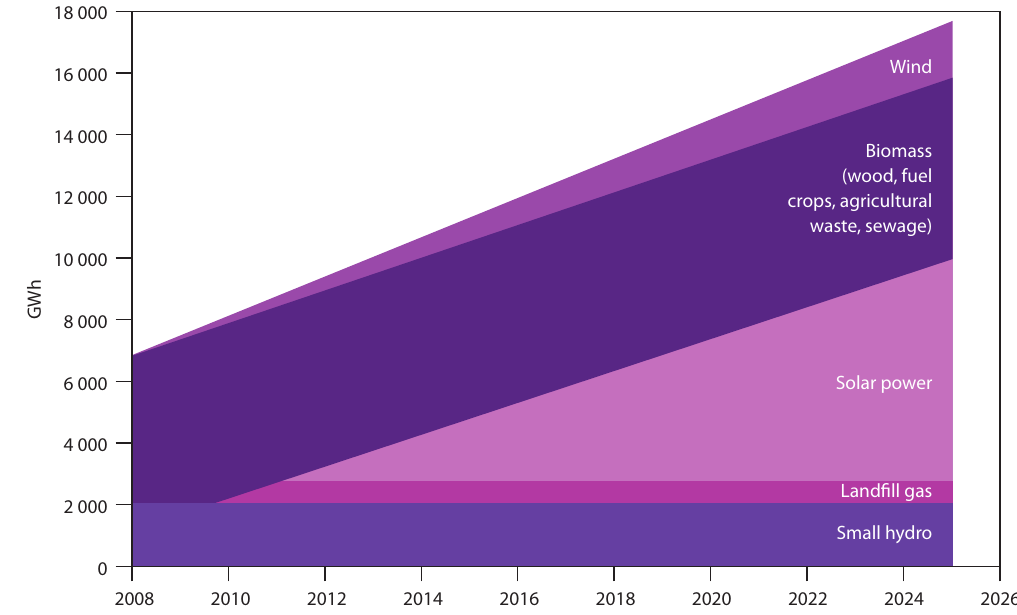
The growth projections show how various renewable energy sources are expected to contribute to the national energy supply. Solar power emerges as the dominant contributor, followed by significant contributions from biomass, wind power, small hydroelectric projects, and landfill gas generation.
Types of non-conventional energy sources in South Africa
Beyond the well-known solar and wind power options, South Africa has excellent potential to develop several other types of renewable energy sources. These alternative energy sources include hydroelectric power, biomass and biofuel production, methane gas from landfill sites, and wave energy from the country's extensive coastline.
Hydro power development opportunities
Although hydroelectric power is sometimes considered a conventional energy source, it represents a significant renewable energy opportunity for South Africa. The country could potentially add 4,700 megawatts to its national electricity supply by developing its existing hydroelectric capacity more fully.
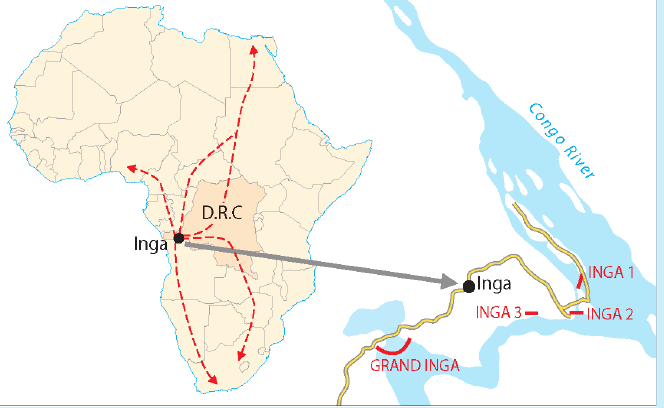
Beyond developing local resources, South Africa has exciting opportunities to import clean hydroelectricity from neighboring countries. The nation is exploring partnerships with Lesotho, Mozambique, and the Democratic Republic of Congo to access their abundant water resources. These regional partnerships could add an additional 7,000 megawatts to South Africa's electricity supply, significantly boosting the country's clean energy capacity.
Example
Major Hydroelectric Project: Grand Inga
The Grand Inga project represents one of the most ambitious hydroelectric developments in the world:
- Investment: $10 billion total project cost
- Capacity: 5,000 megawatts of hydroelectric power
- South Africa's share: 3,000 megawatts planned utilization
- Timeline: Agreement signed in 2011 between SA and DRC
- Regional impact: Part of broader 100,000 MW potential in DRC
The Democratic Republic of Congo possesses enormous hydroelectric potential, with an estimated capacity of 100,000 megawatts. However, the country currently produces only a small fraction of this potential, and only 9% of the DRC's population currently has access to electricity. This situation creates an opportunity for regional cooperation and development.
Biomass energy and biofuel production
Biomass energy involves using plant and animal waste materials as sources of fuel for electricity generation. The South African government, working alongside major stakeholders like the energy company Sasol, is actively developing the infrastructure needed to produce liquid fuels from biomass materials.
This renewable energy source has significant potential, with experts estimating that biomass could contribute between 9% and 16% of South Africa's future energy requirements. This represents a substantial contribution to the national energy mix while also providing opportunities to utilize waste materials that would otherwise require disposal.
Landfill gas utilization
Municipal waste sites generate methane gas naturally as organic materials decompose over time. This methane can be captured and converted into electricity, turning a waste management challenge into an energy opportunity.
Note
Landfill gas utilization serves a dual purpose: generating clean energy while reducing methane emissions that would otherwise contribute to greenhouse gas accumulation in the atmosphere.
South Africa's landfill sites have the potential to generate approximately 7.2 terawatt hours of electricity, with projections suggesting this could grow to 10.8 terawatt hours by 2040. The energy extraction process becomes even more efficient when the captured gas is used for processing heat rather than just electricity generation, maximizing the energy yield from these waste sites.
Wave energy potential
South Africa's extensive coastline, stretching over 3,000 kilometers, provides excellent opportunities for wave energy generation. Scientists have studied the country's coastal conditions and estimate that approximately 75% of the South African coastline would be suitable for wave energy projects.
The theoretical potential is impressive, with estimates suggesting that wave energy installations could produce a total generating capacity of about 18,000 megawatts. This capacity could yield up to 150 terawatt hours per year, representing a significant contribution to the national energy supply.
Economic benefits of expanding non-conventional energy
The transition to greater use of renewable energy sources offers numerous economic advantages for South Africa. These benefits extend beyond simple energy production to encompass broader economic development and resilience.
One of the primary economic benefits involves reducing the country's dependence on fossil fuel imports. By generating more energy domestically from renewable sources, South Africa can decrease its vulnerability to fluctuating global oil and gas prices. This energy independence provides greater economic stability and keeps more financial resources within the national economy.
Note
Rural development through renewable energy projects creates a multiplier effect, where initial infrastructure investment leads to sustained economic activity and community growth over time.
The development of renewable energy facilities creates opportunities for local economic development, particularly in rural areas. These projects often bring employment opportunities, infrastructure development, and economic activity to communities that may have limited other economic options. This development can play an important role in poverty reduction and rural economic growth.
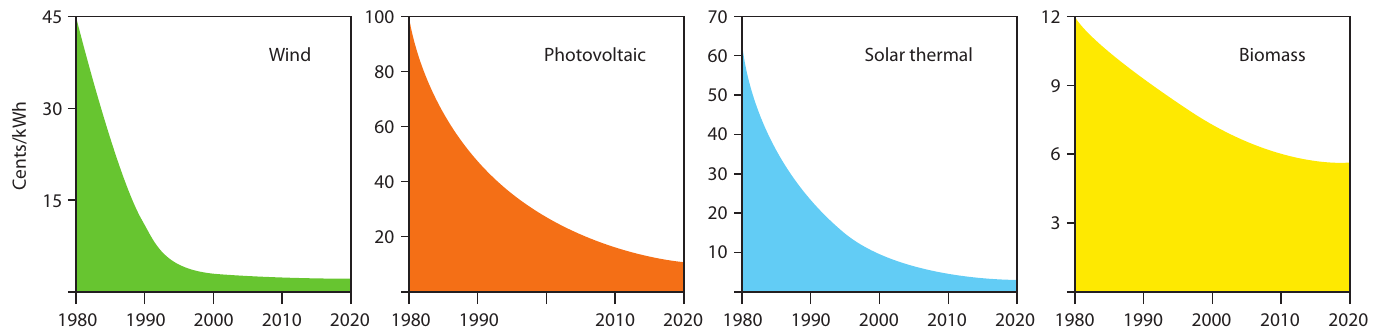
The cost competitiveness of renewable energy has improved dramatically over recent decades. International Energy Agency estimates initially suggested that solar energy cost approximately double that of coal-generated electricity. However, technological improvements have led to predictions that solar energy costs will decrease by half by 2020.
The cost reduction trends for various renewable energy technologies show remarkable improvements between 1980 and 2020. Wind power, photovoltaic solar, solar thermal, and biomass technologies have all experienced significant cost decreases, making them increasingly competitive with traditional energy sources.
Creating renewable energy facilities also helps develop local expertise and manufacturing capabilities. As the renewable energy sector grows, it stimulates the development of supporting industries and creates opportunities for technological innovation and knowledge transfer.
Environmental benefits and climate considerations
The environmental advantages of increased renewable energy use are substantial and directly address some of the most pressing environmental challenges facing South Africa and the global community.
Most renewable energy sources produce no carbon dioxide or other harmful greenhouse gases during operation. This characteristic makes them essential tools in addressing climate change and reducing South Africa's environmental impact. The country is currently the world's thirteenth-largest per capita producer of carbon dioxide, making the transition to cleaner energy sources particularly important for meeting international climate commitments.
Important
Critical Climate Warning for South Africa
South Africa's Council for Scientific and Industrial Research has warned that temperature increases in South Africa due to global warming could be double the world average. This makes renewable energy transition not just an environmental choice, but a survival necessity.
By reducing reliance on coal for electricity generation, South Africa can preserve its coal reserves for other industrial uses, such as chemical manufacturing, where alternatives may be more limited. This strategic use of natural resources can provide long-term economic and environmental benefits.
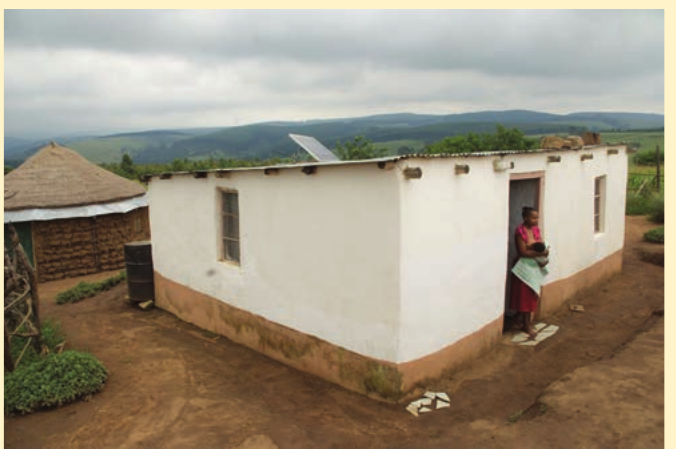
The environmental benefits extend beyond carbon emissions reduction. Global warming and climate change caused by fossil fuel use are expected to have severe impacts on developing countries, with the World Bank noting that these nations will experience climate change effects more intensely than developed countries in the northern hemisphere.
Climate change is expected to alter global weather patterns significantly, with southern and western parts of South Africa likely to experience prolonged droughts and reduced agricultural productivity. By contributing to global efforts to reduce greenhouse gas emissions, South Africa's renewable energy development helps mitigate these future risks.
Note
International Leadership: COP17
In 2011, South Africa hosted the 17th Conference of United Nations Convention on Climate Change (COP17), demonstrating the country's commitment to international climate cooperation and positioning it as a leader in African renewable energy development.
In 2011, South Africa hosted the 17th Conference of United Nations Convention on Climate Change (COP17), bringing together world leaders and organizations to discuss global warming and carbon emissions reduction strategies. The conference emphasized the importance of developing countries like South Africa pursuing energy efficiency and renewable energy development rather than continuing to invest heavily in fossil fuels and nuclear power.
Environmental concerns about nuclear power expansion include the high costs and relatively short lifespan of nuclear power plants, as well as long-term waste disposal challenges. These factors make renewable energy sources increasingly attractive as safer and more sustainable alternatives.
Summary
Key Points to Remember:
-
Government Commitment: South Africa committed to building up to 50% renewable capacity by 2030, with potential to produce 43 TWh/year by 2021
-
Diverse Energy Sources: The country can develop multiple renewable sources including:
- Hydro power: 4,700 MW domestic + 7,000 MW imports potential
- Biomass: 9-16% of total energy needs
- Landfill gas: 10.8 TWh by 2040
- Wave energy: 150 TWh/year theoretical potential
-
Economic Advantages:
- Reduced fossil fuel dependence
- Lower energy costs over time
- Rural development opportunities
- Decreased vulnerability to global price fluctuations
-
Environmental Benefits:
- Zero carbon emissions during operation
- Preservation of coal reserves for industrial uses
- Contribution to global climate change mitigation
- Critical importance given SA's above-average climate vulnerability
-
International Leadership: South Africa's role in hosting COP17 demonstrates commitment to climate cooperation and renewable energy development