Drought and Desertification (Grade 11 NSC Matric Geography): Revision Notes
📚Revision Notes
Effects of Drought and Desertification
Understanding the interconnected impacts
Drought and desertification create a web of interconnected effects that impact both the environment and human communities. The natural environment normally provides essential resources that people depend on for survival, including clean air, fresh water, fertile soil, and vegetation that supports food production. When drought and desertification occur, these vital resources become damaged or depleted, reducing the environment's capacity to meet people's basic needs.
Note
This interconnected relationship between environmental health and human wellbeing is fundamental to understanding why drought and desertification have such far-reaching consequences beyond just environmental damage.
Environmental and social consequences
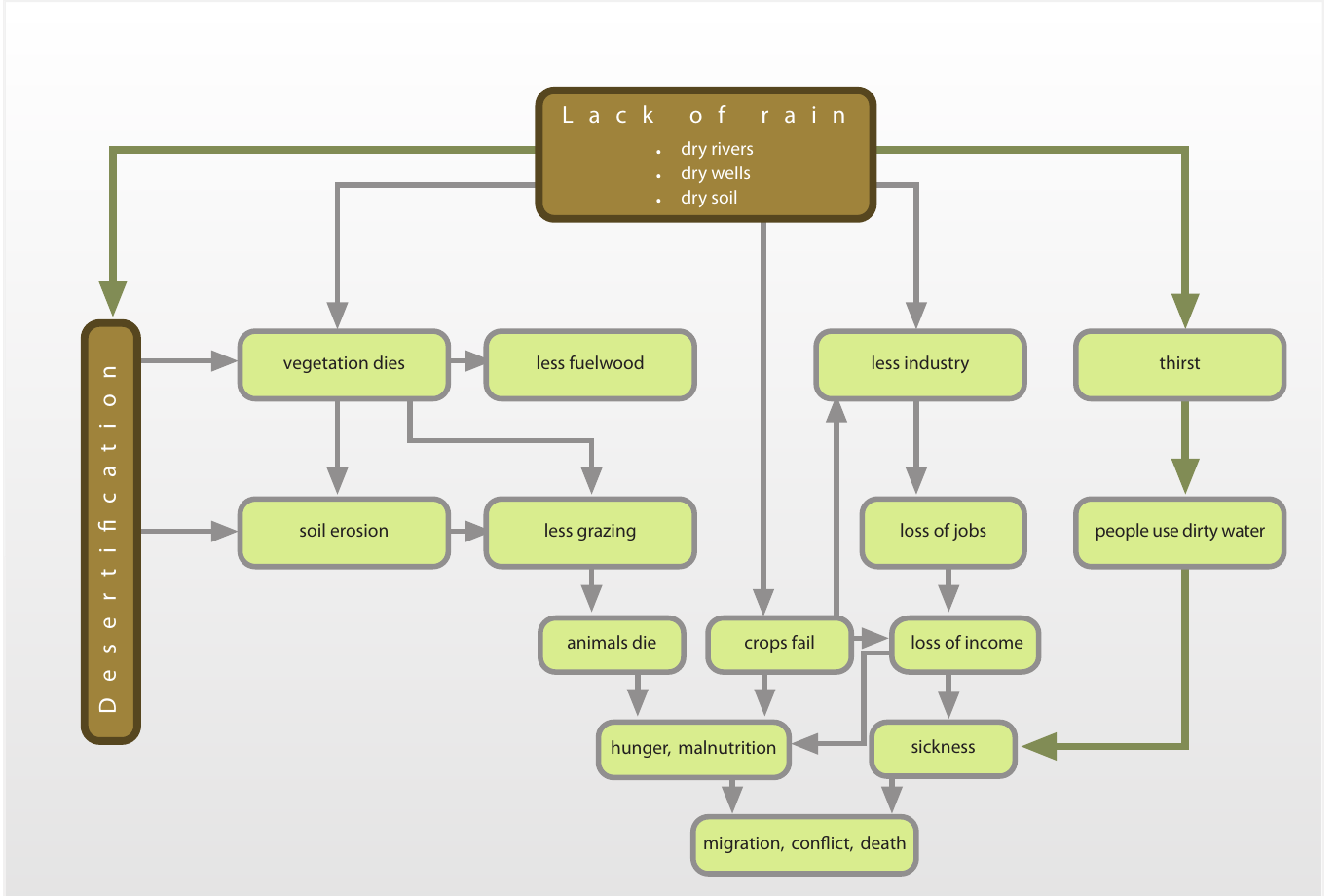
The effects of drought and desertification follow a cascading pattern that begins with lack of rainfall and spreads through environmental and social systems. This process demonstrates how environmental problems directly translate into human suffering.
Environmental impacts
When rainfall becomes insufficient, several environmental changes occur:
- Rivers and wells dry up, reducing available water sources
- Soil becomes parched and loses its fertility
- Vegetation dies due to water stress, reducing natural plant cover
- Soil erosion increases as protective vegetation disappears
- Available fuelwood becomes scarce as trees and shrubs die
- Grazing areas diminish, affecting livestock feed
Note
The loss of vegetation creates a particularly destructive cycle - without plants to hold soil in place, erosion accelerates, making it even harder for new vegetation to establish when rains eventually return.
Human and social impacts
These environmental changes directly affect human communities:
- Crop failures occur due to insufficient water and poor soil conditions
- Livestock mortality increases as animals lack food and water
- People experience thirst and may resort to using contaminated water sources
- Industrial activities decline due to water shortages and resource limitations
- Job losses follow as agriculture and industry suffer
- Famine may develop - this is a severe shortage of food affecting entire populations, leading to widespread malnutrition and death
- Health problems increase due to malnutrition and poor water quality
- Communities face difficult choices between migration, conflict over remaining resources, and potentially death
Important
Famine represents the most severe outcome of drought and desertification. It occurs when food shortages become so widespread that entire populations face starvation, often leading to long-term developmental impacts and increased mortality rates.
Differences in vulnerability
While drought and desertification affect many areas, some people and environments face greater risks than others. Being vulnerable means being easily harmed or more susceptible to negative impacts. Several groups and regions show particularly high vulnerability:
Geographic vulnerability
Dry regions face the greatest environmental risk because they already have limited water resources. When drought strikes these areas, people have fewer options for finding alternative water sources. The land quickly becomes overcropped and overgrazed as communities struggle to maintain their livelihoods, making recovery even more difficult when drought conditions persist.
Economic vulnerability
Subsistence farmers represent one of the most vulnerable groups because their survival depends entirely on their own agricultural production. These farmers typically lack financial resources and alternative income sources. When crops fail due to drought, they face immediate hunger as their food stores dwindle and they cannot afford to purchase food from other sources.
Poor people everywhere struggle more during drought and desertification because they lack resources to adapt. They cannot afford to buy food when prices increase due to shortages, and they typically lack access to agricultural improvements like irrigation systems, quality seeds, or fertilizers that might help maintain productivity during difficult conditions.
Note
Economic vulnerability creates a cycle where those least able to cope with environmental challenges are also those least able to recover quickly, making future droughts even more devastating for these populations.
Geographic and political vulnerability
People in developing countries often face additional challenges because their governments may lack resources to provide emergency food assistance during drought periods. These countries frequently depend on foreign aid, but this support may be insufficient or delayed. Healthcare and clean water infrastructure may already be inadequate, making these populations more susceptible to disease and malnutrition during environmental crises.
Demographic vulnerability
Women and children typically suffer most during food shortages because they are often the least well-nourished even during normal times. Children require good nutrition for proper growth and development, making them particularly susceptible to long-term harm from malnutrition. Women may sacrifice their own nutrition to feed their families, putting their health at risk.
Rapidly growing populations create pressure on available resources, leading communities to use environmentally damaging practices to increase food production quickly. This can include farming unsuitable land or overusing existing farmland, which contributes to environmental degradation and makes communities more vulnerable to future droughts.
Cultural vulnerability
People whose traditional practices have been disrupted may lose important knowledge and systems that previously helped them manage during drought periods. Traditional communities often developed sophisticated methods for coping with environmental challenges over many generations. When these practices are abandoned or prevented, communities become less resilient to environmental stresses.
Important
The loss of traditional knowledge represents a critical vulnerability that is often overlooked. Indigenous and traditional farming practices frequently include drought-resistant techniques, water conservation methods, and food storage systems that can be essential for survival during environmental crises.
Case study: Chad's experience
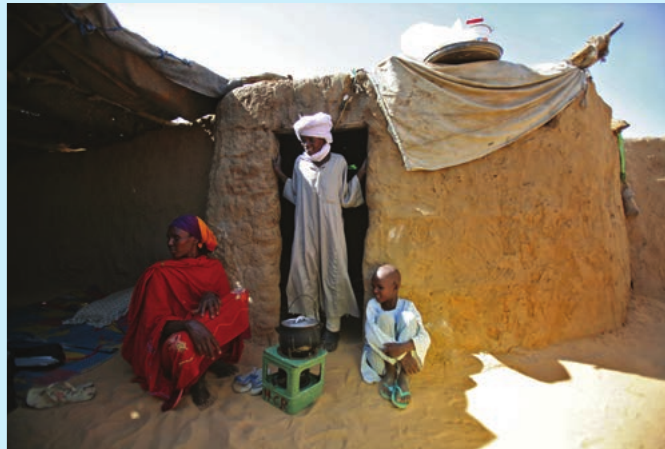
Chad provides a real-world example of how drought and desertification affect vulnerable communities. This country in the semi-arid Sahel region normally receives 300-600 millimeters of rainfall annually, but recent years have brought severe drought conditions.
Example
Chad's Environmental Crisis: A Real-World Impact
Environmental Impacts Observed:
- Grazing has become nearly impossible as natural pastures have dried up
- Water sources including ponds and traditional watering holes have disappeared
- Cattle and other livestock show signs of severe malnutrition
- Many animals are dying or being sold at significant financial losses
Human Impacts Documented:
- Food stores in family homes have been exhausted
- Food prices have increased dramatically, particularly for millet (staple food)
- Most affected people are subsistence farmers living on less than a few dollars per day
- Water scarcity has forced people to dig new wells that often fail to provide clean water
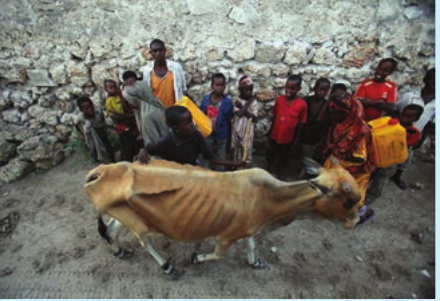
The environmental impacts are clearly visible in Chad's rural areas. Grazing has become nearly impossible as natural pastures have dried up. Water sources including ponds and traditional watering holes have disappeared. Cattle and other livestock show signs of severe malnutrition, with many animals dying or being sold at significant financial losses just to provide families with some income for food purchases.
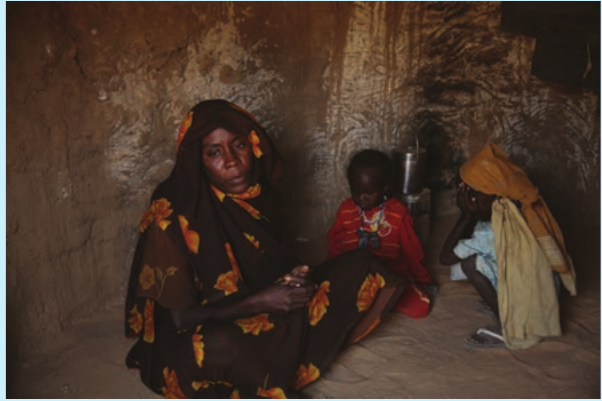
The human impact is equally severe. Food stores in family homes have been exhausted, and there is little new food being produced to replenish supplies. Food prices have increased dramatically, particularly for millet, which serves as a staple food for many families. Most people in affected areas are subsistence farmers living on less than the equivalent of a few dollars per day, making it impossible for them to purchase food when their own crops fail.
Water scarcity has forced people to dig new wells, but these often fail to provide clean, safe water. The lack of clean water contributes to health problems, adding to the burden on families already struggling with food insecurity.
Important
The crisis has had particularly severe effects on children's nutrition and development. In some areas, one in every four children under five years old shows signs of malnutrition, which can have lifelong consequences for their physical and cognitive development.
Remember!
Summary
Key Points to Remember:
- Drought and desertification create interconnected environmental and social problems that reinforce each other in a destructive cycle
- Environmental damage reduces the availability of essential resources like water, fertile soil, and vegetation that people depend on for survival
- The impacts follow a predictable pattern: lack of rain leads to environmental degradation, which causes crop failure, hunger, economic problems, and potentially migration or conflict
- Vulnerability varies significantly - dry regions, subsistence farmers, poor people, those in developing countries, women and children, rapidly growing populations, and communities with disrupted traditional practices face the greatest risks
- Real-world examples like Chad demonstrate how these theoretical impacts translate into severe human suffering and long-term developmental challenges for affected communities