Civil War and War Communism (Grade 11 NSC Matric History): Revision Notes
📚Revision Notes
Civil War and War Communism
Introduction
The period from 1918 to 1921 marked a crucial time in Russian history when the Bolsheviks fought to maintain power through a brutal civil war whilst implementing harsh economic policies known as War Communism. This era shaped the future of communist Russia and established patterns of control that would define Soviet rule for decades.
Note
This period was transformative for Russia, establishing the foundation of Soviet rule and demonstrating the Bolsheviks' willingness to use extreme measures to maintain power. The policies and methods developed during this time would influence Soviet governance for the next seven decades.
Why was there civil war and what was War Communism?
Causes of the civil war
After the October Revolution in 1917, the Bolsheviks faced growing opposition from multiple groups within Russia. By March 1918, discontent with Bolshevik rule had reached dangerous levels, ultimately leading to civil war.
Opposition to the Bolsheviks came from several sources:
- Political opposition: People expected democracy after the Tsar's fall, but instead experienced continued dictatorship under the Bolsheviks
- Economic grievances: The Bolsheviks implemented unpopular economic measures including:
- Nationalisation of large-scale industries
- Confiscation of land without compensation to owners
- Labour conscription forcing people to work
- Abolition of private wealth and trade
- Seizure of food from peasants
- Military opposition: Former army officers were unhappy about Russia's withdrawal from World War I
- Constitutional crisis: The Bolsheviks destroyed the democratically elected Constituent Assembly
Important
Key turning point: In August 1918, Lenin was shot three times by a Socialist Revolutionary agent but miraculously survived. This event demonstrated the serious threat the Bolsheviks faced from their opponents and marked a significant escalation in political violence.

The civil war (1918-1921)
The civil war divided Russia into two main opposing forces:
Note
Red Army vs White Army
Red Army (Bolsheviks):
- Led by Leon Trotsky
- Represented communist revolutionary forces
- Controlled western Russia initially
White Army (Opposition):
- Supported by Britain, France, and the USA
- Western countries feared communism would spread to their territories
- Made up of various anti-Bolshevik groups including former Tsarist officers, democrats, and other political parties
International involvement: The Czech Legion became a core of resistance against the Bolsheviks and seized control of large sections of the Trans-Siberian railway. Eventually, four separate armies marched against Bolshevik-controlled territory.
Bolshevik ruthlessness and success
The Bolsheviks employed brutal tactics to ensure victory:
- Terror tactics: Used the Cheka (secret police) to find and execute 'enemies' of the state
- Hostage strategy: Held families of army officers hostage to ensure their loyalty
- Strict discipline: Deserters and traitors were executed without mercy
- Leadership advantage: Trotsky's harsh but effective leadership ensured Bolshevik military success
- Political elimination: The Tsar and his family were murdered to prevent them becoming a rallying point for opposition
The White Army's poor organisation also helped the Bolsheviks win. The opposition forces lacked unity and clear leadership, making them less effective than the disciplined Red Army.
War Communism policies
War Communism was a system of harsh economic measures implemented to ensure towns and armies were fed during the civil war.
Example
War Communism Policy Implementation:
Key features included:
- The Supreme Economic Council centralised and controlled the entire economy
- The government had the right to confiscate food from peasants
- Banks were nationalised under state control
- Food was rationed, leading to severe shortages
- Those who resisted government policies could be executed
- Large factories were nationalised
- Workers were conscripted with harsh discipline - strikes became illegal
- Bartering replaced money due to economic collapse
Outcomes of War Communism
Negative consequences:
- Economic destruction: The Russian economy was devastated
- Agricultural crisis: By 1921, drought and famine killed five million people
- Starvation and cannibalism: Became common among survivors
- Social breakdown: Law and order collapsed across much of Russia
- Growing opposition: The "Workers' Opposition" movement formed, demanding higher wages, food, and return of workers' control
Important
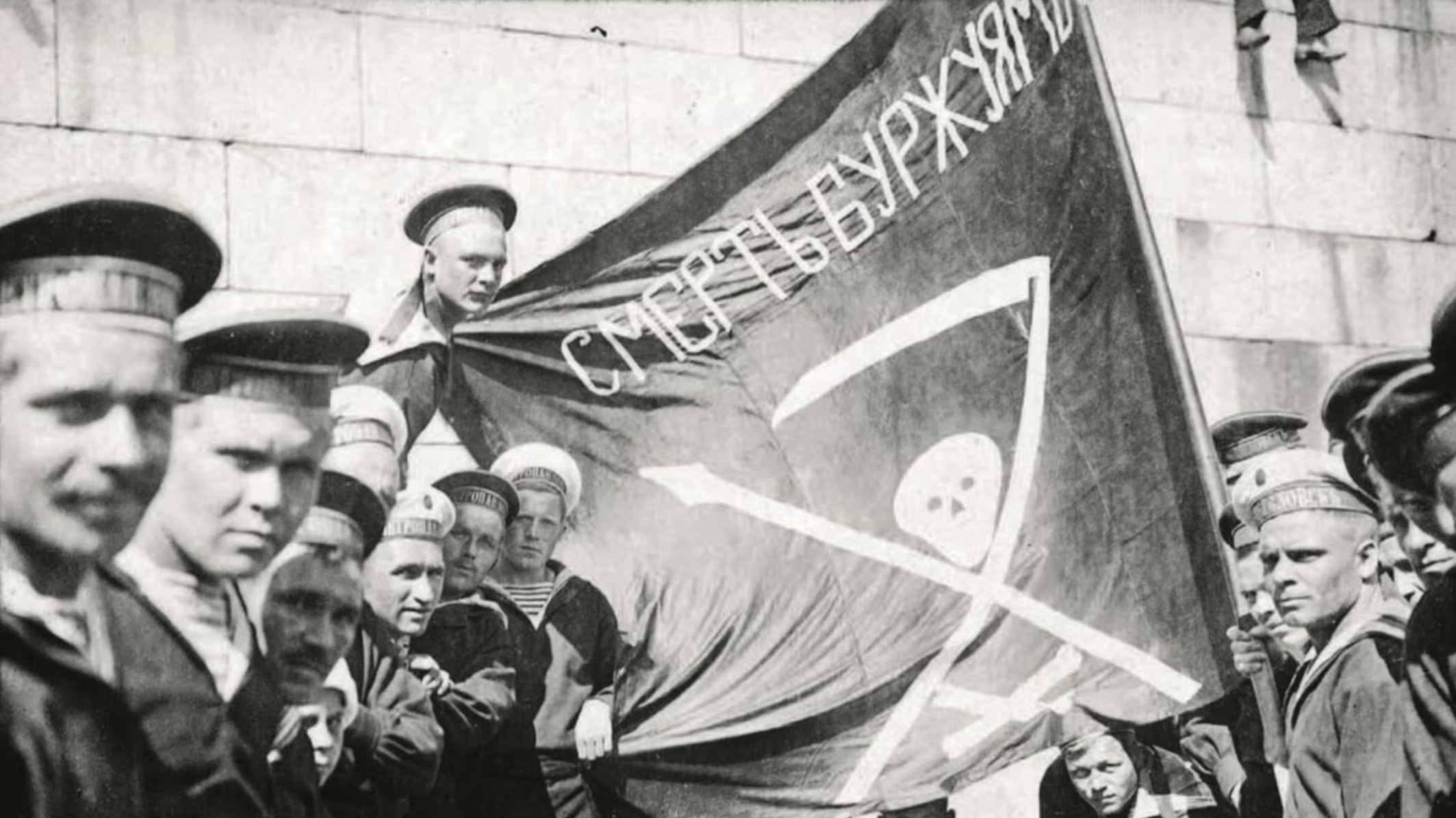
The Kronstadt mutiny (March 1921): This event marked the climax of opposition to Bolshevik rule. Loyal sailors from the Kronstadt naval base mutinied, demanding an end to requisitioning and communist rule. Although 20,000 Red Army soldiers successfully put down the uprising, those sailors who surrendered were executed. This event forced Lenin to reconsider his economic policies.
How did Lenin seize control of the state?
Vanguard of the proletariat
Lenin established control through a highly centralised dedicated body of revolutionaries known as the vanguard of the proletariat.
Important
Definition of 'Vanguard': This referred to a political party positioned at the forefront of any mass political movement or revolution. This concept became central to Bolshevik political theory and justified their claim to power despite limited popular support.
Political changes under Lenin:
- The Communist Party became the only legal political party
- Religion was banned as it was seen as a distraction from loyalty to the Party
- All citizens were given the right to vote, but this was meaningless since the Communist Party was the only choice available
Lenin's interpretation of Marxism
Lenin adapted Marx's revolutionary theory to fit Russian conditions, creating his own version of Marxist ideology.
Lenin's view on capitalism:
- Believed capitalism could only be destroyed through violent revolution
- Rejected peaceful evolution to socialism as "betraying Marx's message"
- Emphasised unending class conflict as expressed in Marx and Engels' Communist Manifesto
Note
Lenin's Adaptation of Marxism
Lenin's approach to revolution differed from Marx in key ways:
- Timing: Marx expected revolution in industrialised countries, but Lenin believed it was possible even in relatively backward Russia
- Social base: Marx focused on industrial workers, but Lenin recognised that Russia's population was mostly peasants, not workers
- Leadership: Lenin stressed that revolution required a highly disciplined workers' party with elite intellectuals and full-time revolutionaries in control
The dictatorship of the proletariat: Lenin took Marx's concept further, arguing that the ultimate goal was to establish a dictatorship of the proletariat (workers). This meant a government representing the majority but prepared to use force to control any minority opposition.
Reality of Bolshevik support: The main base of Bolshevik support came from Communist Party structures and membership rather than genuine popular support - it was not very popular among ordinary Russians.
Why was the New Economic Policy introduced?
Crisis and compromise
After the Kronstadt uprising, Lenin realised that a compromise was necessary to save the Bolshevik Revolution from total collapse.
Important
The Economic Crisis Dilemma
Lenin recognised that some form of capitalism needed to remain, at least temporarily, even though this seemed to betray true Marxist principles. Many Bolsheviks saw no middle ground between Communism and Capitalism and opposed Lenin's decision to compromise. However, Lenin argued that Russia had moved towards communism too quickly.
The solution: If the Bolsheviks wished to maintain control, they needed to compromise with market forces and private enterprise.
New Economic Policy (NEP) features
The New Economic Policy, introduced to replace War Communism, represented an adaptation of Marxism that mixed socialist and capitalist elements.
Example
New Economic Policy Implementation:
Agricultural changes:
- Peasants were allowed to sell surplus grain for profit, restoring incentives to produce more
- Peasants could pay taxes in money based on what they produced rather than giving part of their crop to the state
- Estates were divided into millions of small farms
Industrial changes:
- Small factories were returned to private ownership (capitalism)
- Factories employing fewer than 20 workers were denationalised
- Private trading led to growth of private traders known as Nepmen
Financial changes:
- The state maintained control of banking (socialism/Marxism)
- By 1924, all wages were paid in money
- Surplus staff was retrenched and incentives were introduced
International cooperation: The Soviet government worked with Western capitalist governments to encourage investment and foreign aid.
The impact of the New Economic Policy
Improvements and achievements
Economic recovery:
- Factories began producing goods again
- Working conditions improved significantly
- Russia's exports increased and the country received international aid
- Rail transport was improved
- By 1926, grain production reached the same level as in 1913
Agricultural success:
- The NEP successfully restored agricultural production to pre-war levels
- The growth of a wealthy class of peasants (known as kulaks) showed economic progress
Limitations and failures
Despite improvements, the NEP did not completely solve Russia's problems:
Economic challenges:
- People still lacked money to buy goods
- Unemployment grew as surplus workers were dismissed
- The road system remained very poor
- Horse and cart transport was still widely used instead of modern methods
Social tensions: The NEP created new inequalities as some people became wealthy while others remained poor.
What was the role of women in the Russian Revolution?
Changes during World War I
World War I created new opportunities for Russian women as millions of men joined the army:
- Industrial roles: Women began taking over men's jobs in industry
- Agricultural responsibility: Peasant women ran farms in their husbands' absence
- Military participation: Some women fought in the war, often disguised as men
- Medical service: Many women became nurses supporting the war effort
Under the Provisional Government
The Provisional Government granted women important political rights:
- Right to vote in elections
- Right to serve as attorneys in legal cases
- Equal rights in civil service positions
During the 1917 Revolutions
Women's political activism: Mass women's protests helped spark the February Revolution. Their call for political rights on International Women's Day changed the perception that feminism was only a middle-class movement.
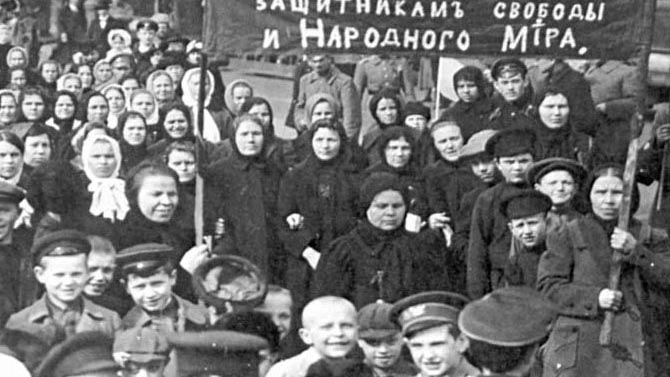
Bolshevik approach: The Bolsheviks believed men and women should work together without dividing the working class. Between 50,000 and 70,000 women joined the Red Army, though they were not required to fight.
Women under Bolshevik rule
Legal equality: Bolshevik policy focused on liberation of women and transformation of the family through progressive legislation:
- The Code on Marriage, the Family and Guardianship provided equal legal status to women
- Husbands and wives gained rights to their own property and earnings
- Children born inside and outside marriage received the same rights
- Divorce became available on request
- Equal pay for equal work was established
- Women gained voting rights before many other European women
- A government department ensured women were treated equally
Note
The Zhenotdel: This women's movement, established by the Bolsheviks, provided political education and literacy classes for working-class and peasant women, campaigns against prostitution, and support for women's rights and equality. It represented one of the most progressive approaches to women's rights of its time.
How did the death of Lenin affect Russia?
Power struggle between leaders
Lenin's death in 1924 created a succession crisis between two main contenders:
Leon Trotsky:
- Appeared closest to Lenin and seemed likely to inherit power
- Held the most powerful position in the Central Committee and Politburo
- Lenin considered him more able than other potential successors
Josef Stalin:
- Emerged as Trotsky's main opposition
- Served as General Secretary of the Communist Party and Commissar of Nationalities
- Held a strong position within Party structures
- Lenin warned against giving Stalin too much power
Ideological differences
The succession struggle involved fundamental disagreements about the direction of communist development:
Important
Competing Visions for Soviet Communism
Stalin's Nationalism ("Socialism in One Country"):
- Believed an independent socialist state could exist as "Socialism in One Country"
- Made every effort to associate himself with Lenin's legacy
- Built up power within Communist Party structures
Trotsky's Internationalism:
- Argued that successful socialist or communist revolutions in other countries were essential for Russian socialism to succeed
- Believed without world revolution, Russian socialism was doomed to failure
- However, made little effort to build up his own power base within the Party
The triumph of Stalin
Political maneuvering: Kamenev and Zinoviev joined Stalin to form the troika (triumvirate), launching attacks on Trotsky in party meetings and using his history as a former Menshevik against him.
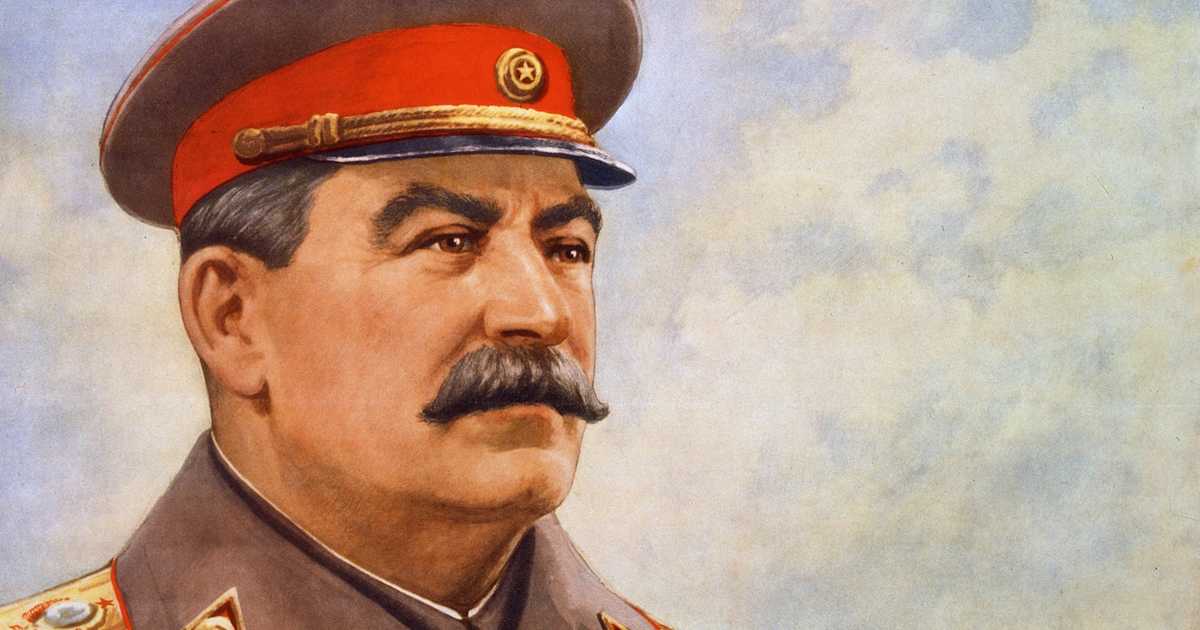
Stalin's victory: By 1924, Stalin was elected as the new Party leader at the Communist Party Congress. He systematically removed his main political opponents, including Zinoviev and Kamenev, and eventually had Trotsky driven out of the party, exiled, and murdered.
This marked the end of the revolutionary period and the beginning of Stalin's personal dictatorship over the Soviet Union.
Summary
Key Points to Remember:
-
War Communism was a harsh economic system that helped the Bolsheviks win the civil war but devastated the Russian economy and caused massive suffering including famine and starvation.
-
The New Economic Policy represented a crucial compromise between capitalism and socialism that saved the Bolshevik Revolution and restored economic production to pre-war levels.
-
Lenin's interpretation of Marxism adapted revolutionary theory to Russian conditions, emphasising violent revolution, disciplined party leadership, and the dictatorship of the proletariat.
-
Women gained significant rights and opportunities during the revolutionary period, including political equality, legal rights, and new roles in work and society.
-
Lenin's death triggered a power struggle between Stalin and Trotsky that ultimately led to Stalin's dictatorship and marked the end of the revolutionary period in Russian history.