The Success of the October 1917 Revolution (Grade 11 NSC Matric History): Revision Notes
📚Revision Notes
The Success of the October 1917 Revolution
Lenin's preparation and planning
The October Revolution didn't happen by chance - it was carefully planned and executed. Vladimir Lenin played a crucial role in convincing his fellow Bolsheviks that the time was right for action.
During the weeks leading up to October 1917, Lenin successfully persuaded the Bolshevik Central Committee to accept the idea of an armed uprising. This was a significant achievement, as many Bolsheviks were initially hesitant about taking such drastic action.

Note
Lenin's ability to convince the Bolshevik Central Committee was crucial to the revolution's success. Without unified party support, the uprising would likely have failed.
Key strategic advantages
The Bolsheviks had several important advantages going into October:
- They had assembled their own army, though they knew their soldiers weren't completely reliable
- Leon Trotsky had gained significant support within the national army
- Trotsky was able to win over the Petrograd garrison to support the Petrograd Soviet
- The Provisional Government had lost most of its military backing in Petrograd
Important
The loss of military support by the Provisional Government was perhaps the most critical factor enabling Bolshevik success. Without loyal troops, the government could not defend itself against the uprising.
How the October Revolution unfolded
The takeover process
The revolution followed a carefully orchestrated sequence of events that demonstrated both Bolshevik planning and the weakness of their opponents.
Initial situation:
- Alexander Kerensky and the Provisional Government knew about rumours of a Bolshevik takeover attempt
- The government tried to protect itself by bringing in military cadets (called "junkers") from local military academies to guard government buildings
The Bolshevik response:
- Bolshevik troops moved to their assigned positions around Petrograd
- They began occupying critical infrastructure and important buildings
- Their targets included telephone and telegraph offices, banks, railway stations, post offices, and major bridges
Government resistance:
- The junkers defending government buildings either fled when confronted or were easily disarmed
- There was remarkably little resistance to the Bolshevik takeover
Timeline of success
25 October 1917:
- By morning, the Bolsheviks controlled almost every important building in Petrograd
- The only major building they hadn't captured was the Winter Palace
- Kerensky fled the city, abandoning his government
25-26 October 1917:
-
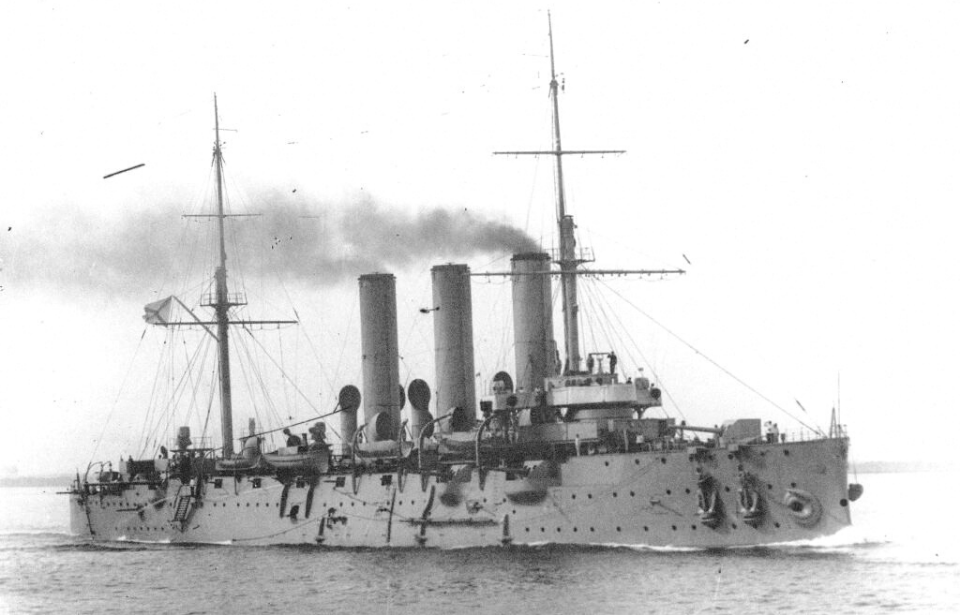
The Bolsheviks brought the warship Aurora up the River Neva, positioning it near the Winter Palace
-
The Winter Palace was surrounded and captured by 26 October
Note
The speed of the Bolshevik takeover was remarkable - in just two days, they had seized control of Russia's capital and effectively overthrown the Provisional Government.
The provisional government overthrown
Once the Bolsheviks had secured Petrograd, the Revolutionary Military Committee of the Petrograd Soviet issued an official proclamation announcing their victory.
Note
The Revolutionary Proclamation
"The Provisional Government has been deposed. State power has passed into the hands of the organ of the Petrograd Soviet of Workers' and Soldiers' Deputies - the Revolutionary Military Committee, which heads the Petrograd proletariat and garrison. The cause for which the people have fought, namely, the immediate offer of a democratic peace, the abolition of landed proprietorship, workers' control over production, and the establishment of Soviet power - this cause has been secured. Long live the revolution of workers, soldiers and peasants!"
This proclamation highlighted the Bolsheviks' key promises: peace, land redistribution, workers' control, and Soviet power.
Trotsky's crucial role
Leon Trotsky was absolutely essential to the success of the October Revolution.
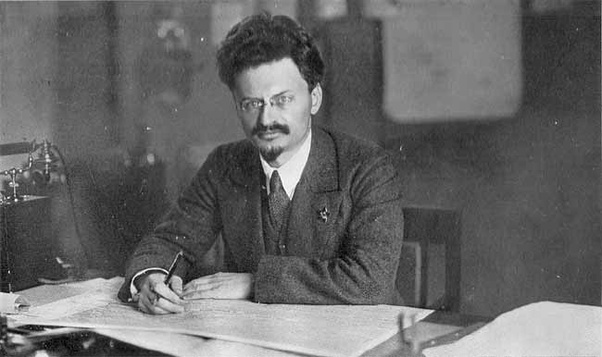
His contributions included:
- Military organisation: He planned and carried out the Bolshevik seizure of power
- Political leadership: He convinced the Petrograd Soviet to form a special Military-Revolutionary Committee in October, with himself as leader
- Strategic thinking: He caused military power in Petrograd to fall into Bolshevik hands
- Tactical decisions: He insisted the revolution should be carried out in the name of the All-Russian Congress of Soviets rather than just the Bolsheviks, to reduce opposition
- Direct action: Militants from Trotsky's committee joined with Bolshevik soldiers to seize government buildings and take over the Congress of Soviets
Important
Trotsky's decision to conduct the revolution in the name of the All-Russian Congress of Soviets rather than just the Bolsheviks was a brilliant tactical move that reduced potential opposition and gave the uprising greater legitimacy.
After the revolution's success, Trotsky became Commissar of Foreign Affairs, while Joseph Stalin became Commissar of Nationalities.
Bolsheviks consolidate power
Dealing with the constituent assembly
In January 1918, the long-promised Constituent Assembly finally met, but it only sat for one day.
What happened:
- The Assembly refused to give up its authority to the Bolsheviks
- It did nothing to challenge Bolshevik control
- The Bolsheviks watched over the meeting with loaded guns
- They declared the Assembly permanently dissolved
- Members were accused of being "slaves to the American dollar" (supporting capitalism)
Important
The dissolution of the Constituent Assembly marked the end of any pretense of democratic governance in Russia. This action demonstrated that the Bolsheviks were committed to maintaining power regardless of popular will or democratic processes.
Lenin's political beliefs
Vladimir Lenin had very clear ideas about how Russia should be governed:
- He believed Western-style democracies were irrelevant for Russia
- He favoured a "dictatorship of the proletariat" instead
- He supported single-party Bolshevik rule
Key Bolshevik actions in power
Once in control, the Bolsheviks moved quickly to implement their agenda:
Domestic policies:
- Issued a series of decrees
- Confirmed peasants' seizure of land and workers' control of industries
- Abolished class privileges
- Nationalised banks and set up revolutionary tribunals to replace the courts
Security measures:
- Created the Cheka - a new secret police agency to protect the government
Foreign policy:
- Faced a debate in March 1918 about continuing World War I
- Lenin decided to withdraw Russia from the war
- Signed the Treaty of Brest-Litovsk with Germany
- Russia lost valuable land and resources as a result
Note
The creation of the Cheka marked the beginning of the Soviet secret police system that would become a defining feature of communist rule in Russia. This organisation was designed to eliminate opposition and maintain Bolshevik control.
Why the Bolsheviks succeeded
The success of the October Revolution can be explained by several interconnected factors:
Political situation
By late 1917, there was anarchy in the country and power was available for whoever was organised enough and determined enough to seize it.
Leadership quality
Lenin and Trotsky proved to be brilliant and determined leaders who could inspire and organise their followers effectively.
Popular appeal
The Bolsheviks succeeded in appealing to many soldiers and workers who were exhausted by the ongoing war and economic hardships.
Government weakness
The Provisional Government had lost credibility and support by failing to:
- End Russia's involvement in World War I
- Address the economic demands of peasants and workers
- Maintain order and stability
This combination of Bolshevik strengths and government weaknesses created the perfect conditions for revolutionary success.
Summary
Key Points to Remember:
- Lenin convinced the Bolshevik Central Committee to attempt an armed uprising and carefully planned the revolution's execution
- Trotsky was crucial to success - he organised the Military-Revolutionary Committee and won over the Petrograd garrison
- The October Revolution lasted only two days (25-26 October 1917) due to weak government resistance
- The Bolsheviks immediately implemented key policies: peace, land redistribution, workers' control, and single-party rule
- Bolshevik success resulted from strong leadership, popular appeal to war-weary Russians, and the Provisional Government's complete loss of credibility and military support